Hardy Kiwi (Actinidia Arguta)
Hardy Kiwi, also known as Actinidia Arguta, is a delightful and relatively underappreciated vine that bears some similarities, but also several.
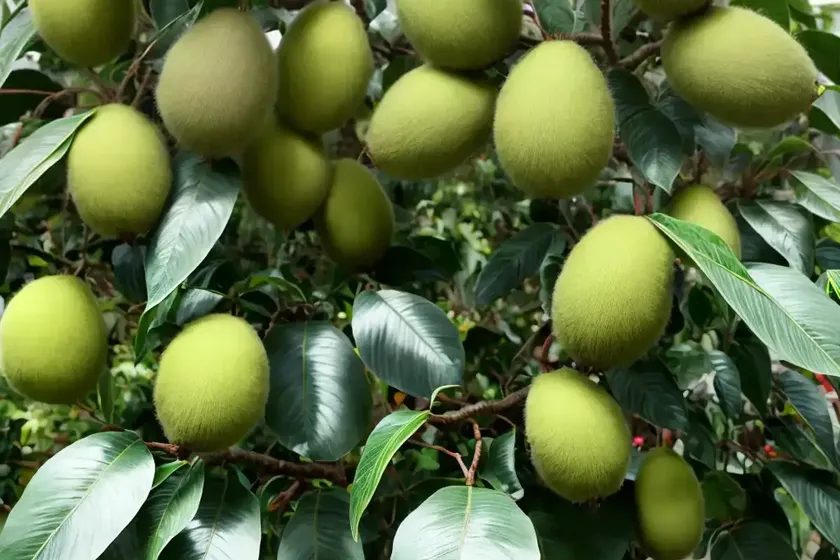
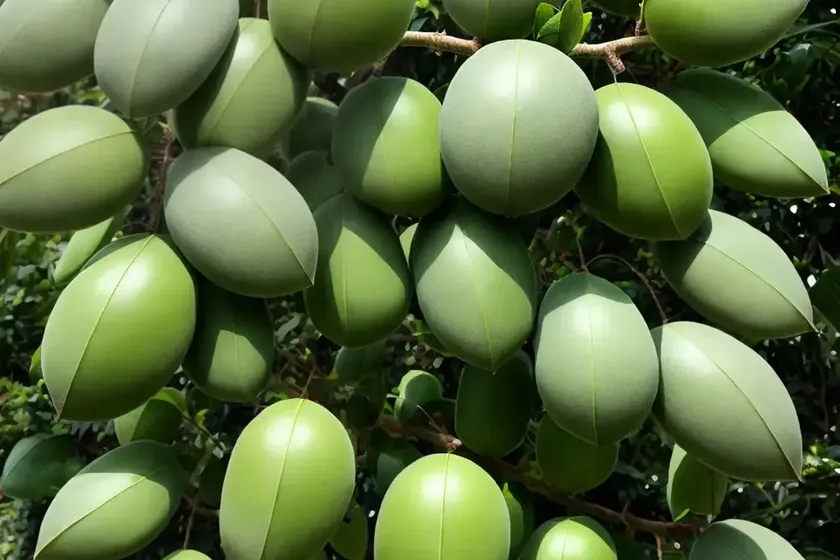
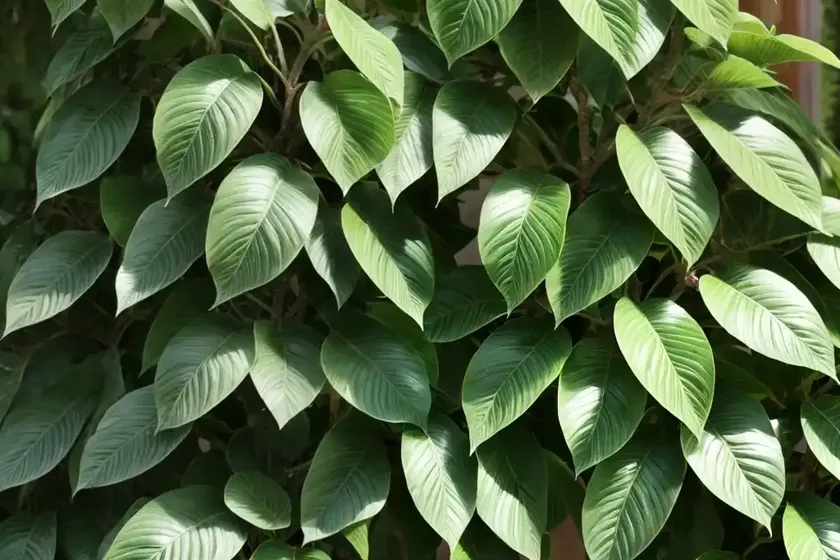
Hardy Kiwi, also known as Actinidia Arguta, is a delightful and relatively underappreciated vine that bears some similarities, but also several differences, with the traditional kiwi fruit you may already be familiar with. While it is lesser-known than its cousin, the Hardy Kiwi has been gaining popularity among gardeners and fruit enthusiasts for its beautiful foliage, delectable fruits, and relatively low maintenance requirements. In this comprehensive guide, we will delve into the fascinating world of the Hardy Kiwi, exploring its cultivation, care, uses, and much more.
What is Hardy Kiwi (Actinidia Arguta)?
Native to the mountains of eastern Asia, particularly Japan, Korea, and parts of Siberia, Actinidia Arguta, commonly known as Hardy Kiwi, is a deciduous, perennial climbing vine that is highly valued for its delicious and nutritious fruits. Unlike the well-known fuzzy kiwi (Actinidia deliciosa), which is commercially cultivated in many parts of the world, the Hardy Kiwi has a smooth, edible skin, making it popular for fresh consumption, as well as for various culinary applications.
Key Takeaways – Hardy Kiwi (Actinidia Arguta)
Before we proceed further, let’s take a moment to understand the key takeaways about Hardy Kiwi (Actinidia Arguta).
- Botanical Name: Actinidia Arguta
- Other Common Names: Kiwi Vine, Hardy Kiwi Plant, Kiwi Berry
- Cultivation: Climbing vine, requiring a trellis or support structure
- Fruit: Small, smooth-skinned, sweet-tart berries
- Hardiness: Suitable for USDA Hardiness Zones 4-9
- Benefits: Nutrient-dense fruits with high levels of Vitamin C, Vitamin K, and dietary fiber
- Challenges: Susceptible to certain pests and diseases, mainly in humid climates
- Popularity: Growing interest in home gardens and small-scale orchards
- Propagation: Can be propagated from seeds, cuttings, or layering
- Season: Fruits typically ripen in late summer or early fall
Now, let’s delve into the various aspects of cultivating and caring for these remarkable vines.
Cultivation
Cultivating Hardy Kiwi can be a rewarding experience, whether you’re an experienced horticulturist or a novice gardener. Understanding the specific requirements of Actinidia Arguta, from water and sunlight to soil and fertilizer, is crucial for the successful growth and fruiting of these vines.
Water
Proper watering is essential for the healthy growth and fruit development of Hardy Kiwi vines. While they require consistent moisture, they are susceptible to root rot if the soil remains waterlogged. It is important to keep the root zone evenly moist, especially during dry spells and the fruiting season.
Watering Tips:
- Deep watering: Ensure that the water penetrates deeply into the soil to reach the roots, particularly during dry periods.
- Mulching: Applying a layer of organic mulch around the base of the vine helps retain soil moisture and reduces the frequency of watering.
- Drip irrigation: Consider installing a drip irrigation system for efficient and targeted watering, especially in larger vineyards or orchards.
Sunlight
Hardy Kiwi plants thrive in full sun to partial shade, although they tend to produce more fruit when exposed to ample sunlight. In regions with scorching summers, providing some afternoon shade can help prevent sunburn on the fruits and reduce water stress on the vines.
Sunlight Requirements:
- Full sun: Ideally, the vines should receive at least 6-8 hours of direct sunlight each day for optimal growth and fruiting.
- Partial shade: While they can tolerate partial shade, particularly in hot climates, it may affect the fruiting to some extent.
Fertilizer
Feeding your Hardy Kiwi vines with the right nutrients at the appropriate times plays a vital role in maximizing their growth, vigor, and fruit production. Understanding the nutritional requirements of Actinidia Arguta and applying suitable fertilizers can significantly enhance the overall health and yield of the plants.
Fertilizer Recommendations:
- Balanced fertilizers: Use a balanced, slow-release fertilizer with an N-P-K ratio of 10-10-10 or similar, in early spring before active growth resumes.
- Organic matter: Incorporating well-rotted compost or aged manure into the soil around the base of the vines provides a sustainable source of nutrients and improves soil structure.
- Foliar feeding: Application of liquid fertilizers or seaweed extract foliar sprays during the growing season can supplement the nutrient uptake and improve fruit quality.
Soil
The soil quality and composition directly impact the growth, development, and fruiting of Hardy Kiwi plants. They thrive in well-drained, slightly acidic soils that are rich in organic matter, and their extensive root systems benefit from loose, friable soil structures.
Soil Requirements:
- pH level: The ideal soil pH for Hardy Kiwi is in the range of 5.5 to 7.0. Regular soil testing and pH adjustments may be necessary, especially in alkaline soils.
- Drainage: Good drainage is crucial to prevent waterlogging, which can lead to root rot and other soil-borne diseases. Amending heavy clay soils with organic matter can enhance drainage.
- Texture: Sandy loam or loamy soils with good aeration and water-holding capacity are well-suited for the cultivation of Actinidia Arguta.
Pruning
Pruning is an essential aspect of Hardy Kiwi cultivation, contributing to the overall health of the vines, fruit production, and the maintenance of manageable growth habits. Understanding the pruning techniques and schedules for Actinidia Arguta is crucial for achieving well-structured, productive plants.
Pruning Tips:
- Winter pruning: Conduct major pruning while the vines are dormant in late winter or early spring to remove dead, damaged, or overcrowded growth.
- Fruit-bearing wood: Prune to encourage the development of fruit-bearing wood, which typically forms on one-year-old lateral branches.
- Training: Regular training and guiding of the vines along the support structure help maintain a manageable shape and promote efficient fruit production.
Propagation
Actinidia Arguta can be propagated through various methods such as seeds, cuttings, or layering, each with its own advantages and challenges. Understanding the different propagation techniques allows growers to expand their vineyards or replenish aging plants with vigorous, new growth.
Propagation Methods:
- Seeds: While viable seeds can be collected from ripe fruits, they may not produce true-to-type plants and often take longer to reach fruiting maturity.
- Cuttings: Semi-hardwood cuttings taken in late summer or early autumn can root relatively easily under favorable conditions, producing genetically identical plants.
- Layering: Air layering or simple ground layering can be employed to induce the rooting of stems while still attached to the parent plant, resulting in rooted, independent plants.
Container Popularity
The cultivation of Hardy Kiwi in containers has gained popularity, allowing individuals with limited space or unsuitable outdoor growing conditions to enjoy the beauty and fruits of these vines. Proper container selection, maintenance, and care are crucial for the success of potted Actinidia Arguta plants.
Container Requirements:
- Size: Select a large container with a volume of at least 10-15 gallons to accommodate the vigorous growth and root development of the vines.
- Drainage: Ensure the container has adequate drainage holes to prevent waterlogging and root suffocation.
- Trellising: Provide a sturdy trellis or support structure within the container to guide the upward growth of the vines and support the fruiting branches.
Common Diseases
Hardy Kiwi plants are susceptible to certain diseases that can impact their overall vigor, fruit quality, and longevity. Identifying and managing these diseases through proper cultural practices, sanitation, and, if necessary, targeted treatments are essential for maintaining healthy plants.
Disease Diagnosis:
Common Diseases:
- Leaf spot: Fungal diseases such as alternaria leaf spot and anthracnose can cause dark spots, lesions, and defoliation if left untreated.
- Powdery mildew: White, powdery patches on the leaves and stems indicate the presence of powdery mildew, a fungal disease favored by humid conditions.
- Bacterial canker: This bacterial disease can lead to cankers on the stems, dieback, and reduced fruiting if it becomes severe.
Common Pests
In addition to diseases, Hardy Kiwi plants are vulnerable to certain insect pests that can compromise their growth, fruiting, and overall health. Regular monitoring and early intervention are crucial for preventing pest infestations and minimizing their impact on the plants.
Common Pests:
- Aphids: Colonies of tiny, sap-sucking aphids can cause leaf distortion, stunted growth, and the transmission of viral diseases.
- Spider mites: These microscopic pests feed on the undersides of leaves, causing stippling, discoloration, and leaf drop if left uncontrolled.
- Japanese beetles: Adult beetles feed on the foliage and can cause significant defoliation, weakening the vines over time.
Botanist’s Tips
To ensure the successful cultivation of Actinidia Arguta and the enjoyment of a bountiful harvest, consider the following valuable tips from botanists and experienced growers.
Fun Facts:
- Hardy Kiwi flowers are dioecious, meaning individual plants are either male or female, and both are required for pollination and fruit set.
- Some Actinidia Arguta varieties exhibit attractive variegated foliage, adding ornamental value to the landscape.
- The fruits of Hardy Kiwi are often referred to as “kiwi berries,” owing to their small size and similar flavor profile to traditional kiwi fruits.
Links to External Resources
For further information on cultivating and caring for Hardy Kiwi vines, as well as exploring delicious recipes and innovative uses for the fruits, consider exploring the following external resources:
- Actinidia Arguta: A Hardy Kiwi for the North
- Growing Kiwi Berries
- Hardy Kiwi – Actinidia Arguta
- Hardy Kiwi Production Guide
- Kiwi Berries: A Tasty Treat You Can Grow in Your Garden
In conclusion, Hardy Kiwi, or Actinidia Arguta, presents an exciting opportunity for gardeners, fruit enthusiasts, and horticulturists to experience the beauty and delectable taste of these charming vines. With the right cultivation practices, careful attention to their specific requirements, and preventive measures against potential pests and diseases, growing Hardy Kiwi can be a truly rewarding endeavor. Whether you’re aiming to establish a small backyard orchard or incorporate a few vines into your landscape, the many benefits and unique features of Actinidia Arguta make it a valuable addition to any garden or fruit-growing operation.