Actinidia Deliciosa (Kiwifruit)
The actinidia deliciosa, commonly known as the kiwifruit, is a fascinating fruit that has gained popularity around the world for its unique taste and.
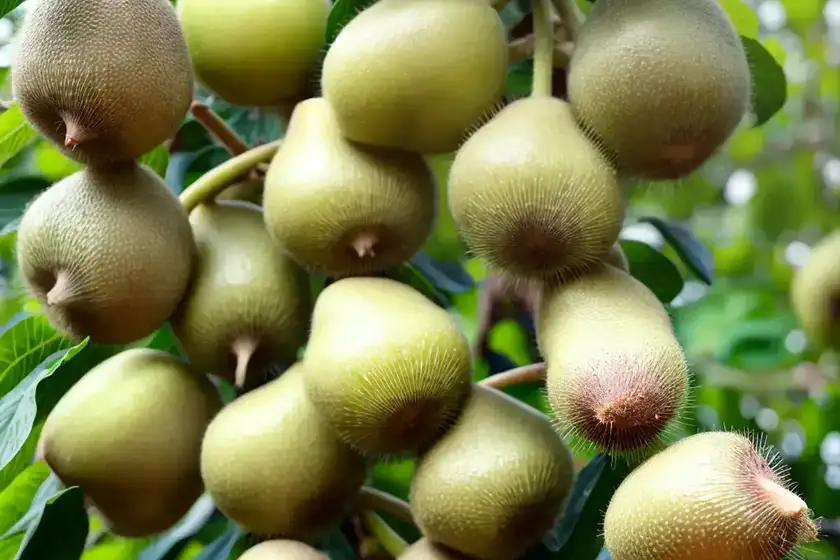
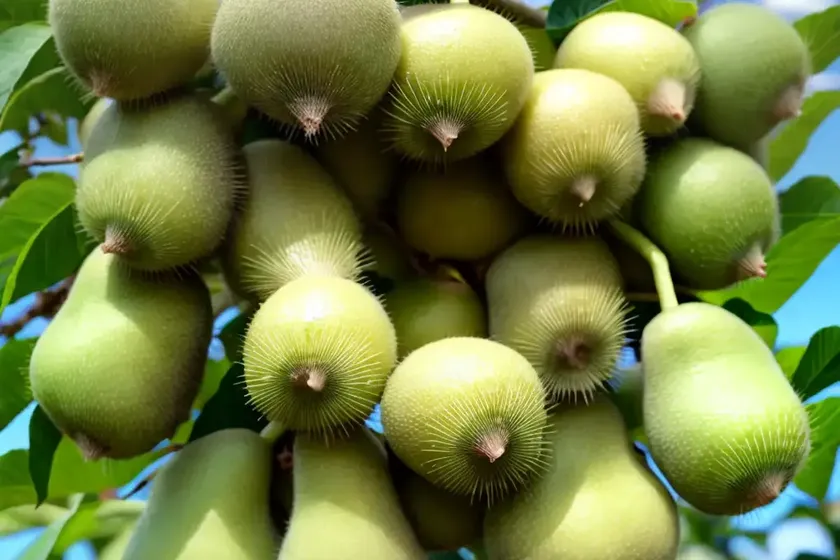
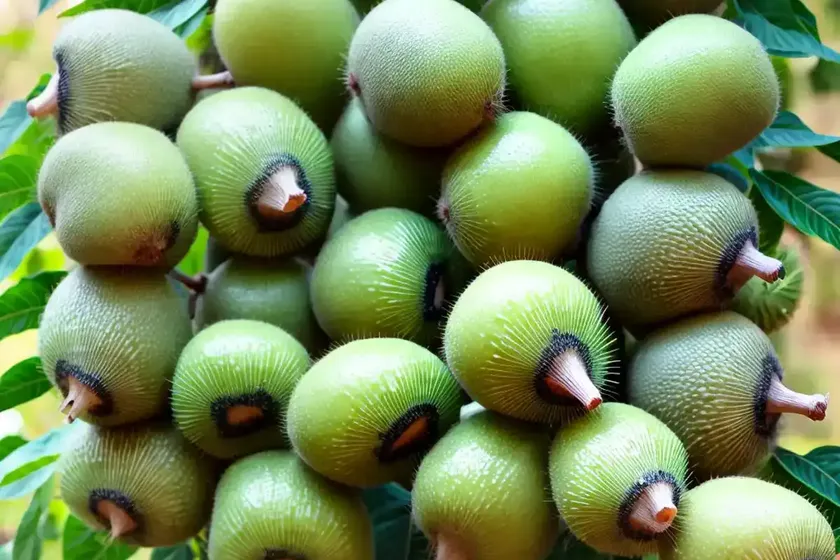
The actinidia deliciosa, commonly known as the kiwifruit, is a fascinating fruit that has gained popularity around the world for its unique taste and exceptional nutritional benefits. In this comprehensive guide, we will delve deep into the cultivation, uses, care, and maintenance of the actinidia deliciosa plant to help you understand and appreciate this remarkable fruit.
What is Actinidia deliciosa (Kiwifruit)?
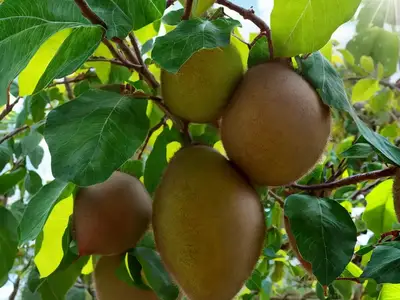
Actinidia deliciosa, a native of southern China, is a woody, perennial vine belonging to the Actinidiaceae family. This deciduous climber is renowned for its large, egg-shaped fruits with brown, fuzzy skin and vibrant green flesh containing numerous tiny, edible, black seeds. The fruit is commonly known as kiwifruit or kiwi, owing to its resemblance to the kiwi bird, the national symbol of New Zealand.
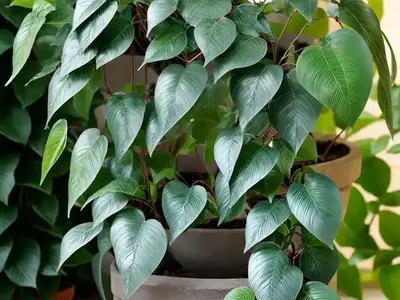
Actinidia deliciosa grows vigorously and can reach up to 30 feet in length. The plant features large, heart-shaped, dark green leaves, and produces fragrant, white flowers in the early summer months, which, if pollinated, develop into the distinctive kiwifruits.
Key Takeaways: Actinidia deliciosa (Kiwifruit)
Let’s take a closer look at the key aspects of Actinidia deliciosa, including its culture, uses, and various requirements for successful cultivation.
Culture
- Scientific Name: Actinidia deliciosa
- Common Names: Kiwifruit, Kiwi
- Family: Actinidiaceae
- Native Habitat: Southern China
Uses
- Culinary Applications: Fresh consumption, smoothies, salads, desserts
- Commercial Uses: Widely cultivated for the fresh fruit market
- Nutritional Value: Excellent source of vitamin C, vitamin K, and dietary fiber
Water
- Watering Requirements: Regular watering, especially during the growing season
- Soil Moisture: Well-draining soil to prevent waterlogging
Sunlight
- Light Requirements: Full sun for optimal growth and fruit production
- Shade Tolerance: Moderate shade tolerance, particularly in extremely hot climates
Fertilizer
- Nutrient Needs: Balanced fertilizer application during the growing season
- Nitrogen: Avoid excessive nitrogen to prevent excessive vegetative growth at the expense of fruit production
Soil
- Soil Type: Well-draining, fertile soil with a slightly acidic to neutral pH
- Texture: Preferably loamy soil with good water retention capabilities
Pruning
- Pruning Time: Late winter or early spring before new growth emerges
- Objectives: Shape control, improved air circulation, and fruit production
Propagation
- Common Methods: Stem cuttings, layering, and grafting
- Ideal Time: Late spring to early summer for best results
Container Popularity
- Suitability: Can be grown in large containers in regions with limited outdoor space
- Considerations: Adequate support and regular maintenance required
Common Diseases
- Disease Resistance: Generally hardy, but susceptible to certain fungal diseases
- Preventive Measures: Proper sanitation and cultural practices
Disease Diagnosis
- Symptoms: Leaf spots, wilting, fruit rot
- Pathogens: Botrytis cinerea, Pseudomonas syringae
Common Pests
- Susceptibility: Aphids, mites, and scale insects
- Integrated Pest Management: Beneficial insects, horticultural oils
Botanist’s Tips
- Cultural Practices: Consistent care and attention to detail for optimal results
- Climate Considerations: Select suitable cultivars for the local climate
Fun Facts
- Origins: Native to China, first introduced to New Zealand in the early 20th century
- Global Reach: Commercially grown in various countries, including Italy, New Zealand, and the United States
Now that we have covered the essential overview of Actinidia deliciosa, let’s explore each aspect in more detail, along with some practical tips and expert insights.
Actinidia deliciosa (Kiwifruit) Cultivation
Cultivating Actinidia deliciosa requires careful attention to various factors, including water, sunlight, soil, and pruning. Let’s delve into each of these aspects to gain a thorough understanding of what it takes to successfully grow kiwifruits.
Water
Proper water management is crucial for the healthy growth and fruit production of Actinidia deliciosa. While the plant requires consistent moisture, waterlogged conditions should be avoided to prevent root rot and other water-related issues.
Watering Schedule:
– During the growing season, provide regular, deep watering to maintain moist, but not waterlogged, soil conditions.
– Adjust the frequency of watering based on the local climate and soil drainage. In hot, dry climates, more frequent watering may be necessary.
Moisture Monitoring:
– Regularly check the soil moisture levels to ensure that the plant is receiving adequate hydration.
– Mulching around the base of the plant can help retain soil moisture and reduce water evaporation.
Sunlight
Actinidia deliciosa thrives in full sunlight, which is essential for robust growth and abundant fruit production. However, the plant can tolerate some degree of shade, particularly in regions with intense heat.
Sun Exposure:
– Select a planting location that receives at least 6-8 hours of direct sunlight daily for optimal growth.
– In extremely hot climates, partial shade during the intense afternoon sun can protect the plant from heat stress.
Fertilizer
Balanced fertilization is necessary to meet the nutritional requirements of Actinidia deliciosa and support its overall health and fruit-bearing capacity. However, excessive nitrogen should be avoided to prevent excessive vegetative growth at the expense of fruit development.
Nutrient Application:
– Use a balanced, slow-release fertilizer with an NPK ratio of approximately 10-10-10 or similar.
– Apply fertilizer in early spring just before the growing season begins to provide essential nutrients for vigorous growth.
Nitrogen Management:
– Monitor nitrogen levels in the soil and avoid over-fertilizing with nitrogen, as this can lead to excessive foliage growth and reduced fruit yield.
Soil
The choice of soil and its characteristics play a significant role in the successful cultivation of Actinidia deliciosa. Well-draining, fertile soil with the appropriate pH range is vital for the plant’s health and productivity.
Soil Type:
– Choose well-draining, loamy soil with good water retention capabilities for optimal growth.
– The ideal soil pH for kiwifruit cultivation ranges from slightly acidic (pH 6.0) to neutral (pH 7.0).
Soil Preparation:
– Prior to planting, prepare the soil by incorporating organic matter such as compost to improve fertility and structure.
Pruning
Pruning is an essential cultural practice for Actinidia deliciosa, serving multiple purposes such as shape control, improved air circulation, and enhanced fruit production. Proper timing and techniques are crucial for effective pruning.
Pruning Time:
– Conduct pruning in late winter or early spring before new growth begins to emerge.
– Avoid heavy pruning during the active growing season to prevent stress on the plant.
Objective:
– Remove dead or diseased wood, and thin out overcrowded branches to promote air circulation.
– Prune to shape the plant and encourage lateral branching, which helps in the production of fruiting wood.
Propagation
Actinidia deliciosa can be propagated using various methods, including stem cuttings, layering, and grafting. Each propagation technique has its own set of advantages and ideal timing for successful establishment.
Stem Cuttings:
– Select healthy, disease-free stems for propagation, and root the cuttings in a well-draining propagation medium.
– Propagate in late spring to early summer when the plant is actively growing to maximize success rates.
Layering:
– Encourage the formation of roots on a stem by burying a portion of it in the soil while it is still attached to the parent plant.
– Once roots have developed, the layered stem can be separated and transplanted to a new location.
Container Popularity
Growing Actinidia deliciosa in containers is an attractive option for individuals with limited outdoor space, provided that the necessary support and maintenance requirements are met.
Container Selection:
– Choose a large, sturdy container with adequate drainage holes to prevent waterlogging.
– Consider using a trellis or other support structure to accommodate the vine’s vigorous growth habit.
Maintenance:
– Regularly monitor the moisture levels in the container to ensure that the plant’s water needs are met.
– Prune and train the vine to prevent it from becoming too unwieldy in the limited space of a container.
Actinidia deliciosa (Kiwifruit) – Popularity and Uses
The actinidia deliciosa, or kiwifruit, has gained widespread popularity due to its delicious flavor, exceptional nutritional benefits, and versatile culinary applications. It is cultivated for both personal consumption and commercial purposes, contributing significantly to the fresh fruit market.
Culinary Applications
Actinidia deliciosa, commonly known as kiwifruit, offers a myriad of culinary possibilities, making it a favorite ingredient in various dishes, beverages, and sweet treats.
Fresh Consumption:
– Enjoy the kiwifruit fresh, either on its own or as part of fruit salads for a delightful burst of tropical flavor.
– Sliced kiwifruit makes a colorful and nutritious addition to breakfast bowls and yogurt parfaits.
Smoothies and Juices:
– Blend ripe kiwifruit with other fruits or yogurt to create refreshing and nutrient-rich smoothies.
– Extract the juice from kiwifruit to add a tangy, sweet flavor to homemade juices and cocktails.
Salads and Salsas:
– Dice or slice kiwifruit to incorporate into fresh green salads for a delightful contrast of taste and texture.
– Prepare a zesty kiwifruit salsa as a flavorful accompaniment to grilled fish, chicken, or tacos.
Desserts and Baked Goods:
– Use kiwifruit as a topping for pavlovas, cheesecakes, and tarts to infuse a unique tropical twist into desserts.
– Bake kiwifruit into muffins, cakes, and bread for a subtle sweetness and vibrant green specks throughout the baked goods.
Commercial Uses
The commercial cultivation of Actinidia deliciosa plays a significant role in meeting the global demand for fresh, high-quality kiwifruit. Various cultivars are grown to cater to different market preferences and to supply the versatile fruit to consumers worldwide.
Fresh Fruit Market:
– Actinidia deliciosa is grown on a commercial scale to supply fresh kiwifruit to domestic and international markets.
– The unique taste, vibrant color, and exceptional nutritional benefits make kiwifruit a highly sought-after commodity in the fruit industry.
Processed Products:
– Kiwifruit is utilized in the production of jams, jellies, fruit purees, and fruit fillings for a range of culinary applications.
– The versatility of kiwifruit as an ingredient allows for the creation of various value-added products for the food industry.
Nutritional Value
Actinidia deliciosa, rich in essential vitamins, minerals, and dietary fiber, offers outstanding nutritional benefits, making it a valuable addition to a balanced diet.
Vitamin C:
– Kiwifruit is renowned for its exceptionally high vitamin C content, which supports immune function and antioxidant protection.
– A single serving of kiwifruit provides well over the recommended daily intake of vitamin C for most individuals.
Vitamin K:
– Kiwifruit contains vitamin K, which is vital for blood clotting, bone health, and heart disease prevention.
– Incorporating kiwifruit into the diet contributes to the overall intake of this essential fat-soluble vitamin.
Dietary Fiber:
– Consuming kiwifruit can aid in digestive health and regularity due to its high fiber content.
– Dietary fiber promotes satiety, aids in weight management, and supports a healthy gut microbiome.
Actinidia deliciosa (Kiwifruit) Fun Facts
- Origins: Actinidia deliciosa is native to southern China and was first introduced to New Zealand in the early 20th century, where it gained commercial prominence as a key export crop.
- Global Reach: Kiwifruit is now commercially grown in various countries, including Italy, New Zealand, the United States, and Chile, among others.
- Fuzzy Skin: The characteristic fuzzy skin of the kiwifruit is not only visually distinctive but also adds to the fruit’s unique tactile experience when eaten.
- Vibrant Green Flesh: The vibrant green color of the flesh is indicative of the rich vitamin and nutrient content within the fruit, contributing to its appeal and nutritional value.
Actinidia deliciosa, or kiwifruit, continues to captivate consumers and chefs alike with its delightful taste, exceptional nutritional profile, and culinary versatility. The next sections will explore the specific cultivation requirements for this remarkable fruit, including common diseases, pest management, and expert tips for successful growth. We will also delve into the fascinating world of kiwifruit pollination and the various propagation methods employed by horticulturists.
Actinidia deliciosa (Kiwifruit) – Common Diseases and Pest Management
Like all cultivated plants, Actinidia deliciosa is susceptible to certain diseases and pest infestations that can impact overall plant health and fruit production. Understanding these common issues and implementing effective control measures is essential for successful kiwifruit cultivation.
Common Diseases
Actinidia deliciosa may encounter specific fungal diseases and other common plant ailments, which require timely intervention and preventive measures to safeguard the plant’s health.
Disease Resistance:
– Actinidia deliciosa is generally hardy but can be susceptible to fungal infections, particularly in high-humidity environments.
Preventive Measures:
– Proper sanitation, good cultural practices, and disease-resistant cultivars can aid in disease prevention and management.
Disease Diagnosis
Early detection and accurate diagnosis of kiwifruit diseases are critical for implementing targeted control strategies and preventing the spread of infections within the orchard or garden.
Symptoms:
– Leaf spots, stem cankers, and fruit rot are common symptoms of fungal infections in Actinidia deliciosa.
– Wilting, reduced vigor, and stunted growth may indicate root rot or other soil-borne diseases.
Pathogens:
– Common fungal pathogens affecting kiwifruit include Botrytis cinerea (gray mold) and Pseudomonas syringae (bacterial canker).
Common Pests
Various pests can pose a threat to Actinidia deliciosa, affecting both plant health and fruit quality. Implementing integrated pest management strategies is essential for effective pest control.
Susceptibility:
– Aphids, mites, and scale insects can infest kiwifruit vines and cause damage to leaves, stems, and fruits.
– Regular monitoring and proactive pest control measures can prevent population outbreaks and minimize pest damage.
Integrated Pest Management (IPM):
– Utilize beneficial insects, such as ladybugs and lacewings, to naturally control pest populations.
– Application of horticultural oils and insecticidal soaps can help manage pest infestations without harming beneficial insects.
Actinidia deliciosa (Kiwifruit) – Botanist’s Tips and Propagation Methods
Successful cultivation of Actinidia deliciosa requires attention to detail and the implementation of best practices to ensure healthy growth and abundant fruit production. Botanist’s tips and various propagation methods further enhance the understanding and cultivation of kiwifruit.
Botanist’s Tips
Expert insights and practical tips from botanists and horticulturists can provide valuable guidance for nurturing Actinidia deliciosa and optimizing fruit yield.
Cultural Practices:
– Consistent and attentive care, including monitoring water, sunlight, and soil conditions, is essential for the plant’s well-being.
– Adhering to a regular pruning schedule and maintaining proper soil fertility contributes to robust growth and fruit development.
Climate Considerations:
– Select suitable cultivars that are well-adapted to the local climate and environmental conditions.
– Research the specific temperature, humidity, and frost tolerance requirements of kiwifruit cultivars for successful cultivation.
Propagation Methods
Actinidia deliciosa can be propagated using various techniques, each with its unique advantages and considerations. Understanding the different propagation methods is essential for expanding kiwifruit plantings and maintaining genetic diversity.
Stem Cuttings:
– Take stem cuttings from healthy, disease-free kiwifruit vines during the active growing season for successful propagation.
– Root the cuttings in a well-draining propagation medium to establish new plants with identical genetic characteristics.
Layering:
– Utilize the layering method to encourage the development of roots on a selected portion of a stem while it remains attached to the parent plant.
– Once rooted, the layered section can be separated from the parent plant and transplanted to a new location for further growth and development.
Actinidia deliciosa (Kiwifruit) – Fun Facts and Links to External Resources
Let’s wrap up our comprehensive guide to Actinidia deliciosa, commonly known as kiwifruit, with some intriguing fun facts and valuable links to external resources for further exploration.
Fun Facts
- Global Production: New Zealand is one of the leading exporters of kiwifruit, with the Hayward cultivar being the most widely grown commercial variety.
- Climatic Adaptation: Actinidia deliciosa is well-suited to temperate climates, although specific cultivars exhibit varying degrees of cold and heat tolerance.
Links to External Resources
For individuals interested in delving deeper into the world of Actinidia deliciosa and expanding their knowledge of kiwifruit cultivation, the following external resources provide valuable insights and practical information:
- Kiwifruit Planting Guide: Comprehensive planting and care guidelines for Actinidia deliciosa in commercial and home orchards.
- Kiwifruit Diseases and Pests: Detailed information on common diseases and pest management strategies for kiwifruit vine health.
- Optimizing Kiwifruit Production: Research-based report on post-harvest management, market analysis, and yield optimization strategies for kiwifruit production.
As we conclude our exploration of Actinidia deliciosa (kiwifruit), I hope this comprehensive guide has provided valuable insights and practical knowledge for enthusiasts, home gardeners, and commercial growers alike. The remarkable journey of kiwifruit cultivation continues to inspire individuals to embrace the art and science of growing this extraordinary fruit.
In conclusion, Actinidia deliciosa, with its exquisite flavor, exceptional nutritional benefits, and captivating history, remains a