Achillea ‘Terracotta’ (Yarrow)
Yarrow, scientifically known as Achillea millefolium, is a perennial plant that is renowned for its ornamental value, herbal uses, and ecological.
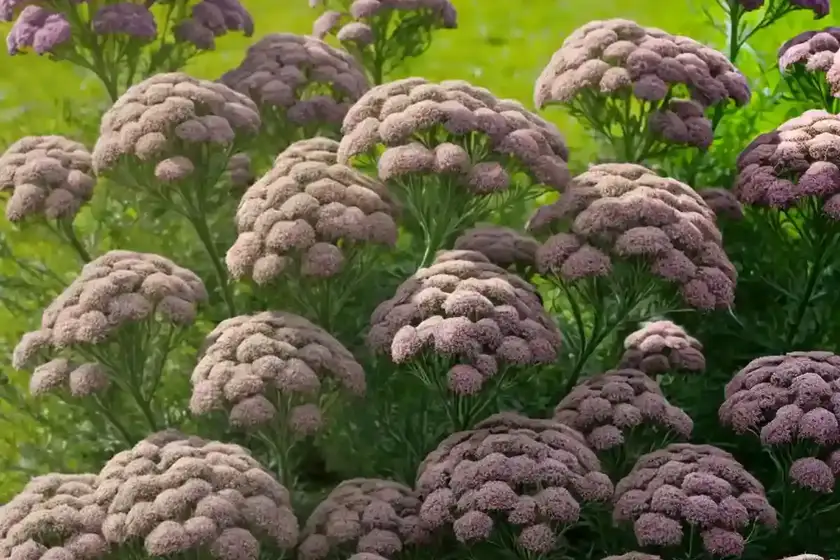
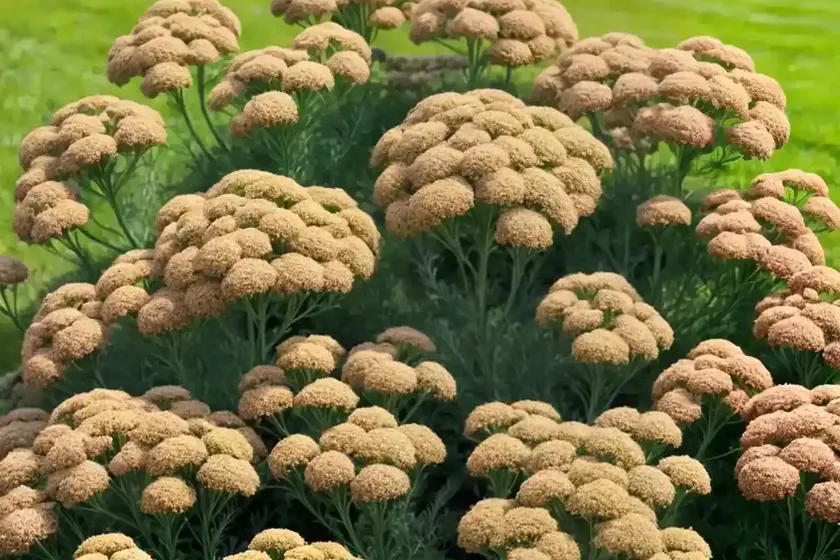
Yarrow, scientifically known as Achillea millefolium, is a perennial plant that is renowned for its ornamental value, herbal uses, and ecological contributions. Among the numerous varieties of yarrow, Achillea ‘Terracotta’ stands out for its distinctive terracotta-colored flowers and its exceptional characteristics. In this guide, we will delve deep into the fascinating world of Achillea ‘Terracotta,’ exploring its cultivation, uses, and the myriad benefits it offers to both gardeners and nature.
What is Achillea ‘Terracotta’?
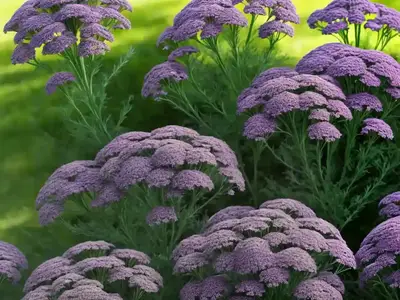
Achillea ‘Terracotta’ is a cultivar of the yarrow plant, featuring a delightful display of terracotta-colored flowers that bloom from early summer to fall. This perennial herbaceous plant belongs to the Asteraceae family and is native to Europe and western Asia. Its botanical name “Achillea” is derived from the Greek hero Achilles, who is believed to have used yarrow for its medicinal properties during the Trojan War. The species name “millefolium” refers to the finely dissected leaves of the plant, which resemble a thousand tiny leaves.
Achillea ‘Terracotta’ is valued for its low maintenance, drought tolerance, and attractive, fern-like foliage. It is a versatile plant that thrives in various growing conditions, making it an excellent choice for garden landscapes, herbal gardens, and naturalistic plantings.
Key Takeaways – Achillea ‘Terracotta’ (Yarrow)
Before we delve into the specifics of cultivating and caring for Achillea ‘Terracotta,’ let’s highlight some key takeaways about this exceptional plant:
- Characteristics: Terracotta-colored flowers, fern-like foliage, drought-tolerant, and low maintenance.
- Cultivation: Thrives in well-drained soil, prefers full sunlight, and tolerant of dry conditions.
- Uses: Ornamental garden plant, medicinal herb, and ecological contributor attracting pollinators.
- Maintenance: Pruning after flowering, minimal fertilizer requirements, and propagation through division or seeds.
- Popularity: Widely used in garden landscapes, herbal medicine, and sustainable planting schemes.
Now, let’s explore each of these aspects in detail to gain a comprehensive understanding of Achillea ‘Terracotta.’
Culture
The culture of Achillea ‘Terracotta’ encompasses its growth habits, soil requirements, and overall care regimen. Understanding the cultural needs of this plant is crucial for creating an optimal growing environment and ensuring its health and vigor.
Soil
Achillea ‘Terracotta’ thrives in well-drained, moderately fertile soil. It tolerates a wide range of soil types, including sandy, loamy, or rocky soils. However, it is essential to avoid waterlogged or excessively heavy soils, as this can lead to root rot and other moisture-related issues.
Sunlight
Full sunlight is the ideal condition for Achillea ‘Terracotta.’ It flourishes in bright, sunny locations and is well-suited for open landscapes, rock gardens, and slopes with ample sunlight exposure. Insufficient sunlight may result in reduced flowering and diminished overall vitality.
Water
Once established, Achillea ‘Terracotta’ exhibits exceptional drought tolerance. While it benefits from regular watering during its initial establishment period, it can thrive with minimal supplemental water in subsequent years. Overwatering should be avoided, as it can lead to root problems and compromise the plant’s resilience.
Fertilizer
Achillea ‘Terracotta’ has modest fertilizer requirements. Incorporating a balanced, slow-release fertilizer in the spring can support healthy growth and abundant flowering. However, excessive fertilization should be avoided, as it can result in lush foliage at the expense of flower production.
Uses
The uses of Achillea ‘Terracotta’ span a wide range of applications, from ornamental gardening to herbal medicine and ecological conservation. Discover the diverse roles that this remarkable plant can play in various contexts.
Ornamental Garden Plant
Achillea ‘Terracotta’ serves as a captivating addition to ornamental garden landscapes, providing a burst of warm, earthy hues with its terracotta-colored flowers. It can be utilized in mixed borders, cottage gardens, and naturalistic plantings, where its vibrant blooms and finely textured foliage add visual interest and charm.
Medicinal Herb
Yarrow, including the ‘Terracotta’ variety, has a rich history of medicinal use. It is valued for its astringent, anti-inflammatory, and styptic properties. The leaves and flowers of yarrow are employed in herbal preparations for treating various ailments, including wounds, fevers, and digestive issues. Additionally, yarrow is recognized for its potential in supporting immune function and enhancing overall wellness.
Ecological Contributor
Achillea ‘Terracotta’ plays a vital role in supporting biodiversity and ecological balance. Its nectar-rich flowers attract pollinators such as bees, butterflies, and beneficial insects, contributing to the health of local ecosystems. In addition, yarrow is known to be deer-resistant, making it a suitable choice for landscapes frequented by deer populations.
Pruning
Pruning is an essential aspect of Achillea ‘Terracotta’ maintenance, promoting vigorous growth, prolonging flowering, and ensuring a tidy appearance. Here are key pointers for effective pruning of this perennial plant:
- Deadheading: Removing spent flower heads encourages continuous blooming and prevents self-seeding.
- Cutting back: Trimming the plant to a lower height after the main flowering period can stimulate new growth and a potential second flush of blooms.
- Fall cleanup: In late fall or early spring, removing and disposing of old foliage helps prevent disease and prepares the plant for the upcoming growing season.
By incorporating these pruning practices, you can enhance the overall performance and aesthetic appeal of Achillea ‘Terracotta’ in your garden.
Propagation
Propagation of Achillea ‘Terracotta’ can be achieved through several methods, including division, stem cuttings, and seed sowing. Each approach offers distinct advantages and can be utilized based on the specific requirements and preferences of the gardener.
Division
Dividing established yarrow clumps every few years rejuvenates the plants and creates new individuals for expansion or sharing with fellow gardeners. Division is best done in early spring or early fall, ensuring that each divided segment has sufficient roots and healthy growth points.
Stem Cuttings
Taking stem cuttings from actively growing shoots in the spring or early summer can yield new yarrow plants with identical characteristics to the parent plant. The cuttings can be rooted in a well-draining growing medium and provided with adequate humidity and warmth for successful establishment.
Seed Sowing
Collecting and sowing yarrow seeds is a straightforward method for propagation. Sow the seeds in a prepared seedbed or containers in the fall or early spring. Yarrow seeds typically exhibit good germination rates, resulting in the development of new plants with a range of flower colors and characteristics.
By utilizing these propagation techniques, you can expand your Achillea ‘Terracotta’ population and introduce this exceptional plant to new areas of your garden or share its beauty with others.
Container Popularity
Achillea ‘Terracotta’ is well-suited for container cultivation, offering a versatile and space-efficient way to showcase its beauty on patios, balconies, and small outdoor spaces. When grown in containers, specific considerations regarding soil, watering, and overwintering are crucial for promoting the plant’s health and vitality.
Soil
Select a well-draining, high-quality potting mix for container-grown Achillea ‘Terracotta.’ Ensure that the potting medium is loose, fertile, and provides good aeration to the roots. Incorporating perlite or coarse sand can help improve drainage and prevent waterlogging.
Watering
Containers may require more frequent watering, especially during hot, dry periods. However, it is important to strike a balance, as overwatering in containers can lead to root rot and other complications. Monitor the moisture levels of the potting mix and water the plant as needed to keep the soil evenly moist but not waterlogged.
Overwintering
In regions with harsh winters, provide adequate protection for container-grown Achillea ‘Terracotta’ to ensure its survival during the cold season. This may involve sheltering the containers in a protected area, wrapping them with insulating materials, or relocating them to a more suitable environment until the arrival of spring.
By optimizing the growing conditions for container cultivation, you can enjoy the elegance of Achillea ‘Terracotta’ in a portable and adaptable manner.
Common Diseases
While Achillea ‘Terracotta’ is generally resilient and resistant to pests and diseases, it may occasionally encounter specific issues that can impact its health and appearance. Understanding the common diseases that affect yarrow plants is essential for implementing preventive measures and timely interventions.
Powdery Mildew
Powdery mildew, caused by fungal pathogens, can manifest as a powdery, white coating on the leaves and stems of Achillea ‘Terracotta.’ It thrives in humid conditions and can weaken the plant over time. To prevent powdery mildew, ensure proper air circulation, avoid overhead watering, and consider the use of fungicidal treatments if the problem persists.
Crown and Root Rots
Excessive soil moisture, especially in poorly draining or waterlogged conditions, can lead to the development of crown and root rots in yarrow plants. These fungal diseases can cause wilting, yellowing of foliage, and eventual collapse of the plant. Improving soil drainage and avoiding overwatering are crucial strategies for preventing these detrimental diseases.
Botrytis Blight
Botrytis blight, also known as gray mold, can affect the flowers and foliage of Achillea ‘Terracotta,’ leading to browning, wilting, and decay of plant tissues. Minimizing leaf wetness, promoting good air circulation, and removing and disposing of affected plant parts can help manage and prevent the spread of botrytis blight.
By promptly identifying and addressing these common diseases, you can uphold the vigor and longevity of Achillea ‘Terracotta’ in your garden or landscape.
Disease Diagnosis
The accurate diagnosis of diseases affecting Achillea ‘Terracotta’ is essential for implementing effective control measures and preventing the spread of the pathogens. Proper disease diagnosis involves careful observation, identification of symptoms, and if necessary, consultation with local agricultural extension services or plant health experts.
Symptom Identification
When observing abnormal symptoms on yarrow plants, such as leaf discoloration, wilting, or unusual growths, it is important to note the specific characteristics and patterns of the symptoms. Examining the affected plant parts and recording the presence of any fungal or bacterial signs can provide valuable clues for accurate diagnosis.
Pest and Pathogen Assessment
Determine whether the observed symptoms are the result of biotic factors, such as pests or pathogens, or abiotic stressors like environmental or cultural issues. Inspect the plant for the presence of insects, mites, or characteristic feeding damage, as well as signs of fungi, bacteria, or other disease-causing agents.
Professional Consultation
In cases where disease diagnosis is challenging or if there is uncertainty about the underlying cause of plant issues, seeking assistance from plant pathologists, horticulturists, or agricultural experts can provide valuable insights and diagnostic support. Local resources and diagnostic laboratories may offer specialized assistance for accurate disease identification.
By diligently assessing and diagnosing diseases affecting Achillea ‘Terracotta,’ you can effectively implement targeted management strategies and safeguard the health of the plant.
Common Pests
Achillea ‘Terracotta’ is generally resistant to many common pests due to its aromatic foliage and the presence of natural compounds that deter insect feeding. However, certain pests may still pose a threat to the plant under specific conditions. Familiarizing yourself with these potential pests and their management is essential for preserving the vitality of yarrow in your garden.
Aphids
Aphids are small, sap-sucking insects that can colonize the tender shoots and flower buds of Achillea ‘Terracotta,’ leading to distorted growth and reduced plant vigor. Regular monitoring, physical removal of aphids, and the use of insecticidal soaps or horticultural oils can help manage aphid populations effectively.
Spider Mites
Spider mites are tiny arachnids that feed on the undersides of yarrow leaves, causing stippling, discoloration, and webbing. Creating a favorable environment for natural predators such as predatory mites and practicing periodic hose sprays can control spider mite infestations while minimizing the use of chemical pesticides.
Caterpillars
Caterpillars of various moth and butterfly species may occasionally feed on the foliage of Achillea ‘Terracotta,’ leading to defoliation and aesthetic damage. Handpicking caterpillars, introducing beneficial insects like parasitic wasps, or employing biological insecticides can help manage caterpillar populations without compromising the ecological balance.
By monitoring for potential pest activity and employing integrated pest management strategies, you can effectively protect Achillea ‘Terracotta’ from the detrimental effects of insect infestations.
Botanist’s Tips
Here are some expert tips and recommendations for cultivating and caring for Achillea ‘Terracotta’ based on botanical insights and practical experience:
- Selecting a Suitable Growing Site: Choose a well-drained, sunny location with good air circulation to promote the health and vitality of Achillea ‘Terracotta.’
- Promoting Pollinator Attraction: Incorporate yarrow into pollinator-friendly gardens and meadow plantings to support native bees, butterflies, and other beneficial insects.
- Companion Planting: Pair Achillea ‘Terracotta’ with complementary plants such as lavender, Russian sage, and salvia for a harmonious and visually appealing garden display.
By integrating these botanist’s tips into your approach to yarrow cultivation, you can optimize the growing conditions and maximize the benefits of this exceptional plant.
Fun Facts
Uncover some fascinating and intriguing facts about Achillea ‘Terracotta’ that highlight its unique attributes and contributions to natural and cultural realms:
- The genus name “Achillea” pays homage to the legendary hero Achilles, who is said to have used yarrow for medicinal purposes during ancient times.
- Yarrow has a long history of traditional uses, including its association with divination and love spells in folklore and herbal traditions.
- Achillea ‘Terracotta’ is an excellent source of cut flowers, retaining its vibrant color and form in fresh and dried arrangements.
By embracing these fun facts, you can deepen your appreciation for the cultural, historical, and ecological significance of Achillea ‘Terracotta.’
Links to External Resources
Explore additional insights and information about Achillea ‘Terracotta’ and related topics from reputable external sources:
- Royal Horticultural Society – Achillea ‘Terracotta’
- University of Maryland Extension – Yarrow: Achillea millefolium
- Missouri Botanical Garden – Achillea ‘Terracotta’
By accessing these external resources, you can deepen your understanding of Achillea ‘Terracotta’ and gain valuable insights from established horticultural and botanical institutions.
In conclusion, Achillea ‘Terracotta’ stands as a captivating and versatile plant with a multitude of uses, from ornamental gardening to herbal medicine and ecological enhancement. By embracing the distinctive characteristics and cultural significance of this exceptional yarrow variety, gardeners and plant enthusiasts can derive immense pleasure and benefit from its presence in diverse landscapes and settings. With careful cultivation, nurturing, and appreciation, Achillea ‘Terracotta’ can continue to flourish and inspire for generations to come.
In this comprehensive guide, we’ve explored the various aspects of Achillea ‘Terracotta,’ including its cultural requirements, uses, maintenance, and significance. By gaining a deeper understanding of this exceptional plant, you can effectively cultivate, care for, and appreciate the invaluable contributions of Achillea ‘Terracotta’ in diverse garden landscapes and naturalistic plantings. Whether you’re a seasoned gardener, a herbal enthusiast, or a nature lover, the allure of Achillea ‘Terracotta’ offers enduring beauty, utility, and ecological value that enriches the fabric of horticulture and botanical appreciation.