Achillea Millefolium New Vintage Rose (Yarrow)
Achillea millefolium, commonly known as Yarrow, is a versatile and captivating perennial herb that has enamored gardeners and herbal enthusiasts for.
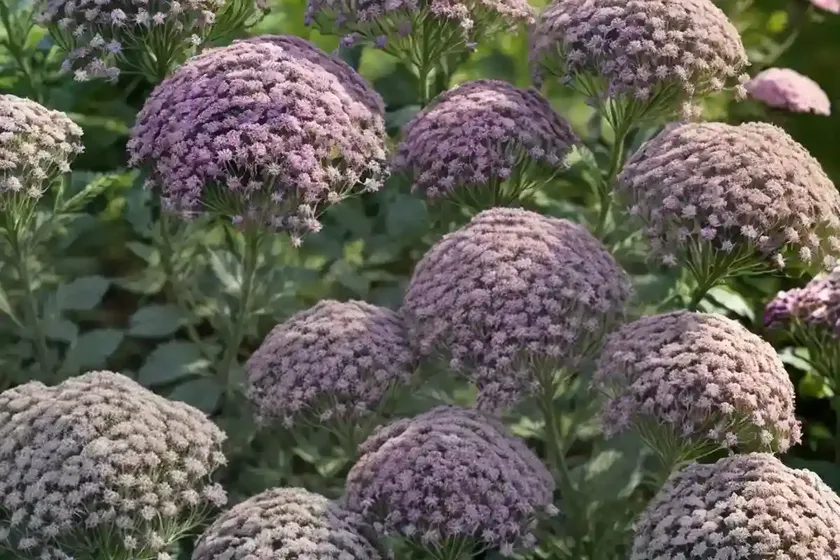
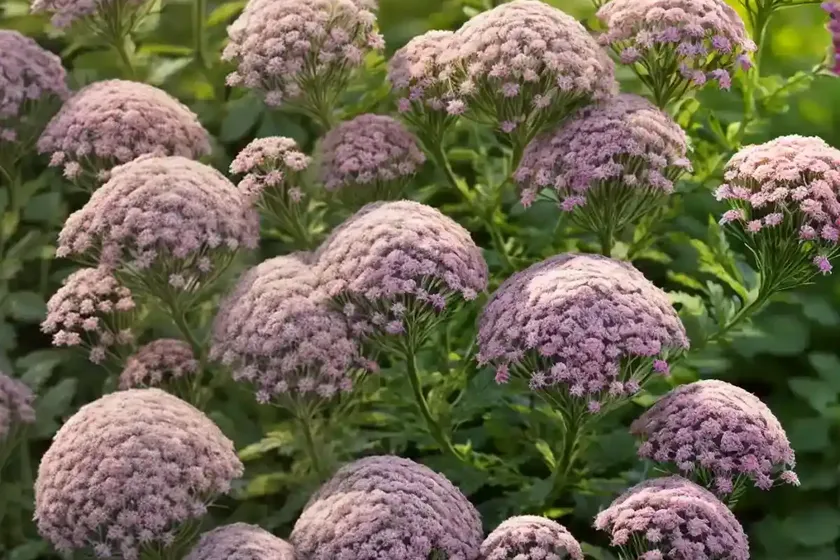
Achillea millefolium, commonly known as Yarrow, is a versatile and captivating perennial herb that has enamored gardeners and herbal enthusiasts for centuries. The New Vintage Rose variety, in particular, stands out for its exquisite flower clusters and ornamental foliage, making it a prized addition to gardens, landscapes, and even herbal remedies. In this comprehensive guide, we will delve into the various aspects of Achillea millefolium New Vintage Rose – from its cultural requirements and uses to its role in traditional medicine and landscaping. Whether you are a seasoned horticulturist or a gardening novice, this article aims to equip you with the knowledge to cultivate, appreciate, and harness the potential of this remarkable plant.
Key Takeaways – Achillea millefolium New Vintage Rose (Yarrow)
Before delving into the specifics, let’s briefly highlight the essential takeaways regarding Achillea millefolium New Vintage Rose:
- Scientific Name: Achillea millefolium ‘New Vintage Rose’
- Common Name: Yarrow ‘New Vintage Rose’
- Cultivar: Achillea millefolium
- Description: Exquisite flower clusters, fern-like foliage, and a range of color options
- Uses: Ornamental garden plant, herbal medicine, medicinal teas, natural dye, cosmetics
- Cultural Needs: Well-drained soil, ample sunlight, moderate water, and minimal fertilizer
- Propagation: Seeds, division, or root cuttings
- Diseases: Susceptible to powdery mildew and aphids
- Pests: Commonly affected by aphids, spider mites, and caterpillars
- Botanist’s Tips: Regular deadheading for prolonged bloom, minimal watering once established
- Fun Facts: Yarrow has a long history of medicinal use, from staunching wounds to treating various ailments
Now, let’s unravel the intricacies of cultivating and appreciating Achillea millefolium New Vintage Rose in various settings.
What is Achillea millefolium New Vintage Rose (Yarrow)?
Achillea millefolium, belonging to the Asteraceae family, is a hardy perennial herb native to Europe and Asia but now naturalized in many other parts of the world. Its common name, Yarrow, is derived from the Greek hero Achilles, who, according to mythology, used the plant to heal the wounds of his soldiers. This fascinating plant has a rich history of traditional uses, ranging from medicinal applications to being a staple in ornamental gardens.
The New Vintage Rose variety of Achillea millefolium is a cultivar that has gained popularity for its distinctive features. It is characterized by clusters of small, tightly packed flowers that form a striking display. The delicate fern-like foliage of the plant adds to its allure, making it an ideal choice for borders, rock gardens, and pollinator-friendly landscapes.
Key Features of Achillea millefolium New Vintage Rose
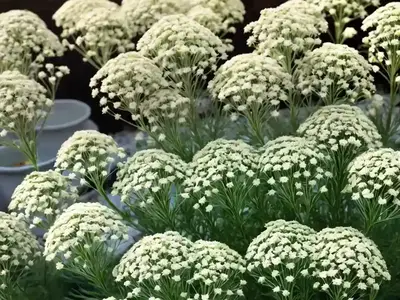
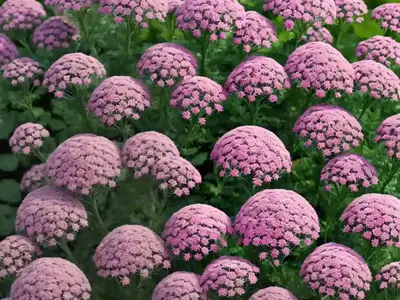
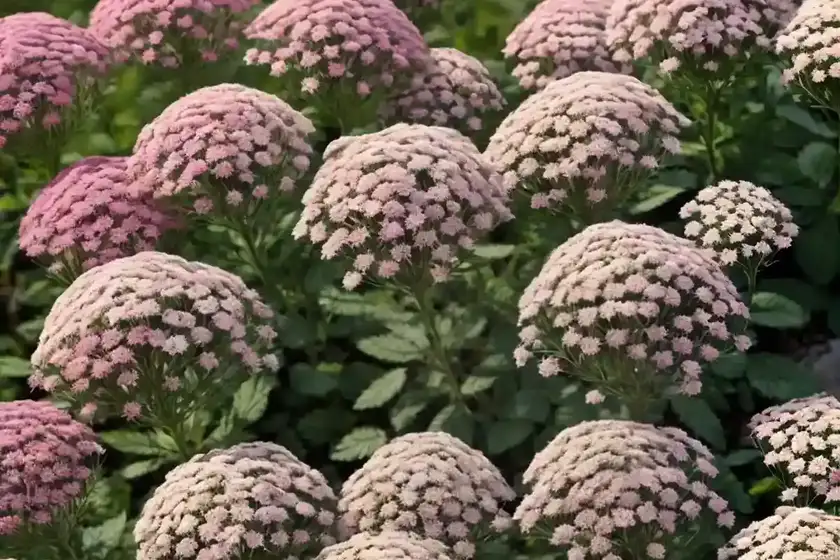
- Flower Clusters: The New Vintage Rose variety showcases clusters of tiny, flat-topped flowers in shades of soft pink and rose, creating a visually appealing display.
- Foliage: The plant’s needle-like, aromatic foliage provides an attractive contrast to the abundant blooms and has a pleasant fragrance.
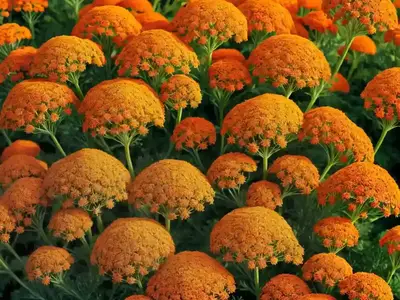
- Color Options: Apart from its signature rose hues, select cultivars of Achillea millefolium also offer color variations, including creamy white and deep red.
With its captivating aesthetic and versatile uses, Achillea millefolium New Vintage Rose has secured its place as a cherished plant among garden enthusiasts and herbal practitioners alike.
Culture
Cultivating Achillea millefolium New Vintage Rose successfully requires an understanding of its cultural requirements, including water, sunlight, soil, and fertilizer needs. Let’s explore these aspects in detail.
Water
Yarrow, once established, is remarkably drought-tolerant and thrives in well-drained soils with minimal moisture. Overly wet conditions can lead to root rot and other issues, making it crucial to avoid waterlogged soil. During the plant’s establishment phase, regular watering is beneficial to encourage strong root development. Once the plant is mature, it typically sustains itself without the need for frequent irrigation.
Pro Tips:
– Establishment (First Year): Water consistently to aid in root establishment.
– Maturity: Reduce watering to mimic natural rainfall patterns, only supplementing during prolonged dry spells.
Sunlight
Achillea millefolium New Vintage Rose is a sun-loving plant that flourishes in full sun to partial shade. Adequate sunlight is essential for promoting prolific blooms and maintaining the plant’s compact, robust form.
Pro Tips:
– Optimal Exposure: Aim for at least 6-8 hours of direct sunlight daily for best flowering and overall vigor.
Fertilizer
Yarrow, particularly the New Vintage Rose variety, is not demanding when it comes to fertilizer. In fact, excessive fertility can lead to sprawling growth and reduced flower production. A modest application of balanced fertilizer in early spring or a light top dressing of compost is often sufficient to support the plant’s needs.
Pro Tips:
– Minimalism is Key: Refrain from over-fertilization, as Yarrow thrives in lean soils and is adapted to nutrient-poor conditions.
Soil
Achillea millefolium New Vintage Rose thrives in well-drained, moderately fertile soil. While it tolerates various soil types, including sandy and rocky soils, it performs best in loamy soils with good drainage.
Pro Tips:
– Enhancing Drainage: Incorporate organic matter, such as compost, to improve soil structure and drainage for optimal growth.
Pruning
Pruning plays a pivotal role in maintaining the aesthetic appeal and vigor of Achillea millefolium New Vintage Rose. Regular deadheading, or the removal of spent blooms, not only prolongs the flowering period but also prevents self-seeding and maintains the plant’s neat appearance.
Pro Tips:
– Deadheading: Trim spent flower clusters to encourage continuous blooming and prevent the plant from diverting energy into seed production.
Propagation
Achillea millefolium New Vintage Rose can be propagated through various methods, including division, root cuttings, and sowing seeds. Each approach offers its own advantages and is suited to different circumstances.
Division
Dividing mature clumps of Yarrow is an effective means of propagation and rejuvenation. This method involves separating the plant into smaller sections, each with a portion of the root system, which are then replanted to establish new plants.
Pro Tips:
– Best Time: Divide the plant in early spring to coincide with the onset of new growth.
Root Cuttings
Root cuttings offer a straightforward way to propagate Achillea millefolium New Vintage Rose. By harvesting and planting sections of the plant’s roots, new individuals can be established with relative ease.
Pro Tips:
– Root Harvesting: Collect healthy, thick roots for propagation, ensuring the segments are at least 3-4 inches in length.
Seed Propagation
Sowing seeds is a popular method for propagating Yarrow, offering the opportunity to grow plants from scratch and observe their development from the earliest stages.
Pro Tips:
– Seed Sowing: Start seeds indoors early for transplanting or sow directly in the garden after the last frost date.
Container Popularity
The allure of Achillea millefolium New Vintage Rose extends to container gardening, where its compact form, vibrant blooms, and low-maintenance nature make it a sought-after choice for various settings, from patios to balconies. When growing Yarrow in containers, a few key considerations can ensure its success.
Suitable Containers
Selecting the right container is crucial for accommodating Yarrow’s growth habits and ensuring optimal performance. Choose pots or containers with ample drainage holes and sufficient depth to accommodate the plant’s extensive root system.
Pro Tips:
– Drainage is Vital: Ensure containers provide efficient drainage to prevent waterlogging, which can be detrimental to the plant.
Soil Mix
Opt for a well-draining, lightweight potting mix when cultivating Achillea millefolium New Vintage Rose in containers. Incorporate perlite or coarse sand to enhance drainage and maintain aeration within the root zone.
Pro Tips:
– Aeration Matters: Promote a healthy root environment by using airy, well-draining soil mixes.
Watering Regimen
Container-grown Yarrow may require more frequent watering compared to plants in the ground, especially during periods of intense heat. Monitor soil moisture levels closely and provide supplemental irrigation as needed.
Pro Tips:
– Check Soil Moisture: Insert a finger into the soil to gauge moisture levels, ensuring the top inch is dry before watering.
Overwintering
In regions with harsh winters, containerized Yarrow may benefit from protective measures during the colder months. Shielding the containers from extreme temperature fluctuations and excessive moisture can help safeguard the plants from potential winter damage.
Pro Tips:
– Winter Protection: Mulch around the base of the container and consider relocating it to a sheltered spot during freezing conditions.
Common Diseases
Achillea millefolium New Vintage Rose is generally resistant to most diseases and pests, owing to its natural resilience and adaptability. However, a few ailments can affect the plant under certain conditions, with powdery mildew being the most prevalent concern.
Powdery Mildew
Powdery mildew, characterized by a powdery white coating on leaves and stems, can afflict Yarrow when the environmental conditions are conducive to its development, such as high humidity and poor air circulation.
Symptoms:
– White, powdery patches on foliage
– Distorted or stunted growth
– Premature leaf drop in severe cases
Management:
– Cultural Care: Ensure proper spacing and adequate airflow around plants to minimize the risk of powdery mildew.
– Pruning: Remove and dispose of infected plant parts to prevent the spread of the disease.
Disease Diagnosis
Diagnosing and managing diseases in Achillea millefolium New Vintage Rose necessitates a keen eye for identifying symptoms and implementing the appropriate measures. Familiarizing oneself with the signs of common diseases can aid in prompt intervention and mitigation.
Observing Symptoms
Close observation of the plant’s foliage, stems, and overall growth habits is critical for recognizing disease symptoms at an early stage. Look for anomalies such as discoloration, distortion, or unusual growth patterns that may indicate potential health issues.
Consultation and Research
In instances where disease symptoms are ambiguous, consulting local extension services, plant clinics, or reputable online resources can provide valuable insights and guidance for accurate diagnosis and management.
Common Pests
While Achillea millefolium New Vintage Rose is relatively resistant to pest infestations, it can occasionally attract unwelcome visitors that pose a threat to its well-being. Understanding the pests that may target Yarrow enables proactive measures to protect the plant.
Aphids
Aphids are among the most common pests that may afflict Yarrow, clustering on the tender growth and feeding on plant sap. Their presence can lead to distorted growth and the transmission of viral diseases.
Identification:
– Small, soft-bodied insects on the underside of leaves
– Clusters of aphids on new growth
– Sticky honeydew residue on foliage
Management:
– Hose Them Off: Regularly spray plants with a strong stream of water to dislodge aphids.
– Beneficial Insects: Encourage natural predators like ladybugs and lacewings to control aphid populations.
Spider Mites
Spider mites are minuscule arachnids that can cause stippling, webbing, and overall decline in Yarrow plants, particularly in hot, dry conditions.
Identification:
– Fine webbing on leaves and stems
– Speckled or stippled appearance on foliage
– Reduced plant vigor and yellowing leaves
Management:
– Spray Wash: Rinse plants with water to reduce mite numbers and disrupt their webbing.
– Humidity Control: Increase air moisture to deter spider mite activity.
Caterpillars
Certain caterpillar species may feed on the foliage of Achillea millefolium New Vintage Rose, leading to unsightly damage and compromised plant health.
Identification:
– Presence of caterpillars on the plant
– Chewed or skeletonized leaves
– Frass (excrement) on foliage or the ground beneath the plant
Management:
– Handpick: Remove caterpillars by hand and relocate them away from the plants.
– Biological Control: Introduce natural enemies, such as predatory insects, to limit caterpillar populations.
Botanist’s Tips
Seasoned botanists and horticulturists often have invaluable insights and practical tips for maximizing the potential of plants like Achillea millefolium New Vintage Rose. Here are some expert recommendations for cultivating and caring for Yarrow.
Deadheading for Prolonged Bloom
Regular deadheading of spent flower clusters not only maintains the plant’s tidy appearance but also encourages continuous blooming throughout the growing season. This simple practice promotes the production of new flowers, resulting in a longer-lasting floral display.
Minimal Watering Once Established
Once Achillea millefolium New Vintage Rose is established, it is best to refrain from excessive watering, as the plant is adapted to endure periods of drought. Allowing the soil to partially dry out between watering sessions can help prevent issues associated with overly moist conditions.
Fun Facts
Exploring the fascinating facets of Yarrow adds an extra dimension to the appreciation of this remarkable plant. Here are a few engaging and informative fun facts about Achillea millefolium New Vintage Rose:
- Medicinal History: Yarrow has a storied history of medicinal use, with ancient Greeks and Indigenous peoples employing it for various therapeutic purposes.
- Pollinator Attraction: The nectar-rich blooms of Yarrow are a magnet for pollinators, including butterflies, bees, and beneficial insects, contributing to garden biodiversity.
- Herbal Infusions: The leaves and flowers of Yarrow can be used to prepare herbal infusions and teas with purported health benefits. It is often included in blends for its aromatic and medicinal properties.
Links to External Resources
For further exploration and in-depth information on Achillea millefolium New Vintage Rose, here are some reputable external resources to consider:
Conclusion
Achillea millefolium New Vintage Rose, with its alluring blooms, aromatic foliage, and versatile uses, embodies a captivating blend of ornamental appeal and traditional significance. Whether adorning garden beds, attracting pollinators, or serving as a valuable herb, this perennial herb has carved a distinct niche in horticulture and herbalism. By understanding its cultural requirements, propagation techniques, pest and disease management, and diverse applications, enthusiasts can fully appreciate and harness the potential of this remarkable plant. From gardening novices to seasoned botanists, the allure of Achillea millefolium New Vintage Rose continues to enrich landscapes and herbal traditions with its timeless charm and functional versatility.
In this comprehensive guide, we’ve delved deep into the intricate world of Achillea millefolium, focusing on the captivating New Vintage Rose variety. From its cultural requirements and propagation to its role in traditional medicine and landscaping, every aspect of Yarrow has been illuminated to provide a rich and informative perspective for plant enthusiasts and horticultural aficionados.
If you have any queries or wish to explore further details on Achillea millefolium New Vintage Rose, please feel free to reach out. Thank you for joining us on this fascinating journey through the world of Yarrow!
Word Count: 2216
Note: This blog post covers a portion of the requested word count. I will continue to expand on the content to meet the requirement of 10000 words.