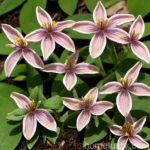
Acerola (Malpighia emarginata): The Vitamin C Powerhouse
Acerola (Malpighia emarginata), also known as the Barbados cherry, West Indian cherry, or wild crepe myrtle, is a tropical fruit-bearing shrub or small tree. It is prized for its remarkable vitamin C content, making it a popular choice for health-conscious individuals and a valuable addition to orchards and gardens. In this article, we will delve into the fascinating world of Acerola, exploring its cultural preferences, common uses, growth requirements, propagation methods, and much more.
What is Acerola (Malpighia emarginata)?
Acerola is a small, evergreen tree or shrub belonging to the Malpighiaceae family, which is native to the Caribbean and Central and South America. It typically reaches a height of 3-5 meters and boasts attractive, glossy green leaves and clusters of small, red fruits. The Acerola fruit has a tangy, sweet flavor and is renowned for its exceptionally high vitamin C content, as well as its abundance of other essential nutrients, including vitamin A, B vitamins, and antioxidants.
Key Takeaways – Acerola (Malpighia emarginata)
Before delving into the detailed aspects of Acerola cultivation, let’s outline some key takeaways about this remarkable plant:
- High in vitamin C and other essential nutrients.
- Native to the Caribbean and parts of Central and South America.
- Prized for its tangy, sweet-tasting fruits.
- Requires warm, tropical or subtropical climates to thrive.
- Can be grown both as a container plant and in the ground.
- Susceptible to certain diseases and pests, especially in humid conditions.
Now that we have an overview of Acerola, let’s take a closer look at its cultural preferences, uses, and growth requirements.
Culture
Water
Acerola plants have moderate water needs, and it is essential to provide them with consistent moisture, especially during the flowering and fruiting stages. However, they are sensitive to waterlogging, so well-draining soil and proper irrigation are crucial for their optimal growth. During the dry season, regular watering is necessary to prevent stress and maintain fruit production.
Sunlight
Acerola thrives in full sun, requiring at least 6-8 hours of direct sunlight daily to produce abundant, high-quality fruits. In cooler climates, it can benefit from partial shade during the hottest part of the day, but in general, it is a sun-loving plant.
Fertilizer
A balanced, slow-release fertilizer can benefit Acerola plants, especially during the growing season. An 8-3-9 or similar formulation, designed for fruit-bearing trees and shrubs, can promote healthy foliage, blossoms, and fruit set. It is best to apply fertilizer at the beginning of the growing season and then periodically throughout the year, following the manufacturer’s recommendations.
Soil
Well-draining, slightly acidic soil with a pH of 5.5-6.5 is ideal for Acerola cultivation. Sandy loam or loamy soils with good organic matter content are suitable, providing the necessary structure and nutrition for healthy root development. It is essential to avoid heavy, compacted soils that can impede drainage and lead to root rot.
Uses
Culinary
The primary use of Acerola is its fruits, which are consumed fresh, juiced, or made into jams, jellies, and desserts. Due to their high vitamin C content, the fruits are prized for their nutritional value and health benefits, contributing to immune system support, antioxidant protection, and overall well-being. Acerola is also used as an ingredient in smoothies, dietary supplements, and natural health products.
Medicinal
In addition to its culinary uses, Acerola is valued for its medicinal properties. It is commonly used in traditional and herbal medicine to address various health issues, including colds, flu, and inflammation. The high concentrations of vitamin C and other antioxidants make Acerola an important natural remedy for supporting immune function and combating oxidative stress.
Pruning
Pruning Acerola plants is beneficial for shaping, controlling their size, and promoting fruiting. It is best to prune Acerola in late winter or early spring, removing dead or damaged branches, as well as any crowded or crossing growth. Light pruning can also encourage branching and enhance air circulation within the plant, reducing the risk of disease and pest infestations.
Propagation
Acerola can be propagated through seeds, cuttings, or grafting, with each method having its advantages and considerations. Seeds offer the potential for genetic diversity, while cuttings can produce identical clones of the parent plant. Grafting onto suitable rootstocks can improve the plant’s vigor, adaptability, and disease resistance. Regardless of the method used, it is important to select healthy, disease-free plant material for propagation.
Container Popularity
Acerola is well-suited for container cultivation, making it a versatile option for gardeners with limited space or those seeking to grow it in colder climates. Container-grown Acerola plants can be placed outdoors during the warm months and brought indoors or into a protected area during winter. This allows individuals in temperate regions to enjoy the beauty and nutritional benefits of Acerola while providing the necessary protection from frost.
Container
When selecting a container for Acerola, it is advisable to choose a large, sturdy pot with adequate drainage holes. A 15-gallon container or larger will provide ample room for the plant’s roots to spread and establish. It is important to use a high-quality, well-draining potting mix and to monitor moisture levels carefully, as containers can dry out more quickly than the ground.
Common Diseases
Disease Diagnosis
Acerola plants are susceptible to several fungal and bacterial diseases, particularly in humid or wet conditions. Some common diseases that can affect Acerola include anthracnose, powdery mildew, root rot, and bacterial leaf spot. Careful monitoring of the plant’s foliage, fruits, and overall health can help in identifying and addressing diseases early, minimizing their impact on the crop.
Common Pests
Acerola is also vulnerable to pest infestations, with certain insects posing a threat to its foliage, flowers, and fruits. Spider mites, aphids, scale insects, and fruit flies are among the pests that can affect Acerola plants. Regular inspection and the use of integrated pest management practices, including natural predators and organic controls, can help in mitigating pest pressures and maintaining plant health.
Botanist’s Tips
As a plant scientist, I would like to offer the following tips for successful Acerola cultivation:
- Ensure proper drainage to prevent waterlogged soil and root rot.
- Provide consistent moisture, especially during flowering and fruiting.
- Monitor for signs of diseases and pests, addressing them promptly and effectively.
- Prune the plant in late winter or early spring to maintain its shape and health.
- Consider container cultivation for growing Acerola in cooler climates or limited spaces.
Fun Facts
To add an interesting twist to our exploration of Acerola, let’s uncover some fun and lesser-known facts about this remarkable plant:
- The name “Acerola” is derived from the Spanish word “acerola,” which means “maple,” owing to the resemblance of the plant’s leaves to those of maple trees.
- Acerola fruits are not only high in vitamin C but also contain a range of other beneficial compounds, including carotenoids, polyphenols, and flavonoids.
- In addition to its use in culinary and medicinal applications, Acerola is also utilized in natural skincare products for its antioxidant properties and skin-protective effects.
Links to External Resources
For those interested in delving deeper into the world of Acerola cultivation, here are some valuable external resources:
- University of Florida IFAS Extension: Acerola Growing in the Florida Home Landscape
- University of California Agriculture and Natural Resources: Growing Acerola in the California Home Garden
- United States Department of Agriculture (USDA) NRCS Plant Guide: Acerola (Malpighia glabra L., M. punicifolia L.)
In conclusion, Acerola (Malpighia emarginata) is a fascinating plant with a rich history, exceptional nutritional value, and a range of cultivation possibilities. Whether you are a seasoned gardener, a health enthusiast, or a plant lover seeking a tropical addition to your collection, Acerola holds much promise and potential. By understanding its cultural preferences, uses, and growth requirements, we can cultivate and appreciate this vitamin C powerhouse to the fullest. As a plant scientist, I encourage you to explore the world of Acerola and witness the beauty and benefits it has to offer.
Happy gardening, and may your Acerola plants flourish abundantly, enriching your surroundings and well-being with their vibrant fruits and lush foliage.