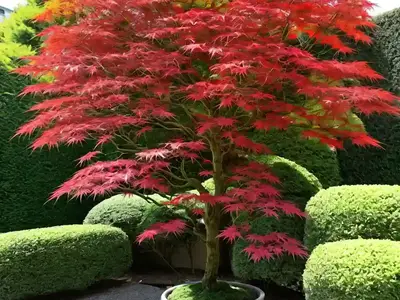
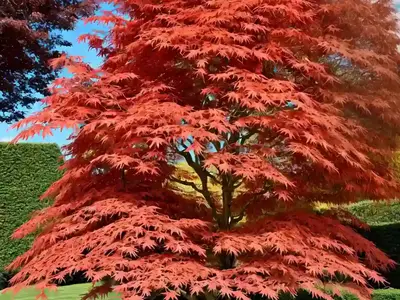
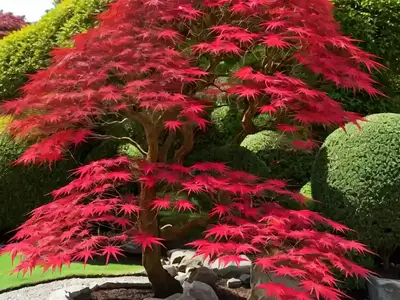
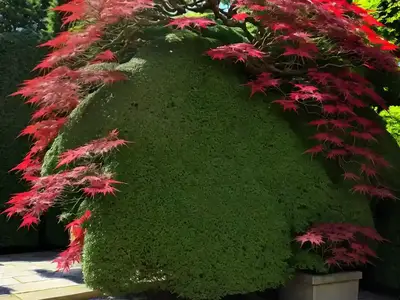
Acer Palmatum ‘Dissectum Atropurpureum’ (Laceleaf Japanese Maple)
What is Acer palmatum ‘Dissectum Atropurpureum’? Acer palmatum ‘Dissectum Atropurpureum’, commonly known as Laceleaf Japanese Maple, is a stunning and.

What is Acer palmatum ‘Dissectum Atropurpureum’?
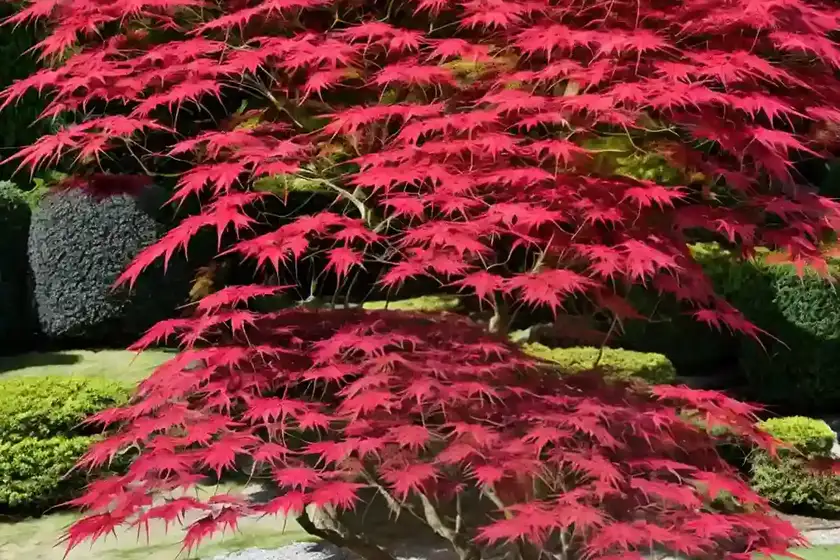
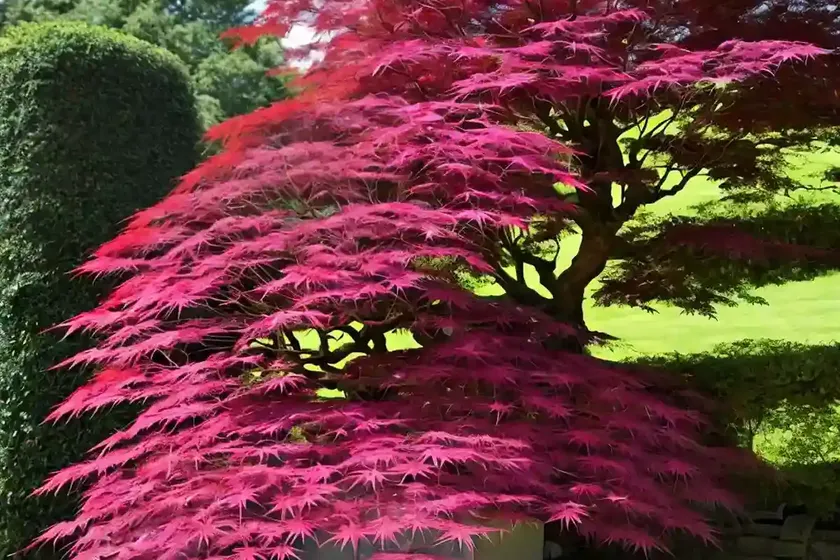
Acer palmatum ‘Dissectum Atropurpureum’, commonly known as Laceleaf Japanese Maple, is a stunning and highly sought-after ornamental plant known for its delicate, lacy foliage and graceful, cascading form. This cultivar is a member of the Aceraceae family and is native to Japan, Korea, and China. The Laceleaf Japanese Maple is a refined and elegant ornamental tree that adds a touch of sophistication and beauty to any landscape.
With its exceptional foliage and distinct growth habit, Acer palmatum ‘Dissectum Atropurpureum’ has garnered praise from horticulturists, gardeners, and landscape enthusiasts around the world. Its unique characteristics, along with its diversified uses and care requirements, make it an intriguing subject for plant enthusiasts and horticulturalists alike.
In this comprehensive guide, we will delve into the various aspects of Acer palmatum ‘Dissectum Atropurpureum’, encompassing its cultural significance, uses, care guidelines, common diseases, and more. By the end of this article, you will gain a profound understanding of this exquisite Japanese maple cultivar, equipping you with the knowledge to cultivate and appreciate its refined beauty.
Key Takeaways – Acer palmatum ‘Dissectum Atropurpureum’
Before delving into the various aspects of Laceleaf Japanese Maple, let’s briefly explore the key takeaways associated with Acer palmatum ‘Dissectum Atropurpureum’:
-
Plant Name
Acer palmatum ‘Dissectum Atropurpureum’ (Laceleaf Japanese Maple)
-
Cultivar
Acer palmatum ‘Dissectum Atropurpureum’ is a cultivated variety of Acer palmatum, renowned for its finely dissected foliage, vibrant purple-red color, and graceful weeping habit.
-
Common Names
Laceleaf Japanese Maple, Red Laceleaf Japanese Maple
-
Features
This cultivar is characterized by its deeply lobed, finely dissected leaves, vibrant red or purple foliage, and cascading growth habit, making it a striking addition to gardens and landscapes.
-
Ornamental Value
Acer palmatum ‘Dissectum Atropurpureum’ is prized for its ornamental appeal, offering year-round visual interest with its stunning foliage, spring flowers, and fall color display.
-
Landscape Use
It serves as an elegant focal point in gardens, as well as a versatile plant for borders, containers, and Japanese-inspired landscapes.
Culture
Acer palmatum ‘Dissectum Atropurpureum’ is revered for its unique cultural significance, encompassing its historical and horticultural importance. This section will provide an in-depth exploration of the cultural aspects associated with this distinguished cultivar.
Historical Significance
The Acer palmatum species, including its various cultivars, holds significant cultural and historical value, particularly in the context of Japanese horticulture and traditional landscapes. Japanese Maple trees have been revered for centuries in Japan, where they are deeply woven into the cultural tapestry and valued for their symbolic and aesthetic qualities.
The species Acer palmatum, from which ‘Dissectum Atropurpureum’ is derived, has traditionally been revered in Japanese gardens and is often featured in bonsai cultivation. The delicate leaves and elegant form of Japanese maples have been a source of inspiration for artists, poets, and gardeners, influencing the design of serene and contemplative landscapes.
Horticultural Importance
Acer palmatum ‘Dissectum Atropurpureum’ has become a beloved icon in horticulture, captivating enthusiasts with its distinctive foliage and graceful form. The cultivar’s enduring popularity is a testament to its enduring appeal and role in defining the aesthetic character of gardens and landscapes.
The Laceleaf Japanese Maple is cherished for its versatility in various garden styles, from traditional Japanese gardens to modern landscapes. Its refined beauty and seasonal transformations make it a cherished addition to residential gardens, public parks, and botanical gardens worldwide.
Uses
The Acer palmatum ‘Dissectum Atropurpureum’ offers a myriad of uses, ranging from ornamental and landscape applications to cultural and symbolic contexts. Understanding the diverse uses of this cultivar is crucial in fully appreciating its significance and potential contributions to a wide array of environments.
Ornamental Value
As an ornamental plant, Acer palmatum ‘Dissectum Atropurpureum’ stands out for its exceptional beauty and distinct visual appeal. The cultivar’s finely dissected leaves create a delicate and intricate foliage display, particularly when backlit by the sun or gently rustled by the wind. The vibrant purple-red foliage of ‘Dissectum Atropurpureum’ lends an element of drama and elegance to landscapes, making it a favored choice for adding color and texture to garden compositions.
Focal Point in Gardens
Laceleaf Japanese Maple serves as an enchanting focal point in gardens and landscapes, drawing attention with its gracefully cascading branches and refined foliage. Whether planted as a standalone specimen or incorporated into mixed borders, the distinct form and stunning coloration of ‘Dissectum Atropurpureum’ make it an eye-catching centerpiece that adds a sense of tranquility and sophistication to outdoor spaces.
Japanese-inspired Landscapes
With its cultural origins deeply rooted in Japan, the Acer palmatum species, including ‘Dissectum Atropurpureum’, is a quintessential component of Japanese-inspired gardens. The cultivar’s form, color, and seasonal changes harmonize with the principles of Japanese garden design, where each element is carefully selected to evoke a sense of harmony, balance, and natural beauty.
Bonsai Artistry
The intricate foliage and graceful growth habit of ‘Dissectum Atropurpureum’ make it a prized subject for bonsai enthusiasts and practitioners. The cultivar lends itself to bonsai cultivation, providing an opportunity for the miniature representation of a mature Laceleaf Japanese Maple, showcasing its beauty on a smaller scale while embodying the essence of nature in a confined space.
Symbolism
In the context of symbolism, Japanese Maple trees, including Acer palmatum ‘Dissectum Atropurpureum’, are often associated with themes of grace, beauty, and contemplation. Their elegant presence and seasonal transformations symbolize the transient beauty of life and the embracing of change, reflecting the philosophy of wabi-sabi, an aesthetic principle celebrating impermanence and imperfection.
Water
Proper watering is crucial for the health and vitality of Acer palmatum ‘Dissectum Atropurpureum’. Understanding the water requirements of this cultivar is essential in maintaining optimal growing conditions and preventing stress-related issues.
Water Needs
Laceleaf Japanese Maples, including ‘Dissectum Atropurpureum’, generally prefer consistently moist, well-drained soil to thrive. While they are sensitive to waterlogged conditions, they also display signs of stress when subjected to prolonged periods of dryness. Therefore, it is important to strike a balance in watering, ensuring adequate moisture without creating waterlogged or overly dry conditions.
Watering Guidelines
-
Established Plants: Established Laceleaf Japanese Maples benefit from regular, deep watering during the growing season, especially during periods of heat and drought. Apply water at the base of the plant, allowing it to penetrate the root zone deeply.
-
Young Plants: Newly planted or young Acer palmatum ‘Dissectum Atropurpureum’ specimens require close attention to watering, as their developing root systems are particularly susceptible to fluctuations in moisture levels. Keep the soil consistently moist, but not waterlogged, during the establishment phase.
-
Avoid Overhead Irrigation: Minimize overhead watering, as wet foliage can increase the risk of foliar diseases and fungal issues. Directing water to the root zone through drip irrigation or soaker hoses is preferred to maintain the plant’s overall health.
-
Mulching: Applying a layer of organic mulch around the base of the tree helps conserve soil moisture, regulate soil temperature, and reduce evaporation. Mulching also contributes to the overall health of the tree and promotes a stable moisture environment around the root zone.
Recognizing Water Stress
Understanding the signs of water stress in Acer palmatum ‘Dissectum Atropurpureum’ is crucial in addressing any issues related to inadequate or excessive watering. Common indicators of water stress in Laceleaf Japanese Maple include:
-
Wilting: The leaves may appear soft, droopy, or wilted, indicating a lack of moisture.
-
Leaf Scorch: When subjected to prolonged dry conditions or intense sunlight, the leaf margins of ‘Dissectum Atropurpureum’ may exhibit browning or crisping, known as leaf scorch.
-
Premature Leaf Drop: In response to water stress, the tree may shed its foliage prematurely, compromising its overall health and vitality.
-
Stunted Growth: Insufficient water supply can impede the growth and development of Laceleaf Japanese Maple, resulting in reduced vigor and potential long-term health issues.
Watering Considerations
Understanding the specific water needs of Acer palmatum ‘Dissectum Atropurpureum’ in its growing environment is paramount in providing optimal care. By tailoring watering practices to its requirements, you can ensure the sustained health and vitality of this exquisite cultivar, allowing it to thrive and flourish within its designated landscape.
Sunlight
The sunlight requirements of Acer palmatum ‘Dissectum Atropurpureum’ play a pivotal role in shaping its growth, foliage coloration, and overall vigor. The following section explores the sunlight preferences of this cultivar and provides essential guidelines for ensuring its well-being in varying light conditions.
Sunlight Preferences
Laceleaf Japanese Maples, including ‘Dissectum Atropurpureum’, thrive in locations with filtered sunlight or partial shade, particularly in regions with warm or hot climates. While the cultivar benefits from exposure to gentle morning sunlight and dappled shade throughout the day, it is sensitive to intense, prolonged sun exposure, which can lead to leaf burn, reduced foliage quality, and stress.
Ideal Growing Conditions
-
Morning Sun: Providing Acer palmatum ‘Dissectum Atropurpureum’ with morning sun exposure is beneficial, as it promotes the development of vibrant foliage while minimizing the risk of sun-related damage. Morning sunlight helps elicit the cultivar’s desired leaf coloration and benefits its overall growth.
-
Afternoon Shade: Shielding the tree from intense afternoon sun is essential in preventing leaf scorch and maintaining the health of the foliage. In warm climates, providing dappled shade or partial shade during the hottest part of the day helps mitigate the potential effects of excessive sun exposure.
-
Filtered Light: Ideal growing conditions for ‘Dissectum Atropurpureum’ involve exposure to filtered light, where the tree receives gentle, diffused sunlight that creates a favorable environment for its foliage and growth.
Sunlight Considerations
Understanding the specific sunlight preferences and tolerances of Acer palmatum ‘Dissectum Atropurpureum’ is crucial for creating an optimal growing environment. By providing the cultivar with the right balance of sunlight and shade, you can ensure its sustained health, vibrant foliage, and overall ornamental appeal.
Fertilizer
Proper fertilization is a key aspect of maintaining the health and vitality of Acer palmatum ‘Dissectum Atropurpureum’. In this section, we will delve into the fertilization requirements of the Laceleaf Japanese Maple, offering guidelines for promoting robust growth, vibrant foliage, and overall well-being.
Fertilizer Needs
The nutrient requirements of Acer palmatum ‘Dissectum Atropurpureum’ can be met through the application of a balanced, slow-release fertilizer designed for acid-loving plants. By supplying essential macro and micronutrients, the fertilizer supports the cultivar’s growth, foliage development, and overall vigor.
Fertilization Schedule
-
Early Spring: Apply a granular, slow-release, balanced fertilizer with an NPK ratio specifically formulated for acid-loving plants. Scatter the fertilizer evenly around the root zone, following the manufacturer’s recommendations for dosage.
-
Mid to Late Spring: Supplement the initial fertilization with a liquid or water-soluble fertilizer to provide an additional nutrient boost during the active growing season. Dilute the fertilizer according to the instructions and apply it around the base of the tree.
-
Avoid Excessive Fertilization: While providing essential nutrients is vital, it is important to avoid overfertilization, as excessive amounts of fertilizer can lead to salt buildup, root burn, and imbalances in soil pH, potentially compromising the health of ‘Dissectum Atropurpureum’.
Organic Fertilizer Options
For gardeners preferring organic fertilization methods, natural alternatives such as well-aged compost, composted manure, or organic granular fertilizers can be used to meet the nutrient requirements of Acer palmatum ‘Dissectum Atropurpureum’. These organic amendments contribute to soil health, microbial activity, and long-term fertility, enhancing the overall growing environment for the Laceleaf Japanese Maple.
Fertilizer Considerations
Understanding the timing, dosage, and types of fertilizers suitable for Acer palmatum ‘Dissectum Atropurpureum’ is essential in promoting its sustained health and ornamental value. By incorporating appropriate fertilization practices into the care regimen, you can support the cultivar’s growth, foliage quality, and overall resilience within the landscape.
Soil
The soil requirements of Acer palmatum ‘Dissectum Atropurpureum’ significantly influence its growth, health, and long-term well-being. This section delves into the ideal soil conditions for the cultivar, offering insights into soil composition, structure, and amendments that contribute to its optimal development.
Soil Composition
Laceleaf Japanese Maples, including ‘Dissectum Atropurpureum’, thrive in well-drained, humus-rich soils with a slightly acidic to neutral pH range. The ideal soil composition for the cultivar is characterized by good aeration, moisture retention, and nutrient availability, fostering favorable conditions for root development and overall growth.
Organic Matter
Incorporating organic matter into the soil is beneficial for Acer palmatum ‘Dissectum Atropurpureum’, as it enhances soil fertility, improves structure, and provides a steady supply of nutrients. Organic amendments such as compost, well-rotted leaf mold, or aged pine bark fines contribute to the long-term health and vitality of the Laceleaf Japanese Maple.
Soil Structure
Well-drained soil with a loose, friable structure promotes healthy root development and reduces the risk of waterlogged conditions, which can be detrimental to the cultivar. Ensuring good soil structure allows for the efficient exchange of gases, water, and nutrients within the root zone, sustaining the overall health of ‘Dissectum Atropurpureum’.
Soil pH Modulation
Maintaining a slightly acidic to neutral soil pH is essential for Acer palmatum ‘Dissectum Atropurpureum’, as it facilitates nutrient uptake and supports the plant’s physiological processes. Soil pH testing and modification, if necessary, can help create an optimal growing environment tailored to the specific needs of the cultivar.
Soil Considerations
Understanding the significance of soil composition, structure, and pH in relation to Acer palmatum ‘Dissectum Atropurpureum’ is vital for providing the ideal growing conditions for the cultivar. By tailoring the soil environment to its requirements, gardeners can ensure the sustained vigor, foliage quality, and overall health of the Laceleaf Japanese Maple.
Pruning
Pruning plays a pivotal role in maintaining the form, health, and aesthetic appeal of Acer palmatum ‘Dissectum Atropurpureum’. This section explores the significance of pruning in the care of the cultivar, offering insights into pruning techniques, timing, and considerations for optimal results.
Pruning Objectives
When pruning ‘Dissectum Atropurpureum’, the primary objectives include:
-
Maintaining Form: Pruning helps preserve the natural, cascading form of the cultivar, promoting an aesthetically pleasing silhouette and graceful branching structure.
-
Enhancing Air Circulation: Thinning out crowded or crossing branches improves air circulation and light penetration within the canopy, reducing the risk of foliar diseases and promoting overall health.
-
Removing Dead or Diseased Wood: Regular pruning allows for the removal of dead, damaged, or diseased branches, preemptively addressing potential issues and maintaining the tree’s vitality.
-
Size Control: Controlled pruning helps manage the size and density of Acer palmatum ‘Dissectum Atropurpureum’, preventing overcrowding and ensuring a balanced growth habit.
Pruning Guidelines
-
Timing: The optimal time for pruning Laceleaf Japanese Maple is during the dormant season in late winter to early spring, prior to the emergence of new growth. Avoid pruning during periods of active growth or when the tree is susceptible to stress.
-
Pruning Techniques: Use sharp, clean pruning tools to make precise cuts, avoiding jagged or torn bark. When pruning, focus on selective branch removal, shaping, and thinning to achieve the desired form and structure.
-
Sanitization: Sterilize pruning tools before and after use to prevent the spread of diseases between cuts, promoting the overall health of Acer palmatum ‘Dissectum Atropurpureum’.
-
Pruning Constraints: While ‘Dissectum Atropurpureum’ benefits from regular maintenance pruning, it is important to avoid excessive or drastic pruning, which can affect the tree’s natural grace and contribute to stress.
Pruning Considerations
Understanding the principles of pruning Acer palmatum ‘Dissectum Atropurpureum’ is essential in maintaining its health, form, and aesthetic appeal. By adhering to proper pruning practices and respecting the tree’s inherent growth habit, gardeners can nurture the cultivar’s long-term vitality and ornamental value.
Propagation
The propagation of Acer palmatum ‘Dissectum Atropurpureum’ offers an opportunity to expand its presence in gardens and landscapes, enabling horticulturists and enthusiasts to propagate new specimens and preserve the unique characteristics of this esteemed cultivar.
Propagation Methods
1. Air Layering: Air layering is a reliable propagation method for Acer palmatum ‘Dissectum Atropurpureum’, allowing for the production of rooted cuttings without severing them from the parent plant until they have developed their own root system.
2. Softwood Cuttings: Taking softwood cuttings in late spring or early summer provides a feasible method for propagating ‘Dissectum Atropurpureum’, utilizing young, healthy shoots to generate new plants with similar characteristics to the parent tree.
3. Grafting: Grafting onto compatible rootstock is a common propagation technique for Japanese Maple cultivars, offering a method for producing genetically identical copies of ‘Dissectum Atropurpureum’ while ensuring strong, well-established root systems.
4. Layering: Encouraging low-hanging branches to root while still attached to the parent plant through layering is a natural propagation method that can be employed to facilitate the growth of new Acer palmatum ‘Dissectum Atropurpureum’ specimens.
Propagation Considerations
By exploring diverse propagation methods, horticulturists and plant enthusiasts can expand the presence of Acer palmatum ‘Dissectum Atropurpureum’, preserving its distinctive qualities and promoting its continued appreciation within the horticultural community.
Container Popularity
Acer palmatum ‘Dissectum Atropurpureum’ is a sought-after cultivar for container gardening, offering an ideal focal point for patios