Acacia Tree (Acacia)
As a plant scientist, I am thrilled to delve into the fascinating world of Acacia trees. In this comprehensive guide, we’ll explore the cultural.



As a plant scientist, I am thrilled to delve into the fascinating world of Acacia trees. In this comprehensive guide, we’ll explore the cultural significance, uses, care requirements, diseases, and much more related to the magnificent Acacia tree. Let’s embark on this botanical journey to unlock the secrets of the Acacia tree.
What is the Acacia Tree?
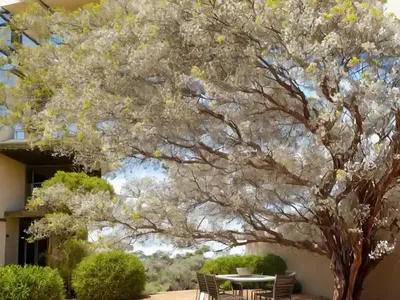
The Acacia tree, belonging to the genus “Acacia,” is a diverse and extensive group of trees and shrubs known for their unique characteristics and wide-ranging uses. Acacia trees are native to various regions, including Africa, Australia, and parts of the Americas. With over 1,000 different species, Acacias display remarkable diversity in terms of size, shape, and ecological adaptations.
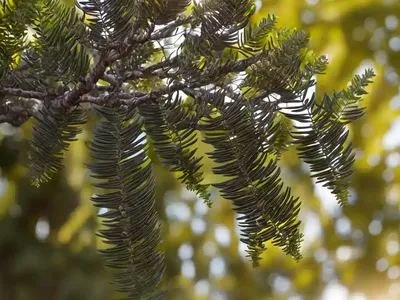
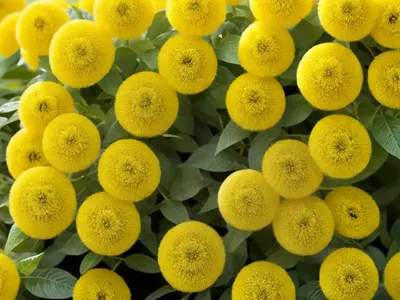
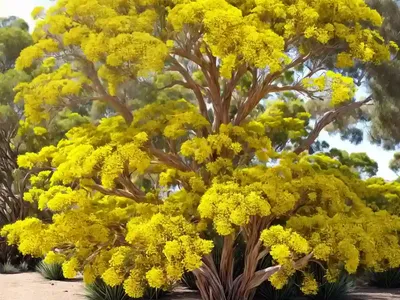
One of the most prominent features of Acacia trees is their distinctive, often feathery, and pinnate leaves, along with clusters of vibrant flowers. The wood of Acacia trees is valued for its strength and durability, making it sought after for various applications. Furthermore, Acacias have cultural, ecological, and medicinal significance in different communities around the world.
If you’re fascinated by unique and resilient trees, the Acacia tree is a captivating subject that offers a wealth of knowledge and insight into the natural world. Now, let’s dive into the key aspects of the Acacia tree, ranging from its cultural significance to its care requirements and ecological role.
Key Takeaways – Acacia Tree (Acacia)
Culture
Acacia trees hold immense cultural significance in various regions, often symbolizing strength, resilience, and endurance. They feature prominently in folklore, mythology, and traditional practices. Understanding the cultural context adds depth to the appreciation of these remarkable trees.
-
Symbolism in Mythology: In many cultures, Acacia trees are symbolically linked to concepts such as immortality, purity, and renewal. For instance, ancient Egyptians associated the Acacia tree with the afterlife, using its wood in the construction of coffins and as offerings to gods.
-
Cultural Significance: Acacia trees often hold deep cultural significance in indigenous communities, representing connections to nature, survival, and community cohesion. The symbolism and uses of Acacia trees vary widely across different societies and traditions.
Uses
Acacia trees serve a multitude of purposes, ranging from providing valuable timber and shelter to offering medicinal properties and supporting biodiversity. Understanding the diverse uses of Acacia trees highlights their economic, ecological, and cultural importance.
-
Timber: The wood of Acacia trees is highly prized for its strength and durability, making it desirable for furniture, flooring, and artisanal crafts. Some species yield particularly valuable timber with distinct grain patterns and color variations.
-
Medicinal Properties: Certain parts of Acacia trees, such as the bark and leaves, possess compounds with medicinal properties. Traditional healing practices and modern pharmacology recognize the therapeutic potential of Acacias in treating various ailments.
Water
Understanding the water requirements of Acacia trees is crucial for their successful cultivation and conservation. Different species exhibit varying degrees of drought tolerance and adaptability to moisture levels, reflecting their ecological adaptations.
-
Drought Tolerance: Many Acacia species have evolved to thrive in arid and semi-arid environments, displaying remarkable drought tolerance and water-conserving mechanisms. These adaptations make Acacia trees valuable components of dryland ecosystems.
-
Water Conservation: Implementing water-efficient practices in Acacia tree cultivation can contribute to sustainable water use and conservation efforts, especially in regions prone to water scarcity.
Sunlight
Optimal sunlight exposure is essential for the growth and development of Acacia trees. Understanding their sunlight requirements helps in selecting suitable planting locations and managing their environmental conditions.
-
Full Sun: Most Acacia species thrive in full sunlight, benefiting from direct exposure to the sun’s rays for photosynthesis and overall vigor. Adequate sunlight is crucial for the production of flowers and the development of foliage.
-
Shade Tolerance: While Acacias generally prefer full sun, some species exhibit varying degrees of shade tolerance, enabling their cultivation in diverse landscapes and ecological niches.
Fertilizer
Proper fertilization practices support the healthy growth of Acacia trees, providing essential nutrients for their development. Understanding the nutrient requirements and fertilization strategies is vital for sustaining vibrant and resilient Acacia populations.
-
Nutrient Requirements: Acacia trees benefit from balanced fertilization that includes essential elements such as nitrogen, phosphorus, and potassium, along with micronutrients. Soil testing and analysis can guide the selection of appropriate fertilizers.
-
Organic Amendments: Incorporating organic matter, such as compost and well-aged manure, enriches the soil and enhances its fertility, promoting the long-term vitality of Acacia trees.
Soil
The soil characteristics and composition significantly impact the growth and health of Acacia trees. Understanding soil requirements and implementing suitable management practices are pivotal for successful cultivation and ecosystem restoration.
-
Well-Drained Soil: Acacia trees generally thrive in well-drained soils that prevent waterlogging and ensure adequate aeration for the roots. Improving soil drainage in heavy clay soils can benefit Acacia plantings.
-
pH Levels: Monitoring and addressing soil pH levels are critical, as Acacia trees often prefer slightly acidic to neutral soils for optimal growth and nutrient uptake.
Pruning
Pruning plays a vital role in shaping the growth of Acacia trees and maintaining their structural integrity. Knowledge of pruning techniques and timing guides effective management practices while promoting the health and aesthetics of Acacias.
-
Structural Pruning: Regular pruning helps in shaping young Acacia trees, addressing crossing or weak branches, and encouraging a balanced canopy development. Pruning also aids in reducing the risk of structural failure.
-
Disease Management: Proper pruning practices include the removal of diseased or damaged branches, contributing to the overall health and vitality of Acacia trees while preventing the spread of infections.
Propagation
Understanding the methods of propagating Acacia trees enables the expansion of their populations and the preservation of valuable genetic diversity. Propagation techniques offer opportunities for conservation and sustainable utilization.
-
Seed Propagation: Many Acacia species can be propagated from seeds, necessitating suitable techniques for seed collection, treatment, and germination. This approach contributes to the establishment of diverse Acacia stands.
-
Vegetative Propagation: Propagation through cuttings, layering, or grafting allows for the replication of specific Acacia traits and the rapid establishment of desired genotypes, serving both ecological and horticultural purposes.
Container Popularity
Acacia trees exhibit varying degrees of suitability for container cultivation, offering opportunities for urban greening, ornamental landscaping, and space-efficient planting. Understanding the potential for container growth expands the versatility of Acacias in diverse settings.
-
Urban Landscaping: Select Acacia species thrive in containers, contributing to urban green spaces, rooftop gardens, and patios with their ornamental foliage and flowers.
-
Space Constraints: Container-grown Acacia trees provide avenues for gardening in limited spaces, allowing individuals with small yards or balconies to enjoy the beauty and benefits of these trees.
Container Common Diseases
Container cultivation presents unique challenges, including the potential for specific diseases to affect Acacia trees. Understanding common container diseases and implementing preventive measures enhances the resilience of Acacias in containers.
-
Root Diseases: Container-grown Acacia trees may be susceptible to root rot and other soil-borne pathogens, necessitating well-drained potting mixes and appropriate watering practices to mitigate disease risks.
-
Fungal Infections: High humidity and poor air circulation in containers can create favorable conditions for fungal diseases, such as powdery mildew and leaf spots, highlighting the importance of proper sanitation and environmental management.
Disease Diagnosis
Identifying and diagnosing diseases affecting Acacia trees are essential steps in implementing targeted treatments and management strategies. Knowledge of common diseases and their symptoms enhances the capacity to safeguard the health of Acacia populations.
-
Symptom Recognition: Understanding the visual manifestations of diseases, such as leaf discoloration, wilting, or lesions, aids in the accurate diagnosis of specific pathogens or environmental stressors affecting Acacia trees.
-
Laboratory Analysis: In cases of complex or unidentified diseases, laboratory analysis of plant samples can provide precise diagnoses, guiding the selection of appropriate control measures and interventions.
Common Pests
Acacia trees may face threats from various pests, ranging from insects to mammals, which can impact their growth and vitality. Identifying common pests and understanding their behavior supports proactive pest management efforts.
-
Insect Pests: Acacia trees can be targeted by insect pests such as borers, scale insects, and aphids, which may cause damage to foliage, stems, or roots, necessitating monitoring and control measures.
-
Vertebrate Pests: Certain Acacia species may be susceptible to browsing by deer, rabbits, or other herbivores, requiring protective measures to prevent damage to young trees and saplings.
Botanist’s Tips
Drawing on botanical expertise and insights, here are some practical tips and recommendations for enthusiasts and practitioners engaged in the cultivation and conservation of Acacia trees.
-
Species Selection: When selecting Acacia species for planting or restoration projects, consider the ecological requirements, growth characteristics, and native range of each species to ensure compatibility with the intended site and objectives.
-
Ecosystem Integration: Incorporating Acacia trees into ecological restoration initiatives, agroforestry systems, or urban green infrastructure can result in multifaceted benefits, including soil conservation, biodiversity enhancement, and aesthetic value.
Fun Facts
Delving into the realm of fun and intriguing facts about Acacia trees enriches our appreciation for these remarkable botanical wonders.
-
Thorny Defenses: Many Acacia species feature thorns or spines as a defensive adaptation against herbivores, illustrating their evolutionary strategies for survival and protection.
-
Ecological Role: Certain Acacia trees form mutualistic relationships with specialized ant species, providing shelter and food sources in exchange for protection against herbivores and pathogens, showcasing intricate ecological interactions.
Links to External Resources
To further expand your knowledge and exploration of the diverse facets of Acacia trees, here are some valuable external resources:
- Royal Botanic Gardens, Kew – Acacia Factsheet
- Australian National Botanic Gardens – Acacias of Australia
- United States Department of Agriculture (USDA) Plants Database – Acacia Species
The Acacia tree, with its rich cultural symbolism, ecological importance, and remarkable diversity, stands as a testament to nature’s ingenuity and resilience. From its traditional uses to its role in shaping landscapes and ecosystems, the Acacia tree continues to captivate and inspire individuals across the globe. As we deepen our understanding of Acacias, we echo the shared responsibility to conserve and appreciate these extraordinary trees, ensuring their enduring presence in our natural and cultural heritage.