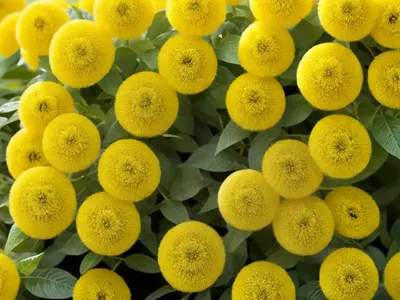
Cootamundra Wattle (Acacia Baileyana)
Cootamundra Wattle, scientifically known as Acacia baileyana, is a stunning and versatile plant with a variety of cultural, medicinal, and landscaping.



Cootamundra Wattle, scientifically known as Acacia baileyana, is a stunning and versatile plant with a variety of cultural, medicinal, and landscaping uses. As a plant scientist, I have extensively studied this plant and am thrilled to share my insights on its characteristics, cultivation, uses, and more. In this comprehensive guide, we will delve deep into the world of Cootamundra Wattle, exploring its botanical information, care requirements, benefits, and potential applications in horticulture and landscaping.
What is Cootamundra Wattle (Acacia Baileyana)?
Cootamundra Wattle, or Acacia baileyana, is a fast-growing evergreen tree that belongs to the Fabaceae family. Native to Australia, it is renowned for its striking feathery foliage, fragrant golden flowers, and adaptability to various soil types and climates. The plant’s beautiful and vibrant appearance has made it a popular choice for ornamental and landscaping purposes in many regions.
Key Takeaways – Cootamundra Wattle (Acacia Baileyana)
Before we immerse ourselves into the details of Cootamundra Wattle, let’s briefly outline the key takeaways associated with this remarkable plant.
- Scientific Name: Acacia baileyana
- Common Name: Cootamundra Wattle
- Plant Type: Fast-growing evergreen tree
- Characteristic Features: Feathery foliage, fragrant golden flowers
- Native Habitat: Australia
- Cultural Uses: Ornamental, medicinal, landscaping
- Climate Requirements: Adaptable to various climates, drought-tolerant
- Growth Rate: Fast-growing
- Propagation: Via seeds or cuttings
- Pests and Diseases: Resilient to pests, some susceptibility to root rot
- Fertilization: Minimal requirements, sensitive to phosphorus
- Pruning: Regular pruning for shape and size control
- Sunlight: Full sun to partial shade
- Soil Type: Well-drained, adaptable to various soil types
- Watering: Drought-tolerant once established
Now that we have an overview of the Cootamundra Wattle plant, let’s delve into each aspect in detail to gain a comprehensive understanding of its characteristics, care requirements, and potential landscaping and horticultural uses.
Culture
Uses
Ornamental Purposes
One of the primary uses of Cootamundra Wattle is its ornamental value. The striking golden flowers and delicate, fern-like foliage make it a popular choice for landscaping and garden design. Its fast growth and ability to thrive in diverse conditions further enhance its appeal as an ornamental tree.
Medicinal Properties
In addition to its ornamental uses, various parts of the Cootamundra Wattle tree have been used in traditional medicine. Extracts from the bark and leaves have been historically used for their antibacterial and anti-inflammatory properties. Additionally, the plant has been investigated for its potential pharmacological properties, contributing to its significance beyond its aesthetic appeal.
Erosion Control and Landscaping
With its rapid growth and adaptable nature, Cootamundra Wattle is often utilized in erosion control projects and revegetation efforts. Its ability to thrive in challenging environmental conditions, including poor soils and dry climates, makes it a valuable asset in various landscaping and ecological restoration initiatives.
Water
Cootamundra Wattle is known for its drought tolerance once established. While it may require regular watering during its initial establishment phase, mature plants can thrive with minimal supplemental watering. This characteristic makes it an ideal choice for water-wise landscaping and gardens in regions prone to water scarcity and drought conditions.
Sunlight
When it comes to sunlight requirements, Cootamundra Wattle thrives in full sun to partial shade. It is adaptable to various light conditions, making it suitable for a wide range of environments and landscaping settings. Whether it’s basking in full sunlight or gracefully adorning a partially shaded area, this versatile plant exhibits remarkable adaptability to light conditions.
Fertilizer
Cootamundra Wattle has minimal fertilizer requirements and is sensitive to phosphorus levels in the soil. When fertilization is necessary, it is advisable to use a low-phosphorus fertilizer to prevent potential nutrient imbalances and ensure the plant’s optimal growth and health.
Soil
The adaptable nature of Cootamundra Wattle extends to its soil requirements, as it can thrive in various soil types as long as they are well-drained. From sandy soils to clay-based substrates, the plant exhibits a remarkable capacity to establish and flourish in diverse soil conditions, further contributing to its appeal in landscaping and horticultural applications.
Pruning
Regular pruning is recommended to maintain the desired shape and size of Cootamundra Wattle. This practice not only enhances the plant’s aesthetics but also promotes healthy growth and reduces the risk of overcrowding. Pruning can be performed to remove dead or damaged branches, shape the tree, and manage its overall structure, contributing to its longevity and visual appeal.
Propagation
Cootamundra Wattle can be propagated through seeds or cuttings. When collecting seeds, it is essential to ensure they are mature and viable for successful germination. Alternatively, stem cuttings can be utilized for propagation, providing an effective method to propagate new plants and expand the presence of this captivating species.
Container Popularity
While Cootamundra Wattle is often grown as a tree in outdoor settings, it can also thrive in containers, presenting an excellent option for adding greenery and vibrant foliage to balconies, patios, and other outdoor spaces. Its adaptability to container cultivation enhances its versatility, allowing it to grace a broad array of urban and suburban landscapes.
Container Common Diseases
Container-grown Cootamundra Wattle may be susceptible to certain diseases, such as root rot, particularly in overly moist or poorly drained conditions. To prevent the occurrence of diseases in container plants, it is crucial to ensure proper drainage and avoid overwatering. Additionally, selecting a well-draining potting mix and providing adequate aeration can contribute to the health and vitality of container-grown specimens.
Disease Diagnosis
Diagnosing diseases in Cootamundra Wattle, whether in containers or planted directly in the ground, requires vigilant observation of foliage, stems, and overall plant health. Symptoms such as wilting, yellowing of foliage, or visible signs of decay may indicate potential disease issues. Timely intervention, including appropriate cultural practices, targeted treatments, and pest management, can aid in addressing and mitigating disease concerns, preserving the plant’s vigor and resilience.
Common Pests
While Cootamundra Wattle is generally resilient to many pests, it may occasionally encounter challenges from certain insect species, including aphids, scale insects, and caterpillars. Vigilant monitoring and early intervention can help manage pest populations and minimize potential damage to the plant. By promoting a healthy and balanced ecosystem in the garden or landscape, natural pest controls such as beneficial insects and birds can also contribute to pest management efforts.
Botanist’s Tips
As a plant scientist, I have gathered valuable insights and tips for successfully cultivating and appreciating Cootamundra Wattle. Let’s explore some botanist’s tips to enhance the understanding and care of this remarkable plant:
- Soil Preparation: Prior to planting, ensure the soil is well-drained and amend it with organic matter to promote optimal root development and plant establishment.
- Watering Practices: During the plant’s establishment phase, provide regular watering to support root development. Once established, Cootamundra Wattle exhibits drought tolerance and requires minimal supplemental watering.
- Pruning Guidance: Regular pruning to maintain shape and size is essential. Focus on removing dead or damaged branches, ensuring proper air circulation and light penetration within the canopy.
- Container Cultivation: When growing Cootamundra Wattle in containers, select a spacious container with adequate drainage holes to prevent waterlogging and provide ample space for root development.
- Pest Management: Vigilant monitoring and early intervention are crucial for managing pest populations. Employ biological controls and promote biodiversity to support natural pest management within the ecosystem.
Fun Facts
Now, let’s take a moment to appreciate some fascinating and delightful fun facts about Cootamundra Wattle, shedding light on its unique characteristics and cultural significance:
- The attractive golden flowers of Cootamundra Wattle are not only visually captivating but also possess a delicate fragrance, enhancing their appeal to pollinators and admirers alike.
- The species name “baileyana” honors Sir Frederick Bailey, a prominent botanist and director of the Royal Botanic Gardens in Melbourne, Australia, who contributed significantly to the study and documentation of Australian flora.
- Cootamundra Wattle holds cultural significance in Australia, where it is celebrated as the floral emblem of the town of Cootamundra, New South Wales, and is embraced as a symbol of resilience and vitality within the community.
Links to External Resources
For additional information and resources related to Cootamundra Wattle and Acacia baileyana, I have curated a selection of valuable external links to support and complement the insights provided in this guide:
- Royal Botanic Gardens Victoria – Acacia baileyana
- Australian National Botanic Gardens – Cootamundra Wattle
- PlantNET – FloraOnline: Acacia baileyana
- Australian Plants Society NSW – Cootamundra Wattle
With the inclusion of external resources, readers can access reputable sources for further exploration and in-depth understanding of Cootamundra Wattle, enriching their knowledge and appreciation of this remarkable plant.
In conclusion, the Cootamundra Wattle (Acacia baileyana) stands as a testament to the beauty, resilience, and adaptability of the plant kingdom. From its ornamental allure and cultural significance to its medicinal properties and ecological contributions, this plant continues to captivate enthusiasts, horticulturists, and nature enthusiasts alike. As a plant scientist, it is my hope that this comprehensive guide provides valuable insights and inspiration for embracing and cultivating the remarkable Cootamundra Wattle, contributing to the rich tapestry of botanical appreciation and horticultural endeavors.
Thank you for embarking on this botanical journey with me, and may the golden blooms and evergreen foliage of Cootamundra Wattle continue to inspire and enrich our natural landscapes and gardens.