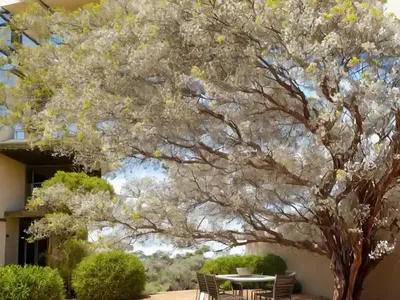
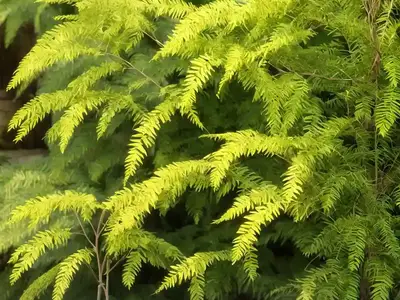
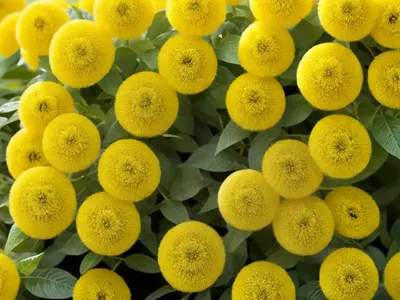
Australian Blackwood (Acacia Melanoxylon)
Acacia Melanoxylon, commonly known as Australian Blackwood, is a stunning and versatile tree that has been cherished for its ornamental, cultural, and.
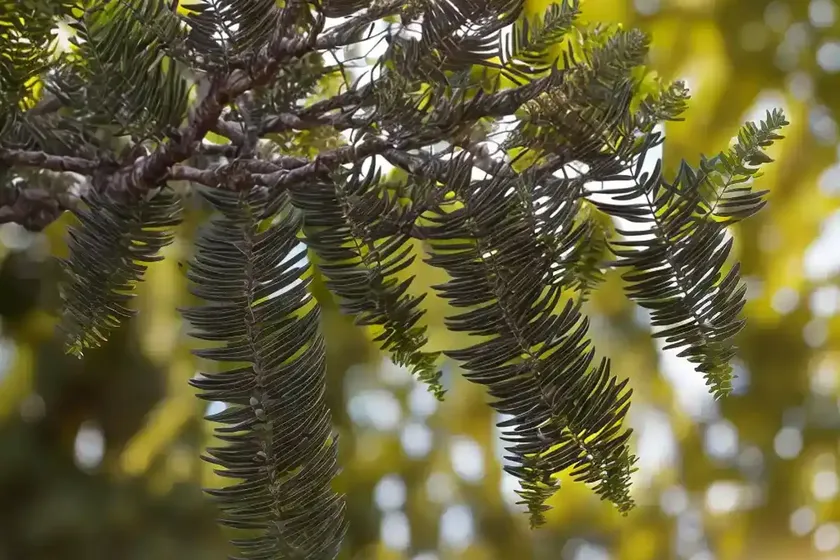
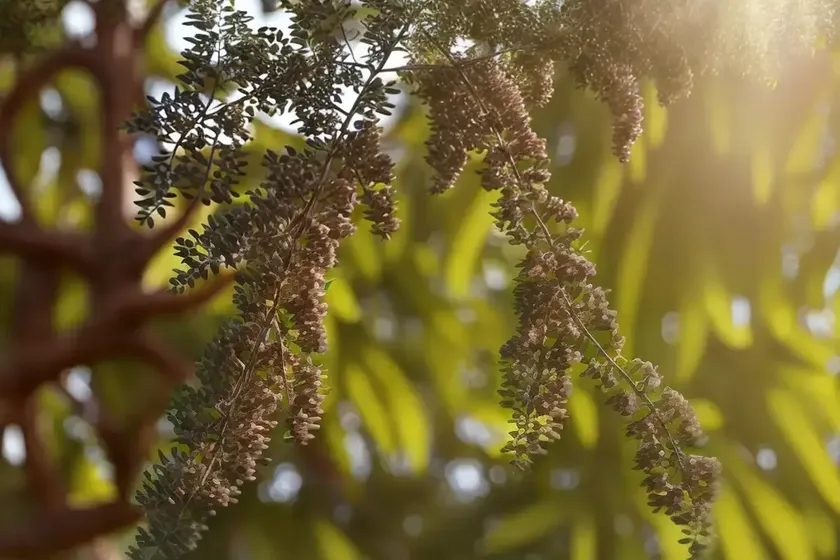
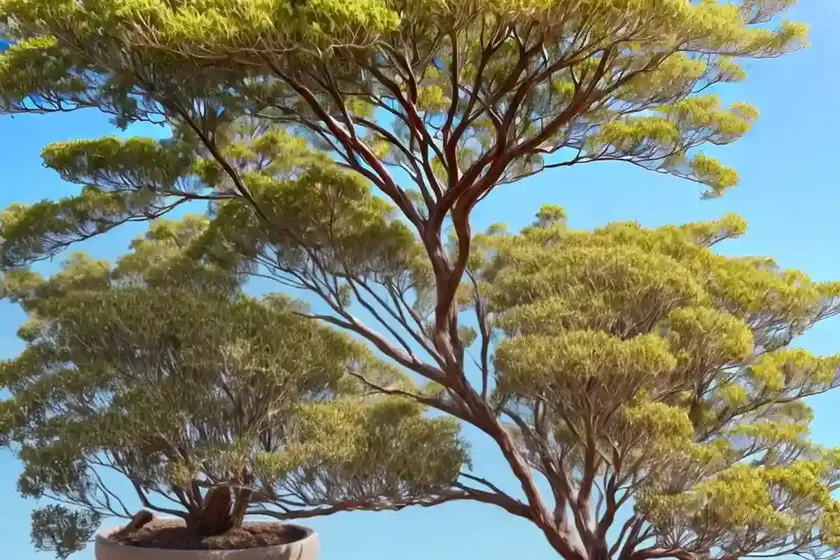
Acacia Melanoxylon, commonly known as Australian Blackwood, is a stunning and versatile tree that has been cherished for its ornamental, cultural, and commercial values for centuries. This distinctive tree species has a significant presence in various ecosystems, and its remarkable properties make it an essential component of biodiversity conservation, landscaping, and timber industries. In this comprehensive guide, we will delve into the characteristics, uses, cultivation, and maintenance of Acacia Melanoxylon, offering valuable insights for both enthusiasts and professionals in the realm of plant science and horticulture.
What is Acacia Melanoxylon?
Acacia Melanoxylon, a member of the Fabaceae family, is a tree native to eastern Australia, primarily found in the states of New South Wales, Victoria, Tasmania, and Queensland. It is also known as Blackwood, Australian Blackwood, Tasmanian Blackwood, or Sally Wattle. This species is highly valued for its exquisite timber, decorative features, and ecological significance. The Australian Blackwood typically reaches heights of 15-35 meters (50-115 feet) with a trunk diameter of 0.3-0.6 meters (1-2 feet) when mature.
Key Takeaways
Australian Blackwood (Acacia Melanoxylon)
- Benefits: Environmental, ornamental, commercial, and cultural benefits
- Characteristics: Striking foliage, bark, and wood properties
- Uses: Timber, furniture, landscaping, and ecological restoration
- Growth Habit: Tall, evergreen tree with a spreading crown
- Habitat: Indigenous to eastern Australia, adaptable to various environments
- Planting Guide: Well-drained soil, ample sunlight, and adequate spacing
- Care Tips: Moderate water, occasional fertilization, and regular pruning
- Drought Tolerance: Moderate to high drought tolerance once established
- Propagation Methods: Seed propagation, vegetative propagation
- Pruning Techniques: Formative pruning, maintenance pruning
- Pests and Diseases: Susceptible to borers, scale insects, root rots, and leaf diseases
- Conservation Status: Not listed as endangered; conservation efforts recommended
- Soil Requirements: Well-drained, fertile soil with neutral to slightly acidic pH
- Wildlife Support: Provides habitat and food for diverse wildlife species
- Ecosystem Importance: Integral part of various ecosystems, supports biodiversity
Now, let’s explore each aspect in detail.
Culture
Uses
The Australian Blackwood is highly esteemed for its diverse uses, contributing to environmental sustainability, economic prosperity, and cultural heritage.
– Timber: Renowned for its high-quality timber with excellent strength, stability, and aesthetic appeal. It is used in furniture making, flooring, joinery, cabinetry, and musical instrument construction.
– Landscaping: Valued for its ornamental features, including its attractive foliage and elegant canopy, making it a sought-after choice for parks, gardens, and urban landscapes.
– Ecological Restoration: Plays a crucial role in ecological restoration projects due to its ability to support diverse wildlife and enhance ecosystem biodiversity.
– Medicinal Properties: In traditional medicine, various parts of the tree are used to treat ailments, demonstrating its historical significance and potential pharmaceutical value.
– Cultural Significance: Embedded in indigenous Australian cultures, the tree holds cultural and symbolic importance, featuring in stories, art, and ceremonies.
Requirements
Water
Australian Blackwood generally requires moderate water, especially during its initial establishment phase. Once established, the tree exhibits good drought tolerance, making it suitable for various climatic conditions. However, consistent watering is beneficial for promoting healthy growth and ensuring the well-being of the tree, particularly during prolonged dry spells.
Sunlight
Being a sun-loving species, Acacia Melanoxylon thrives in full sunlight, although it can tolerate partial shade. Providing adequate sunlight is essential for promoting robust growth, flowering, and the development of its characteristic foliage.
Fertilizer
The tree benefits from occasional fertilization, particularly in nutrient-poor soils or container-grown specimens. A balanced fertilizer, applied in spring, can support the tree’s vigor and overall health. However, excessive fertilization should be avoided, as it may lead to excessive vegetative growth at the expense of structural strength.
Soil
Acacia Melanoxylon prefers well-drained, fertile soil with a pH range of 6.0 to 7.5. It can tolerate a variety of soil textures, including sandy, loamy, and clay soils, as long as they offer good drainage. Improved soil structure and fertility can enhance the tree’s growth and resilience.
Pruning
Regular pruning is essential for shaping the tree, removing dead or damaged branches, and maintaining its overall health and appearance. It is recommended to conduct formative pruning during the early stages of the tree’s growth to establish a strong and well-balanced framework. Additionally, periodic maintenance pruning helps manage the canopy size and shape, promoting air circulation and light penetration.
Propagation
Acacia Melanoxylon can be propagated from seeds or through vegetative methods, such as cuttings and grafting. When cultivating new plants from seeds, scarification or pre-soaking may aid in breaking seed dormancy. Vegetative propagation techniques offer the advantage of preserving particular genetic traits and accelerating the production of uniform, high-quality plants.
Container Popularity
Due to its ornamental value and manageable size, Australian Blackwood is popular for container cultivation, allowing individuals with limited garden space to enjoy its beauty. When grown in containers, it is essential to ensure proper drainage and provide adequate space for root development. Regular monitoring and appropriate care are critical for container-grown trees to thrive.
Common Diseases
Disease Diagnosis
Several diseases can affect Australian Blackwood, particularly under unfavorable growing conditions. Common diseases include root rots, leaf spot diseases, and cankers. Early identification and accurate diagnosis of these diseases are crucial for implementing appropriate management strategies, including cultural, biological, or chemical control methods as needed.
Common Pests
Botanist’s Tips
Acacia Melanoxylon is susceptible to infestations by various pests, including borers, scale insects, and certain caterpillars. Monitoring the tree for signs of pest activity, such as bore holes, honeydew, or defoliation, helps in early detection and intervention. Non-chemical control measures, such as maintaining tree vigor and promoting natural enemies of pests, are effective components of integrated pest management.
Fun Facts
- The timber of Acacia Melanoxylon is highly valued for its use in crafting fine furniture, musical instruments, and decorative veneers due to its attractive grain patterns and workability.
- Australian Blackwood has a rich history in indigenous Australian cultures, where it holds spiritual, ceremonial, and practical significance, including its uses in tool making and artistic expression.
- While primarily recognized for its timber, the tree also serves as a valuable resource for nectar-feeding birds, insects, and other wildlife, contributing to the biodiversity of its native habitats.
Links to External Resources
For more information on Australian Blackwood (Acacia Melanoxylon), you can explore the following resources:
1. Australian Native Plants Society (Australia)
2. CSIRO: Acacia Melanoxylon
3. PlantNet: FloraOnline
Conclusion
Australian Blackwood (Acacia Melanoxylon) stands as a remarkable tree with boundless potential, encompassing ecological, cultural, and economic significance. Through its exquisite timber, ornamental virtues, and contributions to biodiversity, it continues to captivate plant enthusiasts, land managers, and artisans around the world. By understanding and embracing the optimal cultivation and maintenance practices, we can preserve and celebrate the enduring legacy of this extraordinary species for generations to come. Whether we admire it for its striking beauty, cherish its resources, or honor its role in sustaining ecosystems, the Australian Blackwood remains an invaluable emblem of nature’s enduring splendor.