Acacia Farnesiana (Sweet Acacia)
Acacia farnesiana, commonly known as Sweet Acacia, is a strikingly beautiful plant with a rich history, diverse cultural significance, and a wide range of.
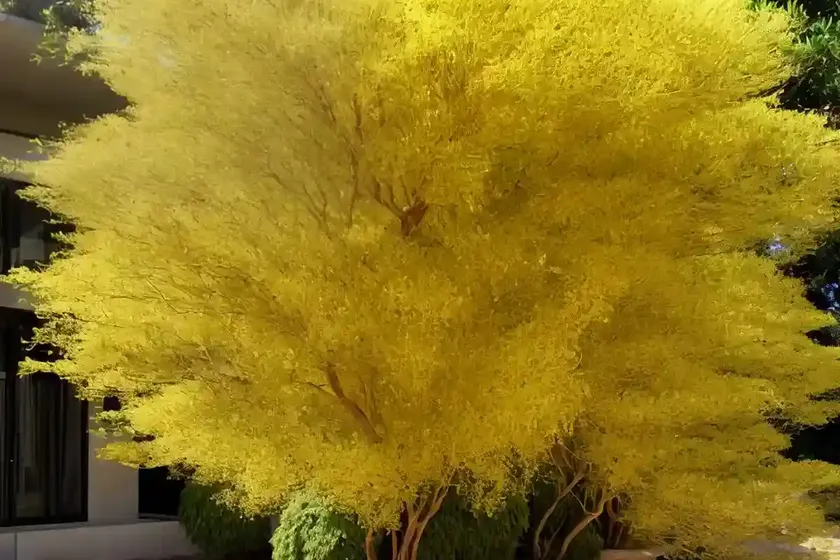
Acacia farnesiana, commonly known as Sweet Acacia, is a strikingly beautiful plant with a rich history, diverse cultural significance, and a wide range of uses. This plant is not only cherished for its ornamental value but also for its medicinal properties, symbolic significance, and ecological benefits. In this comprehensive guide, we will delve into the various aspects of cultivating, caring for, and maintaining Acacia farnesiana, shedding light on its characteristics, uses, and ecosystem roles.
What is Acacia farnesiana (Sweet Acacia)?
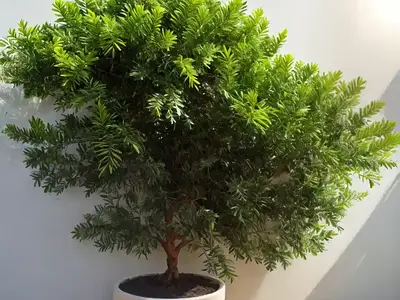
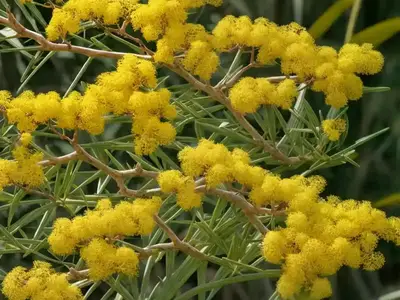
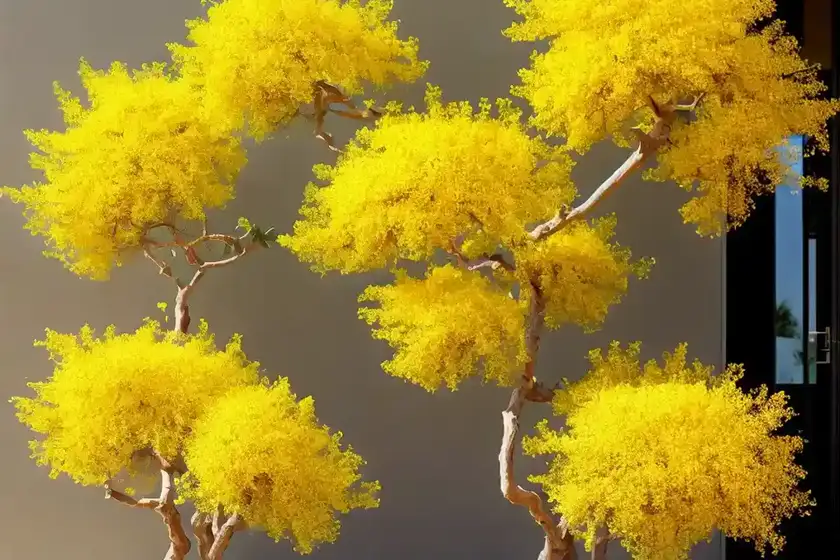
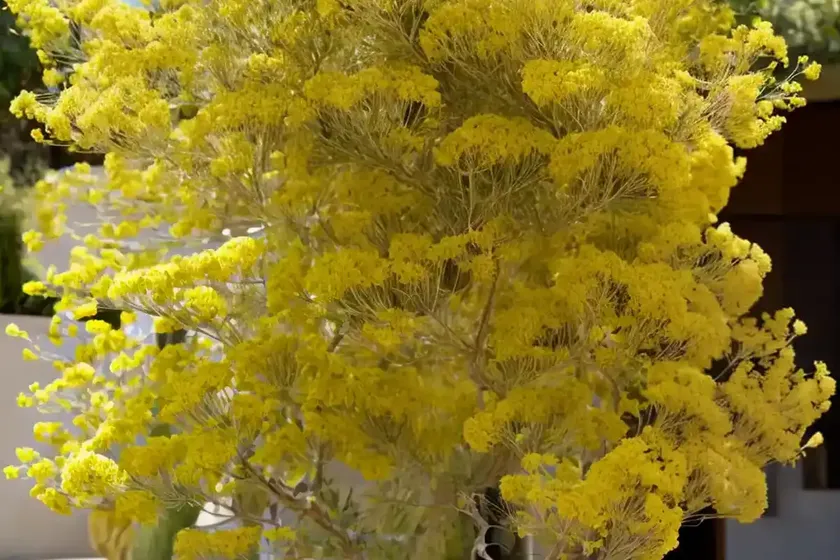
Acacia farnesiana is a species of shrub or small tree belonging to the Fabaceae family. It is native to the arid regions of the Americas and is known for its fragrant, ball-shaped, golden-yellow flowers, which add to its aesthetic appeal. The plant is characterized by its feathery, finely divided foliage and thorn-studded branches, contributing to its unique visual charm.
Key Takeaways – Acacia farnesiana (Sweet Acacia)
Before we delve into the detailed aspects of Sweet Acacia, here are the key takeaways for quick reference:
- Scientific Name: Acacia farnesiana
- Common Name: Sweet Acacia
- Family: Fabaceae
- Plant Type: Shrub or small tree
- Native Habitat: Americas, particularly arid regions
- Key Features: Fragrant, golden-yellow flowers and finely divided, feathery foliage
- Cultural Significance: Medicinal uses, symbolic value, and ecological roles
Culture and Growing Conditions
Understanding the ideal culture and growing conditions is pivotal in successfully nurturing Acacia farnesiana. By providing the right environment, water, sunlight, and care, you can ensure the optimal growth and health of this captivating plant.
Water
Proper watering is essential for the well-being of Acacia farnesiana, especially during its early establishment and growth stages. As a drought-tolerant plant, it thrives in dry, well-drained soils and is resilient against arid conditions. However, it is crucial to maintain a balance, as overwatering can lead to root rot and other moisture-related issues.
- Watering Frequency: Water the plant deeply and thoroughly, allowing the soil to dry out between watering sessions to prevent waterlogging.
- Established Plants: Once established, Sweet Acacia requires minimal watering and is well-suited for xeriscaping due to its drought tolerance.
Sunlight
Acacia farnesiana exhibits a preference for abundant sunlight, thriving in bright, full-sun exposures. Adequate sunlight not only promotes vigorous growth and blooming but also enhances the plant’s aromatic qualities, contributing to its fragrant appeal.
- Sun Exposure: Plant Sweet Acacia in locations that receive at least 6-8 hours of direct sunlight per day for optimal growth and flowering.
Fertilizer
While Sweet Acacia demonstrates resilience in nutrient-poor soils, occasional fertilization can enhance its overall vigor and blooming performance. Choosing the right fertilizer and applying it at the appropriate times can contribute to the plant’s health and ornamental value.
- Fertilization Schedule: Apply a balanced, slow-release fertilizer in the spring to support the plant’s growth and development.
- Avoid Over-Fertilization: Refrain from excessive fertilization, as it can lead to excessive foliage growth at the expense of blooming.
Soil
Selecting the right soil type and ensuring proper drainage are crucial factors in cultivating Acacia farnesiana. Well-drained, sandy, or loamy soils that mimic its native arid habitat are ideal for fostering healthy growth and development.
- Soil Composition: Opt for well-drained, slightly acidic to alkaline soils with good permeability to prevent water stagnation around the roots.
- Optimal pH: Sweet Acacia thrives in soil pH ranges from 6.0 to 8.5.
Pruning and Maintenance
Pruning is an essential aspect of maintaining Sweet Acacia, shaping its growth, and promoting abundant flowering. By adopting proper pruning techniques and practices, you can enhance the plant’s aesthetic appeal and overall health.
Pruning
Prune Acacia farnesiana during its dormant period or after the blooming season to maintain its compact shape, remove dead or damaged branches, and encourage new growth. Additionally, selective pruning can help manage the plant’s size and form in landscaped settings.
- Pruning Frequency: Perform annual pruning to remove dead wood, promote air circulation, and shape the plant according to your landscaping needs.
- Caution: Sweet Acacia bears thorns, so take necessary precautions while pruning the plant and handling its branches.
Propagation Methods
Incorporating propagation techniques can help expand your Sweet Acacia collection or share this captivating plant with others. Several propagation methods, including seeds and cuttings, can be employed to propagate Acacia farnesiana successfully.
Propagation from Seeds
- Seed Collection: Harvest mature seeds from Sweet Acacia pods during the flowering season and store them in a cool, dry place.
- Seed Pretreatment: Scarify or soak the seeds in warm water to enhance germination rates before sowing.
- Seed Sowing: Plant the treated seeds in well-drained, sandy soil mix at the beginning of the growing season.
Propagation from Cuttings
- Cutting Selection: Choose semi-hardwood or hardwood cuttings from healthy, disease-free branches, preferably during the dormant period.
- Rooting Medium: Dip the cut ends in a rooting hormone and plant them in a well-draining, soilless rooting medium.
- Rooting Conditions: Provide consistent moisture and warmth to the cuttings while they establish roots.
Container Cultivation
Sweet Acacia is well-suited for container cultivation, allowing gardening enthusiasts with limited space to enjoy its ornamental beauty and aromatic allure. When cultivating Acacia farnesiana in containers, certain considerations must be taken into account to ensure the plant’s vitality and growth.
Container Requirements
- Container Size: Choose a spacious container with adequate drainage holes to accommodate the plant’s root system and promote healthy growth.
- Potting Mix: Utilize a well-draining, nutrient-rich potting mix suitable for woody ornamentals and amend it with sand to enhance drainage.
Popularity in Containers
Sweet Acacia’s adaptability to container cultivation, combined with its aromatic flowers and finely textured foliage, makes it a sought-after choice for adding visual interest to patios, decks, and compact garden spaces.
Common Diseases and Pests
Understanding the potential diseases and pests that can affect Sweet Acacia is crucial for early detection, prevention, and targeted management practices to maintain the plant’s health and vigor.
Disease Diagnosis
- Tip Dieback: Inadequate drainage or overwatering can lead to tip dieback, causing the plant’s branch tips to wither and discolor.
- Fungal Diseases: Watch for signs of fungal infections, such as powdery mildew and leaf spot diseases, which can be managed through cultural practices and fungicidal treatments when necessary.
Common Pests
- Aphids and Whiteflies: Monitor for aphid and whitefly infestations, particularly during the growing season, and employ environmentally friendly pest control methods if needed.
- Scale Insects: Check for scale insects on the plant’s branches and leaves, and address infestations promptly to prevent widespread damage.
Botanist’s Tips for Sweet Acacia
To maximize the ornamental potential and resilience of Acacia farnesiana, consider the following botanist’s tips for cultivation and care:
- Aromatic Positioning: Plant Sweet Acacia near sitting areas, windows, or entryways to enjoy its captivating fragrance.
- Pruning Best Practices: Employ sharp, clean pruning tools and sanitize them between cuts to prevent disease transmission.
- Sustainable Landscaping: Incorporate Sweet Acacia in sustainable landscaping designs, such as xeriscapes and native plant gardens, to conserve water and promote biodiversity.
Fun Facts about Sweet Acacia
Discover some fascinating and intriguing facts that add to the allure of Acacia farnesiana:
- Symbolic Significance: Sweet Acacia is often associated with resilience, endurance, and renewal, reflecting its adaptability in harsh environments.
- Honey Plant: The nectar-rich flowers of Sweet Acacia attract pollinators, making it an excellent choice for beekeeping and supporting local ecosystems.
External Resources and Further Reading
Expand your knowledge and explore additional resources on Sweet Acacia with the following external links:
Conclusion
Acacia farnesiana, or Sweet Acacia, embodies a captivating blend of ornamental appeal, cultural significance, and ecological value. By comprehensively understanding its cultivation, care, and unique attributes, you can fully appreciate and cultivate this remarkable plant. Whether you seek to enhance your landscape with its fragrant blooms, explore its medicinal properties, or simply celebrate its symbolic significance, Sweet Acacia stands as a remarkable addition to any botanical enthusiast’s collection.