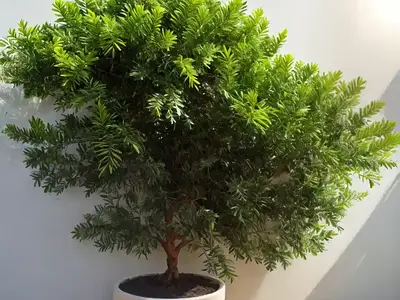
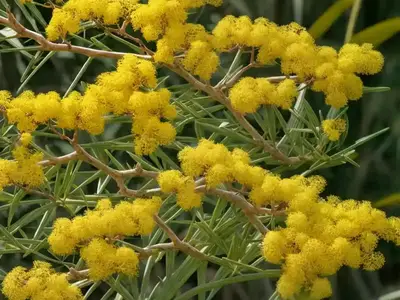
Acacia Dealbata (Silver Wattle)
Introduction Acacia dealbata, commonly known as Silver Wattle, is a stunning evergreen tree that belongs to the Fabaceae family. It is native to.
Introduction
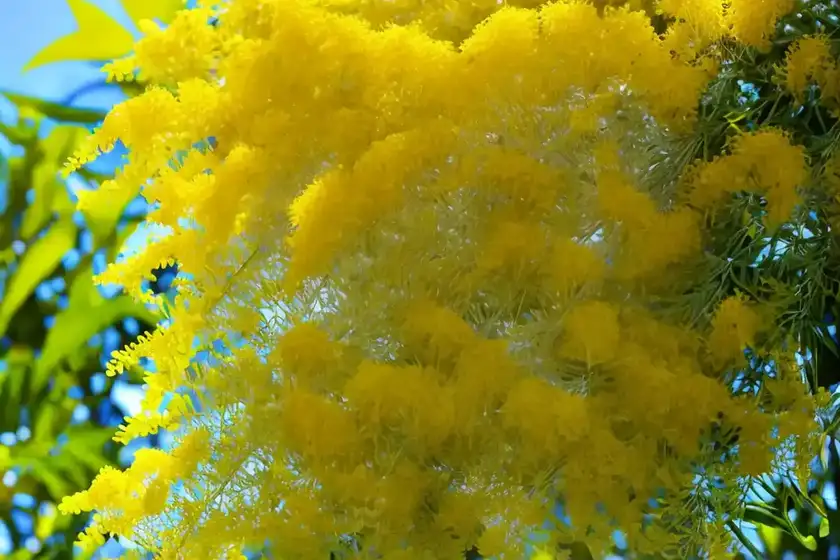
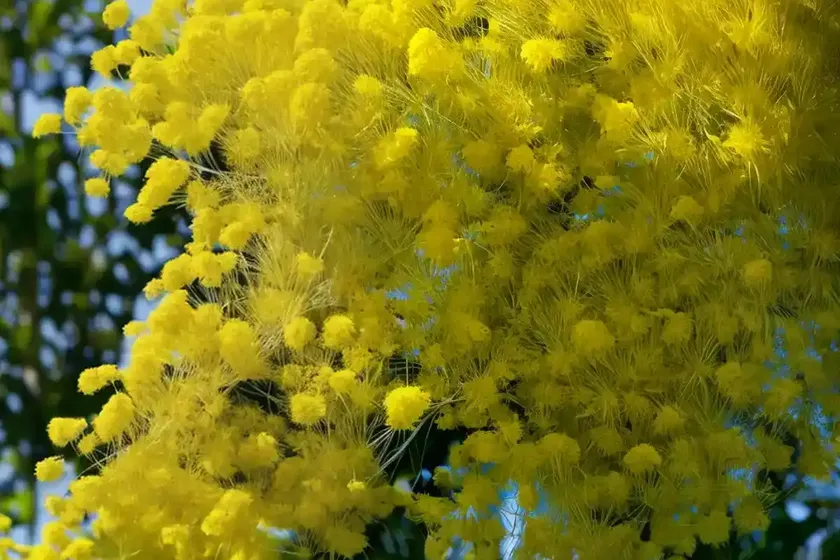
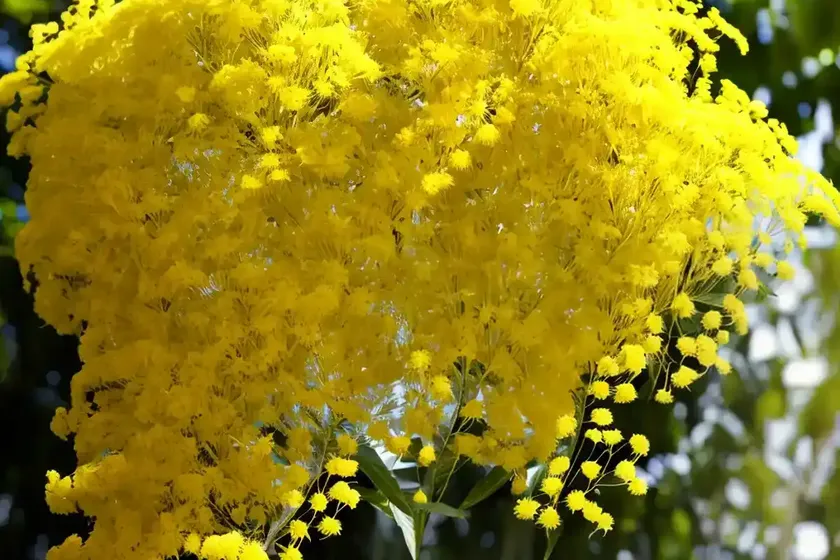
Acacia dealbata, commonly known as Silver Wattle, is a stunning evergreen tree that belongs to the Fabaceae family. It is native to southeastern Australia and is widely grown for its ornamental beauty. This plant is known for its distinctive silver-gray foliage and beautiful yellow flowers, and it has various cultural, medicinal, and environmental uses.
Acacia dealbata Description
Acacia dealbata is a fast-growing tree, reaching a height between 30-65 feet. It has a spreading, often domed canopy, and its foliage consists of finely divided, bluish-green, or silvery-gray leaves. The tree produces clusters of small, fragrant, bright yellow flowers that bloom in late winter and early spring. The flowers are followed by flat, elongated seed pods.
Silver Wattle Plant Facts
- Scientific Name: Acacia dealbata
- Common Name: Silver Wattle
- Family: Fabaceae
- Native to: Southeastern Australia
- Foliage: Finely divided, bluish-green, silvery-gray
- Flowers: Small, fragrant, bright yellow
Acacia dealbata Habitat
The Silver Wattle is native to the temperate regions of southeastern Australia, where it thrives in diverse habitats, including forests, woodlands, and along watercourses. It prefers well-drained, slightly acidic soils and is typically found in areas with moderate rainfall.
Natural Habitat
- Region: Southeastern Australia
- Habitat: Forests, woodlands, watercourses
- Soil Preference: Well-drained, slightly acidic
- Rainfall: Moderate
Silver Wattle Tree Care
Cultivating Acacia dealbata requires attention to various factors such as water, sunlight, soil, and fertilizer. Here are the specifics regarding caring for Silver Wattle trees:
Water
- Young Trees: Regular watering during the first few years to establish a strong root system
- Mature Trees: Can tolerate short periods of drought but performs best with consistent moisture
- Overwatering: Avoid waterlogging the soil as this can lead to root rot
Sunlight
- Light Requirements: Full sun to partial shade
- Optimal Exposure: Full sun is ideal for ensuring abundant blooms and healthy growth
Soil
- Type: Well-drained, slightly acidic soil
- Improving Soil: Incorporate organic matter to enhance soil structure and fertility
- pH Level: Prefers soil with a pH range between 6 and 7
Fertilizer
- Nutrient Needs: Moderate to low
- Fertilization Schedule: Apply a balanced fertilizer in early spring to promote healthy growth
Acacia dealbata Propagation
Silver Wattle can be propagated through seeds or cuttings, but growing from seeds is the most common method. Here’s a brief overview of the propagation process:
Seed Propagation
- Seed Collection: Gather mature pods and extract the seeds
- Pre-Planting Treatment: Scarify the seeds (nick the seed coat) to enhance germination
- Sowing: Plant the scarified seeds in a well-draining potting mix
- Germination: Keep the soil consistently moist and provide warmth for successful seed germination
Cutting Propagation
- Cutting Selection: Choose semi-hardwood or hardwood cuttings from healthy, disease-free plants
- Preparation: Remove leaves from the lower portion of the cutting and apply a rooting hormone
- Planting: Place the cuttings in a well-draining medium and ensure consistent moisture for root development
Silver Wattle Uses
Besides its aesthetic appeal, Acacia dealbata has several practical uses, including cultural, medicinal, and environmental applications.
Cultural Uses
- Ornamental: Widely planted for its attractive foliage and vibrant flowers
- Wood: The timber is used in woodworking and for making furniture and tools
- Tannin Production: The bark contains tannins used in the leather tanning industry
Medicinal Properties
- Traditional Medicine: The bark and leaves of Silver Wattle have been used in traditional medicine to treat various ailments
- Antiseptic: Some traditional practices use Silver Wattle extracts as natural antiseptics
Environmental Benefits
- Soil Improvement: Nitrogen-fixing ability enhances soil fertility
- Wildlife Habitat: Provides food and shelter for various birds and insects
Acacia dealbata Characteristics
The characteristics of Acacia dealbata encompass its growth rate, pruning requirements, diseases, floral traits, and ecological attributes.
Growth Rate
- Fast-Growing: Acacia dealbata is known for its rapid growth, reaching maturity in a relatively short time
Pruning Tips
- Timing: Prune in late spring or early summer after the flowering period
- Goal: Maintain a pleasing shape and remove any damaged or dead branches
- Cautions: Avoid excessive pruning to prevent stress on the plant
Diseases
- Potential Issues: Vulnerable to specific fungal diseases and root rot in waterlogged soils
- Preventive Measures: Proper watering, well-draining soil, and good air circulation can help prevent disease
Flowering Season
- Timing: Winter to early spring
- Floral Display: Abundant clusters of fragrant, bright yellow flowers
Silver Wattle Soil Requirements
Acacia dealbata thrives in well-drained, slightly acidic soils with a pH range between 6 and 7. The ideal soil type for the plant is a loamy or sandy mix that is rich in organic matter. Proper soil preparation and maintenance can significantly contribute to the tree’s overall health and performance.
Soil Preparation
- Improving Drainage: Ensure proper drainage to avoid waterlogging, which can lead to root rot
- pH Adjustment: If necessary, adjust the soil pH to the preferred range using organic amendments
- Mulching: Apply a layer of organic mulch to retain soil moisture and regulate temperature
Acacia dealbata Benefits
The benefits of Acacia dealbata encompass its environmental contributions, ornamental beauty, and potential practical applications.
Environmental Contributions
- Nitrogen Fixation: Enhances soil fertility by converting atmospheric nitrogen into a usable form
- Wildlife Support: Provides nesting sites and food for birds, bees, and other native fauna
Ornamental Beauty
- Landscape Enhancement: Adds visual interest with its unique foliage and vibrant, fragrant flowers
- Aromatic Qualities: The flowers emit a delightful fragrance that attracts pollinators
Silver Wattle Sunlight Needs
Acacia dealbata thrives in full sun to partial shade, with an optimal preference for full sun exposure. Adequate sunlight is essential for promoting healthy growth, abundant flowering, and overall vigor. When grown in shaded conditions, the plant may exhibit reduced blooming and sparse foliage.
Sunlight Preferences
- Full Sun: Ideal for ensuring vigorous growth and prolific flowering
- Partial Shade: Tolerated, but may result in reduced flower production
Light Needs
- Intensity: Requires direct, bright light for a significant portion of the day
- Considerations: Ensure sufficient exposure to sunlight, especially during the growing season
Acacia dealbata Common Names
The Silver Wattle is known by various common names in different regions and cultures. These names often reflect its distinct features, uses, or historical significance in specific locations.
Regional Variations
- English: Silver Wattle
- Italian: Mimosa gialla
- French: Acacia dealbata
- Spanish: Aromo plateado
Silver Wattle Container Popularity
While Acacia dealbata is typically grown as a tree in outdoor landscapes, it is also suitable for container cultivation. Its striking appearance and manageable size make it an attractive choice for adding ornamental value to outdoor spaces, such as patios, balconies, and gardens.
Container Gardening Tips
- Pot Selection: Choose a large, well-draining container to accommodate the tree’s growth
- Soil Quality: Use a high-quality, well-draining potting mix with added organic matter
- Sunlight: Place the container in a location with abundant sunlight for optimal growth
Acacia dealbata Common Diseases
Despite its overall resilience, Acacia dealbata is susceptible to specific diseases that can impact its health and vigor. Being aware of common diseases and their symptoms can aid in prevention and early intervention.
Disease Diagnosis
- Root Rot: Symptoms include wilting, yellowing leaves, and a general decline in the plant’s health
- Fungal Diseases: Leaf spots, powdery mildew, and rust can occur under prolonged periods of high humidity
Prevention and Management
- Soil Drainage: Ensure proper drainage to prevent waterlogging and root rot
- Pruning Practices: Regularly remove dead or diseased branches to promote airflow and reduce disease pressure
- Fungicidal Treatments: Apply fungicides as a preventive measure during specific weather conditions conducive to fungal diseases
Silver Wattle Disease Diagnosis
Diagnosing diseases in Silver Wattle involves identifying symptoms and understanding the causal factors that contribute to the plant’s susceptibility to specific ailments. Although the tree is generally resilient, a few disease issues can arise under certain conditions.
Root Rot
- Key Indicators: Wilting, yellowing leaves, and a general decline in vigor
- Risk Factors: Overwatering or poorly drained soils
Fungal Diseases
- Symptoms: Leaf spots, powdery mildew, rust
- Influential Factors: Prolonged periods of high humidity, inadequate air circulation
Acacia dealbata Medicinal Properties
Traditionally, various parts of Acacia dealbata have been used for their medicinal properties in different cultures. The tree’s bark and leaves contain compounds that have been utilized to address specific health concerns and for their potential antiseptic properties.
Traditional Uses
- Antiseptic Qualities: Extracts from Silver Wattle have been utilized as natural antiseptics in traditional medicine
- Tannins: The bark contains tannins, which have astringent properties and have been used for their medicinal effects
Contemporary Research
- Pharmacological Studies: Some modern research has explored the potential therapeutic applications of Silver Wattle compounds
- Active Compounds: Specific compounds present in Acacia dealbata are of interest for their potential health benefits
Silver Wattle Leaf Arrangement
The leaves of Acacia dealbata are arranged in a distinctive pattern that complements the tree’s overall aesthetics and ornamental appeal. Understanding the leaf arrangement and structure provides insight into the plant’s characteristics and growth habits.
Leaf Characteristics
- Arrangement: Finely divided, alternate leaf arrangement
- Silvery-Grey Foliage: Provides a striking visual contrast and contributes to the plant’s appeal
- Texture and Shape: Delicate, feathery foliage adds to the tree’s graceful appearance
Acacia dealbata Flowering Season
Acacia dealbata showcases its vibrant, fragrant flowers during the winter to early spring months, creating a spectacular visual display. Understanding the flowering season is essential for appreciating the tree’s seasonal beauty and coordinating maintenance practices.
Floral Timing
- Winter to Early Spring: The tree blooms with clusters of bright yellow, fragrant flowers during this period
- Seasonal Highlights: The flowering season is a key ornamental feature of Silver Wattle
Blooming Traits
- Abundant Blooms: The tree produces numerous floral clusters, enhancing its visual appeal
- Fragrance: The flowers emit a delightful fragrance, attracting pollinators to the garden
Silver Wattle Climate Preferences
Acacia dealbata exhibits specific climate preferences related to temperature, humidity, and environmental conditions. Understanding its climate requirements is crucial for successful cultivation and optimal performance.
Temperature Tolerance
- Moderate Climates: Thrives in regions with mild winters and moderate summer temperatures
- Extreme Heat: May exhibit stress in prolonged periods of high heat and humidity
Humidity Considerations
- Moderate Humidity: Tolerates moderate humidity levels but can be susceptible to fungal diseases under prolonged high humidity
Adaptability
- Mediterranean Climates: Suitable for cultivation in regions with Mediterranean climates and mild, wet winters
Acacia dealbata Wildlife Attraction
Besides its ornamental beauty, Acacia dealbata serves as an important resource for various native fauna, providing shelter, food, and ecological support. Understanding the tree’s role in supporting wildlife contributes to its ecological significance.
Bird Habitat
- Nesting Sites: Provides nesting locations for various bird species, contributing to local biodiversity
- Insect Food Source: Attracts insects that serve as food for birds, enhancing the ecosystem
Pollinator Support
- Attraction of Bees and Butterflies: The fragrant flowers attract pollinators, contributing to pollination and ecosystem health
Silver Wattle Landscape Uses
Acacia dealbata offers versatile applications within the landscaping context, contributing to aesthetic, functional, and ecological aspects of outdoor spaces. Incorporating Silver Wattle into landscape design enhances visual appeal and ecological diversity.
Ornamental Role
- Focal Point: Serves as a striking focal point in gardens and outdoor settings
- Visual Contrast: The silvery-gray foliage and vibrant flowers add visual interest to landscapes
Ecological Contributions
- Biodiversity Support: Attracts wildlife, contributes to biodiversity, and enhances ecological balance
- Soil Health: Nitrogen-fixing ability improves soil fertility and overall ecological sustainability
Practical Use
- Shade Tree: Provides beneficial shade and shelter in outdoor spaces
- Wildlife Garden: Suitable for creating wildlife-friendly gardens and ecological landscapes
Acacia dealbata Water Requirements
Acacia dealbata exhibits specific water requirements that contribute to optimal growth, flowering, and overall health. Understanding the plant’s water needs and adopting appropriate irrigation practices are crucial for successful cultivation.
Optimal Watering
- Young Trees: Require regular watering to establish strong root systems during the initial growth phase
- Mature Trees: Can tolerate short periods of drought but benefit from consistent moisture during active growth periods
Irrigation Considerations
- Avoid Waterlogging: Ensure proper drainage to prevent waterlogging and root rot
- Drought Tolerance: Exhibits moderate tolerance to short periods of drought once established
Silver Wattle Decorative Features
The ornamental qualities of Acacia dealbata encompass its distinctive foliage, vibrant flowers, and overall aesthetic appeal. Recognizing these decorative features is essential for appreciating the plant’s ornamental value and incorporating it effectively into landscapes.
Foliage Color
- Silvery-Grey: The foliage boasts a striking silver-gray color, adding visual contrast to garden settings
- Fine Texture: Feathery, finely divided leaflets create an elegant and graceful appearance
Flowering Visuals
- Bright Yellow Blooms: The abundant clusters of bright yellow flowers create a striking visual display
- Fragrance: The flowers emit a delightful fragrance, enhancing the overall sensory appeal
Acacia dealbata Native Habitat
The native habitat of Acacia dealbata comprises diverse ecological settings, including forests, woodlands, and watercourses in southeastern Australia. Understanding the plant’s natural environment provides insight into its specific ecological adaptations and requirements.
Ecological Niche
- Native Region: Southeastern Australia
- Habitat Types: Found in forests, woodlands, and along watercourses
- Adaptations: Suited to thrive in diverse ecological conditions within its native range
Environmental Adaptations
- Water Accessibility: Can tolerate periods of moderate drought and seasonal variations in water availability
- Soil Adaptations: Thrives in well-drained, slightly acidic soils prevalent in its native habitat
Silver Wattle Sunlight Needs
Acacia dealbata exhibits specific sunlight requirements that contribute to its growth, flowering, and overall vitality. Understanding and accommodating the plant’s light preferences are crucial for promoting vigorous and healthy growth.
Sunlight Preferences
- Full Sun: Thrives in full sunlight for prolific flowering and overall vigor
- Partial Shade: Tolerates partial shade but may exhibit reduced flowering in shaded conditions
Light Exposure
- Direct, Bright Light: Requires direct, bright light for a significant portion of the day
- Considerations: Adequate sunlight promotes optimal growth and flowering
Botanist’s Tips
Based on the specific requirements and characteristics of Acacia dealbata, here are some essential tips for successful cultivation and management of Silver Wattle trees:
- Soil Quality: Ensure well-drained, slightly acidic soil to promote healthy growth
- Fertilization: Use a balanced fertilizer in early spring to provide essential nutrients
- Pruning: Perform pruning in late spring or early summer to maintain a pleasing shape
- Watering: Provide regular moisture, especially during the establishment phase for young trees
- Container Gardening: Choose a large container with proper drainage for successful container cultivation
Fun Facts
Acacia dealbata, or Silver Wattle, holds several intriguing and noteworthy attributes that contribute to its appeal and ecological significance. Here are some fun and interesting facts about this remarkable tree:
- National Symbol: The Silver Wattle is the floral emblem of New South Wales, Australia
- Historical Uses: Indigenous Australians used the bark and wood for various practical purposes
- Environmental Impact: Nitrogen-fixing ability supports soil fertility and ecosystem health
Links to External Resources
For further information on Acacia dealbata, including detailed cultivation guides, images, and research articles, refer to the following external resources: