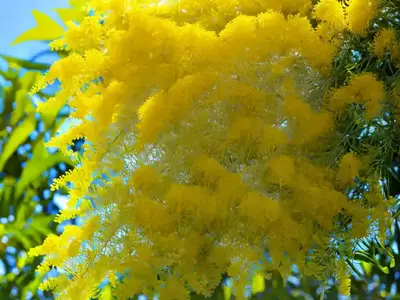
Acacia Baileyana ‘Purpurea’ (Cootamundra Wattle)
Acacia baileyana ‘Purpurea’, commonly known as Cootamundra Wattle, is a striking and versatile ornamental plant that belongs to the family Fabaceae. With.


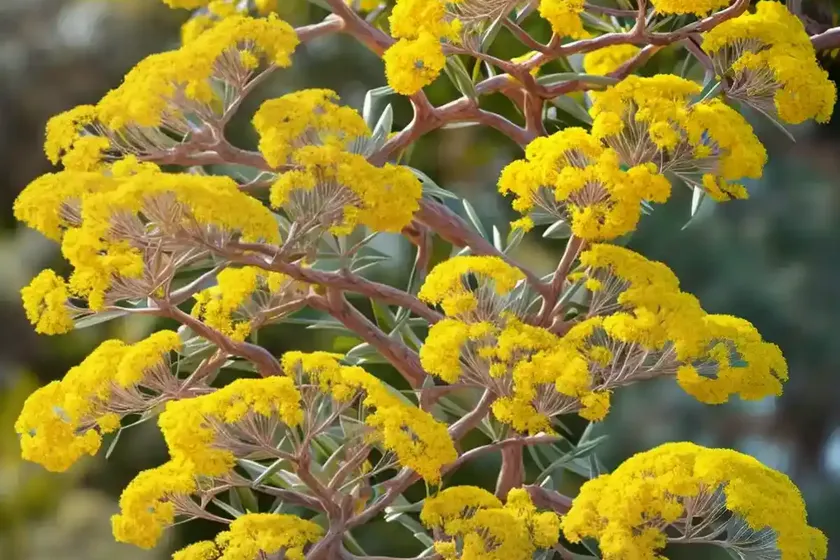
Acacia baileyana ‘Purpurea’, commonly known as Cootamundra Wattle, is a striking and versatile ornamental plant that belongs to the family Fabaceae. With its unique attributes and numerous applications, this plant has gained popularity among gardeners and landscaping enthusiasts. In this comprehensive guide, we will delve into the various aspects of the Acacia baileyana ‘Purpurea’, including its characteristics, cultivation, common uses, pests and diseases, and much more.
What is Acacia baileyana ‘Purpurea’?
Acacia baileyana ‘Purpurea’ is a visually captivating evergreen shrub or small tree, valued for its feathery, dark purple foliage and attractive, fragrant flowers. It is a cultivar of the Acacia baileyana species, which is native to Australia, specifically New South Wales and Victoria. This variety is known for its deep purple to bronze-colored leaves, which offer a distinctive and striking contrast against the typical greenery in most landscapes.
Key Takeaways – Acacia baileyana ‘Purpurea’
Before diving into the specific components of caring for this unique plant, it’s essential to understand its main characteristics and benefits. Let’s explore some of the key takeaways related to Acacia baileyana ‘Purpurea’:
- Scientific Name: Acacia baileyana ‘Purpurea’
- Common Name: Cootamundra Wattle
- Foliage: Dark purple to bronze color
- Flowers: Fragrant and bright yellow
- Growth Habit: Evergreen shrub or small tree
- Hardiness Zone: 8-11
- Uses: Ornamental, landscaping, wildlife attraction
- Pests and Diseases: Susceptible to certain pests; relatively disease-resistant
- Cultural Requirements: Well-drained soil, adequate sunlight, occasional pruning
- Special Features: Drought-tolerant, low maintenance, versatile in various landscapes
Culture
Understanding the cultural requirements of Acacia baileyana ‘Purpurea’ is crucial for its successful growth and development. From soil preferences to watering needs, each aspect plays a vital role in ensuring the plant’s overall health and vigor. Let’s examine some of the key cultural considerations for this unique plant:
Soil
Acacia baileyana ‘Purpurea’ thrives in well-drained soil with a slightly acidic to neutral pH. The soil should be rich in organic matter, promoting healthy root development and overall plant growth. A sandy loam or loamy soil type is ideal for maintaining adequate drainage while retaining essential moisture for the plant’s vitality.
Water
While mature Acacia baileyana ‘Purpurea’ plants are relatively drought-tolerant, proper watering is essential, especially during the establishment phase and prolonged dry spells. Adequate irrigation is crucial to support the plant’s growth and flowering. However, it’s important to avoid waterlogged conditions, as this can lead to root rot and other associated issues.
Sunlight
Cootamundra Wattle thrives in full sunlight and can tolerate partial shade. Adequate sunlight is crucial for promoting healthy foliage coloration and prolific flowering. When planted in areas with insufficient sunlight, the plant may exhibit reduced vigor and diminished ornamental appeal.
Fertilizer
A balanced, slow-release fertilizer is beneficial for promoting the growth and overall health of Acacia baileyana ‘Purpurea’. An application of fertilizer in early spring, prior to the onset of new growth, can provide the necessary nutrients to support the plant’s development and flowering. Additionally, a yearly mulching with organic matter can further enhance soil fertility and moisture retention.
Pruning
Pruning is an essential aspect of Acacia baileyana ‘Purpurea’ maintenance, contributing to shaping the plant, promoting better flowering, and managing its overall size and form. Regular pruning is typically recommended after the flowering period to remove dead or damaged branches and encourage new growth. Additionally, selective pruning can help maintain the desired shape and density of the plant.
Uses
The versatile nature of Acacia baileyana ‘Purpurea’ makes it a valuable addition to various landscaping and gardening applications. From its ornamental appeal to its ecological contributions, the plant serves numerous purposes, making it a favored choice among gardening enthusiasts and landscape designers. Let’s explore some of the common uses of Cootamundra Wattle:
Landscape Ornamental
The distinctive dark purple to bronze foliage of Acacia baileyana ‘Purpurea’ offers a unique visual appeal, serving as a focal point in a wide array of landscape settings. Whether utilized as a standalone specimen, a contrasting element in mixed borders, or a feature in ornamental garden designs, this plant adds a touch of elegance and sophistication to the outdoor environment.
Wildlife Attraction
The fragrant yellow flowers of Cootamundra Wattle attract various pollinators, including bees and butterflies, contributing to the ecological diversity of the surrounding area. Additionally, the plant provides shelter and foraging opportunities for small birds and other wildlife, enhancing the overall biodiversity within the landscape.
Erosion Control
Due to its deep root system and the ability to thrive in diverse soil conditions, Acacia baileyana ‘Purpurea’ is often utilized for erosion control and slope stabilization. Its resilience to dry and challenging environments makes it a suitable choice for reclaiming disturbed or degraded areas, contributing to environmental restoration efforts.
Ornamental Cut Foliage
The striking foliage of Cootamundra Wattle is often harvested for ornamental arrangements and floral crafts, adding a dramatic and sophisticated touch to floral displays and décor. The unique coloration and texture of the leaves make them an attractive and sought-after material for artistic and creative endeavors.
Environmental Enhancement
In addition to its ornamental and ecological benefits, Acacia baileyana ‘Purpurea’ contributes to the overall environmental quality by improving soil stability, reducing runoff, and supporting the health of surrounding plant communities. Its adaptable nature and resilience make it a valuable asset in promoting sustainable and resilient landscapes.
Stay tuned for the second part of this comprehensive guide, where we will delve into the propagation, container gardening, common diseases, and pests of Acacia baileyana ‘Purpurea’!
References:
– “Acacia baileyana ‘Purpurea’ care”, Gardening Know How, Link
Note: This is the first part of the blog post, focused on the introductory aspects of Acacia baileyana ‘Purpurea’. Please let me know if you would like to continue with the subsequent sections.