Acacia Baileyana (Cootamundra Wattle)
The world of plant science is rife with marvels, and the Acacia baileyana, commonly known as the Cootamundra Wattle, is no exception. This article is a.


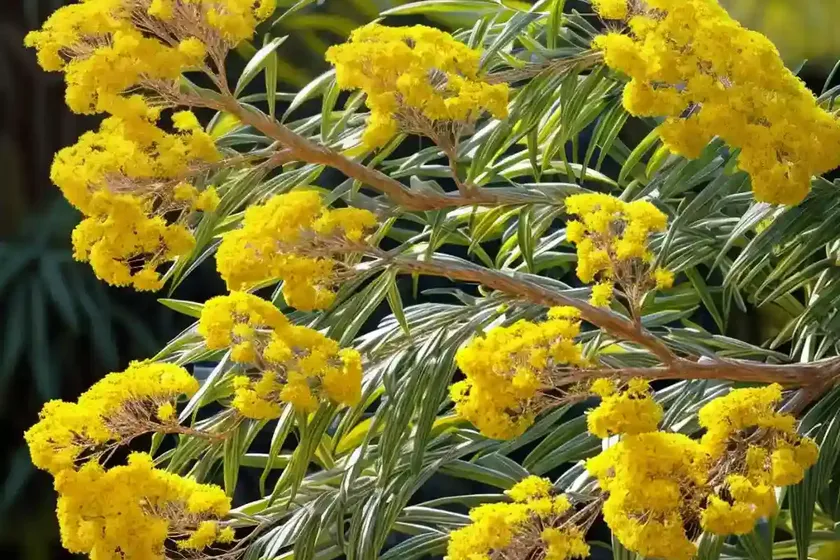
The world of plant science is rife with marvels, and the Acacia baileyana, commonly known as the Cootamundra Wattle, is no exception. This article is a comprehensive guide to understanding and caring for this beautiful plant.
What is Acacia baileyana (Cootamundra Wattle)?
The Acacia baileyana, a member of the Fabaceae family, is a small to medium-sized tree native to southeastern Australia. It is highly valued for its stunning golden blooms and attractive foliage. The plant was first discovered and named by the botanist Ferdinand von Mueller in 1888, in honor of the botanist Frederick Manson Bailey.
Key Takeaways – Acacia baileyana (Cootamundra Wattle)
Here are some key takeaways about the Acacia baileyana:
- Growth Habit: The Acacia baileyana is a small to medium-sized tree typically reaching heights of 20 to 30 feet (6 to 9 meters) with a spread of 15 to 25 feet (4.5 to 7.5 meters).
- Characteristics: It is notable for its fern-like, silvery gray foliage and vibrant, spherical golden flower heads.
- Flower Color: The flowers are a vibrant golden yellow, creating a spectacular display during the blooming season.
- Foliage: The pinnate leaves are strikingly silvery blue-gray, adding to the plant’s visual appeal.
- Pruning Tips: Proper pruning is essential to maintain a healthy and visually appealing Cootamundra Wattle.
- Care Instructions: The plant requires specific cultural care to thrive in various environments.
- Water Requirements: Understanding the plant’s water needs is critical for its successful cultivation.
- Soil Preferences: The Acacia baileyana has specific soil preferences that promote healthy growth.
- Sun Exposure: Adequate sunlight is crucial for the plant’s overall health and flowering.
- Pest Control: Identifying and managing pests is essential for safeguarding the Cootamundra Wattle.
- Disease Resistance: Knowing the plant’s disease resistance is important for proactive management.
- Landscape Uses: The Cootamundra Wattle is a popular choice for various landscaping applications.
- Native Habitat: Understanding the plant’s natural habitat can provide insights into its ideal growing conditions.
- Wildlife Attraction: The plant’s features can attract and support diverse wildlife species.
- Propagation Methods: Knowing the different propagation methods can aid in expanding the plant population.
- Seasonal Changes: Understanding the plant’s seasonal variations is essential for its care and maintenance.
- Drought Tolerance: The plant’s ability to withstand drought is crucial, especially in arid climates.
- Companion Plants: Identifying suitable companion plants enhances the aesthetic appeal of the landscape.
- Container Gardening: The plant’s suitability for container gardening expands its versatility in various settings.
- Invasive Tendencies: Awareness of the plant’s invasive potential is vital for responsible cultivation.
- USDA Hardiness Zones: Knowing the plant’s hardiness zones aids in determining its geographical suitability.
- Pollination Process: Understanding the pollination process is essential for seed production and genetic diversity.
- Medicinal Uses: Recognizing any potential medicinal uses adds to the plant’s value.
- Historical Significance: Exploring the plant’s historical significance enriches its cultural and botanical appeal.
Now, let’s delve deeper into each aspect of caring for the captivating Acacia baileyana.
Culture
Uses
The Acacia baileyana holds immense cultural significance to many Indigenous Australian communities. The plant has traditional uses, including making tools and weapons, food sources, as well as for medicinal purposes. Furthermore, its unique appearance and vibrant blooms make it a favored ornamental plant globally.
Water
The water requirements of the Cootamundra Wattle are moderate. Like many plants, newly planted specimens should be watered regularly to aid in the establishment of their root systems. Once established, the plant displays good tolerance to moderate drought conditions. However, prolonged dry periods can lead to stress and impact flowering. During extended dry spells or in particularly hot climates, supplemental watering is advantageous, particularly for plants in containers or those newly introduced to the landscape.
Sunlight
The Acacia baileyana thrives in full sunlight. When selecting a planting location, it is essential to choose a spot that receives ample direct sunlight to promote healthy growth and prolific blooming.
Fertilizer
While the Cootamundra Wattle is known for its ability to thrive in poor soils, regular fertilization can enhance its growth and flowering. Selecting an appropriate fertilizer and following the recommended application rates is crucial. A balanced, slow-release fertilizer applied in spring can benefit the plant by ensuring it receives the essential nutrients throughout the growing season.
Soil
The Cootamundra Wattle prefers well-draining soils with a slightly acidic to neutral pH. The plant can tolerate a range of soil types, including sandy, loamy, and clay soils, as long as they are well-draining. Compacted or poorly-draining soils can lead to root rot and other issues. Adding organic matter to the soil during planting or as a top dressing in subsequent years can improve soil structure and fertility.
Pruning
Pruning is an important aspect of maintaining the health and aesthetics of the Acacia baileyana. The plant can benefit from regular pruning to remove dead or diseased branches, improve its shape, and encourage healthy new growth. Pruning is typically performed after flowering to avoid impacting the next season’s blooms. It is important to use sharp, clean tools and follow proper pruning techniques to minimize stress and potential disease transmission.
Propagation
The Acacia baileyana can be propagated through various methods, including seeds, cuttings, and layering.
Propagation by Seeds
- Collect ripe seed pods in late summer or early autumn when they have turned brown and started to split.
- Extract the seeds from the pods and sow them directly in well-prepared soil in a sunny location.
- Keep the soil consistently moist until the seeds germinate, which typically occurs within a few weeks.
- Once the seedlings are large enough to handle, transplant them into individual pots or a designated planting area.
Propagation by Cuttings
- Take semi-hardwood cuttings in late summer or early autumn, selecting healthy, non-flowering branches.
- Remove the lower leaves from the cutting and dip the cut end in a rooting hormone powder.
- Plant the cutting in a well-draining potting mix and keep it consistently moist.
- The cutting should develop roots within several weeks, after which it can be transplanted into a larger container or the desired planting site.
Container Popularity
Due to its relatively small size and attractive appearance, the Acacia baileyana is well-suited for container cultivation. This allows for mobility and flexibility in the landscape, making it an ideal choice for patios, balconies, and other confined spaces.
Common Diseases
Disease Diagnosis
While the Cootamundra Wattle is generally resilient, it can be susceptible to certain diseases, including:
- Root Rot: This fungal disease typically occurs in poorly-draining soils and can lead to plant decline.
- Powdery Mildew: This fungal infection manifests as a powdery white substance on the leaves, impacting the plant’s overall vigor.
- Canker: Cankers are sunken, dead areas on the bark that can weaken the plant and provide entry points for other pathogens.
- Dieback: This condition causes the gradual death of foliage and shoots, often due to stress or disease.
It is essential to promptly diagnose and treat any potential disease issues to prevent their spread and minimize their impact on the plant.
Common Pests
The Acacia baileyana can face infestations from various pests, including:
- Aphids: These small insects can cluster on the new growth and cause stunted or distorted leaves.
- Caterpillars: Some species of caterpillars can feed on the foliage, leading to extensive defoliation.
- Thrips: Thrips can cause silvery patches on the leaves and affect the overall appearance of the plant.
Regular monitoring and implementing appropriate pest control measures, such as horticultural oils or insecticidal soaps, can help manage pest populations and minimize their impact on the plant.
Botanist’s Tips
Fun Facts
The Acacia baileyana, with its graceful appearance and striking blooms, has several intriguing features:
- The species epithet “baileyana” honors the prominent Queensland botanist Frederick Manson Bailey, recognized for his botanical contributions in the late 19th and early 20th centuries.
- The plant’s golden blooms attract various pollinators, including bees and butterflies, enhancing the biodiversity of its surroundings.
- The Acacia baileyana’s distinctive foliage has earned it the nickname “Fern Leaf Acacia,” further underscoring its unique appeal.
Links to External Resources
For additional information and resources on the Acacia baileyana, refer to the following links:
The passion and devotion to nurturing plants, including the captivating Acacia baileyana, continue to be pivotal in advancing botanical knowledge and fostering a deeper appreciation for the natural world. With the insights shared in this guide, enthusiasts and horticulturists alike can confidently embark on the journey of cultivating and cherishing this incredible species.