Acacia (Acacia Sensu Lato)
Acacias, scientifically known as Acacia Sensu Lato, are a diverse group of plants belonging to the legume family, Fabaceae. This large genus encompasses a.
Acacias, scientifically known as Acacia Sensu Lato, are a diverse group of plants belonging to the legume family, Fabaceae. This large genus encompasses a wide range of species, offering an array of uses and benefits. In this comprehensive guide, we shall delve into the various aspects of Acacia plants, from their cultivation and care to their ecological significance and traditional uses.
What is an Acacia (Acacia Sensu Lato)?
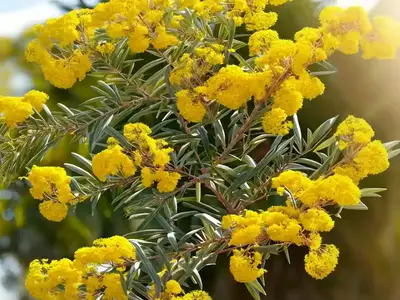
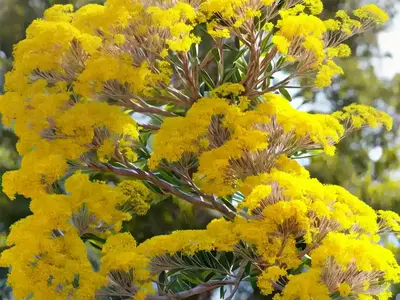
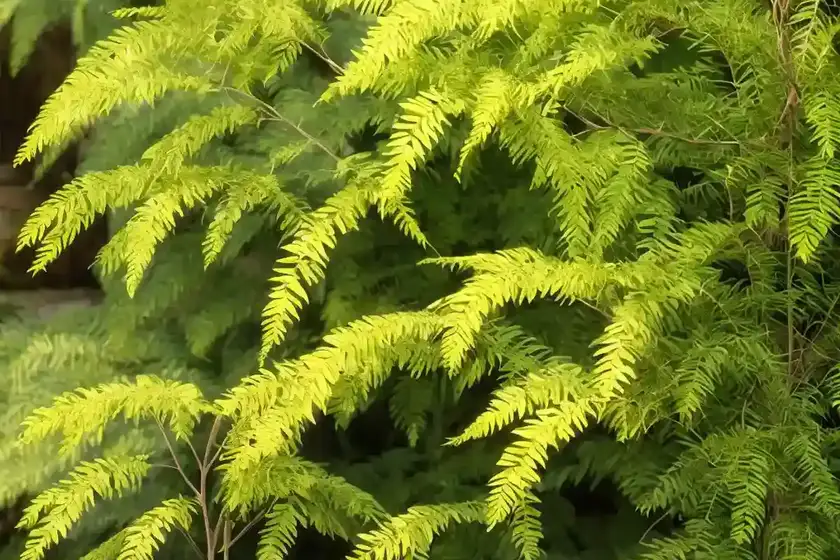
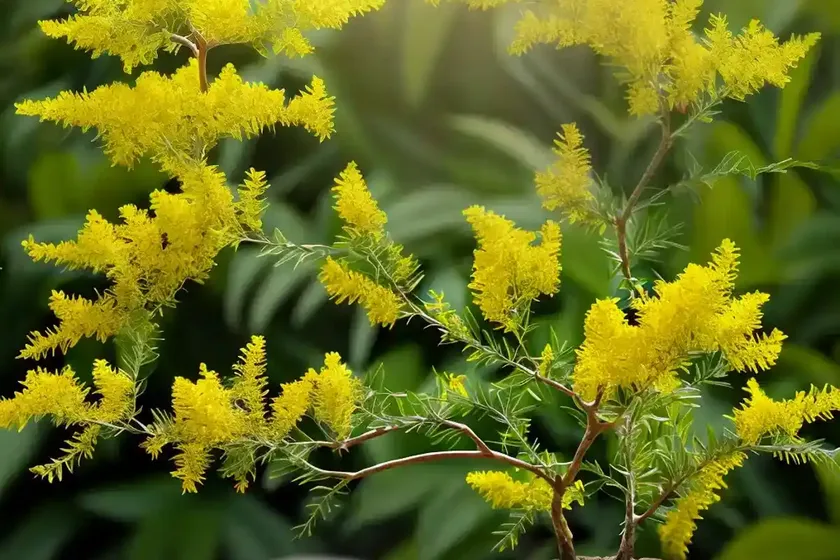
Acacia, also known as wattle, mimosa, thorntree, or acacia, is a genus of shrubs and trees that is indigenous to Africa, Australia, and the Americas. This diverse genus, with its characteristic feathery foliage and vividly colored blooms, holds significant ecological, cultural, and economic importance. Acacias can be found in a wide range of habitats, from arid deserts to lush rainforests, showcasing their adaptability and resilience.
The Acacia genus is deeply embedded in various cultures and traditions, often revered for its medicinal properties, ornamental value, and as a source of timber and food. Furthermore, several species of Acacia play a crucial role in their respective ecosystems, providing food and shelter for numerous animals and aiding in soil enrichment.
Key Takeaways – Acacia (Acacia Sensu Lato)
Before delving into the specifics of Acacia care and cultivation, let’s explore the key highlights of these remarkable plants.
Acacia Characteristics
- Genus: Acacia Sensu Lato
- Family: Fabaceae
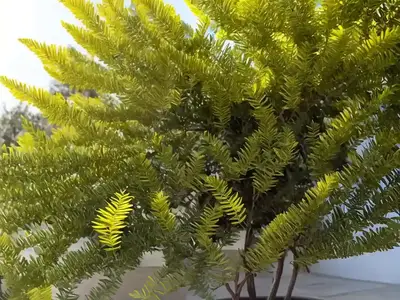
- Foliage: Feathery, bipinnate leaves
- Flowers: Typically small, vibrant globular or elongated clusters
- Habitat: Diverse habitats including deserts, savannas, and rainforests
- Ecological Importance: Acts as a valuable food source for animals and aids in nitrogen fixation
Acacia Sensu Lato Uses
- Cultural Significance: Holds religious and cultural importance in several societies
- Landscape Design: Ornamental value in gardens and parks
- Timber: Source of durable and versatile wood
- Medicinal Properties: Traditional uses in herbal medicine
Acacia Sensu Lato Distribution
- Regions: Africa, Australia, and the Americas
- Habitats: Adapted to thrive in a wide range of environments
Now, let’s explore the intricacies of cultivating and caring for Acacia plants.
Culture
Cultivating Acacias involves understanding their specific requirements and adapting to their ecological preferences. From soil and water needs to sunlight and pruning techniques, providing optimal conditions is crucial for the health and vitality of these plants.
Water
Acacia Water Requirements
- Established Plants: Low to moderate water needs, drought-tolerant once established
- Seedlings: Require regular watering until established
- Watering Frequency: Water deeply but infrequently, allowing the soil to dry out between waterings
- Adjustments: Adapt watering schedule based on environmental factors, such as temperature and humidity
Sunlight
Acacia Sunlight Preferences
- Exposure: Full sun to partial shade
- Optimal Sunlight: Provide at least 6-8 hours of direct sunlight per day
- Shade Intolerance: Avoid prolonged exposure to dense shade, as it may impact flowering and overall vigor
Fertilizer
Fertilizing Acacia Plants
- Nutrient Needs: Generally low to moderate fertilizer requirements
- Timing: Apply a balanced fertilizer during the growing season
- Caution: Avoid excessive nitrogen fertilization, which may lead to vigorous growth at the expense of flowering
Soil
Ideal Soil Conditions for Acacia
- Drainage: Well-draining soil to prevent waterlogging
- pH Levels: Preferably neutral to slightly acidic soil (pH 6.0-7.5)
- Composition: Sandy loam or loamy soil with adequate organic matter
Pruning
Pruning plays a crucial role in shaping the growth and form of Acacia plants, promoting air circulation, and removing damaged or diseased branches. Proper pruning techniques can enhance the plant’s aesthetic appeal and overall health.
Pruning Guidelines for Acacia
- Timing: Prune in late winter to early spring before the onset of new growth
- Techniques: Remove dead, damaged, or crossing branches
- Size Control: Restrict excessive growth and maintain desired shape
- Sanitization: Use sterilized tools to prevent the spread of diseases
Propagation
Propagating Acacia Plants
- Methods: In general, propagate through seed germination, cuttings, or layering
- Seed Propagation: Sow seeds in well-draining mix and maintain consistent moisture
- Cutting Propagation: Utilize semi-hardwood cuttings for propagation
- Layering: Encourage root growth by burying a portion of a low branch in the soil
Container Popularity
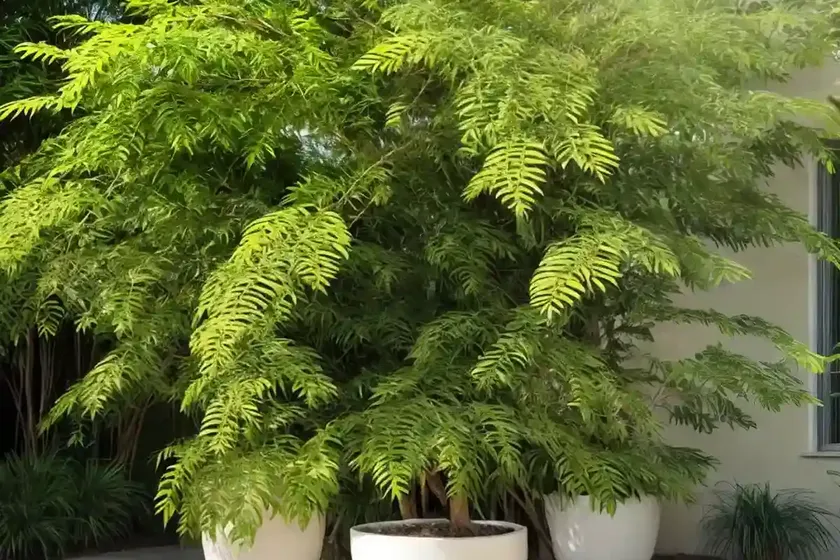
Growing Acacias in Containers
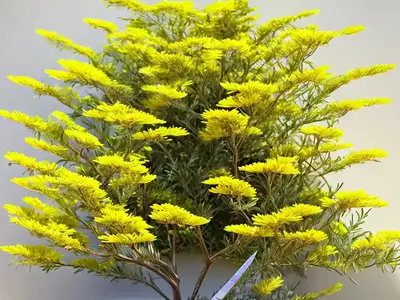
- Suitable Species: Select compact or dwarf varieties for container cultivation
- Soil Mix: Well-draining potting mix with added organic matter
- Container Size: Choose a sufficiently large container to accommodate root development
Now, let’s delve into the potential challenges and remedies associated with Acacia plant care.
Common Diseases
Disease Diagnosis
Identifying and addressing diseases in Acacia plants is essential to prevent their spread and minimize potential damage to the plant. Several common diseases may affect Acacias, including:
- Powdery Mildew: Manifests as a powdery white substance on leaves
- Root Rot: Causes wilting, discoloration, and decay of roots
- Leaf Spot: Visible as dark, water-soaked lesions on the leaves
- Dieback: Characterized by the progressive death of branches
Disease Management
Effective disease management involves proactive measures such as proper sanitation, regular inspection, and prompt intervention. Here are some general strategies to mitigate common diseases in Acacias:
- Cultural Practices: Provide adequate air circulation and maintain optimal plant health
- Fungicidal Treatments: Apply appropriate fungicides as per the specific disease encountered
- Pruning: Remove affected plant parts to prevent disease spread
Common Pests
Acacia Pest Infestations
Acacia plants may be susceptible to pest attacks, which can impact their growth and vitality. Common pests that may affect Acacias include:
- Aphids: Suck sap from the tender parts of the plant, leading to wilting and deformities
- Scale Insects: Secrete sticky honeydew, leading to sooty mold growth
- Borers: Tunnel into the wood, causing structural damage
Pest Control Measures
Addressing pest infestations promptly is crucial to safeguard the health of Acacia plants. Here are some effective pest control strategies:
- Natural Predators: Encourage the presence of beneficial insects that prey on pests
- Horticultural Oils: Apply horticultural oils to suffocate and deter pests
- Integrated Pest Management: Implement a holistic approach involving cultural, mechanical, and chemical control methods
Now that we have explored various aspects of caring for Acacia plants, let’s uncover some additional insights and tips offered by botanists.
Botanist’s Tips
Botanical Observations
- Close Observation: Regularly inspect the plant for signs of disease, pest infestations, or nutrient deficiencies
- Recording: Maintain a journal to document growth patterns, flowering times, and any observed anomalies
- Interaction: Engage with fellow botanists and horticulturists to exchange insights and experiences
Species Selection
- Match to Environment: Select Acacia species suited to the local climate and soil conditions
- Utilization: Choose varieties based on intended uses, such as ornamental, timber, or ecological restoration
Fun Facts about Acacia
- Species Diversity: The Acacia genus comprises over 1,000 species, showcasing a remarkable diversity of forms and adaptations
- Traditional Uses: Various indigenous cultures have utilized Acacia plants for medicinal, ceremonial, and culinary purposes
- Ecological Significance: Acacias serve as keystone species in several ecosystems, supporting diverse wildlife and aiding in soil enrichment
Links to External Resources
Enhance your understanding of Acacia plants by exploring the following reputable resources:
- The Plant List – Acacia
- The Australian Acacia Study Group
- World Wide Wattle – A comprehensive resource for Acacia species
- The Kew Royal Botanic Gardens – Acacia
In conclusion, Acacias, with their rich cultural history, ecological significance, and diverse uses, stand as remarkable plants that warrant admiration and conservation. By adhering to the best practices in cultivation and care, we can continue to appreciate and benefit from these extraordinary species.
By delving into the intricate details of Acacia (Acacia Sensu Lato) plants, we’ve gained valuable insights into their cultivation, care, and ecological significance. From water and sunlight requirements to disease management and botanist’s tips, this comprehensive guide equips plant enthusiasts and horticulturists with the knowledge needed to nurture and appreciate these remarkable plants.
If you enjoyed this guide, please feel free to share it with fellow plant enthusiasts and those intrigued by the captivating world of Acacia plants. Happy gardening!