Flowering Maple Plant (Abutilon Striatum)
In the world of plants, there are many fascinating and beautiful species, each with its own unique characteristics and requirements. One such plant is the.
In the world of plants, there are many fascinating and beautiful species, each with its own unique characteristics and requirements. One such plant is the Flowering Maple, also known by its scientific name Abutilon striatum. This stunning plant is a member of the Malvaceae family and is native to Brazil. It has gained popularity among gardeners and plant enthusiasts for its vibrant blooms and ease of care. In this comprehensive guide, we will explore all aspects of the Flowering Maple plant, including its cultural preferences, uses, maintenance, and much more.
What is the Flowering Maple Plant (Abutilon striatum)?
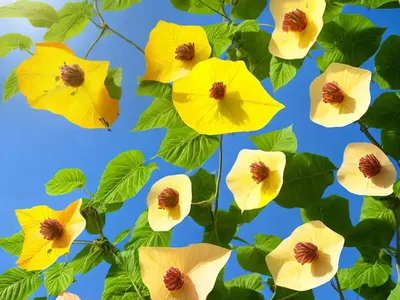
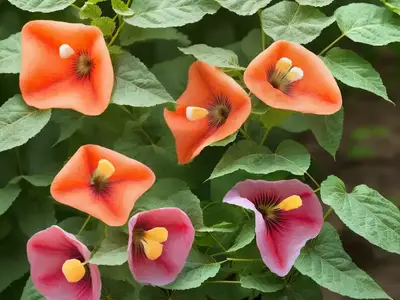
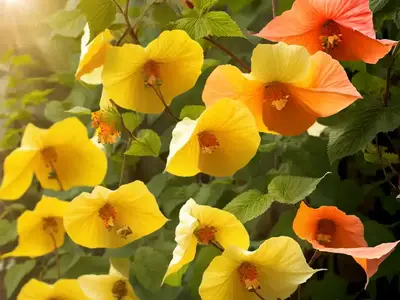
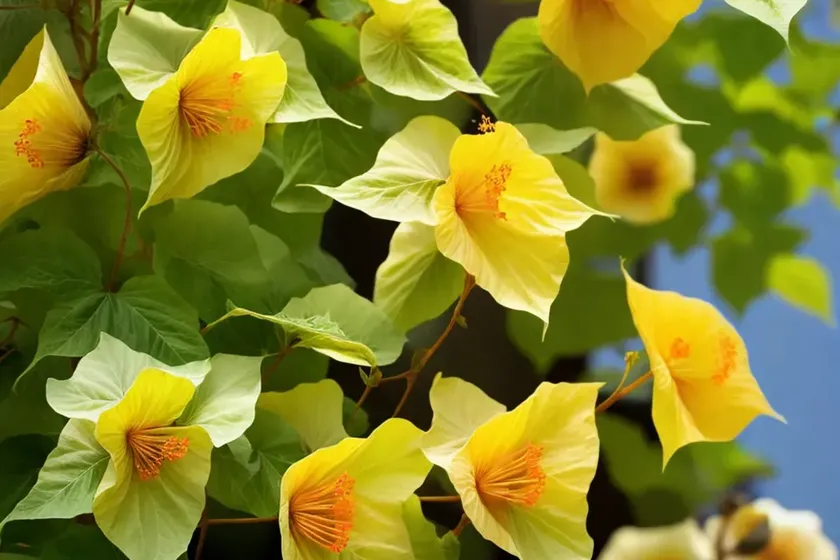
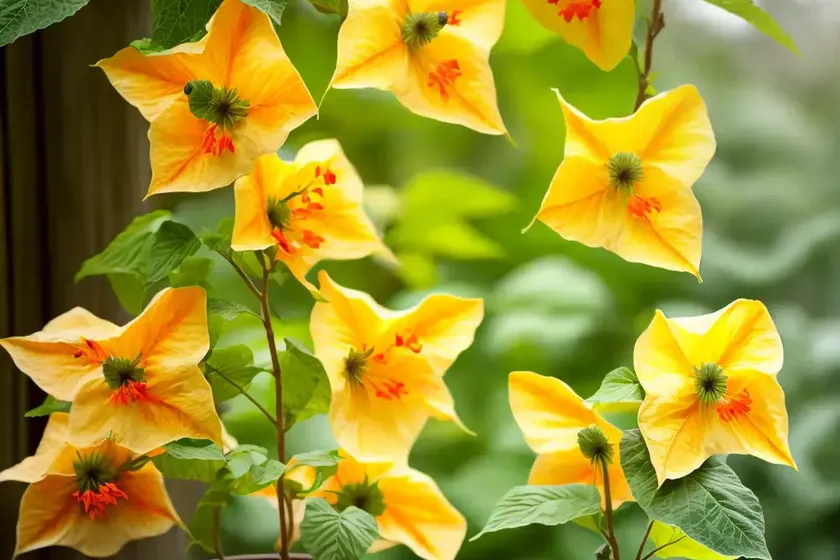
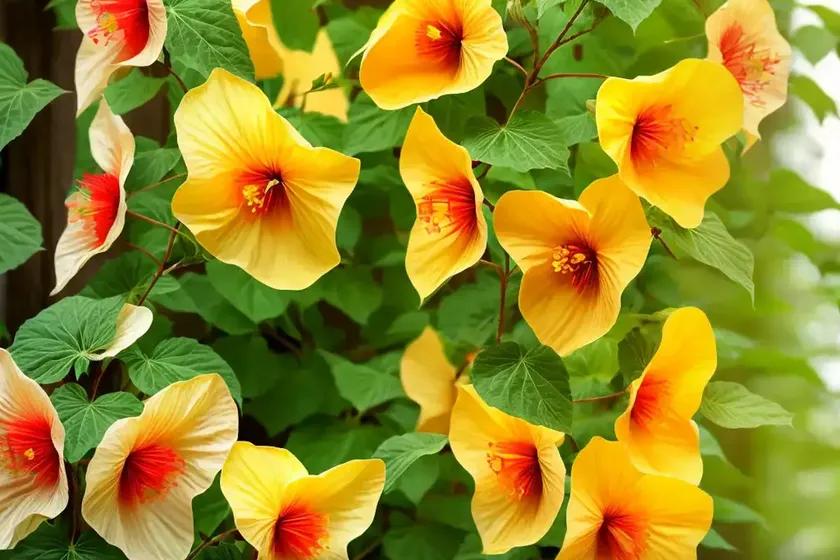
The Flowering Maple, despite its name, is not related to the maple tree but rather gets its name from the shape of its leaves which resemble those of the maple. It is an evergreen shrub that can grow up to 8 feet tall and 4 feet wide, boasting attractive, maple-like leaves and striking bell-shaped flowers that range in color from pale yellow to deep orange. The flowers are prolific and add a vibrant splash of color to gardens and indoor spaces, making the Flowering Maple a sought-after plant for both interior and exterior decoration.
Key Takeaways
- Scientific Name: Abutilon striatum
- Common Name: Flowering Maple
- Family: Malvaceae
- Origin: Brazil
- Plant Type: Evergreen shrub
- Height: Up to 8 feet
- Width: Up to 4 feet
- Flower Colors: Pale yellow to deep orange
Now, let’s delve deeper into the various aspects of the Flowering Maple plant, from its cultural requirements to its uses and maintenance.
Culture
Understanding the cultural requirements of the Flowering Maple is crucial for its successful growth and development. This encompasses factors such as water, sunlight, fertilizer, soil, and pruning.
Uses
The Flowering Maple is a versatile plant that can be used in various ways, including:
- Ornamental Plant: Its eye-catching flowers and attractive foliage make it a popular choice for ornamental purposes in gardens and landscapes.
- Indoor Decoration: As a houseplant, the Flowering Maple adds a touch of natural beauty to interior spaces, with its colorful blooms brightening up any room.
- Pollinator Attractor: The nectar-rich flowers of the Abutilon striatum attract bees, butterflies, and hummingbirds, making it a valuable addition to pollinator gardens.
Water
Proper watering is essential for the health and vigor of the Flowering Maple. Here are some water requirements and tips:
- Watering Needs: The Flowering Maple prefers consistently moist, well-draining soil. It should be watered when the top inch of soil feels dry to the touch.
- Watering Frequency: In general, watering 1-2 times per week is sufficient, but this may vary depending on the climate and weather conditions.
- Avoid Overwatering: While the plant enjoys moist soil, it is crucial to prevent waterlogging, as this can lead to root rot and other issues.
Sunlight
The Flowering Maple thrives in bright, indirect sunlight. Here’s what you need to know about its sunlight requirements:
- Light Preferences: This plant prefers bright, filtered light. It can tolerate some direct morning sun but should be shielded from intense afternoon sunlight, especially in hot climates.
- Indoor Placement: When grown indoors, place the plant near a window where it can receive ample natural light without being exposed to harsh sunbeams.
Fertilizer
Proper fertilization encourages healthy growth and abundant flowering in the Abutilon striatum. Consider the following when fertilizing this plant:
- Fertilizer Type: Use a balanced, all-purpose fertilizer with a higher phosphorus content to promote flower production.
- Application Frequency: Fertilize the plant every 4-6 weeks during its active growing season, which typically spans from spring to early fall.
Soil
The right soil type provides the foundation for the Flowering Maple’s well-being. Consider these soil conditions for optimal growth:
- Well-Draining Soil: The Flowering Maple thrives in well-draining, slightly acidic soil. A mix formulated for flowering shrubs or general potting mix with added perlite for improved drainage is suitable.
- Container-Grown Plants: When growing the plant in containers, ensure the potting mix is well-draining and has good aeration.
Pruning
Regular pruning helps maintain the shape and health of the Flowering Maple. Here’s what you need to know about pruning Abutilon striatum:
- Pruning Time: Prune the plant in late winter or early spring before the start of new growth to remove any dead, weak, or overgrown branches.
- Pruning Technique: Use clean, sharp pruners to make precise cuts. Trim the plant to maintain its desired size and shape, and remove any diseased or damaged growth.
Propagation
Propagation allows for the multiplication of the Flowering Maple, enabling more individuals to enjoy this beautiful plant. Here are some methods for propagating Abutilon striatum:
- Stem Cuttings: Propagate the plant from stem cuttings taken in spring or early summer. Dip the cut ends in rooting hormone, then plant them in a well-draining propagation mix.
- Air Layering: This method involves creating a wound on the stem, applying rooting hormone, and wrapping the wounded area with moist moss or vermiculite until roots form.
Container Popularity
Given its versatility and aesthetic appeal, the Flowering Maple is a popular choice for container gardening. Here’s why it’s well-suited for growing in containers:
- Compact Size: The moderate size of the Abutilon striatum makes it suitable for container growth, allowing it to thrive on patios, balconies, and other confined spaces.
- Indoor Cultivation: When grown indoors, the plant’s container-friendly nature makes it an excellent addition to home décor.
Common Diseases
While the Flowering Maple is relatively resilient, it can be susceptible to certain diseases. Being aware of these diseases and their prevention is crucial for the plant’s well-being.
Disease Diagnosis
- Powdery Mildew: A fungal disease that presents as powdery white spots on the leaves, leading to distorted growth. Ensure good air circulation and avoid overhead watering to prevent this disease.
- Root Rot: Caused by overwatering or poorly draining soil, root rot can lead to wilting, yellowing leaves, and ultimately, plant death. Proper watering practices and well-draining soil are essential for prevention.
Common Pests
Pests can sometimes pose a threat to the Flowering Maple, so vigilance and prompt action are important for pest control.
- Aphids: These small, soft-bodied insects can cluster on the undersides of the leaves, sucking out plant juices and causing leaf distortion. Use insecticidal soap or neem oil to control aphid infestations.
- Whiteflies: These tiny, white insects congregate on the undersides of leaves, where they feed and lay eggs. Introduce natural predators like ladybugs or use insecticidal soap to manage whitefly populations.
Botanist’s Tips
As a plant scientist, here are some additional tips and insights for caring for the Flowering Maple:
- Temperature Tolerance: The Flowering Maple is sensitive to cold temperatures and should be protected from frost. In regions with harsh winters, consider growing it as a seasonal outdoor plant or provide winter protection if planted in the ground.
- Companion Plants: Pair the Flowering Maple with plants that have similar cultural preferences, such as other tropical ornamentals, to create visually appealing garden displays.
Fun Facts
- The Flowering Maple’s bell-shaped flowers are reminiscent of those of the real maple tree, hence its common name.
- In its native Brazil, the Abutilon striatum is referred to as “Sapatinho de Judia,” which translates to “Little Shoe of the Jew,” owing to the shape of its flowers.
Links to External Resources
For further information on caring for the Flowering Maple and expanding your knowledge of this captivating plant, consider exploring the following resources:
- The American Horticultural Society’s Flowering Maple Profile
- Royal Horticultural Society’s Guide to Growing Abutilon
Conclusion
The Flowering Maple, or Abutilon striatum, is a magnificent plant that captivates with its colorful blooms and elegant foliage. As a plant scientist, I am continually inspired by the beauty and resilience of this species, and I am delighted to share this in-depth guide to help enthusiasts and gardeners care for this remarkable plant. Whether grown in gardens or cherished as indoor decor, the Flowering Maple brings joy and natural splendor to any setting. By understanding its cultural needs, uses, maintenance, and more, we can ensure that the Flowering Maple continues to flourish and enchant for years to come.
With its rich history, practical uses, and aesthetic appeal, the Flowering Maple stands as a testament to the diverse and captivating world of plants, offering endless opportunities for learning, appreciation, and enjoyment.