Trailing Abutilon (Abutilon Megapotamicum)
Plants play an integral role in our lives, providing beauty, clean air, and even nourishment. One such plant that stands out for its trailing habit and.

Plants play an integral role in our lives, providing beauty, clean air, and even nourishment. One such plant that stands out for its trailing habit and vibrant blooms is the Trailing Abutilon, scientifically referred to as Abutilon Megapotamicum. This plant’s unique trailing vine and its range of uses make it a desirable addition to gardens and landscaping projects. In this comprehensive guide, we will delve into the various aspects of Trailing Abutilon, including its culture, uses, care requirements, and propagation techniques.
What is the Trailing Abutilon (Abutilon Megapotamicum)?
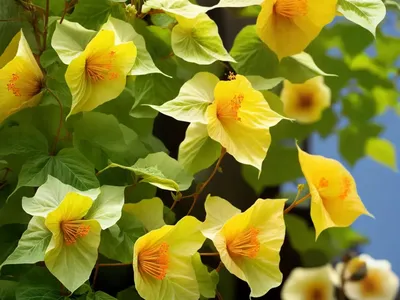
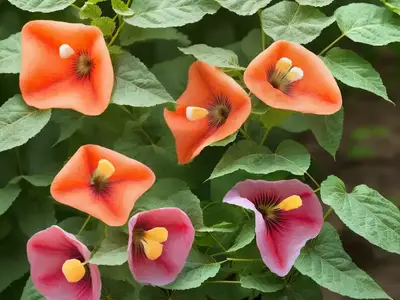
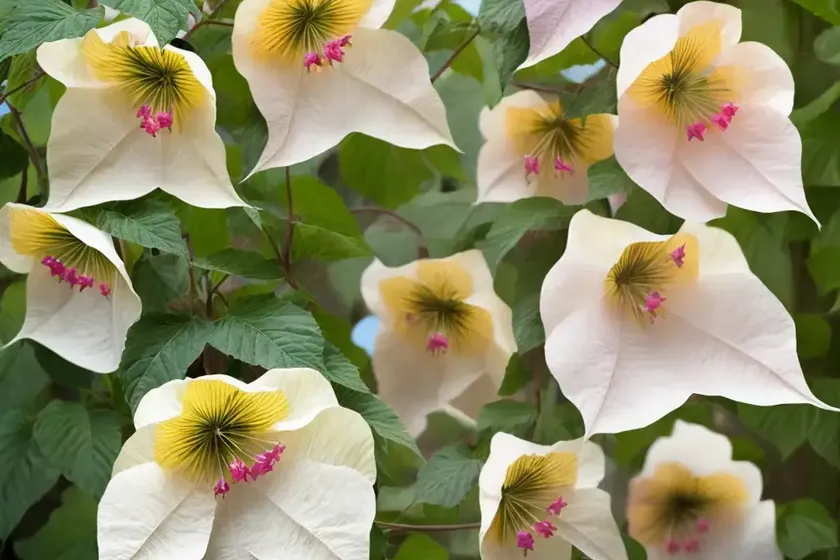
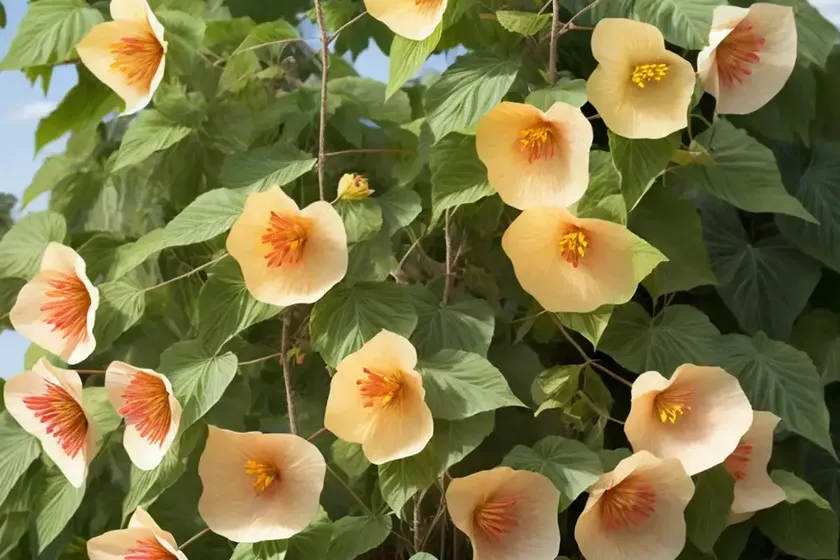
The Trailing Abutilon, also known as Abutilon Megapotamicum, is a perennial shrub that belongs to the family Malvaceae. This evergreen plant is native to regions of Brazil and Argentina and is popular for its ornamental value. The most distinctive feature of this plant is its drooping, bell-shaped flowers that bloom prolifically, adding a touch of elegance to any garden.
Key Takeaways – Trailing Abutilon (Abutilon Megapotamicum)
Before we delve into the specifics, let’s take a look at the key takeaways about the Trailing Abutilon:
- Plant Name: Trailing Abutilon (Abutilon Megapotamicum)
- Botanical Name: Abutilon Megapotamicum
- Family: Malvaceae
- Native Habitat: Brazil and Argentina
- Common Uses: Ornamental plant for gardens, trailing vine, hanging basket plant
- Distinctive Feature: Drooping, bell-shaped flowers
Culture
Uses
Trailing Abutilon holds multiple uses in gardening and landscaping. It is popularly used for:
- Ornamental purposes in gardens and parks.
- Trailing effect in garden designs.
- Hanging baskets, adding a cascade of colorful blooms.
- Ground cover, providing a lush carpet of foliage.
Water
Maintaining appropriate soil moisture levels is crucial for the healthy growth of Trailing Abutilon. Here are some considerations for watering this plant:
- Watering Frequency: While the plant requires regular watering, it’s essential to avoid waterlogging, as it can lead to root rot.
- Signs of Overwatering: Yellowing or wilting leaves may indicate overwatering, while excessive dryness can cause leaf drop.
Sunlight
Trailing Abutilon thrives in bright, indirect light conditions. Here are some key points to consider regarding sunlight requirements:
- Optimal Light: Partial shade to full sun is preferred, especially in cooler climates. Protection from intense afternoon sun is beneficial.
- Indoor Cultivation: When grown indoors, ensure the plant receives ample natural light or consider supplemental lighting.
Fertilizer
Fertilizing Trailing Abutilon can promote healthy growth and abundant flowering. Here’s a guide to fertilizing this plant:
- Fertilizer Type: Balanced, water-soluble fertilizers with an N-P-K ratio of 10-10-10 or 20-20-20 are suitable.
- Application Frequency: Apply fertilizer every 4-6 weeks during the growing season, avoiding excessive feeding to prevent nutrient imbalances.
Soil
The choice of soil plays a significant role in the well-being of Trailing Abutilon. Consider these factors when selecting or preparing the soil for this plant:
- Soil Type: Well-draining, loamy soil with a slightly acidic to neutral pH (6.0-7.0) is ideal.
- Amendments: Adding organic matter such as compost or peat moss can improve soil structure and fertility.
Pruning
Pruning helps maintain the desired shape and size of Trailing Abutilon and encourages prolific flowering. Key points to note about pruning include:
- Timing: Prune in late winter or early spring to remove dead or leggy growth and shape the plant.
- Deadheading Blooms: Regularly deadhead spent flowers to encourage continuous blooming.
Propagation
Propagating Trailing Abutilon allows gardeners to expand their collection and share this beautiful plant with others. The following methods can be utilized for propagation:
- Stem Cuttings: Rooting stem cuttings in a well-draining potting mix is a reliable propagation method.
- Seed Propagation: Although less commonly practiced, Trailing Abutilon can also be propagated from seeds, which require light for germination.
Container Popularity
The trailing habit and ornamental value of Trailing Abutilon make it a popular choice for container gardening. The following are some reasons for its popularity in container cultivation:
- Space Efficiency: Its trailing nature makes it a great option for hanging baskets and tall containers, maximizing vertical space.
- Ornamental Display: The colorful blooms and elegant trailing vines create visually appealing displays in containers.
Common Diseases
Trailing Abutilon is generally resilient but can be susceptible to certain diseases under unfavorable conditions. Common diseases affecting this plant include:
- Powdery Mildew: Characterized by powdery white patches on the leaves and stems, often caused by poor air circulation and high humidity.
- Leaf Spot: Circular, discolored spots on the leaves, caused by fungal pathogens under humid conditions.
Disease Diagnosis
Timely diagnosis and intervention are essential for managing diseases in Trailing Abutilon. Key points in disease diagnosis include:
- Visual Inspection: Regularly inspect the plant for any signs of discoloration, spots, or unusual growth.
- Symptom Identification: Identifying specific symptoms can help in determining the likely cause of the disease.
Common Pests
While generally hardy, Trailing Abutilon can attract some common pests. Identifying and addressing pest infestations is crucial for maintaining the plant’s health. Common pests include:
- Aphids: Small, sap-sucking insects that can cluster on new growth, causing distortion and stunted growth.
- Whiteflies: Tiny, white insects that fly up en masse when the plant is disturbed, feeding on the undersides of leaves.
Botanist’s Tips
Botanical experts and enthusiasts often have valuable insights and tips for successful plant care. Here are some tips from botanists for cultivating Trailing Abutilon:
- Mulching: Apply a layer of organic mulch around the base of the plant to conserve moisture and regulate soil temperature.
- Support Structures: Provide appropriate trellises or supports for Trailing Abutilon when grown as a climbing vine.
Fun Facts
Delving into the intriguing aspects of Trailing Abutilon can uncover some fascinating facts about this plant:
- Trailing Abutilon is commonly referred to as “Trailing Lantern” due to the lantern-like appearance of its flowers.
- It is a favorite among pollinators such as butterflies and hummingbirds, adding vibrancy to garden landscapes.
Links to External Resources
To further enrich your knowledge and understanding of Trailing Abutilon, here are some external resources that provide valuable information and insights:
- Royal Horticultural Society – Abutilon Megapotamicum
- Missouri Botanical Garden – Trailing Abutilon
- University of Florida IFAS Extension – Abutilon Megapotamicum
In conclusion, Trailing Abutilon (Abutilon Megapotamicum) stands out as a captivating and versatile plant that can enhance garden landscapes and container displays. By understanding its cultural requirements, propagation methods, and pest and disease management, gardeners can successfully cultivate and enjoy the beauty of this unique trailing vine. With the information provided in this comprehensive guide, you are equipped to embark on a rewarding journey of growing and caring for Trailing Abutilon, creating enchanting outdoor spaces and ornamental displays.