Abies Lasiocarpa (Subalpine Fir)
Abies lasiocarpa, commonly known as the Subalpine Fir, is a stunning evergreen conifer that is native to the Rocky Mountains and other high-elevation areas.
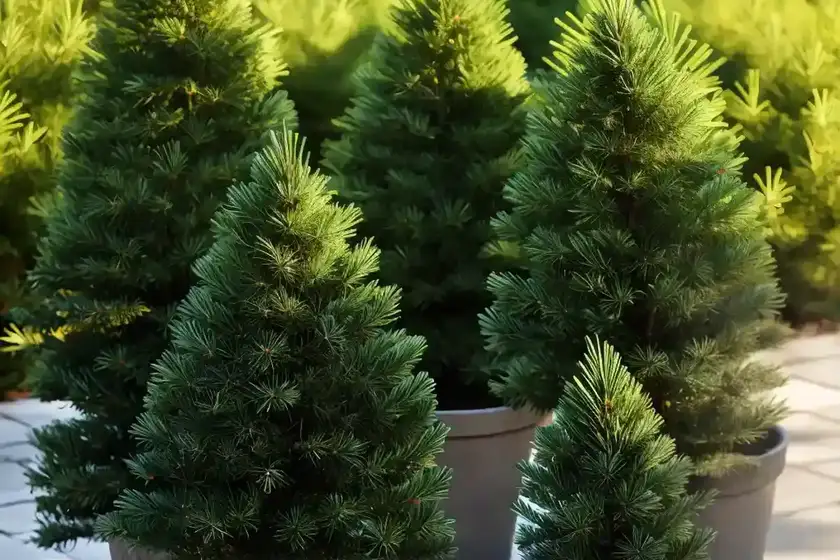
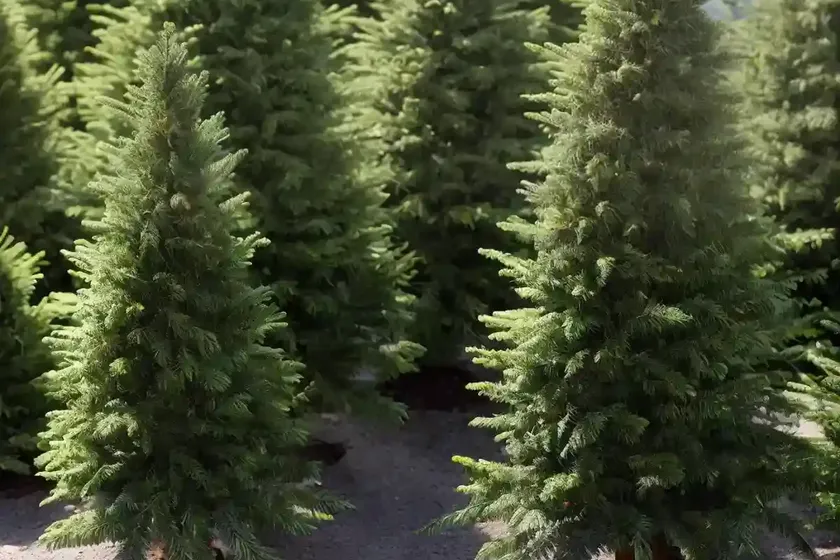
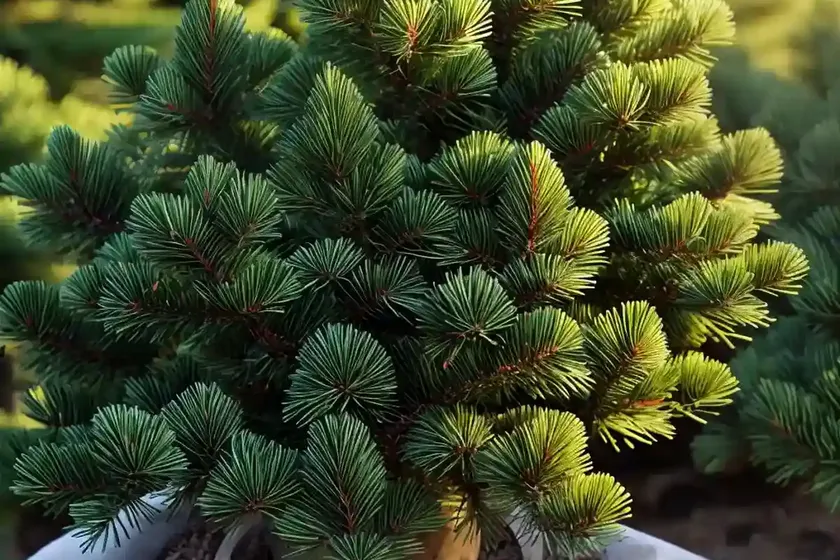
Abies lasiocarpa, commonly known as the Subalpine Fir, is a stunning evergreen conifer that is native to the Rocky Mountains and other high-elevation areas of western North America. Its impressive stature, beautiful green needles, and adaptability to various growing conditions make it a popular choice among landscape enthusiasts and conservationists. In this comprehensive guide, we will delve into the diverse aspects of Abies lasiocarpa, including its description, habitat, cultivation, care, ecological importance, and much more.
Abies lasiocarpa Description
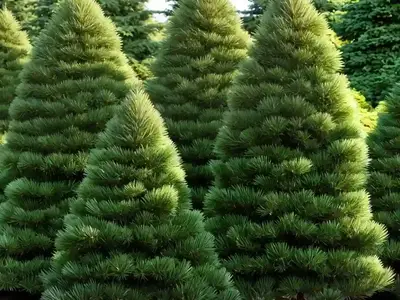
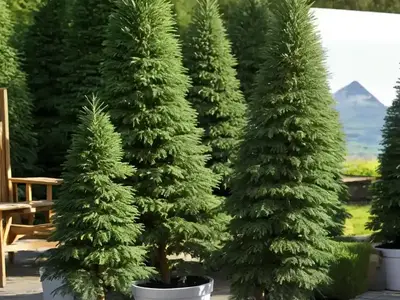
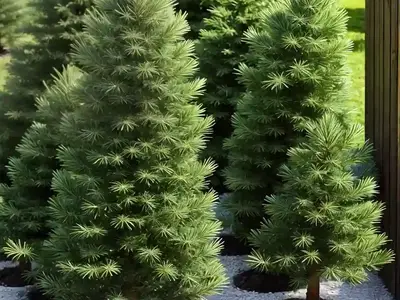
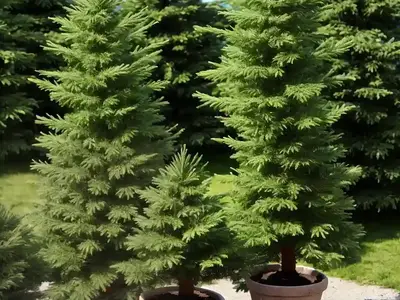
Abies lasiocarpa, belonging to the Pinaceae family, is a tall, slender, and graceful conifer with a pyramidal shape. It can reach heights of 40 to 100 feet with a spread of 10 to 20 feet at maturity. The species sports glossy dark green needles that are slightly flattened and silver-white on the underside, creating a striking appearance. The cones are purple and stand upright on the branches, adding to the tree’s ornamental value.
Subalpine Fir Characteristics
Here are some characteristic features of Abies lasiocarpa:
– Height: 40 to 100 feet
– Spread: 10 to 20 feet
– Foliage: Evergreen, flattened dark green needles with white undersides
– Cones: Upright, cylindrical, purple cones
– Growth Rate: Moderate
Abies lasiocarpa Facts
- Common Name: Subalpine Fir
- Scientific Name: Abies lasiocarpa
- Family: Pinaceae
- Native Habitat: Rocky Mountains of western North America
- USDA Hardiness Zones: 3 to 7
- Landscape Uses: Specimen tree, windbreak, wildlife habitat
- Ecological Importance: Soil stabilization, wildlife shelter, erosion control
Subalpine Fir Habitat
Abies lasiocarpa is typically found in subalpine and montane forests, often at elevations between 5,000 and 12,000 feet. It thrives in cool, moist environments with well-drained, acidic soils. The species exhibits excellent adaptability to mountainous terrains and harsh weather conditions, making it a key component of high-altitude ecosystems.
Abies lasiocarpa Uses
The Subalpine Fir serves a variety of purposes, including:
– Landscape Planting: Abies lasiocarpa is favored for its elegant appearance and is commonly planted as a specimen tree in parks, arboretums, and large landscapes.
– Wildlife Habitat: The tree provides essential cover and food for a range of wildlife species, including birds and mammals.
– Timber: While not as commercially significant as some other fir species, the wood of Abies lasiocarpa is utilized for lumber, plywood, and pulpwood.
In the next sections, we will explore the specific cultivation and care requirements for Abies lasiocarpa, ensuring optimal growth and health for this remarkable tree.
Subalpine Fir Care Tips
Caring for Abies lasiocarpa involves understanding its preferences for water, sunlight, soil, fertilizer, and pruning. When these aspects are managed effectively, the Subalpine Fir can thrive and become a stunning addition to any landscape.
Water
The water needs of Abies lasiocarpa vary with the climate and soil conditions. Here are some general guidelines to follow:
– Established Trees: Once established, Subalpine Firs generally have moderate water requirements. Provide deep, infrequent watering to encourage deep root growth.
– Young Trees: Newly planted or young trees may require more frequent watering, especially during hot and dry periods.
Sunlight
Abies lasiocarpa prefers a location with partial to full sun. While it can tolerate some shade, it thrives best when exposed to ample sunlight. In hotter regions, providing some afternoon shade can help prevent stress on the tree.
Fertilizer
When it comes to fertilizing Subalpine Firs, a balanced, slow-release fertilizer can be applied in early spring. Avoid excessive nitrogen, as it can lead to rapid but weak growth. A soil test can provide insights into specific nutrient requirements for your particular planting site.
Soil
The ideal soil for Abies lasiocarpa is acidic, well-drained, and rich in organic matter. Sandy loam and loamy soils are generally well-suited for the growth of Subalpine Firs. In heavy clay soils, ensuring proper drainage is essential to prevent waterlogged conditions that can harm the tree’s roots.
Pruning
Pruning is generally not required for Abies lasiocarpa in natural settings. However, if shaping or maintenance pruning is desired, it is best performed in late winter or early spring before new growth emerges. This helps minimize stress on the tree and reduces the risk of disease transmission.
In the next section, we will explore the propagation methods for Abies lasiocarpa, providing insights into how new trees can be grown from seeds or cuttings.
Abies lasiocarpa Cultivation
Cultivating Abies lasiocarpa can be achieved through various methods, including planting from containers, seeds, or cuttings. Understanding the right approach for propagation ensures successful establishment and growth of new Subalpine Firs.
Propagation
From Seeds
- Seed Collection: Collect seeds from mature cones in late summer or early fall. Store the seeds in a cool, dry place until planting.
- Seed Treatment: Cold stratification is beneficial for breaking seed dormancy. Place the seeds in a moist, refrigerated environment for several weeks before sowing.
- Sowing: Plant the stratified seeds in well-drained, acidic soil in a partially shaded location. Keep the soil consistently moist until germination occurs.
From Cuttings
- Cutting Collection: Take semi-hardwood cuttings in late summer or early fall. Choose healthy, disease-free shoots for the best results.
- Rooting Hormone: Dip the cut end of the cutting in a rooting hormone to stimulate root development.
- Planting: Insert the cuttings in a well-draining rooting medium and maintain adequate moisture and humidity for successful rooting.
From Containers
Transplanting young Abies lasiocarpa trees from containers is a straightforward method of cultivation. When handling container-grown plants, ensure that the root ball is gently loosened before planting to encourage outward root growth.
Subalpine Fir Varieties
While there are no distinct cultivated varieties of Abies lasiocarpa, the species exhibits natural variation in its native range, resulting in different silhouettes and needle characteristics. These variations contribute to the diversity and beauty of the Subalpine Fir in its natural habitat.
In the next segment, we will explore the benefits and ecological significance of Abies lasiocarpa, shedding light on its valuable role in the environment and its cultural importance.
Subalpine Fir Benefits
Abies lasiocarpa offers a range of benefits, spanning from its ecological contributions to its cultural significance. Understanding and appreciating these attributes adds to the charm and value of this remarkable tree.
Adaptations
The Subalpine Fir has several key adaptations that enable it to thrive in challenging environments, including:
– Needle Structure: The flattened needles with silvery undersides help the tree minimize water loss through transpiration and maximize photosynthetic efficiency.
– Conical Shape: The pyramidal shape of Abies lasiocarpa allows it to shed snow and withstand high winds common in its native habitat.
Ecological Importance
Abies lasiocarpa plays a crucial role in the ecological balance of high-elevation ecosystems. Some of its ecological contributions include:
– Wildlife Habitat: Providing food and shelter for a variety of wildlife species, including birds, squirrels, and insects.
– Soil Stabilization: The extensive root system of Subalpine Firs aids in preventing soil erosion in mountainous regions.
In the subsequent sections, we will explore the specific climate, soil, and sunlight requirements of Abies lasiocarpa, providing essential insights for successful cultivation and care.
Abies lasiocarpa Planting Guide
When planting Abies lasiocarpa, attention to site selection and proper planting techniques is essential to establish healthy and vigorous trees.
Climate Requirements
Abies lasiocarpa thrives in cool, temperate climates. It is well-suited for USDA Hardiness Zones 3 to 7, where it can withstand cold winters and moderate summers. In regions with hot and dry summers, providing supplemental moisture is beneficial for the tree’s well-being.
Soil Preferences
The ideal soil for Subalpine Fir is acidic and well-drained. Soil types such as sandy loam and loamy soils provide a conducive environment for root development. Avoid planting in heavy clay soils or locations with poor drainage, as these can lead to root rot and other issues.
Water Needs
While Abies lasiocarpa can tolerate periods of drought once established, it benefits from consistent moisture, especially during its early years. Adequate irrigation during dry periods helps promote healthy growth and minimizes stress on the tree.
Sunlight Tolerance
Partial to full sun exposure is preferable for Abies lasiocarpa. Select a planting location that receives at least six hours of direct sunlight per day to ensure optimal growth and dense, healthy foliage.
In the subsequent sections, we will delve into the ornamental features of Subalpine Fir, its wildlife interactions, and the management of diseases and pests that can affect its health.
Subalpine Fir Ornamental Features
The Subalpine Fir boasts several ornamental attributes that make it a visually appealing addition to landscapes and natural settings.
Leaf Characteristics
The dark green needles of Abies lasiocarpa are arranged spirally on the branches and are flattened, growing up to 1 inch in length. The silvery-white undersides of the needles create a striking contrast and add to the tree’s aesthetic appeal.
Bark Appearance
The bark of Subalpine Fir is smooth and gray when the tree is young, eventually developing into a rough, scaly texture as it matures. The distinctive bark adds winter interest and provides visual and textural contrast in the landscape.
In the next section, we will explore the wildlife interactions associated with Abies lasiocarpa, highlighting its role as a valuable provider of habitat and sustenance for various creatures.
Subalpine Fir Wildlife Interactions
The presence of Abies lasiocarpa in natural ecosystems supports a range of wildlife species, contributing to the richness and diversity of these environments.
Wildlife Habitat
The dense foliage and branching structure of Subalpine Fir provide excellent cover and nesting sites for birds and mammals. The seeds of the tree are consumed by various small mammals and birds, contributing to their dietary needs.
In the subsequent sections, we will delve into the diseases and pests that can affect Abies lasiocarpa, along with strategies for managing and preventing these issues.
Abies lasiocarpa Diseases
While Subalpine Firs are generally resilient, they can be susceptible to certain diseases under unfavorable conditions.
Disease Diagnosis
- Needle Cast: Characterized by browning and premature shedding of needles, needle cast can be caused by fungal pathogens. Ensuring proper air circulation and avoiding overhead watering helps reduce the risk of this disease.
- Root Rot: Excessive soil moisture and poor drainage can lead to root rot in Abies lasiocarpa. Planting in well-drained soil and avoiding overwatering can mitigate this risk.
In the next segment, we will address the common pests that may affect Abies lasiocarpa and strategies for pest management.
Subalpine Fir Pests
Abies lasiocarpa can encounter pests that may affect its health and vigor if not managed effectively.
Common Pests
- Aphids: These small insects can infest the new growth of Subalpine Firs, leading to distorted foliage and reduced vigor. Insecticidal soaps or horticultural oils can be used to control aphid infestations.
- Spruce Budworm: While more commonly associated with spruce trees, spruce budworm can also affect fir species, including Abies lasiocarpa. Monitoring for early signs of infestation and implementing targeted control measures is crucial for managing this pest.
In the subsequent sections, we will explore the landscape uses of Abies lasiocarpa, its maintenance requirements, and seasonal changes that occur throughout the year.
Abies lasiocarpa Landscape Uses
The elegant form and attractive foliage of Abies lasiocarpa make it an excellent choice for a range of landscape applications, adding beauty and character to outdoor spaces.
Common Uses
- Specimen Tree: Planted as a standalone focal point in parks, estates, and large gardens to showcase the tree’s beauty and grace.
- Windbreak: Utilized in windbreak plantings to provide shelter and protection from strong winds in open landscapes.
- Wildlife Habitat: Integrated into naturalistic landscapes and wildlife gardens to support diverse wildlife species.
Subalpine Fir Maintenance
Maintaining the health and appearance of Abies lasiocarpa involves periodic care and attention to its needs.
Seasonal Changes
- Spring: New growth and cone development are prominent during spring. Monitoring for signs of pests and diseases is essential during this period.
- Summer: Providing adequate water during dry spells and monitoring for stress-related symptoms such as needle browning are crucial in summer.
- Fall: The subtle color changes in the needles add to the visual interest of Subalpine Fir during fall. Assessing tree vigor and addressing any maintenance needs at this time is important.
- Winter: The sturdy form and ornamental bark of Abies lasiocarpa add winter interest to landscapes, making it a valuable addition for year-round appeal.
In the subsequent sections, we will explore the ecological importance of Abies lasiocarpa and the conservation efforts aimed at safeguarding its native habitats.
Abies lasiocarpa Ecological Importance
The presence of Abies lasiocarpa in natural ecosystems contributes to the ecological balance and supports diverse forms of life.
Wildlife Habitat
The Subalpine Fir provides essential shelter, nesting sites, and food sources for a variety of wildlife species, including birds, small mammals, and insects. Its role in supporting biodiversity and ecological resilience makes it a valuable component of healthy ecosystems.
Subalpine Fir Conservation Efforts
In light of the ecological importance and unique attributes of Abies lasiocarpa, several conservation efforts are in place to safeguard its native habitats and promote its sustainable cultivation.
Conservation Initiatives
- **Protected