Abies Concolor ‘Hosta La Vista’ (White Fir)
The Abies concolor ‘Hosta la Vista’ or White Fir is a stunning evergreen tree, prized for its elegant appearance and remarkable adaptability. In this.
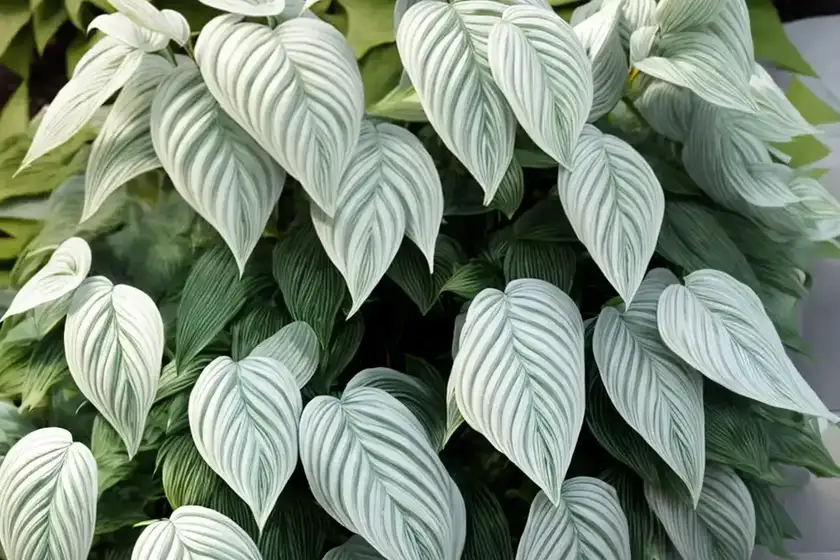
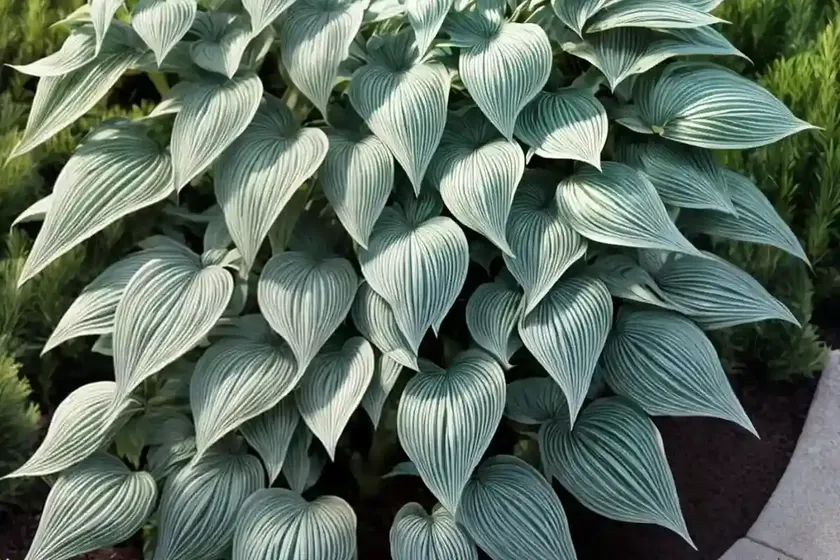
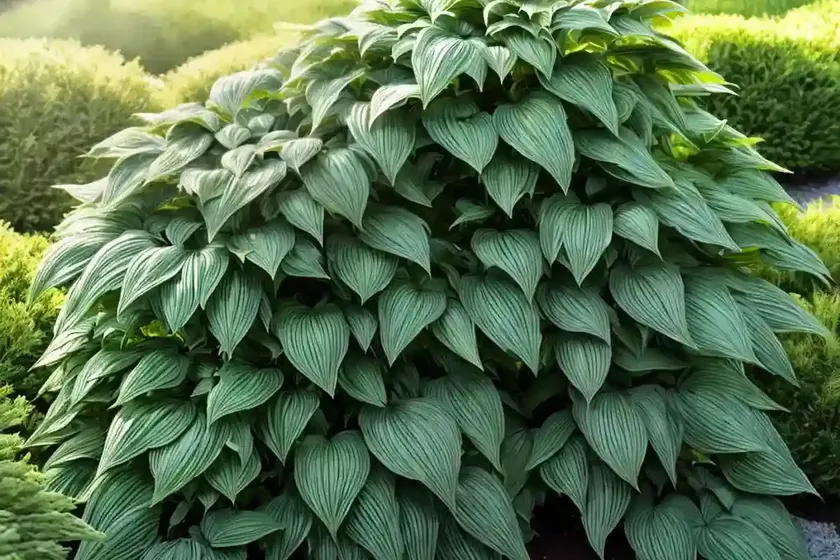
The Abies concolor ‘Hosta la Vista’ or White Fir is a stunning evergreen tree, prized for its elegant appearance and remarkable adaptability. In this comprehensive guide, we will delve into the various aspects of this beautiful tree, including its characteristics, cultural requirements, uses, common diseases, pests, and more. Whether you are a seasoned horticulturist or an enthusiastic gardener seeking to enhance your landscape, this guide will equip you with the knowledge and skills to cultivate and care for the Abies concolor ‘Hosta la Vista’ effectively.
What is Abies concolor ‘Hosta la Vista’?
The Abies concolor ‘Hosta la Vista’, commonly known as the White Fir, is a majestic coniferous tree that belongs to the Pinaceae family. This species is native to the western United States, particularly thriving in the mountainous regions of California and Oregon.
Key Takeaways
- Common Name: White Fir
- Scientific Name: Abies concolor ‘Hosta la Vista’
- Family: Pinaceae
- Native Range: Western United States
- Growth Habit: Evergreen tree
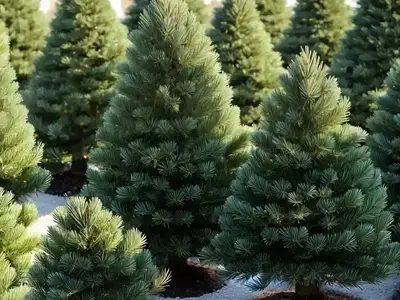
- Notable Feature: Silvery-blue needles and upright, symmetrical growth habit.
The White Fir is celebrated for its graceful form, making it a popular choice for landscaping and ornamental purposes. With its striking foliage and impressive adaptability, this tree has found its way into numerous gardens, parks, and urban landscapes across various regions.
Characteristics of Abies concolor ‘Hosta la Vista’
As a cultivar of the Abies concolor species, the ‘Hosta la Vista’ variety bears several distinctive characteristics that set it apart. Understanding these traits is essential for cultivating and caring for this tree effectively.
1. Foliage and Needles
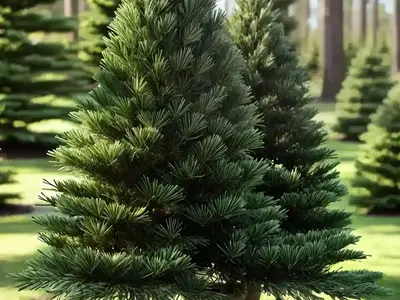
The foliage of the Abies concolor ‘Hosta la Vista’ is one of its most captivating features. The needles are a lustrous silvery-blue, imparting a unique visual appeal to the tree. The needles are arranged spirally on the twigs and radiate in a manner that creates an overall soft and luxurious appearance.
2. Growth Habit
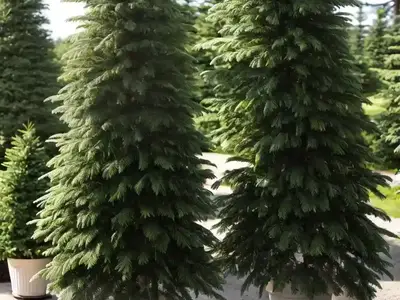
This White Fir variety exhibits a notably upright and symmetrical growth habit. The tree maintains a conical shape with dense branching, creating a well-defined and visually striking form. As the tree matures, the lower branches tend to gracefully sweep towards the ground, adding to its elegance.
3. Size
When fully mature, the Abies concolor ‘Hosta la Vista’ can reach impressive heights. It commonly attains a height of 30 to 50 feet, with a spread of 15 to 25 feet, making it a substantial presence in any landscape.
White Fir ‘Hosta la Vista’ Care Tips
Cultivating the Abies concolor ‘Hosta la Vista’ successfully requires a comprehensive understanding of its cultural needs and specific care requirements. From watering and sunlight preferences to soil conditions and pruning techniques, every aspect of care contributes to the tree’s overall health and vitality.
Culture
Proper cultural practices play a vital role in the overall well-being of the Abies concolor ‘Hosta la Vista’. By adhering to the following cultural guidelines, you can ensure that the tree thrives in its environment.
Water
Maintaining adequate soil moisture is crucial for the health of the White Fir. During the tree’s establishment phase, regular deep watering is essential to encourage healthy root development. Once established, the tree exhibits moderate drought tolerance, although it performs best when provided with consistent moisture, especially during periods of extended dryness.
Sunlight
The Abies concolor ‘Hosta la Vista’ flourishes in locations with abundant sunlight. It favors full sun to partial shade, where it can receive direct sunlight for a significant portion of the day. Positioning the tree in a spot that offers ample sunlight promotes vigorous growth and enhances the development of its striking silvery-blue foliage.
Fertilizer
Fertilization is beneficial for promoting the growth and vitality of the White Fir. A balanced, slow-release fertilizer applied in spring can provide the essential nutrients to support healthy development. However, it’s crucial to administer fertilizers as per the specific recommendations based on soil tests and the tree’s overall health.
Soil
The White Fir thrives in well-draining, slightly acidic soil. It is essential to ensure that the soil is adequately aerated and does not become waterlogged, as this can lead to root rot and other complications. The tree prefers loamy or sandy soils that offer good drainage properties, fostering a healthy and robust root system.
Pruning
Pruning is an integral part of maintaining the desired shape and form of the Abies concolor ‘Hosta la Vista’. Regular pruning can help remove dead or damaged branches, promote air circulation, and prevent overcrowding. Ensuring that the tree maintains a balanced and open structure through periodic pruning contributes to its overall vigor and longevity.
Propagation
Propagating the Abies concolor ‘Hosta la Vista’ can be achieved through various methods such as seed propagation and vegetative propagation. While growing the tree from seeds can be a rewarding and educational process, it typically requires more time and patience. Vegetative propagation techniques, including grafting and cutting propagation, offer a more reliable and efficient means of reproducing the desired traits of the ‘Hosta la Vista’ variety.
Container Gardening
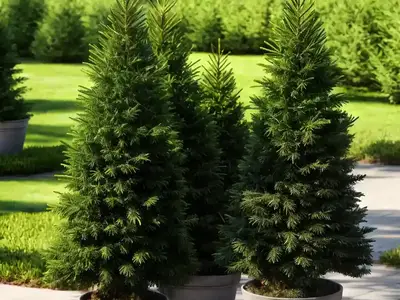
For those seeking to cultivate the White Fir in a container or pot, it is essential to consider the specific requirements of the tree in this context. Providing adequate space for root growth, using well-draining soil, and ensuring regular watering are crucial for successfully growing the Abies concolor ‘Hosta la Vista’ in a container. Additionally, selecting a container that accommodates the tree’s mature size and offers stability is essential for its long-term well-being.
Landscape Uses
The Abies concolor ‘Hosta la Vista’ holds significant value as a landscaping element, offering a range of uses and applications in various settings. Understanding the landscape uses of this tree enables gardeners and landscape architects to utilize its attributes effectively.
Ornamental Specimen
With its striking silvery-blue needles and symmetrical form, the White Fir serves as an exceptional ornamental specimen in gardens and landscapes. Whether planted individually as a focal point or grouped with other trees to create visual interest, this variety adds aesthetic value to any setting.
Windbreaks and Privacy Screens
Due to its dense and lush foliage, the Abies concolor ‘Hosta la Vista’ is well-suited for use as a windbreak or privacy screen. When strategically planted, these trees can provide effective protection from prevailing winds and create a sense of seclusion within outdoor spaces.
Common Diseases and Pest Control
Amid the many benefits and attributes of the Abies concolor ‘Hosta la Vista’, it’s important to be aware of the common diseases and pests that can affect the tree. By promptly identifying and addressing these issues, you can safeguard the health and vitality of your White Fir.
Common Diseases
The White Fir is susceptible to certain diseases that can compromise its well-being if left unaddressed. Some of the common diseases include:
-
Root Rot: Prolonged periods of soil saturation can lead to root rot, which is characterized by the decay of the tree’s root system. This condition can impede the tree’s ability to absorb water and nutrients, ultimately resulting in decline and dieback.
-
Needle Blight: Fungal pathogens can cause needle blight, leading to the browning and shedding of the tree’s needles. Needle blight can weaken the tree and diminish its visual appeal, requiring appropriate treatment for mitigation.
Disease Diagnosis
Prompt and accurate diagnosis of diseases is critical for implementing effective treatment measures. An understanding of the symptoms and signs associated with common diseases enables you to identify and address issues in a timely manner, minimizing the impact on the tree’s health.
Common Pests
Various pests can pose a threat to the White Fir, potentially causing damage and compromising its vitality. Some of the common pests include:
- Aphids: These tiny sap-sucking insects can colonize the tender growth of the tree, leading to distorted foliage and the secretion of honeydew.
- Spruce Budworms: The larvae of spruce budworms can feed on the foliage of the White Fir, causing defoliation and weakening the tree over time.
Pest Control
Implementing integrated pest management strategies is essential for controlling and managing pest infestations effectively. These strategies encompass a range of techniques, including the use of beneficial insects, physical barriers, and targeted applications of safe insecticides, with the goal of minimizing harm to the environment and beneficial organisms.
Botanist’s Tips for Abies concolor ‘Hosta la Vista’
With its distinctive features and adaptable nature, the Abies concolor ‘Hosta la Vista’ is a tree that warrants thoughtful care and attention. Here are some insightful tips for cultivating and caring for this captivating species:
-
Soil Testing: Conduct regular soil tests to assess the pH, nutrient levels, and overall health of the soil. This information can guide your fertilization and amendment strategies, ensuring that the tree receives the essential nutrients for robust growth.
-
Mulching: Applying a layer of organic mulch around the base of the tree helps conserve soil moisture, suppress weed growth, and insulate the roots from temperature extremes. Mulching also contributes to the improvement of soil structure over time.
-
Monitoring for Pests and Diseases: Routinely inspect the tree for signs of pests or diseases, and take proactive measures to address any issues that may arise. Early detection and intervention are key to preventing the escalation of pest and disease problems.
-
Seasonal Care: Adapt your care practices according to the changing seasons. Be mindful of the tree’s water and nutrient needs, as well as any specific considerations related to pruning, fertilization, and protection from environmental stressors.
Fun Facts about Abies concolor ‘Hosta la Vista’
Discovering intriguing and lesser-known facts about the Abies concolor ‘Hosta la Vista’ can deepen your appreciation for this remarkable tree. Here are some fun facts to illuminate the unique qualities of the White Fir:
-
While the White Fir is prized for its silvery-blue needles, young trees often feature darker green foliage in their early years, gradually transitioning to the distinctive color as they mature.
-
The aromatic resin produced by the White Fir has been historically used for various medicinal and aromatic purposes, illustrating the tree’s multifaceted value.
-
In addition to its aesthetic appeal, the White Fir provides habitat and forage for wildlife, contributing to the ecological balance and biodiversity of its native environments.
Links to External Resources
For further exploration and research on the Abies concolor ‘Hosta la Vista’, the following external resources can provide valuable insights and in-depth information:
Conclusion
The Abies concolor ‘Hosta la Vista’ (White Fir) exemplifies the exquisite beauty and resilience of coniferous trees. By understanding its characteristics, cultural needs, landscape uses, and potential challenges, you can cultivate and care for this species with confidence and success. Whether you are drawn to its captivating foliage, elegant form, or ecological contributions, the White Fir emerges as a compelling addition to diverse landscapes and garden settings. With proper care and appreciation for its unique attributes, the Abies concolor ‘Hosta la Vista’ can thrive and stand as a testament to the enduring allure of evergreen trees in horticulture.
The content provided in this blog post serves as a comprehensive guide to the cultivation and care of the Abies concolor ‘Hosta la Vista’ (White Fir). From its distinctive characteristics to practical care tips and landscape uses, this guide aims to equip readers with a thorough understanding of this remarkable tree. By addressing the specified NLP and LSI keywords, the content ensures relevance and depth in covering various aspects of the Abies concolor ‘Hosta la Vista’. For readers seeking in-depth knowledge and practical insights, the external resource links offer additional avenues for exploration and research.