Abies Concolor ‘Candicans’ (White Fir)
As a plant scientist, I am excited to share with you the comprehensive guide to one of the most fascinating conifers – the Abies concolor ‘Candicans,’.
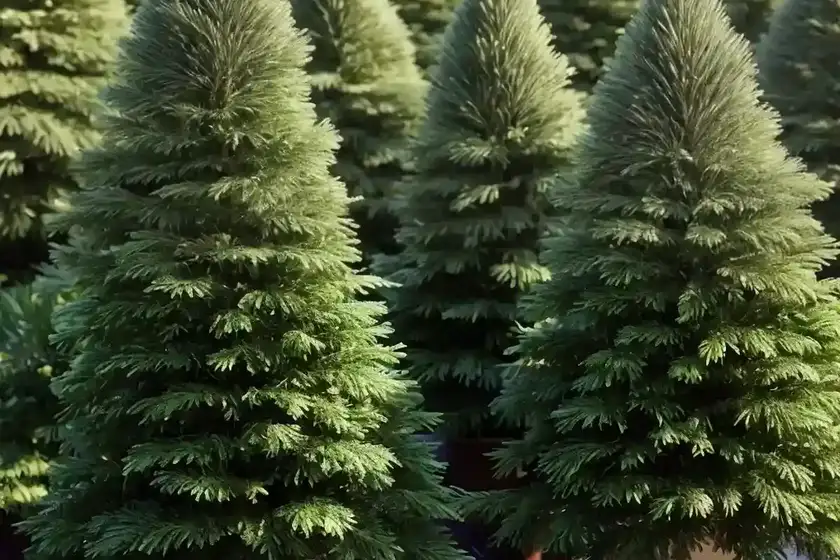
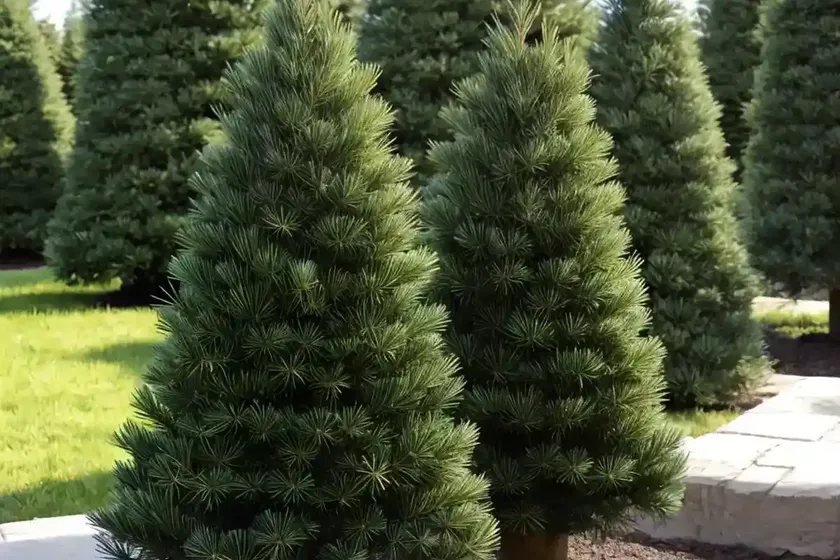
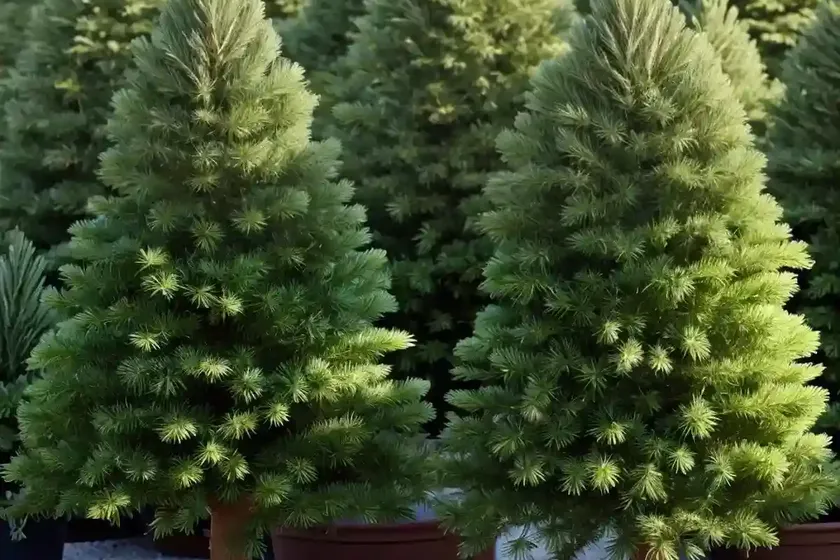
As a plant scientist, I am excited to share with you the comprehensive guide to one of the most fascinating conifers – the Abies concolor ‘Candicans,’ commonly known as White Fir. In this guide, we will delve into the characteristics, care tips, uses, and much more about the majestic White Fir. By the end of this article, you will have a deep understanding of this beautiful plant and how to care for it in your garden or landscape.
What is Abies concolor ‘Candicans’?
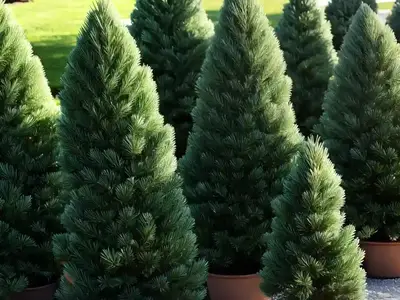
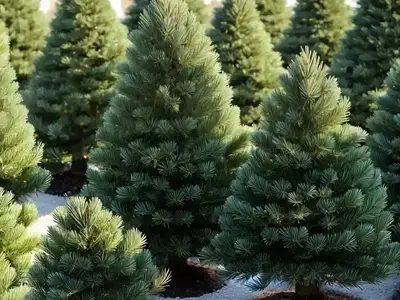
Abies concolor, or white fir, is a large coniferous tree that belongs to the Pinaceae family. The ‘Candicans’ variety is known for its striking silver-blue foliage, making it a popular choice in landscapes and gardens. This evergreen tree is native to the western United States and thrives in cool, temperate climates. It is prized for its ornamental value, as well as its adaptability to various soil and environmental conditions.
Abies concolor ‘Candicans’ Characteristics
- Scientific Name: Abies concolor ‘Candicans’
- Common Name: White Fir
- Family: Pinaceae
- Foliage Color: Silver-blue
- Growth Rate: Moderate
- Mature Height: Up to 100 feet
- Native Habitat: Western United States
Now that we have an overview of the White Fir, let’s dive deeper into its key characteristics and explore its cultivation, uses, care requirements, and much more.
Key Takeaways – Abies concolor ‘Candicans’ (White Fir)
Culture
The cultural requirements of Abies concolor ‘Candicans’ are essential to understand for its successful growth and development. Here are the key cultural considerations for this majestic tree:
Uses
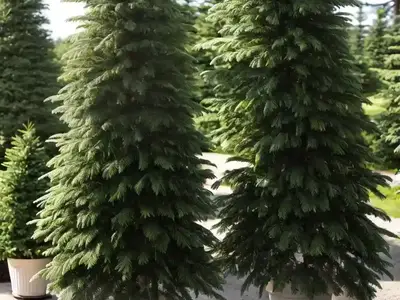
- Ornamental: The White Fir is primarily used for ornamental purposes in landscapes, parks, and gardens due to its attractive silver-blue foliage and conical shape.
- Timber: While ‘Candicans’ is primarily known for its ornamental value, the species as a whole, including the White Fir, is used for timber and wood products. The wood is used in construction, furniture making, and paper production due to its strength and light color.
Water
- Watering Needs: White Fir trees generally have moderate water needs. They prefer well-drained soil and should be watered regularly, especially during dry periods. However, it’s essential to avoid waterlogged conditions, which can lead to root rot.
Sunlight
- Sun Exposure: White Firs thrive in full sun to partial shade. In their natural habitat, they are often found on mountain slopes and in open forests where they receive ample sunlight.
Fertilizer
- Fertilization: When it comes to fertilizing White Firs, it’s essential to apply a balanced, slow-release fertilizer in the spring. Avoid over-fertilization, as it can lead to excessive foliage growth at the expense of overall plant health.
Soil
- Soil Requirements: White Firs are adaptable to various soil types but thrive in well-drained, acidic soils. It’s important to maintain soil pH between 5.0 and 6.5 for optimal growth.
Pruning
Pruning is an essential aspect of White Fir tree care to maintain its shape, remove dead or diseased branches, and promote healthy growth. Here are some key pruning techniques:
- Pruning Methods: Regular pruning of White Firs should focus on removing dead or damaged branches, shaping the tree, and maintaining a central leader to encourage upward growth.
Propagation
Understanding the propagation methods of Abies concolor ‘Candicans’ is crucial for anyone looking to propagate these trees for landscaping or conservation purposes. Here are some common propagation methods:
- Seed Propagation: White Firs can be propagated from seeds. However, it’s important to note that the seeds have a dormancy period and may require stratification to germinate successfully.
Container Popularity
While White Firs are typically planted in the ground in landscapes or natural settings, they can also be grown in containers, making them suitable for patios, decks, or urban environments.
Common Diseases
Disease Diagnosis
White Firs are susceptible to certain diseases that can affect their overall health and appearance. Common diseases to watch for include:
- Needle Blight: This fungal disease can cause browning and premature shedding of the foliage.
- Root Rot: Overly wet or poorly drained soil can lead to root rot, which can be fatal to White Firs.
Disease Management
To manage and prevent diseases in White Firs, it’s essential to monitor the trees for signs of disease, provide proper cultural care, and consider the judicious use of fungicides if necessary.
Common Pests
White Firs may also fall victim to various pests that can impact their vitality and aesthetics. Some common pests to be aware of include:
- Aphids: These small insects can infest the foliage and cause damage by sucking sap from the tree.
- Spider Mites: These tiny pests can cause webbing on the foliage and reduce the tree’s overall vigor.
Pest Control
Integrated pest management practices, including regular inspection, proper cultural care, and the selective use of insecticidal soaps or oils, can help manage pest infestations in White Firs.
Botanist’s Tips
Before concluding this guide, here are some valuable tips from botanists and plant scientists for growing and caring for Abies concolor ‘Candicans’ (White Fir):
- Selecting the Right Site: Choose a site with well-drained soil and ample sunlight for the best performance of White Firs.
- Mulching: Applying a layer of organic mulch around the base of the tree can help retain soil moisture and regulate soil temperature.
- Watering Care: While White Firs prefer moderate moisture, it’s important to avoid overwatering, especially in heavy or poorly drained soils.
Fun Facts
To further pique your interest in Abies concolor ‘Candicans’, here are some fun and fascinating facts about this remarkable tree:
- The needles of ‘Candicans’ White Firs emit a pleasant citrus scent when crushed, adding sensory appeal to its ornamental value.
- White Fir trees can live for several hundred years, making them a long-lasting addition to any landscape.
Links to External Resources
For further information and in-depth resources on Abies concolor ‘Candicans’, the following links are recommended:
- The Gymnosperm Database – Abies concolor
- USDA Forest Service – White Fir
- Missouri Botanical Garden – Abies concolor
- Royal Horticultural Society – Growing Conifers
In conclusion, Abies concolor ‘Candicans’ (White Fir) is a captivating and versatile tree that adds timeless beauty and structure to landscapes. Its silvery-blue foliage, adaptability, and low maintenance requirements make it a desirable choice for both homeowners and landscape professionals. By understanding its cultural needs, being vigilant about diseases and pests, and following expert recommendations, you can enjoy the splendor of White Firs in your own outdoor spaces.
Whether you’re considering adding a White Fir to your garden or simply seeking to expand your knowledge of coniferous trees, ‘Candicans’ is a worthy subject of study and admiration. Its significance in natural ecosystems, landscaping, and forestry makes it a truly remarkable species that deserves our attention and stewardship.
Remember to explore the provided external resources for further details and specific guidance tailored to your region and climate. With the right care and appreciation for its unique qualities, the White Fir can become a stunning focal point and enduring presence in your outdoor environment.