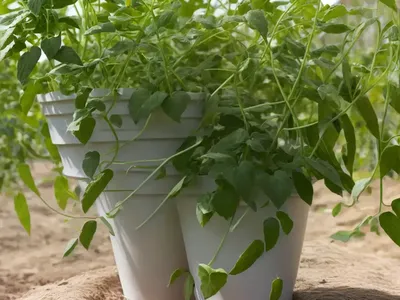
Zucchini (Cucurbita Pepo Zucchini)
Zucchini, scientifically known as Cucurbita pepo, is a member of the gourd family, Cucurbitaceae. It is a highly versatile and widely cultivated summer.
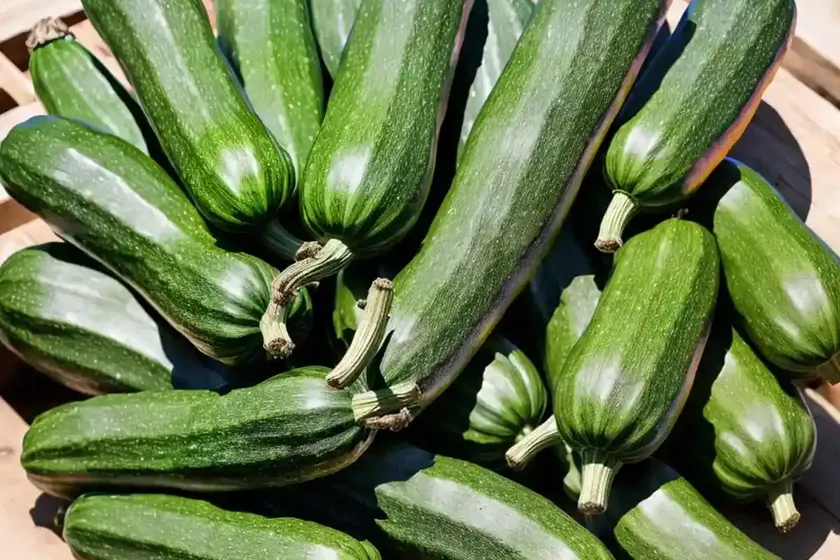
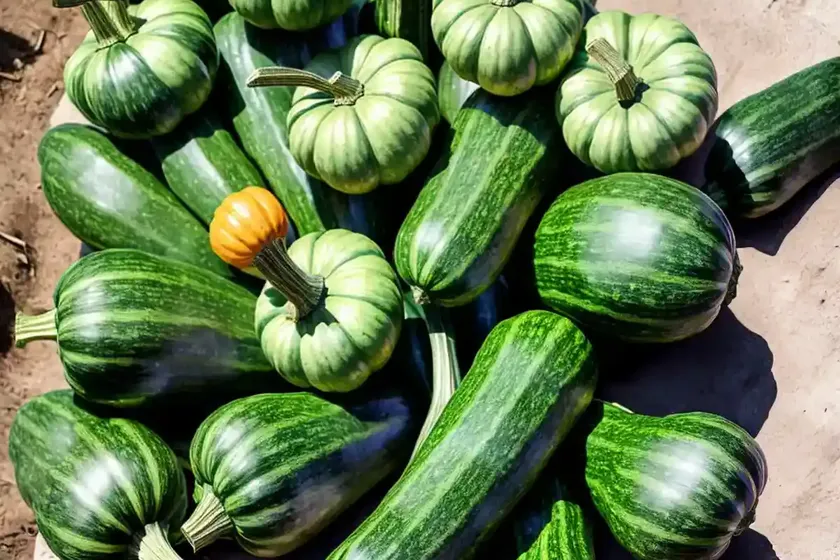
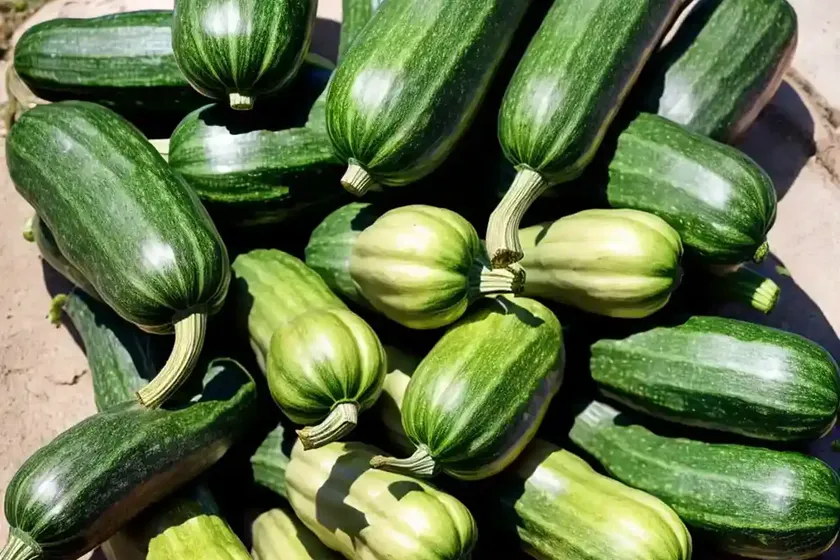
Zucchini, scientifically known as Cucurbita pepo, is a member of the gourd family, Cucurbitaceae. It is a highly versatile and widely cultivated summer squash, celebrated for its culinary uses and health benefits. In this comprehensive guide, we will delve into the cultivation, uses, care tips, common diseases, and other aspects of growing Zucchini. We will explore the plant’s characteristics, requirements, and the best practices to ensure a successful harvest. Whether you are an experienced gardener or a novice enthusiast, this guide will equip you with the essential knowledge to grow and care for Zucchini plants.
What is Zucchini (Cucurbita pepo Zucchini)?
Zucchini, known botanically as Cucurbita pepo, is a warm-season vegetable that belongs to the Cucurbitaceae family, which also includes cucumbers, pumpkins, and watermelons. It is a highly productive and fast-growing summer squash that is primarily cultivated for its edible fruits. The plant produces an abundance of cylindrical or bottle-shaped fruits, which are harvested at a relatively immature stage and consumed as a vegetable.
Key Takeaways
Before delving into the specifics of Zucchini cultivation, let’s explore the key takeaways that will be covered in this guide:
- Cultivation: Understanding the cultural requirements and growth habits of Zucchini.
- Uses: Exploring the culinary and dietary uses of Zucchini.
- Water: Examining the irrigation needs and water management for Zucchini plants.
- Sunlight: Identifying the optimal light requirements for robust Zucchini growth.
- Fertilizer: Exploring the nutritional requirements and fertilizer application for healthy Zucchini plants.
- Soil: Assessing the ideal soil conditions and preparation for Zucchini cultivation.
- Pruning: Understanding the role of pruning in shaping Zucchini plants and managing their growth.
- Propagation: Exploring the different methods of propagating Zucchini.
- Container Culture: Discussing the techniques and considerations for growing Zucchini in containers.
- Popularity: Highlighting the widespread appeal and popularity of Zucchini in home gardens and commercial agriculture.
- Common Diseases: Identifying prevalent diseases affecting Zucchini and methods for diagnosis and prevention.
- Common Pests: Understanding the common pests that can impact Zucchini plants and strategies for control.
- Botanist’s Tips: Providing expert insights and tips for successful Zucchini cultivation.
- Fun Facts: Exploring interesting and lesser-known facts about Zucchini.
With these key takeaways in mind, let’s embark on an in-depth exploration of Zucchini, from its cultivation to its culinary delights and health benefits.
Zucchini Cultivation
Cultivating Zucchini plants involves understanding their specific environmental needs, growth habits, and lifecycle. Whether you are considering growing them in a backyard garden or in containers on a balcony, proper cultivation practices are fundamental to achieving a successful harvest.
Water
Zucchini plants have moderate to high water requirements, especially during the flowering and fruiting stages. Adequate and consistent soil moisture is vital for healthy plant growth and fruit development. However, it is essential to avoid waterlogged conditions, as excessive moisture can lead to root rot and other problems.
Watering Requirements
- For established Zucchini plants, the general guideline is to provide around 1 to 2 inches of water per week, either through rainfall or supplemental irrigation.
- During dry periods or in regions with high temperatures, additional watering may be necessary to maintain consistent soil moisture.
- It is important to water at the base of the plants to minimize the risk of leaf diseases and ensure efficient uptake by the roots.
- Mulching around the base of Zucchini plants can help retain soil moisture and reduce water evaporation, promoting more efficient water use.
Sunlight
Zucchini plants thrive in full sunlight, requiring at least 6 to 8 hours of direct sun exposure daily for optimal growth and fruit production. When selecting a site for planting, ensure that it receives ample sunlight and has well-drained soil to support healthy Zucchini plant development.
Sunlight Requirements
- Choose a planting location that receives abundant sunlight, preferably in a spot with exposure to the morning sun and partial shade during the hottest part of the day.
- Adequate sunlight exposure promotes vigorous growth, enhances fruit production, and contributes to the overall health and resilience of Zucchini plants.
- Inadequate sunlight may result in reduced yields, delayed fruit development, and increased susceptibility to diseases and pests.
- If growing Zucchini in containers, ensure that the selected area receives sufficient sunlight to support the plant’s needs.
Fertilizer
Proper fertilization is crucial for the healthy growth and development of Zucchini plants. Providing essential nutrients in the right balance can enhance plant vigor, promote robust fruiting, and contribute to overall plant resilience.
Soil Nutrient Requirements
- Before planting, it is advisable to conduct a soil test to assess the nutrient levels and pH of the soil. This information can guide fertilizer selection and application rates.
- Zucchini plants benefit from a well-balanced fertilizer with a higher proportion of nitrogen (N) for vegetative growth and phosphorus (P) and potassium (K) for fruit development.
- Use a complete, balanced fertilizer with an N-P-K (nitrogen-phosphorus-potassium) ratio of approximately 5-10-10 or a similar formulation suitable for fruiting vegetables.
- Fertilizers can be applied at planting and periodically throughout the growing season according to the specific requirements of the plants and the soil conditions.
Soil
Optimal soil conditions are essential for the successful cultivation of Zucchini plants. Well-draining, fertile soil with adequate organic matter provides the foundation for healthy root development, nutrient uptake, and overall plant vitality.
Soil Preparation
- Prepare the planting area by cultivating the soil to a depth of at least 12 inches and incorporating organic matter such as compost or well-rotted manure to improve soil structure and fertility.
- Ensure that the soil is well-draining to prevent waterlogged conditions, which can lead to root rot and other issues.
- Zucchini plants thrive in slightly acidic to neutral soil with a pH range of 6.0 to 7.5. If necessary, adjust the soil pH using suitable amendments to create an optimum growing environment for the plants.
Pruning
Pruning plays a role in managing the growth and productivity of Zucchini plants. While not always necessary, selective pruning can help improve air circulation, reduce disease pressure, and facilitate easier fruit harvest.
Pruning Techniques
- Remove any damaged or diseased foliage and fruits promptly to prevent the spread of diseases and maintain plant health.
- If the plant becomes excessively dense, selectively prune some of the secondary vines and leaves to promote airflow and sunlight penetration within the canopy.
- Regularly inspect the plants for overcrowded and shaded areas, and selectively prune to maintain an open growth habit and facilitate fruit development.
Propagation
Zucchini plants can be propagated from seeds, which are readily available from garden centers and seed suppliers. Starting with high-quality, disease-free seeds is crucial to establishing healthy and productive Zucchini plants.
Seed Propagation
- Begin propagating Zucchini plants by sowing seeds indoors in biodegradable pots or seedling trays approximately 3 to 4 weeks before the last expected frost date in the region.
- Sow the seeds at a depth of 1 inch in a well-draining potting mix, ensuring consistent moisture and warm temperatures for germination.
- Once the seedlings have developed several sets of true leaves and the risk of frost has passed, they can be transplanted into the garden or container.
Container Culture
Growing Zucchini in containers offers a practical solution for gardeners with limited space or those looking to maximize versatility in their gardening arrangements. With the right approach to container selection, soil preparation, and maintenance, Zucchini plants can thrive in containerized environments.
Container Growing Tips
- Select a large and sturdy container with a minimum size of 5 gallons to accommodate the extensive root system and support the growth of Zucchini plants.
- Ensure that the chosen container has adequate drainage holes to prevent waterlogging and promote proper soil aeration.
- Use a well-draining, nutrient-rich potting mix with added organic matter to provide the necessary support and nutrients for healthy plant growth.
- Regularly monitor soil moisture levels in containers, as they can dry out more quickly than garden beds, especially during hot weather.
Uses
Zucchini is cherished for its culinary versatility and nutritional value, making it a popular ingredient in a wide range of dishes. From savory entrées to baked goods and desserts, Zucchini’s mild flavor and tender texture lend itself to numerous culinary applications.
Culinary Uses
- Zucchini can be enjoyed in both raw and cooked forms, adding a crisp texture and mild flavor to salads and vegetable platters.
- It is commonly used in stir-fries, casseroles, soups, and stews, where it absorbs the flavors of other ingredients while contributing its own delicate taste and texture.
- Zucchini is well-suited for grilling, roasting, and sautéing, allowing its natural sweetness to caramelize and enhance the overall dish.
- The versatility of Zucchini extends to baking, where it is used in muffins, bread, cakes, and other baked goods, offering moisture and a nutritional boost to recipes.
Health Benefits
In addition to its culinary appeal, Zucchini offers a range of health benefits, making it a valuable addition to a balanced diet. It is low in calories and rich in essential nutrients, making it a nutritious and versatile ingredient.
Nutritional Value
- Zucchini is a good source of vitamins C and K, providing antioxidants that support immune function and promote healthy blood clotting.
- It also contains beneficial minerals such as potassium, which is essential for maintaining healthy blood pressure and proper muscle function.
- With a high water content and dietary fiber, Zucchini supports hydration and digestive health while contributing to a feeling of fullness and satiety.
Common Diseases
Zucchini plants are susceptible to various diseases, which can impact plant vigor and reduce fruit quality and yield if left unchecked. Understanding the symptoms and preventive measures for common diseases is essential for maintaining healthy Zucchini plants.
Disease Diagnosis
Powdery Mildew
- Powdery mildew presents as a white, powdery coating on the surfaces of leaves and stems, often accompanied by yellowing and eventual browning of affected foliage.
- It thrives in warm, humid conditions and can rapidly spread in crowded plantings with limited airflow.
- To manage powdery mildew, remove and destroy affected plant parts, improve ventilation, and consider applying organic fungicides as preventive measures.
Blossom End Rot
- Blossom end rot causes sunken, darkened lesions on the blossom end of Zucchini fruits, typically associated with calcium deficiency and moisture fluctuations.
- To address blossom end rot, maintain consistent soil moisture, ensure adequate calcium availability, and avoid drastic fluctuations in soil moisture levels.
Downy Mildew
- Downy mildew is characterized by the appearance of yellow or brown lesions on the upper surfaces of leaves, often accompanied by a downy, grayish growth on the undersides of affected foliage.
- It spreads rapidly under moist conditions and can lead to defoliation and reduced fruit quality.
- Preventive measures for downy mildew include improving airflow, avoiding overhead watering, and applying suitable fungicides when necessary.
Common Pests
Zucchini plants are vulnerable to attack from several pests, including insects and other small organisms that can compromise plant health and reduce yields if not effectively managed.
Squash Vine Borer
- Squash vine borers are moth larvae that bore into the stems of Zucchini plants, causing wilting, dieback, and eventual plant death.
- Inspect plants regularly for signs of squash vine borer infestation, such as stems oozing frass, and use physical barriers or timely applications of insecticides to manage their population.
Aphids
- Aphids are small, soft-bodied insects that feed on plant sap, causing stunted growth, leaf distortion, and the transmission of viral diseases.
- Monitor Zucchini plants for aphid infestations and employ biological control methods, such as predatory insects or insecticidal soaps, to mitigate their impact.
Botanist’s Tips
To ensure the successful cultivation of Zucchini plants and achieve a bountiful harvest, consider the following botanist’s tips:
- Companion Planting: Pair Zucchini with companion plants such as marigolds, nasturtiums, and dill to attract beneficial insects and deter pests, supporting overall plant health.
- Trellising: Provide support for Zucchini vines using trellises or other structures to reduce sprawling, conserve space, and improve fruit quality by preventing contact with the soil.
- Effective Mulching: Apply organic mulch, such as straw or shredded leaves, around Zucchini plants to conserve soil moisture, suppress weeds, and maintain stable soil temperatures.
Fun Facts
As we deepen our appreciation for Zucchini, let’s explore insightful and entertaining facts about this beloved summer squash:
- Zucchini is classified as a type of botanically classified as a fruit, but it is primarily used in culinary applications as a vegetable.
- The word “zucchini” originates from the Italian “zucchino,” which translates to “small squash” or “young squash.”
- Zucchini plants produce bright yellow, edible flowers that can be harvested and enjoyed as part of various culinary preparations, including stuffing and battering.
- Zucchini has a high water content, with approximately 95% of its weight attributed to water, making it a hydrating and refreshing component in dishes.
By embracing these fascinating facts, we can develop a deeper understanding and admiration for the remarkable Zucchini plant and its cultural significance.
Conclusion
Zucchini, with its culinary versatility, nutritional benefits, and relatively straightforward cultivation requirements, stands as a delightful addition to home gardens and urban agricultural spaces. By understanding the plant’s needs, from water and sunlight to soil and nutrients, gardeners can foster healthy Zucchini plants and enjoy a continuous harvest of its bountiful fruits. Moreover, through the effective management of diseases and pests, as well as the implementation of expert tips and companion planting strategies, the cultivation of Zucchini can be a rewarding and enriching experience.
As we celebrate the remarkable attributes of Zucchini, from its role in gastronomy to its place in horticulture, we are reminded of the enduring appeal and enduring legacy of this beloved summer squash. Through careful cultivation, wholesome recipes, and the sharing of knowledge, we can continue to honor and elevate the humble Zucchini, embracing its delicious flavors and remarkable contributions to our lives.
For additional resources and further insights on Zucchini cultivation, culinary inspiration, and health benefits, explore the following external links: