Zinnia Elegans ‘Queeny Lime Orange’: A Complete Guide
Zinnia Elegans ‘Queeny Lime Orange’ is a beautiful and vibrant variety of zinnia that has gained popularity among gardeners for its striking appearance and easy cultivation. In this comprehensive guide, we will explore everything you need to know about this stunning plant, from its cultural requirements to its uses in landscaping. Whether you are a seasoned gardener or a beginner looking to add a splash of color to your outdoor space, this guide will provide you with valuable insights into the world of Zinnia Elegans ‘Queeny Lime Orange’.
What is Zinnia Elegans ‘Queeny Lime Orange’?
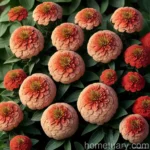
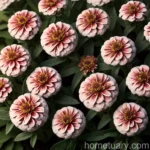
Zinnia Elegans ‘Queeny Lime Orange’ is a captivating annual flowering plant that belongs to the Asteraceae family. With its dazzling lime and orange-colored blooms, this variety adds a burst of vibrant hues to gardens, landscapes, and floral arrangements. The Queeny Lime Orange Zinnia is renowned for its prolific and long-lasting blooms, making it a favorite choice for gardeners looking to create a stunning display of color throughout the growing season.
Key Takeaways
- Plant Name: Zinnia Elegans ‘Queeny Lime Orange’
- Common Names: Queeny Lime Orange Zinnia, Lime Orange Zinnia
- Botanical Classification: Zinnia elegans
- Cultivar: Queeny Lime Orange
- Color: Lime and orange blooms
- Growth Habit: Annual
Culture
Uses
Zinnia Elegans ‘Queeny Lime Orange’ is a versatile plant with a wide range of uses in gardening and landscaping. Some of its common uses include:
– Flower Beds: The vibrant blooms of Queeny Lime Orange Zinnia are perfect for adding a pop of color to flower beds and borders.
– Cut Flower Production: The long stems and lasting blooms make it an excellent choice for cut flower production and floral arrangements.
– Container Gardening: This variety thrives in containers, making it an ideal choice for patio gardens and balcony displays.
– Butterfly Gardens: The nectar-rich blooms attract butterflies and pollinators, making it a valuable addition to butterfly gardens.
Water
Zinnia Elegans ‘Queeny Lime Orange’ prefers moderate watering, allowing the soil to dry out slightly between waterings. Avoid overwatering, as consistently soggy soil can lead to root rot and other moisture-related issues. During hot and dry periods, regular watering is essential to ensure healthy growth and abundant flowering.
Sunlight
For optimal growth and blooming, Queeny Lime Orange Zinnia requires full sun, receiving at least 6-8 hours of direct sunlight per day. Planting in a location with ample sunlight will encourage robust growth and vibrant blooms, while inadequate sunlight may result in leggy plants and reduced flowering.
Fertilizer
To promote healthy growth and prolific flowering, it is recommended to fertilize Zinnia Elegans ‘Queeny Lime Orange’ with a balanced, water-soluble fertilizer. Apply the fertilizer according to the manufacturer’s instructions, typically every 4-6 weeks during the growing season. Avoid excessive nitrogen-rich fertilizers, as they can stimulate excessive foliage growth at the expense of flower production.
Soil
Well-draining soil with a slightly acidic to neutral pH is ideal for Queeny Lime Orange Zinnia. Rich, loamy soils with good aeration and moisture retention properties are beneficial for supporting vigorous growth and blooming. If planting in containers, use a high-quality potting mix formulated for flowering plants to provide the necessary nutrients and drainage.
Pruning
Regular deadheading and pruning of spent blooms can prolong the flowering period of Zinnia Elegans ‘Queeny Lime Orange’. Removing faded flowers and occasional light pruning of leggy stems can encourage the plant to redirect its energy into producing new blooms, resulting in a more abundant and prolonged display of color.
Propagation
Zinnia Elegans ‘Queeny Lime Orange’ can be propagated from seeds, which are readily available from nurseries and gardening suppliers. Sow the seeds directly into the garden soil or containers after the last frost date, as this plant is sensitive to cold temperatures. Alternatively, seeds can be started indoors a few weeks before the last frost and transplanted once the weather is suitable.
Container Popularity
The compact and bushy growth habit of Queeny Lime Orange Zinnia makes it a popular choice for container gardening. It thrives in various container types, including pots, window boxes, and hanging baskets. When growing in containers, ensure adequate drainage and provide regular care to support healthy growth and prolific flowering.
Common Diseases
Zinnia Elegans ‘Queeny Lime Orange’ is generally resistant to most diseases and pests, displaying robust growth and vitality with proper care. However, there are a few common diseases that can affect this plant, including:
Disease Diagnosis
- Powdery Mildew: A fungal disease that appears as white powdery spots on the foliage, typically in humid conditions. Improving air circulation and reducing humidity can help prevent and manage powdery mildew.
- Botrytis Blight: This fungal disease causes brown spots and mold on the flowers and foliage, often favored by high humidity and overcrowding. Prune affected plant parts and provide proper spacing to minimize the risk of botrytis blight.
Common Pests
While Zinnia Elegans ‘Queeny Lime Orange’ is relatively resistant to pests, there are a few insects that may occasionally pose a threat to its health and vigor. Some common pests include:
- Aphids: These small, soft-bodied insects feed on the sap of the plant, causing distorted growth and yellowing of leaves. Rinse the plant with a strong stream of water to dislodge aphids, or use insecticidal soap as a targeted treatment.
- Spider Mites: These tiny arachnids can cause stippling and discoloration of leaves, especially in dry conditions. Regularly misting the foliage and maintaining adequate humidity levels can deter spider mite infestations.
Botanist’s Tips
- Companion Planting: Pair Zinnia Elegans ‘Queeny Lime Orange’ with complementary companion plants such as salvia, angelonia, and verbena to create visually appealing and pollinator-friendly garden displays.
- Deadheading Techniques: Practice regular deadheading and removal of spent blooms to stimulate continuous flowering and maintain a tidy appearance of the plant.
- Mulching Benefits: Apply a layer of organic mulch around the base of the plant to conserve soil moisture, suppress weed growth, and promote a healthy root environment.
Fun Facts
- The vibrant color combination of lime and orange in Queeny Lime Orange Zinnia makes it a standout feature in garden landscapes and floral arrangements.
- Zinnia Elegans ‘Queeny Lime Orange’ is a favorite among pollinators, attracting butterflies, bees, and other beneficial insects to the garden.
- This cultivar is well-suited for both formal and informal garden designs, adding a cheerful and whimsical touch to the outdoor space.
Links to External Resources
For additional information and resources on Zinnia Elegans ‘Queeny Lime Orange’, consider exploring the following links:
In conclusion, Zinnia Elegans ‘Queeny Lime Orange’ is a captivating and versatile plant that holds immense appeal for gardeners and landscapers alike. Its vibrant blooms, easy cultivation, and wide range of uses make it a valuable addition to any outdoor space. By following the cultural guidelines and implementing the botanist’s tips provided in this guide, you can successfully grow and enjoy the splendor of Queeny Lime Orange Zinnia in your garden. Whether used in flower beds, containers, or cut flower arrangements, this charming variety is sure to bring joy and color to your gardening endeavors.
Keywords: Zinnia elegans ‘Queeny Lime Orange’, Queeny Lime Orange Zinnia, Zinnia Queeny Lime Orange variety, Lime Orange Zinnia, Zinnia elegans Queeny Lime Orange cultivar, Purple Zinnia Queeny Lime Orange, Queeny Lime Orange flower, Zinnia elegans variety, Best Zinnia elegans Queeny Lime Orange, Zinnia Queeny Lime Orange characteristics, Queeny Lime Orange Zinnia plant, Zinnia elegans Queeny Lime Orange gardening, Queeny Lime Orange Zinnia care, Growing Zinnia elegans Queeny Lime Orange, Queeny Lime Orange Zinnia seeds, Zinnia Queeny Lime Orange blooms, Queeny Lime Orange Zinnia garden, Zinnia elegans Queeny Lime Orange tips, Queeny Lime Orange Zinnia planting, Zinnia Queeny Lime Orange colors, Queeny Lime Orange Zinnia flower arrangement, Benefits of Zinnia elegans Queeny Lime Orange, Queeny Lime Orange Zinnia maintenance, Zinnia Queeny Lime Orange landscape, Queeny Lime Orange Zinnia blooming season, Zinnia elegans Queeny Lime Orange watering, Queeny Lime Orange Zinnia pest control, Zinnia Queeny Lime Orange pruning, Queeny Lime Orange Zinnia sun requirements, Zinnia elegans Queeny Lime Orange fertilizer, Queeny Lime Orange Zinnia diseases, Zinnia Queeny Lime Orange garden design, Queeny Lime Orange Zinnia propagation, Zinnia elegans Queeny Lime Orange indoor planting, Queeny Lime Orange Zinnia flowerbed, Zinnia Queeny Lime Orange herbaceous plant, Queeny Lime Orange Zinnia border, Zinnia elegans Queeny Lime Orange landscaping, Queeny Lime Orange Zinnia soil requirements, Zinnia Queeny Lime Orange water needs, Queeny Lime Orange Zinnia natural habitat, Zinnia elegans Queeny Lime Orange container gardening, Queeny Lime Orange Zinnia growth stages, Zinnia Queeny Lime Orange bloom color, Queeny Lime Orange Zinnia seasonal care, Zinnia elegans Queeny Lime Orange perennial, Queeny Lime Orange Zinnia flower arrangement ideas, Zinnia Queeny Lime Orange garden layout, Queeny Lime Orange Zinnia ornamental plant, Zinnia elegans Queeny Lime Orange landscape design