Zinnia ‘Benary’s Giant Golden Yellow’: The Cheerful Addition to Your Garden
Zinnias are a popular choice among gardeners, and the ‘Benary’s Giant Golden Yellow’ variety adds a cheerful and vibrant touch to any garden. In this comprehensive guide, we’ll explore the cultural requirements, uses, propagation techniques, common diseases, and pests that impact this captivating plant. Whether you’re a seasoned gardener or just starting, understanding the intricacies of this stunning plant will help you cultivate a thriving garden filled with colorful blooms.
What is Zinnia ‘Benary’s Giant Golden Yellow’?
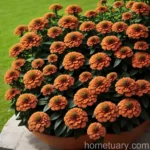
Zinnia ‘Benary’s Giant Golden Yellow’ is a member of the Zinnia genus, which is renowned for its striking and diverse flowers. Characterized by their bright and cheery blooms, Zinnias are native to North America and have become a staple in gardens across the world. The ‘Benary’s Giant Golden Yellow’ variety, in particular, is beloved for its vibrant yellow blossoms and eye-catching appearance.
Key Takeaways – Zinnia ‘Benary’s Giant Golden Yellow’
- Zinnias are annual flowering plants that are prized for their colorful blooms and ornamental value in gardens.
- ‘Benary’s Giant’ series, to which the Golden Yellow variety belongs to, is known for its large and showy flowers.
- The Golden Yellow Zinnia is an attractive addition to flowerbeds and garden designs, offering vibrant yellow blooms that stand out.
- Zinnias are considered low-maintenance flowers, making them an excellent choice for both novice and experienced gardeners.
Now, let’s delve into the specific cultural requirements and care techniques to ensure the successful growth of Zinnia ‘Benary’s Giant Golden Yellow’ in your garden.
Culture
Water
Zinnias, including the ‘Benary’s Giant Golden Yellow’ variety, generally prefer well-drained soil and require regular watering to thrive. When watering, it’s essential to ensure that the soil is moist but not waterlogged, as excessive moisture can lead to root rot and other issues.
- Watering Tip: Water your Golden Yellow Zinnias evenly, and monitor the moisture levels to prevent the soil from drying out completely.
Sunlight
Zinnias are sun-loving plants that flourish in full sunlight. To achieve optimal growth and blooming, it’s important to provide at least 6-8 hours of direct sunlight daily for your Zinnia ‘Benary’s Giant Golden Yellow’.
- Sunlight Tip: Choose a location in your garden that receives ample sunlight throughout the day to support the vibrant blooms of the Golden Yellow Zinnias.
Fertilizer
Feeding your Zinnias with a balanced, all-purpose fertilizer can enhance their growth and bloom production. A fertilizer with balanced N-P-K (Nitrogen-Phosphorus-Potassium) ratios is recommended for promoting healthy foliage and vibrant flowers.
- Fertilizer Tip: Apply the fertilizer according to the instructions on the label, and avoid over-fertilization, which can lead to excessive foliage growth at the expense of blooming.
Soil
Zinnias thrive in well-drained, fertile soil with a slightly acidic to neutral pH. Amending the soil with organic matter such as compost can improve its structure and fertility, creating an ideal growing environment for the stunning Golden Yellow Zinnias.
- Soil Tip: Conduct a soil test to assess the pH and nutrient levels, and make any necessary adjustments before planting your Zinnia ‘Benary’s Giant Golden Yellow’.
Pruning
Regular deadheading and pruning can prolong the blooming period of Zinnia ‘Benary’s Giant Golden Yellow’. By removing spent blooms and trimming leggy growth, you can encourage the plant to redirect its energy toward producing new flowers.
- Pruning Tip: Use clean and sharp gardening shears to deadhead the fading blooms, and ensure that the plant maintains a tidy and compact appearance.
Propagation
Zinnia ‘Benary’s Giant Golden Yellow’ can be propagated from seeds, making it an accessible option for expanding your garden. The following steps outline the straightforward process of propagating Zinnias from seeds:
-
Seed Collection: Allow the spent flowers to mature and develop seeds. Once the seed heads have formed, carefully collect the seeds for future propagation.
-
Seed Starting: Start the seeds indoors in seedling trays or containers filled with seed starting mix. Plant the seeds at the recommended depth and keep the soil consistently moist.
-
Transplanting: Once the seedlings have developed several sets of true leaves and the risk of frost has passed, transplant them into the outdoor garden beds or containers.
-
Propagation Tip: Consider stratifying the Zinnia seeds by chilling them in the refrigerator for a few weeks before sowing, as this can enhance their germination rate and uniformity.
Container Popularity
Zinnias, including the ‘Benary’s Giant Golden Yellow’ variety, are well-suited for container gardening due to their compact growth habit and vibrant blooms. Planting Zinnias in containers offers the flexibility to showcase their beauty on patios, balconies, or other outdoor spaces with limited planting areas.
- Container Tip: Select a spacious container with drainage holes to accommodate the Zinnia’s root system, and place it in a location that receives ample sunlight for optimal growth.
Common Diseases
Disease Diagnosis
Zinnias are generally robust plants, but they can be susceptible to certain fungal diseases, including powdery mildew and leaf spot. Recognizing the symptoms of common Zinnia diseases is essential for implementing timely management measures.
-
Powdery Mildew: This fungal disease manifests as a white powdery growth on the leaves, eventually leading to leaf distortion and decline in plant health.
-
Leaf Spot: Leaf spot diseases present as dark, water-soaked lesions on the foliage, contributing to premature leaf drop and overall plant weakening.
In the event of disease symptoms, prompt diagnosis and intervention are crucial to prevent the spread of the pathogens and preserve the health of the Zinnia ‘Benary’s Giant Golden Yellow’ plants.
Common Pests
Zinnias, like many other garden plants, can attract certain pests that may impact their growth and vitality. Being aware of the common pests that affect Zinnias can help you identify and address any pest-related issues effectively.
-
Aphids: These small, soft-bodied insects can congregate on the tender growth of Zinnia plants, sucking sap from the leaves and causing distortion and yellowing of the foliage.
-
Spider Mites: Spider mites are tiny arachnids that can infest Zinnias, causing stippling and discoloration of the leaves as they feed on the plant sap.
-
Caterpillars: Certain caterpillar species can feed on Zinnia foliage, leading to noticeable damage and defoliation if their populations are left unchecked.
Vigilance and timely pest management strategies, such as introducing beneficial insects or using organic pest control methods, can help mitigate the impact of these common pests on your Zinnia ‘Benary’s Giant Golden Yellow’ plants.
Botanist’s Tips
As a plant scientist passionate about the Zinnia genus, I’d like to share some additional tips for cultivating and enjoying the beauty of Zinnia ‘Benary’s Giant Golden Yellow’:
-
Companion Planting: Pair your Golden Yellow Zinnias with complementary companion plants such as marigolds, salvias, or cosmos to create visually captivating and ecologically beneficial flowerbeds.
-
Pollinator Attraction: Zinnias are known for attracting pollinators, including butterflies and bees, with their nectar-rich blooms. By incorporating Zinnia ‘Benary’s Giant Golden Yellow’ into your garden, you can support local pollinator populations and contribute to biodiversity.
-
Cut Flower Harvesting: Harvesting Zinnia blooms for floral arrangements not only adds a vibrant touch to your indoor spaces but also encourages the plant to produce new flowers, extending the blooming season.
-
Drought Tolerance: While Zinnias benefit from consistent moisture, they exhibit a degree of drought tolerance once established. Be mindful of watering during prolonged dry spells, but rest assured that Zinnias can withstand temporary drought conditions.
Fun Facts
- The vibrant yellow blooms of Zinnia ‘Benary’s Giant Golden Yellow’ symbolize joy, warmth, and positivity, making them a delightful addition to any garden or floral display.
- Zinnias were named in honor of Johann Gottfried Zinn, an 18th-century German botanist who made significant contributions to the field of plant anatomy and morphology.
Links to External Resources
For further information on Zinnia ‘Benary’s Giant Golden Yellow’ and related topics, I recommend exploring the following resources:
- National Garden Bureau – Zinnias
- University of Florida IFAS Extension – Zinnia Cultivars
- Royal Horticultural Society – Zinnia Growing Tips
In conclusion, Zinnia ‘Benary’s Giant Golden Yellow’ stands out as a captivating, low-maintenance, and visually appealing addition to gardens of all sizes. By understanding its cultural requirements, propagation techniques, and potential challenges, you can cultivate thriving and colorful displays of Zinnia blooms, adding vibrancy and joy to your outdoor spaces. Whether you’re drawn to their bright yellow blossoms, keen on supporting pollinators, or simply seeking to elevate the aesthetic of your garden, the Golden Yellow Zinnia offers a wealth of possibilities for gardening enthusiasts and nature lovers alike.