Zephyranthes (Zephyranthes)
Zephyranthes, commonly known as rain lilies, are a delightful group of flowering plants that belong to the Amaryllidaceae family. These charming plants are.
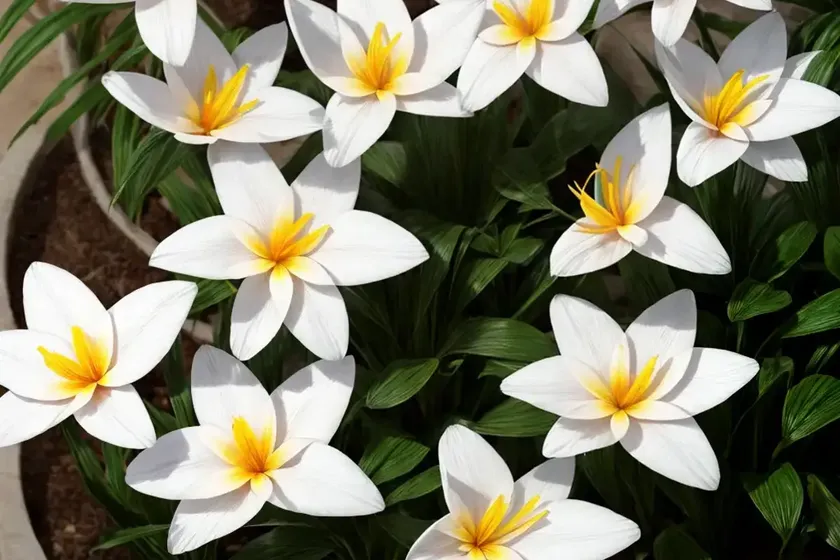
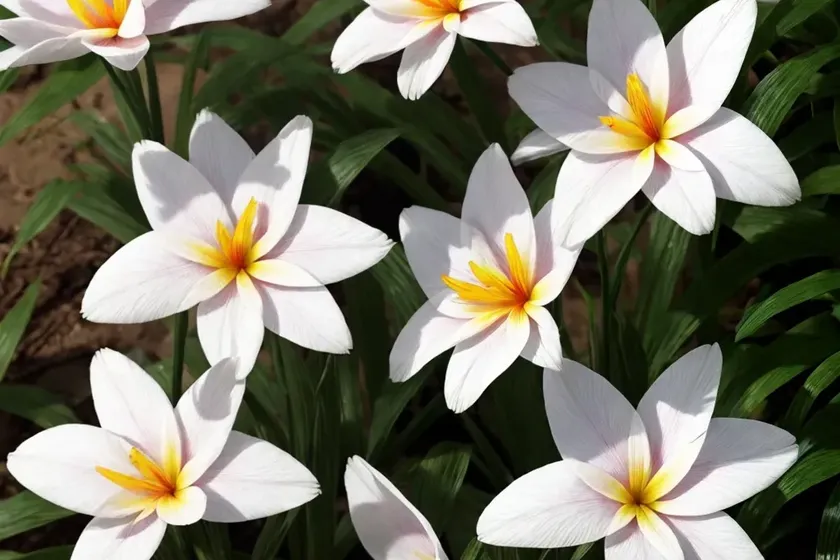
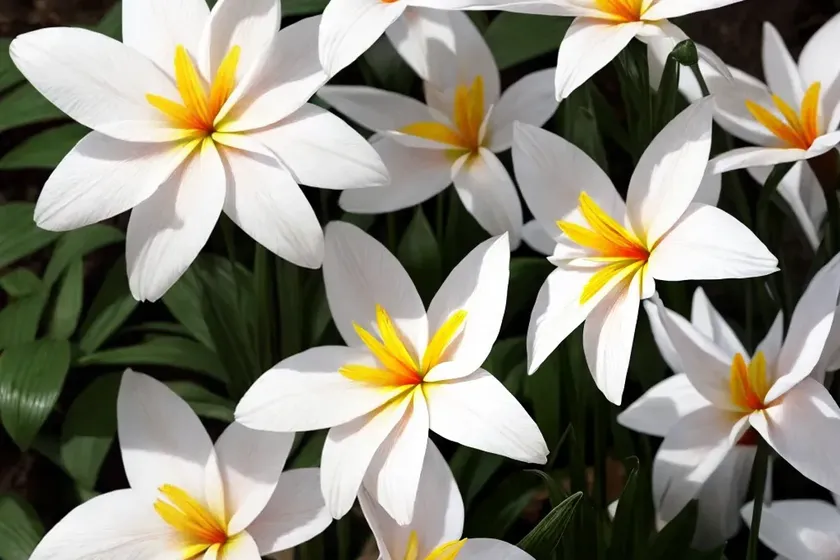
Zephyranthes, commonly known as rain lilies, are a delightful group of flowering plants that belong to the Amaryllidaceae family. These charming plants are native to the Americas and encompass a wide variety of species and cultivars. They are valued for their exquisite, trumpet-shaped flowers that bloom in response to rainfall, hence the common name “rain lilies.” In this comprehensive guide, we will explore the diverse aspects of Zephyranthes, including their culture, uses, maintenance, and much more.
What is Zephyranthes (Zephyranthes)?
Zephyranthes, also known as rain lilies, derive their name from the Greek words “zephyros” (west wind) and “anthos” (flower), collectively signifying the ‘flowers of the west wind.’ They are elegant, herbaceous, and bulbous perennials that are renowned for their vibrant and exquisite flowers. These plants are valued for their ability to bloom rapidly, often within a few days following substantial rainfall, lending a delightful burst of color to gardens and landscapes.
Key Takeaways – Zephyranthes (Zephyranthes)
Before delving into the detailed care and cultivation of Zephyranthes, it’s essential to grasp some key takeaways regarding these delightful plants. Here are some crucial points to remember about Zephyranthes:
- Zephyranthes are notable for their rapid bloom cycle, often flowering within days of significant rainfall.
- They belong to the Amaryllidaceae family and are native to the Americas, particularly regions with warm and tropical climates.
- Zephyranthes encompass a diverse array of species and varieties, offering a wide range of flower colors, shapes, and sizes.
- These plants are valuable for their ornamental and landscaping purposes, particularly for their colorful and fragrant blooms.
Now that we have a basic understanding of Zephyranthes, let’s proceed by exploring their culture, uses, and the essential factors for their successful cultivation.
Culture
Uses
Zephyranthes are highly versatile plants that can be employed in various gardening and landscaping applications. Some common uses of Zephyranthes include:
- Ornamental Planting: Zephyranthes are widely cherished for their ornamental value, adorning gardens, borders, and containers with their striking blooms.
- Landscape Design: These plants can be incorporated into landscape designs to add bursts of color and charm, particularly in regions where rainfall is frequent.
- Cut Flowers: The vibrant and fragrant flowers of Zephyranthes make them suitable for cutting and creating stunning floral arrangements.
Water
Proper watering is crucial for the optimal growth and blooming of Zephyranthes. These plants prefer a moderately moist soil, especially during their active growth and blooming periods. However, it’s essential to allow the soil to dry out slightly between waterings to prevent waterlogging, which can lead to bulb rot.
Key Points for Watering Zephyranthes:
- Water deeply but infrequently, allowing the soil to dry out partially between waterings.
- During the growing season, increase watering frequency to support healthy foliage and flower production.
- Reduce watering during dormancy to prevent bulb rot and maintain the vitality of the plant.
Sunlight
Zephyranthes thrive in bright, indirect sunlight or partial shade. They prefer locations with ample natural light but are also adaptable to shadier conditions. When grown in regions with intense sunlight, it’s advisable to provide some protection during the hottest part of the day to prevent leaf scorch.
Key Points for Sunlight Requirements:
- Place Zephyranthes in locations with filtered sunlight or partial shade to ensure optimal growth and blooming.
- In hotter climates, provide protection from direct sunlight during the peak hours of the day to prevent leaf damage.
Fertilizer
Proper fertilization is integral to nurturing healthy Zephyranthes plants and promoting robust blooming. A balanced, water-soluble fertilizer formulated for flowering plants can be applied during the active growth phase to provide the necessary nutrients for the plant’s vitality.
Key Points for Fertilization:
- Use a balanced, water-soluble fertilizer with a higher phosphorus content to encourage prolific flowering.
- Apply the fertilizer according to the manufacturer’s recommendations, avoiding excessive use to prevent potential damage to the plant.
- Fertilize Zephyranthes during the growing season, reducing or ceasing applications during dormancy.
Soil
The choice of soil plays a significant role in the overall health and performance of Zephyranthes. These plants thrive in well-draining, slightly acidic to neutral soils that provide adequate aeration and moisture retention. A fertile, humus-rich soil with good drainage is ideal for cultivating healthy and flourishing Zephyranthes.
Key Points for Soil Requirements:
- Use well-draining, fertile soils with a slightly acidic to neutral pH for optimal growth of Zephyranthes.
- Incorporate organic matter such as compost or peat moss into the soil to enhance its fertility and moisture retention capabilities.
- Avoid waterlogged or compacted soils, as they can lead to root rot and hinder the development of healthy Zephyranthes plants.
Pruning
Pruning is an essential aspect of Zephyranthes maintenance, aimed at enhancing their aesthetic appeal and overall vigor. Proper pruning involves the removal of spent flowers, yellowing foliage, and any damaged or diseased plant parts.
Key Points for Pruning Zephyranthes:
- Deadhead spent flowers to encourage continuous blooming and prevent the formation of seeds.
- Trim yellowing or diseased foliage to maintain the plant’s overall health and appearance.
- Remove any damaged or withered leaves to promote new growth and maintain a tidy and attractive appearance.
Propagation
Zephyranthes can be propagated through various methods, including division of bulbs, seeds, and offsets. Each propagation technique offers unique advantages and can be employed based on the specific requirements and preferences of the grower.
Key Points for Propagation:
- Division: Divide mature Zephyranthes bulbs during the dormant season, ensuring that each division has sufficient roots and shoots for successful establishment.
- Seeds: Collect and sow fresh Zephyranthes seeds in well-draining potting mix, providing appropriate warmth and moisture for germination.
- Offsets: Separate offsets or bulbils produced by mature Zephyranthes plants and transplant them into individual containers or garden locations.
Container Popularity
Zephyranthes are popular container plants, valued for their compact size, vibrant blooms, and ease of care. They are well-suited for container gardening, allowing individuals with limited garden space to enjoy their delightful flowers and ornamental appeal.
Key Points for Container Gardening with Zephyranthes:
- Choose well-draining containers with sufficient drainage holes to prevent waterlogging and maintain healthy root conditions.
- Use a high-quality potting mix with adequate nutrients and moisture retention capabilities for optimal growth and performance.
- Position the containers in locations with appropriate sunlight and ensure regular watering and maintenance to support healthy Zephyranthes growth.
Common Diseases
Despite their resilience, Zephyranthes are susceptible to certain diseases that can affect their overall health and flowering capabilities. Understanding these common diseases and adopting proactive measures is essential for preventing and managing potential issues.
Disease Diagnosis
1. Bulb Rot
Bulb rot is a common issue that affects Zephyranthes, particularly in poorly-draining or excessively moist soil conditions. It is characterized by the decay and deterioration of the plant’s bulbs, leading to stunted growth, wilting, and eventual death.
Symptoms:
- Soft, discolored, or foul-smelling bulbs
- Stunted growth and wilting of foliage
- Rotting or decaying bulb tissue
Management:
- Ensure well-draining soil conditions to prevent water accumulation around the bulbs.
- Avoid overwatering and allow the soil to dry out slightly between waterings.
- Remove and discard severely affected bulbs to prevent the spread of rot to healthy plants.
2. Fungal Leaf Spots
Fungal leaf spots can occur due to prolonged periods of moisture on the foliage, leading to the development of unsightly spots and blemishes. While these spots may not be immediately fatal, they can impact the plant’s overall aesthetics and vigor if left unaddressed.
Symptoms:
- Small to large dark spots or lesions on the foliage
- Yellowing or browning of affected leaves
- Fuzzy or powdery growth on the leaf spots in humid conditions
Management:
- Provide adequate air circulation around the plants to reduce moisture accumulation on the foliage.
- Avoid overhead watering to minimize moisture on the leaves, particularly during the evening.
- Apply fungicidal sprays as a preventive measure, especially during humid or rainy periods.
Common Pests
Zephyranthes are relatively resistant to pest infestations, but they can occasionally attract certain insects that may affect their growth and flowering. Being vigilant and proactive in pest management is crucial for maintaining the health and vitality of the plants.
Pest Management
1. Aphids
Aphids are small, sap-sucking insects that can infest the tender shoots and buds of Zephyranthes, causing distortion of the plant’s growth and potential transmission of viral diseases.
Symptoms:
- Sticky honeydew on the foliage and flowers
- Distorted or stunted growth of new shoots and leaves
- Presence of small, soft-bodied insects on the plant parts
Management:
- Use strong blasts of water to dislodge and remove aphids from the plant.
- Introduce natural predators such as ladybugs or lacewings to control aphid populations.
- Apply horticultural oils or insecticidal soaps as a targeted treatment for severe aphid infestations.
2. Slugs and Snails
Slugs and snails can feed on the tender foliage and flowers of Zephyranthes, causing unsightly damage and impairing the overall appearance of the plants.
Symptoms:
- Irregular, ragged holes on the leaves and flowers
- Presence of slime trails on the soil and plant surfaces
- Active presence of slugs and snails during the evening or in damp conditions
Management:
- Handpick slugs and snails during the evening and early morning hours when they are most active.
- Create physical barriers such as copper tape or diatomaceous earth around the plants to deter slug and snail movement.
- Apply organic slug and snail baits as a targeted control measure, following the manufacturer’s recommendations.
Botanist’s Tips
1. Early Spring Planting:
For optimal blooming and vigor, consider planting Zephyranthes bulbs in early spring to allow them to establish and develop their root systems before the onset of the growing season.
2. Regular Deadheading:
Frequent deadheading of spent flowers not only promotes continual blooming but also prevents the formation of seeds, encouraging energy allocation towards new flower production.
3. Mulching Benefits:
Apply a layer of organic mulch around Zephyranthes plants to conserve soil moisture, suppress weed growth, and enhance the overall soil structure.
Fun Facts
- Zephyranthes blooms are often fragrant, offering a delightful sensory addition to gardens and landscapes.
- These plants are commonly referred to as rain lilies due to their propensity to bloom following substantial rainfall, particularly in their native habitats.
- Zephyranthes bulbs are often characterized by their resilience and ability to naturalize in diverse environmental conditions.
Links to External Resources
For additional information and resources on Zephyranthes care, cultivation, and landscaping, consider exploring the following external sources:
- American Society for the Prevention of Cruelty to plants (ASCP)
- Royal Horticultural Society (RHS)
- The Spruce – Gardening
Conclusion
Zephyranthes, with their captivating blooms and resilient nature, are delightful additions to gardens, landscapes, and container displays. Understanding their cultural requirements, maintenance practices, and potential challenges is essential for successfully fostering healthy and flourishing Zephyranthes plants. By incorporating the insights and guidelines provided in this comprehensive guide, enthusiasts and gardeners alike can cultivate and appreciate the natural beauty and charm of Zephyranthes in various gardening settings.
Remember to embrace the unique allure of Zephyranthes as they grace the outdoor spaces with their vibrant flowers and ornamental presence.
Happy Gardening!