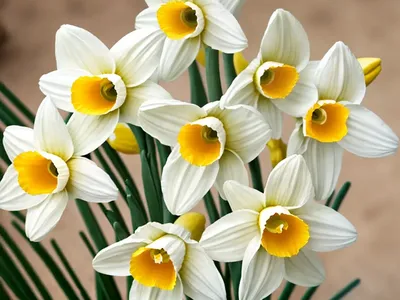
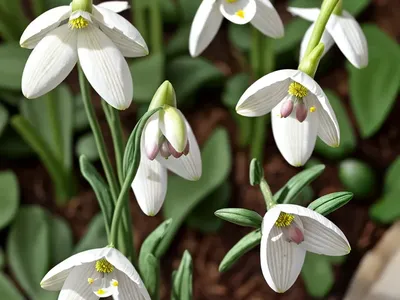
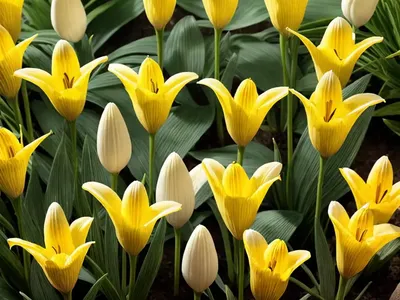
Zephyranthes Rosea (Rain Lily)
Zephyranthes rosea, commonly known as Rain Lily, is a charming, low-maintenance plant that belongs to the Amaryllidaceae family. This perennial, bulbous.
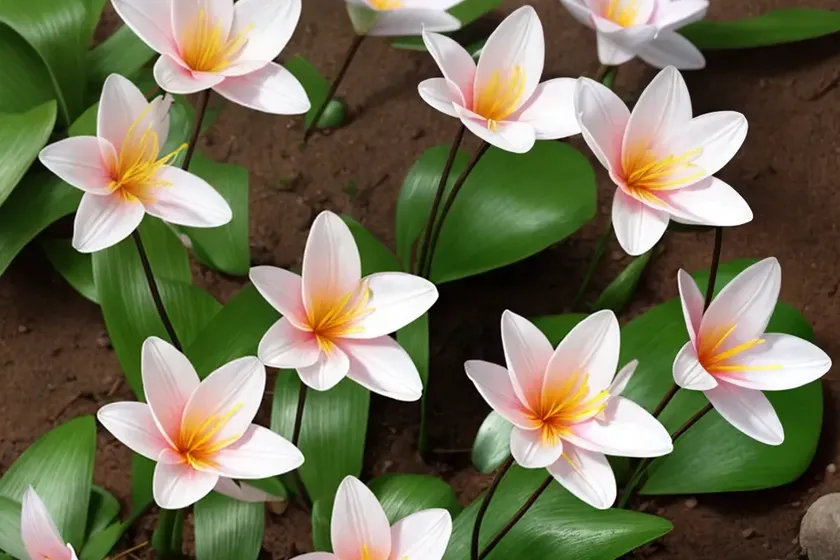
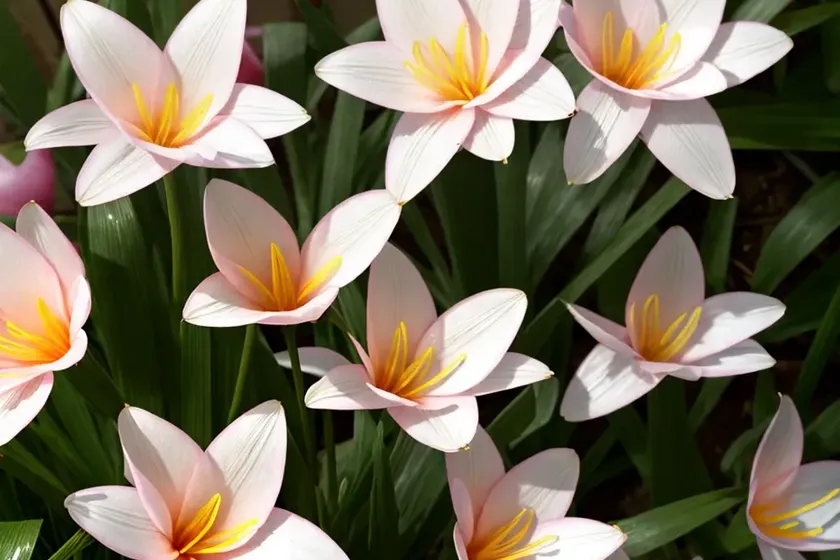
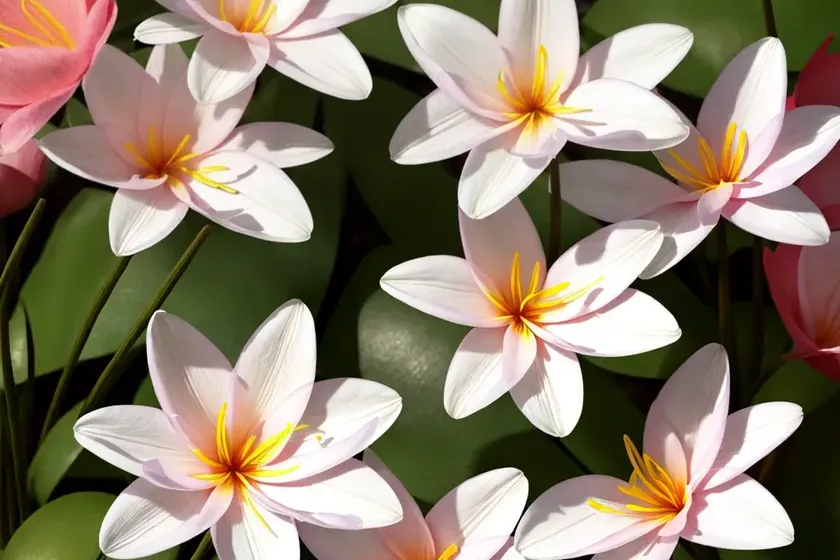
Zephyranthes rosea, commonly known as Rain Lily, is a charming, low-maintenance plant that belongs to the Amaryllidaceae family. This perennial, bulbous plant is native to South America and is widely cultivated for its delicate and stunning flowers. In this comprehensive guide, we will explore the various aspects of Rain Lily, including its culture, uses, care requirements, propagation, common diseases, and much more. Whether you’re a seasoned gardener or a novice plant enthusiast, this guide will equip you with the knowledge to successfully cultivate and appreciate the beauty of Zephyranthes rosea.
What is Zephyranthes Rosea (Rain Lily)?
Zephyranthes rosea, also known as Rain Lily, is a small but hardy perennial plant characterized by its delightful, lily-like flowers. The plant is native to South America, where it thrives in warm and tropical climates. It belongs to the Amaryllidaceae family, which also includes Amaryllis and Narcissus.
Key Takeaways
Before delving into the specifics of Zephyranthes rosea, let’s highlight some key takeaways about this fascinating plant:
- Plant Name: Zephyranthes rosea (Rain Lily)
- Family: Amaryllidaceae
- Origination: South America
- Lifespan: Perennial
- Common Name: Rain Lily
- Botanical Name: Zephyranthes rosea
- Blooming Period: Spring and Summer
- Hardiness Zones: 7-11
Now that we have a general understanding of Zephyranthes rosea, let’s explore the various aspects of this plant in detail.
Culture
Water
Zephyranthes rosea thrives in well-drained soil and requires moderate watering. During the active growing season, it’s important to keep the soil consistently moist but not waterlogged. Once the plant goes dormant, typically in the fall, reduce the frequency of watering to prevent the bulbs from rotting.
Rain Lily Watering Tips:
– Water the plant when the soil becomes slightly dry to the touch.
– Avoid overwatering, as it can lead to bulb rot.
Sunlight
Rain Lily flourishes in full sun to partial shade. Providing the plant with at least 6 hours of sunlight per day will promote healthy foliage and prolific blooming. In regions with intense summer heat, partial shade during the hottest part of the day can benefit Zephyranthes rosea.
Zephyranthes Rosea Sunlight Requirements:
– Place the plant in a location with ample natural light.
– Ensure adequate sunlight for optimal flower production.
Fertilizer
To support the growth and flowering of Zephyranthes rosea, it’s beneficial to provide a balanced fertilizer during the active growing season. A general-purpose, slow-release fertilizer applied in early spring can provide the necessary nutrients for healthy foliage and vibrant blooms.
Fertilizing Tips:
– Apply a balanced fertilizer, such as 10-10-10, in spring.
– Avoid over-fertilizing, as it can lead to excessive foliage growth at the expense of flowering.
Soil
Well-draining, nutrient-rich soil is essential for the cultivation of Zephyranthes rosea. A sandy loam soil with good drainage properties is ideal for these plants. Additionally, incorporating organic matter into the soil can enhance its fertility and structure, providing an optimal growing environment for Rain Lilies.
Best Soil for Zephyranthes Rosea:
– Use a well-draining, sandy loam soil mix.
– Incorporate organic matter, such as compost, to improve soil quality.
Pruning
Pruning is generally minimal for Zephyranthes rosea. However, removing spent flowers and yellowing foliage can improve the plant’s appearance and redirect its energy towards new growth. Additionally, if the plant becomes overcrowded or develops dense clumps, dividing the bulbs every few years can rejuvenate the plant and promote better flowering.
Pruning Tips:
– Remove faded flowers to encourage additional blooming.
– Divide crowded clumps of bulbs every 3-4 years to rejuvenate the plant.
Uses
Zephyranthes rosea is a versatile plant with various uses in the garden and landscape. Its charming flowers and low-maintenance nature make it a popular choice for a range of applications.
Garden Beds and Borders
Rain Lilies are often planted in garden beds and borders to add a touch of elegance and color to the landscape. Their compact size and profusion of blooms make them an excellent choice for edging, rock gardens, or mixed perennial beds.
Zephyranthes Rosea Garden Design Ideas:
– Plant along garden pathways for a whimsical touch.
– Combine with ornamental grasses for a textural contrast.
Containers
The compact and clumping nature of Zephyranthes rosea makes it well-suited for container gardening. Whether grown in individual pots or as part of a mixed container arrangement, Rain Lilies bring a delightful and refreshing presence to patios, balconies, and other outdoor spaces.
Growing Zephyranthes Rosea in Containers:
– Use well-draining potting mix to prevent waterlogging.
– Group multiple containers together for a captivating display of blooms.
Naturalizing
Rain Lilies can be naturalized in suitable areas to create charming and carefree displays of flowers. When planted in clusters, they can form breathtaking carpets of color, especially when allowed to multiply and spread over time.
Rain Lily Naturalization:
– Plant bulbs in large drifts for a dramatic effect.
– Allow the plants to self-seed and spread naturally in the right growing conditions.
Cut Flowers
The exquisite flowers of Zephyranthes rosea make stunning additions to floral arrangements. Whether used alone or combined with other flowers and foliage, Rain Lily blooms bring an air of delicacy and charm to bouquets and floral displays.
Rain Lily Cut Flower Tips:
– Harvest flowers in the morning for the longest vase life.
– Combine with other spring blooms for a vibrant floral arrangement.
Propagation
Zephyranthes rosea can be propagated through several methods, including division of bulbs and seed propagation.
Division
Dividing established clumps of Rain Lily bulbs is a simple and effective method of propagation. This process not only creates new plants but also rejuvenates the existing ones, resulting in enhanced flowering performance.
Rain Lily Division:
– Dig up clumps of bulbs in the dormant season.
– Gently separate the individual bulbs and replant them at the desired location.
Seed Propagation
While Zephyranthes rosea readily reproduces from seeds, it’s important to note that seed-grown plants may take a few years to reach maturity and begin flowering. Sowing seeds in well-draining soil and providing consistent moisture can facilitate successful germination and establishment.
Rain Lily Seed Sowing Tips:
– Sow seeds in spring for best results.
– Keep the soil evenly moist during the germination period.
Popularity
Zephyranthes rosea, or Rain Lily, has gained popularity among gardeners and landscape enthusiasts for several compelling reasons. Its adaptable nature, charming flowers, and minimal care requirements contribute to its widespread appeal.
Ornamental Value
The captivating blooms of Zephyranthes rosea make it a sought-after plant for ornamental purposes. Whether in the garden, containers, or cut flower arrangements, the delicate and colorful flowers of Rain Lilies never fail to impress.
Rain Lily Flower Colors:
– Typically pink or rosy-hued, though white and yellow varieties are also available.
– The flowers bloom profusely and add a cheerful touch to any setting.
Low Maintenance
One of the key factors driving the popularity of Rain Lilies is their low maintenance requirements. Once established, they are relatively carefree, making them an ideal choice for busy gardeners and those new to plant cultivation.
Rain Lily Maintenance:
– Minimal pruning and deadheading required.
– Drought-tolerant once established, reducing the need for frequent watering.
Seasonal Interest
Zephyranthes rosea catches the eye with its captivating blooms, adding seasonal interest to the landscape. As the name suggests, the plant often produces flowers after a period of rain, further enhancing its allure and charm.
Zephyranthes Rosea Seasonality:
– Blooms typically appear in spring and summer, often after rainfall.
– The plant’s flowering signals the arrival of the warm, sunny season.
Common Diseases
While Zephyranthes rosea is generally resistant to most diseases, it may occasionally encounter certain issues that warrant attention and management.
Disease Diagnosis
Recognizing the symptoms of common plant diseases can help in timely intervention and effective treatment. Some of the potential diseases that may affect Zephyranthes rosea include bulb rot, leaf spot, and fungal infections.
Common Rain Lily Diseases:
– Bulb Rot: Caused by excessively wet conditions, resulting in decay of the bulbs.
– Leaf Spot: Manifests as brown or black spots on the foliage, often due to fungal infections.
Disease Management
Preventive measures, such as proper watering and adequate air circulation, can significantly reduce the risk of diseases affecting Zephyranthes rosea. Additionally, prompt identification and appropriate treatment can help mitigate the impact of any potential diseases.
Rain Lily Disease Management:
– Avoid overwatering to prevent bulb rot.
– Use fungicidal treatments if leaf spot or fungal infections are observed.
Common Pests
Zephyranthes rosea is generally resistant to most pests, but occasional infestations may occur, posing a threat to the health and appearance of the plants.
Pest Identification
Being vigilant about pest presence and early detection are crucial in preventing severe infestations. Common pests that may affect Rain Lilies include aphids, spider mites, and thrips.
Common Rain Lily Pests:
– Aphids: Small, sap-sucking insects that can distort new growth.
– Spider Mites: Tiny pests that cause stippling and webbing on the foliage.
Pest Control
Implementing integrated pest management (IPM) strategies can effectively manage pest infestations while minimizing the use of chemical treatments. Natural predators, such as ladybugs and lacewings, can help control aphid populations, while regular monitoring and appropriate intervention can deter other pests.
Rain Lily Pest Control:
– Prune and discard heavily infested plant parts.
– Use insecticidal soaps or neem oil if pest populations become excessive.
Botanist’s Tips
When cultivating Zephyranthes rosea, certain tips and guidelines can maximize the plant’s performance and overall health. These insights from experienced botanists and horticulturists can offer valuable recommendations for successful Rain Lily cultivation.
Soil Requirements
Ensure the soil is well-draining to prevent waterlogging, which can lead to bulb rot. Incorporating perlite or coarse sand into the soil mix can improve its drainage properties and create a suitable growing medium for Zephyranthes rosea.
Botanist’s Soil Tip:
– Use a soil mix consisting of 50% potting soil, 25% perlite, and 25% coarse sand for optimal drainage.
Natural Rainwater
Whenever possible, utilize natural rainwater for watering Rain Lilies. Rainwater is free of the chemicals commonly found in tap water, making it a preferable choice for the irrigation of Zephyranthes rosea.
Botanist’s Watering Tip:
– Collect rainwater in barrels for use in watering the plants.
Drought Tolerance
While Zephyranthes rosea appreciates consistent moisture during the growing season, it is remarkably drought-tolerant once established. The plant’s ability to withstand dry conditions makes it an excellent choice for water-wise landscapes and regions with limited rainfall.
Botanist’s Drought Tolerance Tip:
– Allow the soil to dry out between watering to encourage the development of a robust root system.
Fun Facts
Discover some intriguing and delightful facts about Zephyranthes rosea that add to its charm and allure.
- Flower Symbolism: In various cultures, Rain Lilies are associated with themes of renewal, rebirth, and hope, thanks to their propensity to bloom after periods of rain.
- Wildlife Attraction: The nectar-rich flowers of Zephyranthes rosea attract pollinators, such as bees and butterflies, contributing to the biodiversity of the garden.
- Medicinal Uses: In traditional medicine, certain parts of Rain Lilies are believed to possess therapeutic properties and have been used to address various ailments.
- Fragrance: Some varieties of Zephyranthes rosea emit a sweet, delicate fragrance, adding an olfactory dimension to their appeal.
- Species Diversity: The genus Zephyranthes encompasses a diverse array of species and hybrids, showcasing a wide range of flower colors and forms.
Links to External Resources
Explore further information and resources about Zephyranthes rosea and related topics from reputable sources and organizations.
- Rain Lily Care – American Horticultural Society
- Zephyranthes Rosea Planting Guide – Royal Horticultural Society
- How to Grow Zephyranthes Rosea – University of Florida IFAS Extension
- Rain Lily Bulbs – Missouri Botanical Garden
- Zephyranthes Rosea Varieties – The Plant List
- Rain Lily Propagation – Texas A&M AgriLife Extension
- Zephyranthes Rosea Blooms – Fine Gardening
- Best Soil for Zephyranthes Rosea – University of Maryland Extension
- Rain Lily Watering Tips – University of Illinois Extension
- Zephyranthes Rosea Sunlight Requirements – Colorado State University Extension
- Growing Zephyranthes Rosea in Containers – University of California Agriculture and Natural Resources
- Rain Lily Flower Colors – American Public Gardens Association
- Zephyranthes Rosea Landscape Uses – University of Minnesota Extension
- Rain Lily Bulb Dormancy – University of Georgia Extension
- Zephyranthes Rosea Pests and Diseases – University of Kentucky Cooperative Extension
Zephyranthes rosea, or Rain Lily, is undoubtedly a fascinating and delightful plant that captivates and enchants with its exquisite blooms and easy maintenance. Whether gracing garden beds, containers, or naturalized areas, this charming perennial has much to offer to gardeners and nature enthusiasts alike. By understanding its culture, uses, propagation methods, and care requirements, you can embark on a rewarding journey of cultivating and appreciating the beauty of Zephyranthes rosea in your own garden or landscape.