Zephyranthes Grandiflora (Rain Lily)
Zephyranthes grandiflora, commonly known as Rain Lily, is a fascinating and delicate flowering plant that belongs to the Amaryllidaceae family. This.
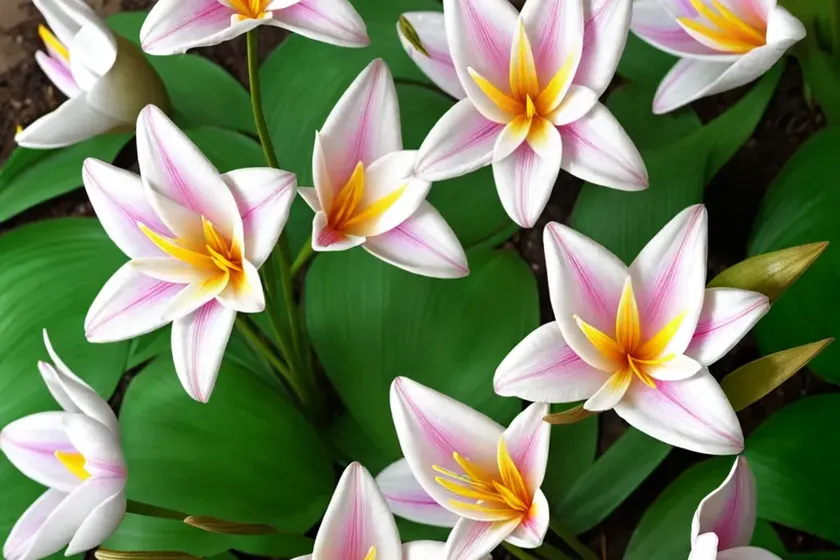
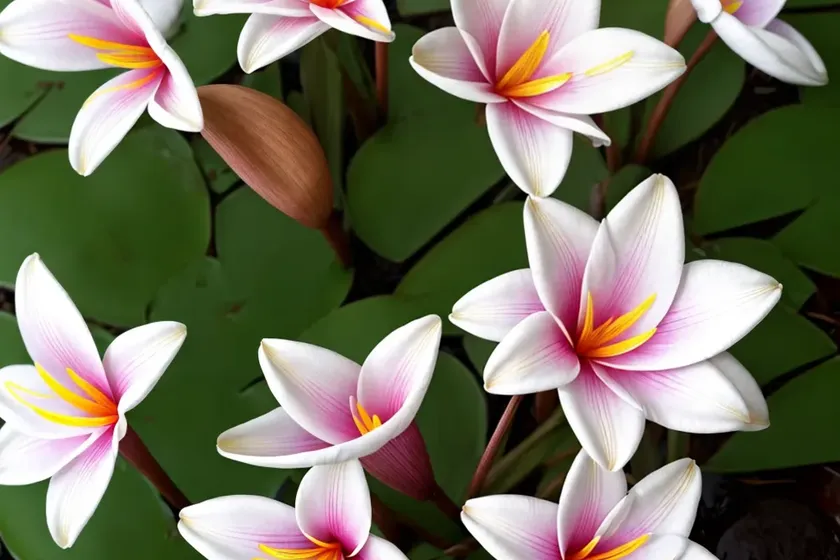
Zephyranthes grandiflora, commonly known as Rain Lily, is a fascinating and delicate flowering plant that belongs to the Amaryllidaceae family. This beautiful plant is native to Central and South America and is prized for its charming, trumpet-shaped blooms and resilience in various environmental conditions.
In this comprehensive guide, we will delve into the world of Zephyranthes grandiflora, exploring its cultural requirements, uses, propagation methods, common diseases and pests, as well as interesting botanist’s tips and fun facts. Whether you are an experienced gardener or just starting out, this article will equip you with the knowledge and insights to successfully cultivate and care for this stunning plant.
What is Zephyranthes grandiflora (Rain Lily)?
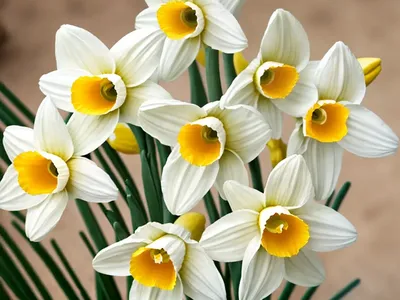
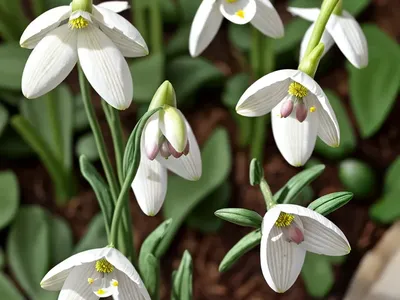
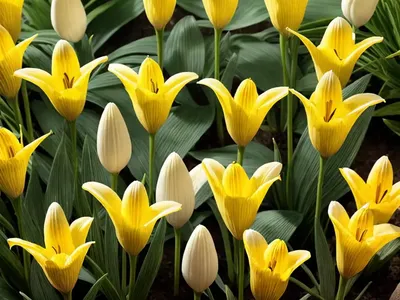
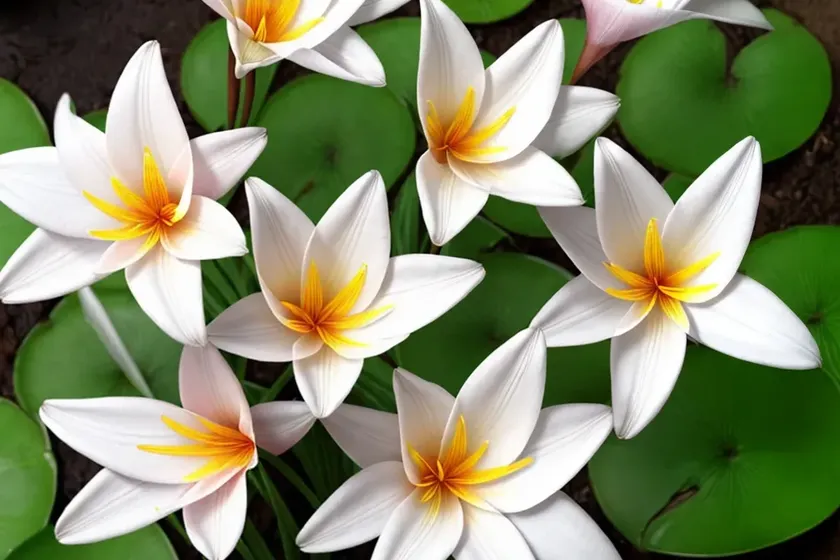
Zephyranthes grandiflora, also known as Rain Lily, is a perennial bulbous plant that is highly valued for its dainty, white trumpet-shaped flowers. It is native to the tropical and subtropical regions of Central and South America and is particularly renowned for its ability to bloom soon after rainfall, hence the common name “Rain Lily.”
This charming plant features grass-like foliage and produces delicate flowers that typically emerge in abundance, creating a visually captivating display in gardens, landscapes, and containers. The blooms of Zephyranthes grandiflora are often borne on erect, leafless stems and have a sweet, enchanting fragrance that further adds to their allure.
Key Takeaways – Zephyranthes grandiflora (Rain Lily)
Before delving into the specifics of Zephyranthes grandiflora care and cultivation, it’s beneficial to understand the core aspects of this exquisite plant. Here are the key takeaways that encapsulate the essence of Rain Lily:
- Botanical Name: Zephyranthes grandiflora
- Common Name: Rain Lily
- Family: Amaryllidaceae
- Native Habitat: Central and South America
- Characteristics: Perennial bulbous plant with grass-like foliage and white trumpet-shaped flowers
- Distinct Feature: Blooms soon after rainfall, hence the name “Rain Lily”
- Uses: Garden beds, borders, containers, and landscape focal points
- Key Traits: Resilience, delicate blooms, and sweet fragrance
Now that we have an overview of Zephyranthes grandiflora, let’s explore the cultural requirements and maintenance practices that will contribute to the successful growth and flourishing of this captivating plant.
Culture
The successful cultivation of Zephyranthes grandiflora hinges on understanding and providing the optimal growing conditions for the plant. From soil preferences to watering needs, each aspect plays a crucial role in nurturing a healthy and vibrant Rain Lily. Let’s delve into the cultural requirements of this remarkable plant.
Water
Zephyranthes grandiflora thrives in consistently moist, well-draining soil. While it appreciates ample moisture, it is important to ensure that the soil does not become waterlogged, as this can lead to root rot and other complications. The ideal approach is to water the plant deeply and allow the top layer of the soil to dry out between watering sessions.
Rain Lily Watering Needs:
- Frequency: Water deeply when the top layer of soil is dry to the touch
- Avoid Overwatering: Prevent waterlogging to mitigate the risk of root rot
- During Dormancy: Reduce watering during the plant’s dormant phase
Sunlight
In terms of sunlight requirements, Zephyranthes grandiflora thrives in full to partial sunlight. It flourishes in locations that receive ample sunlight, particularly in the morning and early afternoon, while also tolerating partial shade. Adequate exposure to sunlight is essential for ensuring prolific flowering and overall plant vigor.
Sunlight Preferences:
- Optimal Exposure: Full to partial sunlight
- Morning Sun: Ideal for robust growth and flowering
- Partial Shade: Tolerated, especially in hot climates
Fertilizer
To support the growth and blooming potential of Zephyranthes grandiflora, regular fertilization is beneficial, particularly during the active growing season. A balanced, water-soluble fertilizer with a higher phosphorus content is recommended to promote healthy root development, strong foliage growth, and abundant flowering.
Fertilization Tips:
- Frequency: Apply a balanced, water-soluble fertilizer every 2-3 weeks during the growing season
- Phosphorus Content: Select a fertilizer with a higher phosphorus content to encourage blooming
- Dilution: Dilute the fertilizer according to the manufacturer’s instructions
Soil
The soil preferences of Zephyranthes grandiflora revolve around well-draining, fertile, and slightly acidic to neutral soil. It thrives in loamy, sandy, or clay-based soils, provided that they offer good drainage. Additionally, amending the soil with organic matter, such as compost or well-rotted manure, can enhance its nutrient content and texture.
Ideal Soil Composition:
- Drainage: Well-draining soil to prevent waterlogging
- Fertility: Fertile soil amended with organic matter
- pH Level: Slightly acidic to neutral soil pH (6.0 – 7.0)
Pruning
Pruning Zephyranthes grandiflora is a straightforward task that primarily involves removing spent flowers and trimming back any discolored or damaged foliage. This promotes a tidier appearance and redirects the plant’s energy towards new growth and flower development. Additionally, removing the withered foliage can help prevent the onset of diseases and pest infestations.
Pruning Practices:
- Deadheading: Regularly remove spent flowers to encourage continuous blooming
- Foliage Trimming: Trim back discolored or damaged foliage to maintain plant health
- Fall Cleanup: Conduct a thorough cleanup in fall to remove debris and enhance overall plant vigor
Propagation
The propagation of Zephyranthes grandiflora can be achieved through several methods, including division, seed propagation, and cutting propagation. Each approach offers its unique benefits and considerations, allowing gardeners to expand their Rain Lily collection or share the plant with fellow enthusiasts.
Propagation Methods:
- Division: Divide mature clumps in spring to create new plants
- Seed Propagation: Sow fresh Rain Lily seeds in well-draining soil
- Cutting Propagation: Root stem cuttings in a suitable rooting medium for new plantlets
Container Popularity
Zephyranthes grandiflora enjoys widespread popularity as a container plant, gracing patios, balconies, and indoor spaces with its elegant blooms and foliage. Cultivating Rain Lily in containers offers the flexibility to manipulate growing conditions and display the plant in various settings, enhancing its ornamental value.
Benefits of Container Cultivation:
- Versatility: Suitable for indoor and outdoor container gardening
- Space Efficiency: Ideal for small spaces, balconies, and patios
- Aesthetic Appeal: Enhances the visual appeal of container gardens and living spaces
Common Diseases
While Zephyranthes grandiflora is generally resilient, certain diseases can impact its health and vigor. Understanding common diseases and their preventive measures is essential for safeguarding the plant and maintaining its lush appearance.
Disease Diagnosis
The following are some of the common diseases that may affect Zephyranthes grandiflora:
- Fungal Diseases: Including leaf spots, blight, and bulb rot
- Viral Infections: Resulting in distorted growth and weakened plant vigor
- Bacterial Diseases: Leading to discoloration, wilting, and stunted growth
Disease Prevention
Preventive measures play a pivotal role in mitigating the impact of diseases on Zephyranthes grandiflora. Implementing good cultural practices, including proper watering, soil drainage, and sanitation, can bolster the plant’s natural resistance to diseases.
Preventive Measures:
- Sanitation: Regularly remove debris and dead foliage to minimize disease spread
- Adequate Air Circulation: Promote airflow around the plant to discourage fungal diseases
- Proper Watering: Avoid overwatering to prevent the onset of root and bulb diseases
Common Pests
Pests can pose a threat to the health and beauty of Zephyranthes grandiflora, necessitating vigilance and proactive pest management strategies. By recognizing common pests and their associated symptoms, gardeners can effectively address infestations and safeguard the plant’s well-being.
Common Pests:
- Aphids: Sucking insects that congregate on tender foliage and flower buds
- Thrips: Thrips feed on flower buds, causing discoloration and distortion
- Spider Mites: Minuscule pests that thrive in dry conditions, leading to stippled foliage
Pest Management:
- Natural Predators: Encourage beneficial insects that prey on garden pests
- Horticultural Oils: Use horticultural oils to suffocate and control soft-bodied pests
- Neem Oil: Apply neem oil as a natural and organic control method for common pests
Botanist’s Tips
As a plant scientist with a passion for Zephyranthes grandiflora, here are some valuable tips to support the successful growth and cultivation of Rain Lily:
- Observation is Key: Regularly monitor the plant for changes in growth, blooming, and foliage health to detect issues early.
- Balanced Nutrition: Provide a balanced fertilizer to promote healthy growth and abundant blooming.
- Mindful Watering: Avoid overwatering, especially during the dormant phase, to prevent root problems.
- Sunlight vigilance: Ensure the plant receives adequate sunlight, particularly in partial shade to regulate its growth and blooming.
Fun Facts
- The name “Zephyranthes” is derived from the Greek words “Zephyros” and “Anthos,” which collectively mean “Flower of the West Wind,” signifying the plant’s association with rain and wind.
- Zephyranthes grandiflora is often associated with themes of rebirth and renewal due to its propensity to bloom soon after rainfall, symbolizing a fresh start and revitalization.
Links to External Resources
Explore the following external resources to delve deeper into the captivating world of Zephyranthes grandiflora:
- The American Horticultural Society Encyclopedia of Gardening
- Royal Horticultural Society Plant Finder
- National Gardening Association Plant Care Guides
Conclusion
Zephyranthes grandiflora, or Rain Lily, encompasses a mesmerizing blend of delicate beauty and resilience, making it a valuable addition to gardens, landscapes, and container displays. By understanding its cultural requirements, uses, propagation methods, common diseases and pests, as well as botanist’s tips and fun facts, gardeners can nurture this enchanting plant with confidence and expertise.
With a steadfast commitment to providing optimal growing conditions and proactive care, Zephyranthes grandiflora will reward enthusiasts with a profusion of elegant blooms and a captivating presence in outdoor and indoor settings. Embrace the allure of Rain Lily and witness the transformative power of nature’s timeless elegance.