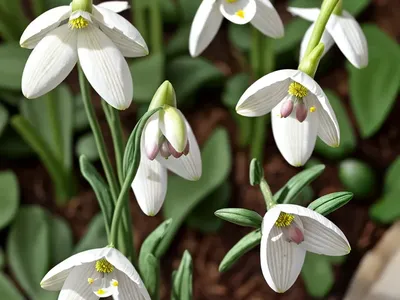
Zephyranthes Citrina (Rain Lily)
Plants have always fascinated human beings with their beauty, diversity, and significance in the ecosystem. Among the myriad of plant species, Zephyranthes.
Introduction
Plants have always fascinated human beings with their beauty, diversity, and significance in the ecosystem. Among the myriad of plant species, Zephyranthes citrina, commonly known as the Rain Lily, stands out due to its delicate flowers and remarkable adaptability. In this comprehensive guide, we will delve into the world of Zephyranthes citrina, exploring its characteristics, cultivation, and the various facets of care and maintenance required to ensure its optimal growth and flourishing.
What is Zephyranthes citrina (Rain Lily)?
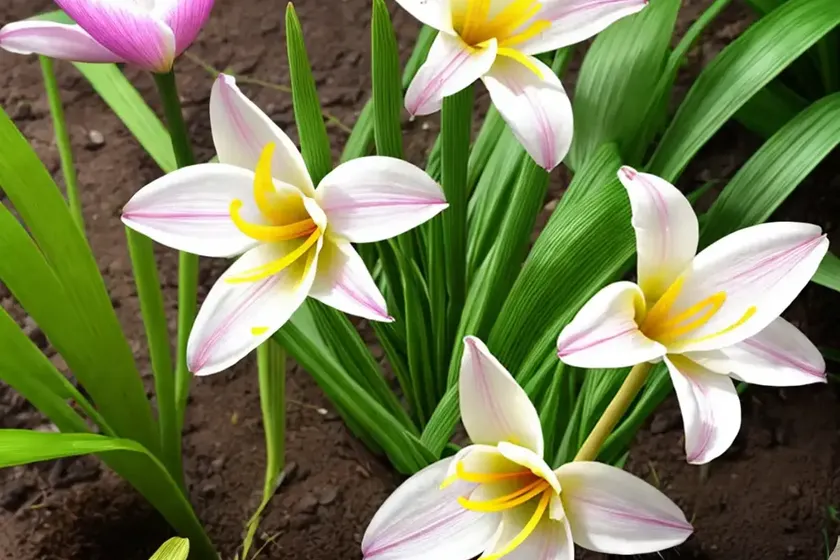
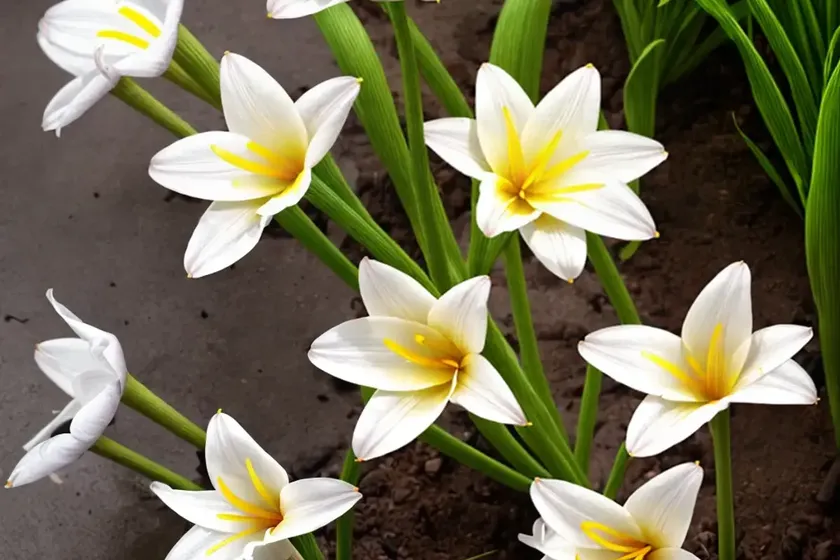
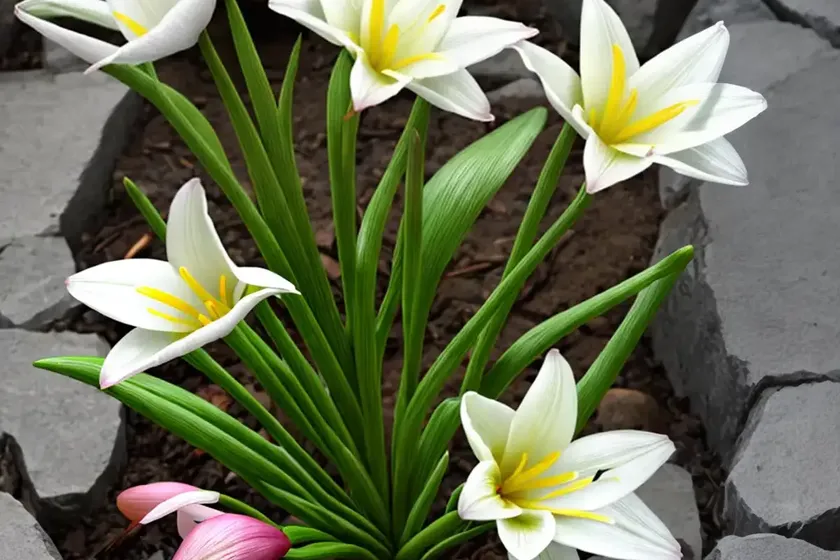
Zephyranthes citrina, a member of the Amaryllidaceae family, is a perennial plant species native to regions of South America, particularly in Brazil and Uruguay. It is renowned for its stunning, trumpet-shaped flowers that emerge after rainfall, hence acquiring the name “Rain Lily.” These flowers exhibit vibrant hues ranging from white and yellow to pink, adding a splash of color to any landscape they inhabit.
The Rain Lily is characterized by its grass-like foliage and a cluster of flowers that bloom on short stalks, creating an enchanting spectacle in gardens, landscapes, and natural habitats. Its ability to thrive in diverse environmental conditions and its low maintenance requirements make it a popular choice among gardeners and landscaping enthusiasts.
Key Takeaways – Zephyranthes citrina (Rain Lily)
Culture
Zephyranthes citrina thrives in diverse cultural settings, making it a versatile addition to various gardening and landscaping projects. Its adaptability and moderate growth make it an ideal choice for both novice and experienced gardeners.
Uses
- Ornamental: The vibrant flowers and lush foliage make Zephyranthes citrina a popular choice for ornamental purposes, adding aesthetic appeal to gardens, landscapes, and indoor spaces.
- Landscaping: Its resilience and adaptability make it a favored option for landscaping projects, adding a touch of natural beauty to outdoor environments.
Water
Understanding the water needs of Zephyranthes citrina is crucial for ensuring its healthy growth and blooming. While it is resilient to short periods of drought, consistent watering is essential, especially during its active growth periods.
- Water Requirements: Regular, moderate watering is essential, particularly during the growing season, to maintain soil moisture without waterlogging.
Sunlight
As with many plant species, sunlight plays a vital role in the growth and flowering of Zephyranthes citrina. Understanding its sunlight requirements is crucial for optimizing its development and blooming potential.
- Sunlight Requirements: Zephyranthes citrina thrives in partial to full sunlight, requiring at least 4-6 hours of direct sunlight for optimal growth and prolific flowering.
Fertilizer
Proper fertilization is essential for the healthy growth and blooming of Zephyranthes citrina. Understanding the appropriate fertilization regimen is paramount to ensure its vigor and prolific flowering.
- Fertilization: A balanced, water-soluble fertilizer, low in nitrogen content, applied during the growing season can support the growth and blooming of Zephyranthes citrina.
Soil
The soil composition and quality are crucial factors that influence the growth, health, and blooming of Zephyranthes citrina. Understanding its soil requirements is imperative for successful cultivation.
- Soil Requirements: Well-draining, loamy soil with a slightly acidic to neutral pH (6.0-7.0) is ideal for Zephyranthes citrina. Amending the soil with organic matter enhances its quality and drainage.
Pruning
Pruning is an essential practice that contributes to the overall health, appearance, and blooming of Zephyranthes citrina. Understanding the appropriate pruning techniques is vital for maintaining its vitality and aesthetic appeal.
- Pruning: Regular deadheading and removal of spent flowers and yellowing foliage encourage continuous blooming and maintain the plant’s vigor.
Propagation
Container Popularity
Common Diseases
Common Pests
Botanist’s Tips
Fun Facts
Links to External Resources
Conclusion
In conclusion, Zephyranthes citrina, the enchanting Rain Lily, represents a captivating addition to any gardening or landscaping project. Its vibrant flowers, coupled with its low maintenance requirements and adaptability, make it a favored choice among plant enthusiasts. By understanding its cultural needs, including water, sunlight, fertilization, and soil requirements, one can ensure the optimal growth, health, and blooming of Zephyranthes citrina, creating a picturesque display of natural beauty. Whether adorning gardens, landscapes, or indoor spaces, the Rain Lily serves as a charming ambassador of nature’s splendor.
As a plant scientist, it is essential to comprehend the intricacies of plant species such as Zephyranthes citrina, employing scientific knowledge to inform and guide the cultivation and care of these botanical wonders. Through this comprehensive guide, we have explored the various facets of the Rain Lily, shedding light on its unique characteristics, cultural requirements, and the nuances of its care. By applying this knowledge, we can appreciate and nurture the enchanting beauty of Zephyranthes citrina, ensuring its flourishing and perpetuating its allure in the natural world.