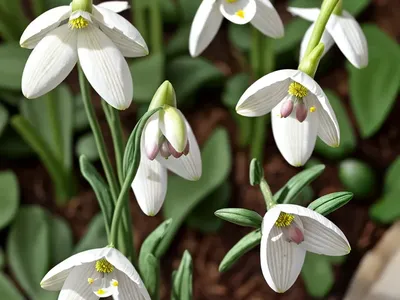
Zephyranthes Candida (Rain Lily)
Plants are an essential part of our ecosystem, providing not only beauty but also contributing to the balance of nature. Among the vast array of plant.
Introduction
Plants are an essential part of our ecosystem, providing not only beauty but also contributing to the balance of nature. Among the vast array of plant species, Zephyranthes candida, commonly known as Rain Lily, stands out for its delicate, trumpet-shaped flowers and ease of care.
In this comprehensive guide, we will delve into the various aspects of Zephyranthes candida, from its cultural requirements and uses to its propagation and common diseases. Whether you are a seasoned gardener or a novice plant enthusiast, this article will provide valuable insights into cultivating and caring for this beautiful plant.
What is Zephyranthes Candida?
Zephyranthes candida is a species of flowering bulbous plant in the Amaryllidaceae family. Native to Argentina, Uruguay, and Paraguay, this perennial plant is widely cultivated for its charming, lily-like flowers and grass-like foliage. The common name “Rain Lily” is derived from its tendency to bloom prolifically after a rain shower, adding a splash of color to gardens and landscapes.
Key Takeaways – Zephyranthes candida (Rain Lily)
To gain a comprehensive understanding of Zephyranthes candida, it is crucial to explore its various facets, including its culture, uses, water and sunlight requirements, fertilization, soil preferences, pruning techniques, propagation methods, container gardening, popularity, common diseases, pest management, and fascinating fun facts. We will cover each of these aspects in detail throughout this guide.
Culture
Uses
Zephyranthes candida is primarily grown for ornamental purposes, adding aesthetic appeal to gardens, landscapes, and indoor spaces. Due to its petite size and graceful blooms, it is often featured in flower beds, rock gardens, border plantings, and container arrangements. Additionally, Rain Lilies are also suitable for naturalizing in grassy areas, where they create captivating floral displays.
Water
As a semi-tropical plant, Zephyranthes candida thrives in moderately moist conditions. While it requires consistent watering during its active growth phase, it is important to allow the soil to dry between waterings to prevent waterlogged conditions that can lead to root rot. During periods of extended drought, supplemental watering is essential to sustain healthy growth and flowering.
Sunlight
Rain Lilies favor bright, indirect sunlight or partial shade. They are well-suited for locations with dappled sunlight or filtered light, making them versatile for various garden settings. While adequate light is vital for flower production, it is important to shield the plants from intense midday sun to prevent sunscald and heat stress.
Fertilizer
To promote vigorous growth and abundant flowering, Zephyranthes candida benefits from regular applications of a balanced fertilizer during the growing season. A water-soluble fertilizer with a balanced N-P-K ratio, applied at half-strength every 2-4 weeks, can provide the essential nutrients for robust, healthy plants.
Soil
Well-draining, fertile soils are ideal for cultivating Zephyranthes candida. A lightweight, porous potting mix with good aeration is recommended for container-grown plants, while garden beds can be amended with organic matter to improve soil structure and fertility. A slightly acidic to neutral pH range of 6.0-7.0 is suitable for optimal growth and nutrient uptake.
Pruning
Pruning is minimal for Zephyranthes candida, primarily focused on removing spent flower stalks to maintain a tidy appearance and encourage continuous blooming. Additionally, the removal of yellowing or damaged foliage can enhance the plant’s overall aesthetics and promote healthy growth.
Propagation
Zephyranthes candida can be propagated through various methods, including division, seed germination, and bulb offsets. Division of mature clumps is a popular technique, allowing the multiplication of plants while rejuvenating the parent clump. Bulb offsets, which are naturally produced by mature plants, can be carefully detached and replanted to establish new specimens. Additionally, seeds can be collected from mature seed capsules and sown in a well-draining seed-starting mix to produce new plants.
Container Gardening
The compact size and graceful beauty of Zephyranthes candida make it an excellent choice for container gardening. Whether grown in individual pots or combined with other complementary plants in mixed containers, Rain Lilies add a touch of elegance to patios, balconies, and indoor spaces. When selecting containers, ensure adequate drainage holes to prevent waterlogging, and use a well-draining potting mix to promote healthy root development.
Popularity
Zephyranthes candida has gained popularity among gardeners and landscapers due to its charming flowers, adaptability to diverse growing conditions, and minimal maintenance requirements. Its reliability in flowering and its ability to naturalize in suitable habitats further contribute to its appeal as a beloved ornamental plant.
Common Diseases
While Zephyranthes candida is relatively resistant to pests and diseases, it can occasionally be affected by fungal infections, particularly under conditions of excessive moisture or poor air circulation. Common diseases that may affect Rain Lilies include:
-
Gray Mold (Botrytis cinerea): Gray mold can develop on decaying plant tissues in humid environments, leading to soft, water-soaked lesions on leaves and flowers. Proper ventilation and adequate spacing between plants can help reduce the risk of this disease.
-
Basal Rot (Fusarium spp.): Basal rot, caused by various Fusarium species, can manifest as dark, sunken lesions at the base of the plant, eventually causing the collapse of the foliage. Maintaining well-drained soil and avoiding overwatering can prevent the onset of this disease.
-
Leaf Spot (Cercospora zephyranthi): Leaf spot presents as small, circular lesions with dark borders on the foliage, potentially leading to defoliation in severe cases. Removing and destroying infected plant parts and adopting proper watering practices can mitigate the impact of this disease.
Disease Diagnosis
Diagnosing diseases in Zephyranthes candida involves close observation of the symptoms presented, such as leaf discoloration, wilting, or lesions. Additionally, examining the cultural practices, environmental conditions, and recent changes in the plant’s surroundings can provide valuable insights into the underlying causes of the disease. If necessary, seeking guidance from local extension services or plant pathology experts can aid in accurate diagnosis and effective management strategies.
Common Pests
Zephyranthes candida is generally resistant to pest infestations, but it can occasionally be targeted by common garden pests such as:
-
Aphids: These small, sap-sucking insects may feed on the tender plant tissues, causing distortion and yellowing of the leaves. Insecticidal soaps or horticultural oils can effectively control aphid populations while minimizing harm to beneficial organisms.
-
Snails and Slugs: These mollusks can feed on the foliage and flowers of Zephyranthes candida, causing unsightly damage. Traps, barriers, and organic molluscicides are practical measures for managing snails and slugs in the garden.
-
Spider Mites: These tiny arachnids can infest Rain Lilies, causing stippling on the foliage and webbing in severe cases. Regular monitoring and the application of water sprays can help deter spider mite infestations.
Botanist’s Tips
- When planting Rain Lilies, provide ample space between bulbs or plants to allow for proper air circulation, reducing the risk of fungal diseases.
- Consider growing Zephyranthes candida in containers or raised beds with well-draining soil to minimize the likelihood of waterlogged conditions.
- To support the growth and flowering of Rain Lilies, incorporate a layer of organic mulch around the plants to retain soil moisture and suppress weed competition.
Fun Facts
- Zephyranthes candida belongs to the Amaryllidaceae family, which also includes popular ornamental plants such as Amaryllis and Narcissus.
- Rain Lilies are known for their charming habit of blooming en masse after rain showers, creating a captivating spectacle in gardens and natural settings.
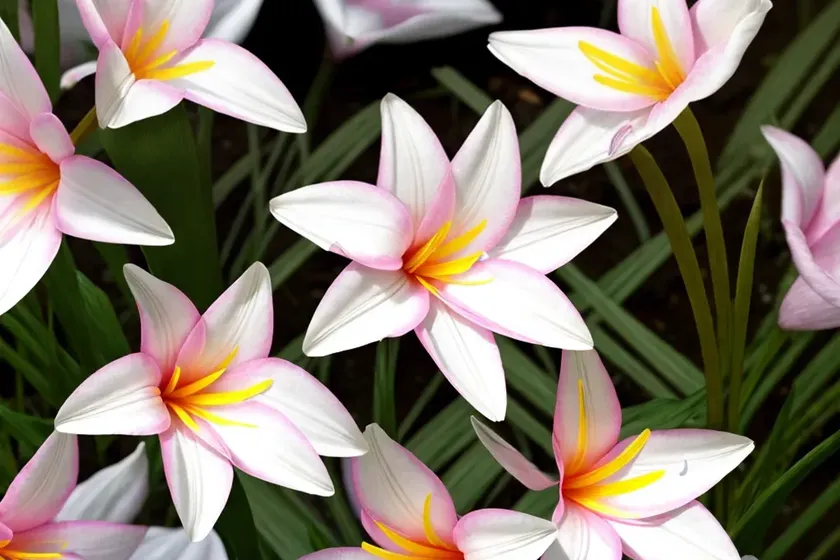
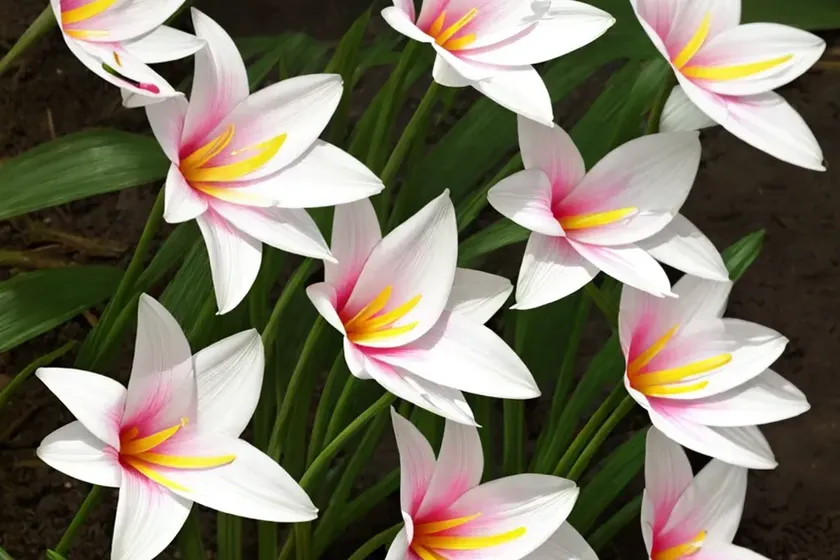
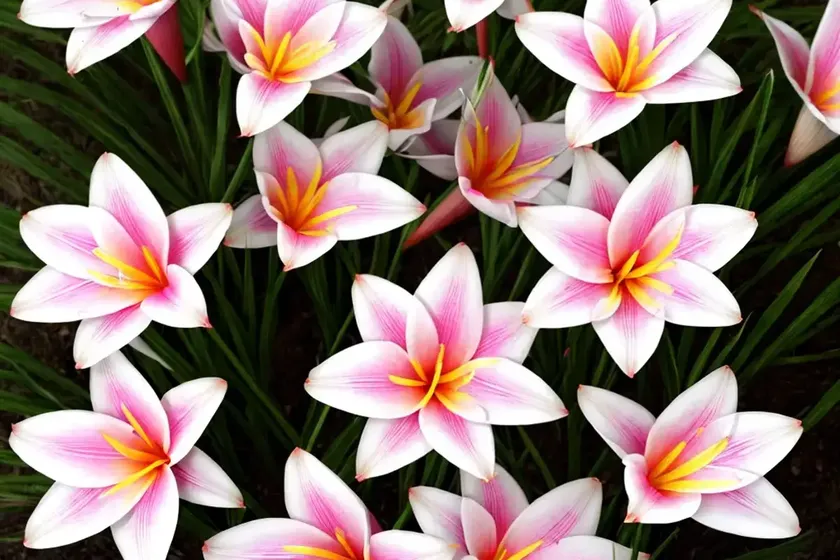
- The trumpet-shaped flowers of Zephyranthes candida exhibit a range of colors, including white, pink, and yellow, adding diversity to the species.
Links to External Resources
For further information about Zephyranthes candida and related topics, consider exploring the following external resources:
- Royal Horticultural Society (RHS) Guide to Zephyranthes
- University of Florida Extension – Rain Lily Production Guide
- Missouri Botanical Garden – Plant Finder: Zephyranthes candida
- American Society for the Prevention of Cruelty to Plants (ASPCP) – Rain Lily Care Tips
- The Spruce – Growing Rain Lilies and Other Hardy Amaryllis Bulbs
In conclusion, Zephyranthes candida, or Rain Lily, is a captivating plant that rewards growers with its enchanting flowers and minimal care requirements. By understanding its cultural needs, propagation methods, and disease management strategies, enthusiasts can cultivate thriving displays of these delightful blooms in their gardens and landscapes. Whether as a standalone feature or as part of mixed plantings, Zephyranthes candida contributes to the beauty and vibrancy of diverse horticultural settings.
Remember, by exploring the links provided and engaging in further research, you can uncover a wealth of knowledge to deepen your understanding and appreciation of Zephyranthes candida and the fascinating world of plants.
NLP keywords: Rain Lily plant, Zephyranthes candida, Rain Lily care, Zephyranthes candida flowers, Rain Lily bulb, Zephyranthes candida propagation, Rain Lily plant care tips, Zephyranthes candida planting, Rain Lily growth, Zephyranthes candida blooming, Rain Lily varieties, Zephyranthes candida characteristics, Rain Lily planting guide, Zephyranthes candida maintenance, Rain Lily gardening, Zephyranthes candida cultivation, Rain Lily watering requirements, Zephyranthes candida disease control, Rain Lily outdoor planting, Zephyranthes candida indoor care, Rain Lily landscape, Zephyranthes candida blooming season, Rain Lily container gardening, Zephyranthes candida soil conditions, Rain Lily sunlight needs, Zephyranthes candida insect pests, Rain Lily garden design, Zephyranthes candida fertilization, Rain Lily seasonal care, Zephyranthes candida natural habitat, Rain Lily hardiness zone, Zephyranthes candida flowering period, Rain Lily companion plants, Zephyranthes candida aesthetic value, Rain Lily bulb storage, Zephyranthes candida landscaping ideas, Rain Lily soil preparation, Zephyranthes candida plant size, Rain Lily common problems, Zephyranthes candida native habitat, Rain Lily decorative uses, Zephyranthes candida perennial plant, Rain Lily gardening tips, Zephyranthes candida soil pH, Rain Lily cold tolerance, Zephyranthes candida water requirements, Rain Lily plant arrangement, Zephyranthes candida ornamental value, Rain Lily propagation methods, Zephyranthes candida plant family