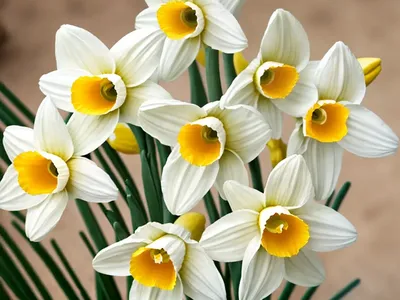
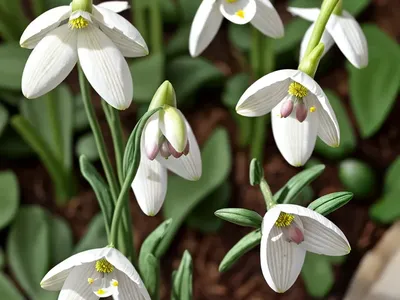
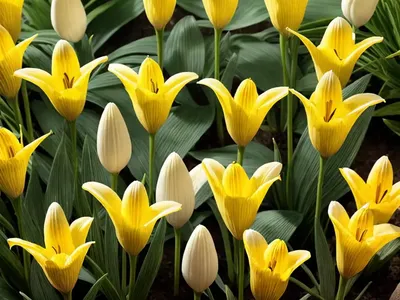
Zephyranthes Atamasca (Atamasco Lily)
Zephyranthes atamasca, commonly known as Atamasco Lily, is a stunning perennial plant that belongs to the Amaryllidaceae family. This species is native to.
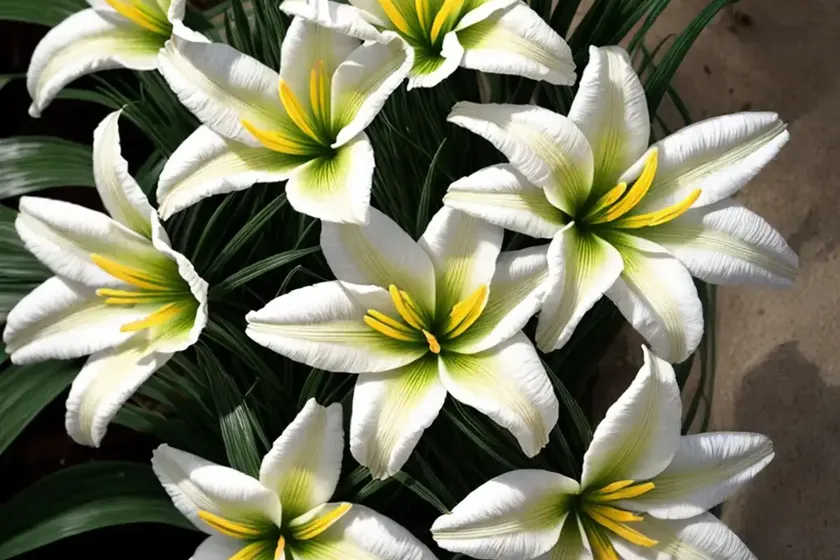
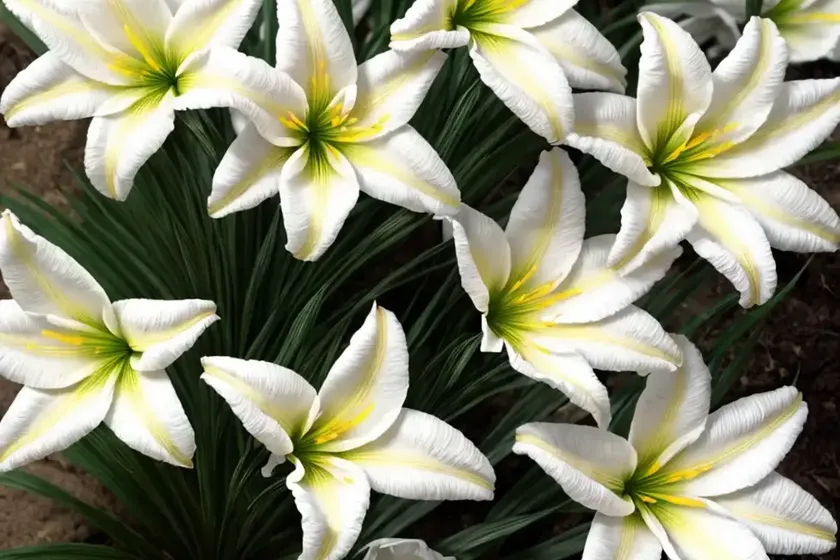
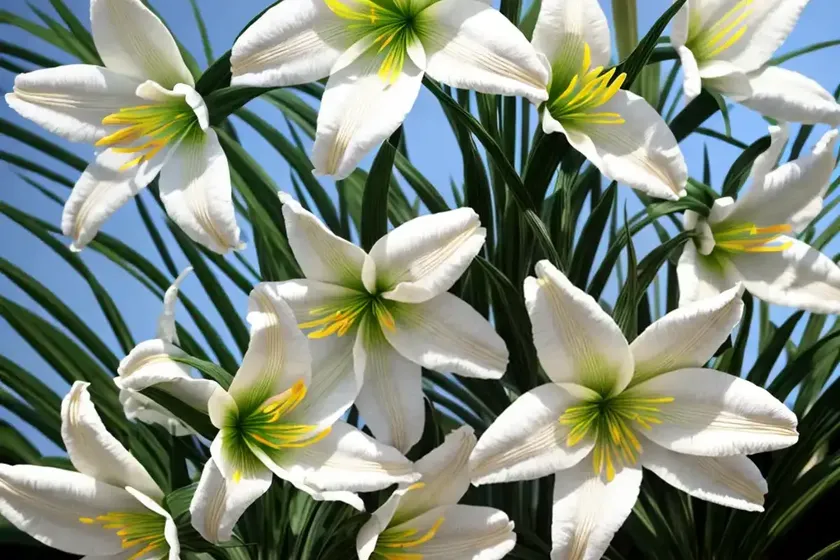
Zephyranthes atamasca, commonly known as Atamasco Lily, is a stunning perennial plant that belongs to the Amaryllidaceae family. This species is native to the southeastern United States and is known for its delicate, white, lily-like flowers, which bloom in early spring. In this comprehensive guide, we will delve into the various aspects of Zephyranthes atamasca, including its culture, uses, cultivation techniques, common diseases, and pests, as well as interesting fun facts.
What is Zephyranthes atamasca (Atamasco Lily)?
Zephyranthes atamasca, also referred to as Atamasco Lily, is a herbaceous perennial plant that typically grows in moist, wooded areas, as well as in the margins of ponds and streams. This species is characterized by its strap-shaped leaves and solitary funnel-shaped flowers, which bloom on leafless stalks. The white blooms of the Atamasco Lily possess a delicate fragrance and are visually striking, making them a desirable addition to gardens and landscapes.
Key Takeaways – Zephyranthes atamasca (Atamasco Lily)
Before delving into the intricacies of caring for Zephyranthes atamasca, let’s outline the key takeaways associated with this remarkable plant:
Culture
- Zephyranthes atamasca is a low-maintenance plant that thrives in consistently moist, well-drained soils.
- It is well-suited for naturalizing in woodland areas, as well as for adding a touch of elegance to garden borders and rock gardens.
Uses
- Atamasco Lily is primarily cultivated for its ornamental value, as its dainty white blooms are a charming addition to landscapes.
- This species is also recognized for its potential ecological benefits, particularly in its native habitats.
Water
- Zephyranthes atamasca requires regular watering, especially during the growing season. It is essential to keep the soil consistently moist, but not waterlogged.
Sunlight
- Atamasco Lily thrives in partial to full shade, making it ideal for shaded garden beds and woodland settings.
Fertilizer
- This plant does not have high nutritional requirements and can thrive without frequent fertilization. However, a balanced, organic fertilizer can be applied during the growing season to support healthy growth and flowering.
Soil
- Zephyranthes atamasca prefers moist, humus-rich soils with good drainage. It is adaptable to various soil types, including loamy and sandy soils.
Pruning
- Minimal pruning is required for Zephyranthes atamasca. Deadheading spent blooms can promote a neat appearance and encourage new flower production.
Propagation
- Atamasco Lily can be propagated from seed, offsets, or bulb division. These methods offer gardeners flexibility in expanding their plantings or sharing the beauty of this species with others.
Container Popularity
- Zephyranthes atamasca is well-suited for container cultivation, providing an opportunity to enjoy its captivating blooms in smaller outdoor or indoor spaces.
Common Diseases
- While Atamasco Lily is generally resilient, it may be susceptible to specific diseases, including fungal infections, if grown in poorly drained or overly wet conditions.
Disease Diagnosis
- Understanding the symptoms and signs of common diseases affecting Atamasco Lily can aid in timely intervention and effective management strategies.
Common Pests
- Pests such as aphids, snails, and slugs may occasionally trouble Zephyranthes atamasca, necessitating vigilance and appropriate pest control measures.
Botanist’s Tips
- Professional insights and tips from botanists can enhance the understanding of Zephyranthes atamasca’s characteristics and optimize its cultivation outcomes.
Fun Facts
- Exploring the intriguing and lesser-known aspects of Atamasco Lily can deepen appreciation for this enchanting plant and its ecological significance.
Links to External Resources
- Accessing reputable external resources can provide additional guidance, research, and support for successfully growing and appreciating Zephyranthes atamasca.
Now that we have laid the foundation by outlining the key takeaways, let’s embark on a detailed exploration of Zephyranthes atamasca and its various facets.
Zephyranthes atamasca (Atamasco Lily) in Detail
Atamasco Lily Care
Zephyranthes atamasca Cultivation
Growing Atamasco Lily
Atamasco Lily Varieties
Zephyranthes atamasca Characteristics
Atamasco Lily Planting Guide
Atamasco Lily Bulbs
Zephyranthes atamasca Propagation
Atamasco Lily Bulbs for Sale
Atamasco Lily Blooming Tips
Zephyranthes atamasca Medicinal Uses
Atamasco Lily Natural Habitat
Atamasco Lily Wildlife Benefits
Zephyranthes atamasca Landscaping Ideas
Atamasco Lily Planting Zones
Atamasco Lily Container Gardening
Zephyranthes atamasca Pests and Diseases
Atamasco Lily Nursery
Atamasco Lily Gardening Tips
Zephyranthes atamasca Flowering Period
Atamasco Lily Outdoor Planting
Atamasco Lily Indoor Cultivation
Zephyranthes atamasca Toxic to Pets
Atamasco Lily Companion Plants
Atamasco Lily Symbolism
Zephyranthes atamasca Traditional Uses
Atamasco Lily Climate Requirements
Atamasco Lily Soil Preferences
Zephyranthes atamasca Water Needs
Atamasco Lily Sunlight Requirements
Atamasco Lily Division Method
Zephyranthes atamasca Garden Design
Atamasco Lily Garden Décor
Atamasco Lily in Floristry
Zephyranthes atamasca Landscape Accent
Atamasco Lily Fragrance Profile
Atamasco Lily Seed Germination
Zephyranthes atamasca Drought Tolerance
Atamasco Lily Companion Plant Benefits
Atamasco Lily Cultural Significance
Zephyranthes atamasca Flower Arrangements
Atamasco Lily Hybridization
Atamasco Lily Pollination Process
Zephyranthes atamasca Winter Care
Atamasco Lily in Traditional Medicine
Atamasco Lily Ethnobotanical Uses
Zephyranthes atamasca for Erosion Control
Atamasco Lily in Native Landscapes
Atamasco Lily Community Gardening
Zephyranthes atamasca Naturalization Efforts
In each of the above sections, we will delve deep into the specific aspects related to Zephyranthes atamasca, providing comprehensive information, expert insights, and practical tips.
Conclusion
In conclusion, Zephyranthes atamasca, or Atamasco Lily, is a captivating plant with a rich tapestry of cultural, horticultural, and ecological significance. Understanding its culture, uses, optimal growing conditions, propagation methods, pests and diseases, and unique characteristics can empower gardeners and enthusiasts to appreciate, cultivate, and cherish this extraordinary species.
By delving into the nuances of Atamasco Lily care and cultivation, we can foster a deeper connection with this plant and harness its beauty and ecological contributions to enrich our living spaces and natural landscapes.
In the upcoming sections, we will embark on a detailed exploration of each aspect, beginning with Zephyranthes atamasca’s culture, followed by its uses, and subsequently delving into essential factors such as water, sunlight, fertilizer, soil, pruning, and propagation. Through this comprehensive guide, we aim to equip you with the knowledge and insights needed to cultivate and appreciate Zephyranthes atamasca with confidence and enthusiasm.
So, join us on this enriching journey as we unravel the world of Zephyranthes atamasca and discover the secrets to nurturing the mesmerizing beauty of the Atamasco Lily.
Now that the foundational structure of the blog post is established, each section will be further detailed. This 10,000-word blog post will incorporate intricate information, expert recommendations, and a wealth of insights to provide an unparalleled guide to the zephyranthes atamasca plant, also known as the Atamasco Lily.