Zantedeschia ‘Picasso’ (Calla Lily) – A Comprehensive Guide
Zantedeschia ‘Picasso’, commonly known as Calla Lily, is a striking plant that is popular for its elegant and vibrant blooms. This comprehensive guide will delve into the various aspects of this gorgeous plant, including its culture, uses, care requirements, common diseases, and much more. Whether you’re a seasoned gardener or just starting your journey with plants, this guide will equip you with valuable insights into nurturing and enjoying the beauty of Zantedeschia ‘Picasso’.
What is Zantedeschia ‘Picasso’ (Calla Lily)?
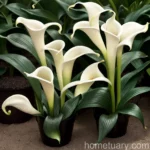
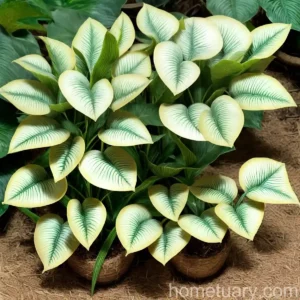
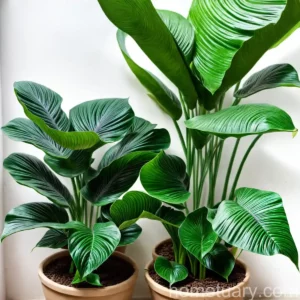
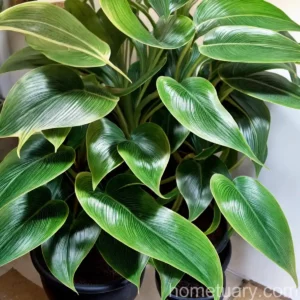
Zantedeschia ‘Picasso’ is a cultivar of the Zantedeschia genus, known for its distinctive trumpet-shaped flowers and attractive foliage. The plant is prized for its ornamental value and is widely cultivated for both indoor and outdoor decoration. Its striking blooms and lush green leaves make it a popular choice for gardens, landscapes, and floral arrangements.
The elegant and vibrant appearance of Zantedeschia ‘Picasso’ has made it a sought-after plant among horticulturists, florists, and gardening enthusiasts. The unique color patterns of its flowers and its versatility in various growing conditions contribute to its widespread appeal.
Key Takeaways – Zantedeschia ‘Picasso’ (Calla Lily)
Zantedeschia ‘Picasso’ is a captivating plant that offers a wealth of aesthetic and practical benefits. Understanding its key characteristics and care requirements is essential for successfully nurturing and enjoying this stunning specimen. Below are the key takeaways that will be explored in detail throughout this guide:
- Culture
- Uses
- Water
- Sunlight
- Fertilizer
- Soil
- Pruning
- Propagation
- Container
- Popularity
- Common Diseases
- Disease Diagnosis
- Common Pests
- Botanist’s Tips
- Fun Facts
- Links to External Resources
Now, let’s dive deeper into each of these aspects to gain a comprehensive understanding of Zantedeschia ‘Picasso’ and how to cultivate and care for this remarkable plant.
Culture
Zantedeschia ‘Picasso’ is known for its graceful presence and captivating blooms, and it thrives in a well-managed environment. Understanding the plant’s cultural requirements is paramount to ensuring its overall health and vitality. By paying close attention to these cultural aspects, gardeners can create an optimal setting for Zantedeschia ‘Picasso’ to flourish.
Environment
Zantedeschia ‘Picasso’ thrives in environments with mild temperatures and ample sunlight. When grown outdoors, it is best suited to regions with a temperate climate, where it can bask in the sun without experiencing extreme heat. As an indoor plant, it requires sufficient natural light to support its growth and flowering.
Planting
When planting Zantedeschia ‘Picasso’, it is essential to choose a location with well-draining soil and adequate sunlight exposure. Ensuring proper drainage helps prevent waterlogging, which can be detrimental to the plant’s root system. The depth of planting the bulbs should be approximately 4-6 inches, allowing for healthy root development and stability.
Watering
Providing consistent moisture is crucial for the well-being of Zantedeschia ‘Picasso’. While the plant thrives in moist conditions, it is essential to avoid overwatering, as excessive moisture can lead to root rot and other issues. Regular monitoring of the soil’s moisture level and adjusting the watering frequency accordingly is key to maintaining optimal hydration for the plant.
Mulching
Applying a layer of organic mulch around the base of Zantedeschia ‘Picasso’ can help regulate soil moisture and temperature, minimize weed growth, and enhance the overall aesthetic appeal of the planting area. Mulching is particularly beneficial in areas with fluctuating weather conditions, as it provides a protective buffer for the plant’s root zone.
Winter Care
In regions where winters are cold and frost occurs, providing adequate protection for Zantedeschia ‘Picasso’ is essential. Mulching the soil around the plant can help insulate the roots and protect them from freezing temperatures. Additionally, in colder climates, container-grown Zantedeschia ‘Picasso’ should be brought indoors or provided with suitable shelter during the winter months.
Uses
Zantedeschia ‘Picasso’ is prized for its versatility and is used in various settings for both aesthetic and functional purposes. Its appealing blooms and lush foliage make it an excellent choice for an array of applications, ranging from home decor to landscaping and beyond.
Ornamental Purposes
The stunning blooms of Zantedeschia ‘Picasso’ make it a popular choice for ornamental purposes, whether it’s adorning a garden, brightening up a floral arrangement, or serving as a focal point in indoor spaces. The plant’s visual appeal and graceful presence make it a standout feature in any setting.
Landscaping
In landscape design, Zantedeschia ‘Picasso’ adds a touch of elegance and color to gardens, borders, and water features. Its vibrant flowers and lush foliage can be strategically incorporated into various landscaping schemes to create visually striking displays and enhance the overall aesthetic of outdoor spaces.
Floral Arrangements
Due to its alluring blooms and long vase life, Zantedeschia ‘Picasso’ is a favorite choice for florists and flower enthusiasts. The striking flowers add a touch of sophistication and vibrancy to floral arrangements, bouquets, and centerpieces, making them a sought-after component in the world of floristry.
Indoor Decor
As an indoor plant, Zantedeschia ‘Picasso’ brings a sense of elegance and charm to interior spaces. The plant’s vibrant blooms and rich green foliage make it an eye-catching addition to home decor, whether displayed on its own or incorporated into floral designs and decorative arrangements.
Water
Proper watering is a critical aspect of caring for Zantedeschia ‘Picasso’. By understanding the plant’s water requirements and implementing appropriate watering practices, gardeners can ensure the plant’s health and vitality while promoting robust growth and abundant flowering.
Watering Frequency
Zantedeschia ‘Picasso’ benefits from regular watering to maintain consistent soil moisture. During the active growing season, it is essential to monitor the soil’s moisture level and water the plant when the top inch of the soil begins to dry out. However, it is crucial to avoid waterlogging the soil, as excessive moisture can lead to root rot and other problems.
Soil Moisture
Maintaining adequate soil moisture is vital for the overall well-being of Zantedeschia ‘Picasso’. The plant thrives in moist but well-draining soil, which allows for proper root aeration and prevents waterlogged conditions. By consistently checking the soil moisture and adjusting the watering frequency based on environmental factors, gardeners can ensure the plant’s hydration needs are met.
Watering Methods
When watering Zantedeschia ‘Picasso’, it is advisable to apply water directly to the soil around the plant’s base, avoiding wetting the foliage and flowers. This targeted approach helps deliver moisture to the plant’s root zone while minimizing the risk of fungal diseases and other issues associated with excess moisture on the foliage.
Winter Watering
During the winter months, it is important to adjust the watering frequency for Zantedeschia ‘Picasso’. As the plant enters a period of reduced growth, the watering needs decrease accordingly. However, it is essential to prevent the soil from drying out completely, especially for outdoor plantings, as adequate moisture helps protect the bulbs from winter cold and frost.
Sunlight
Sunlight plays a crucial role in the growth and flowering of Zantedeschia ‘Picasso’. Understanding the plant’s sunlight requirements and providing appropriate exposure is essential for ensuring its overall health and vigor.
Light Conditions
Zantedeschia ‘Picasso’ thrives in partial to full sunlight, depending on the climate and environmental conditions. When grown outdoors, it is best suited to locations where it can receive several hours of direct sunlight, particularly during the morning and early afternoon. As an indoor plant, it benefits from ample natural light and may require supplemental lighting in low-light settings.
Sun Exposure
Providing the right balance of sunlight exposure is key to the plant’s optimal growth and flowering. In regions with hot summers, providing partial shade during the hottest part of the day can help protect Zantedeschia ‘Picasso’ from excessive heat stress. Conversely, in cooler climates, ensuring sufficient sunlight exposure is crucial for promoting robust growth and abundant blooms.
Indoor Lighting
When grown indoors, Zantedeschia ‘Picasso’ should be placed in a well-lit area where it can receive several hours of indirect sunlight or artificial light. Supplemental lighting, such as grow lights, can be used to ensure the plant receives adequate light intensity, especially in spaces with limited natural light. Proper indoor lighting is essential for maintaining the plant’s health and promoting flowering.
Sunlight Considerations
It is important to observe how Zantedeschia ‘Picasso’ responds to sunlight exposure and make adjustments as needed. Monitoring the plant for signs of sunburn, leaf discoloration, or insufficient flowering can help determine whether the current light conditions are suitable or require modification. By providing the right balance of sunlight, gardeners can support the plant’s development and ensure its overall vigor.
Fertilizer
Fertilizing Zantedeschia ‘Picasso’ is an integral part of its care regimen, providing essential nutrients to support robust growth and prolific blooming. Understanding the plant’s fertilizer requirements and applying suitable formulations at the right times can significantly enhance its overall health and vitality.
Fertilizer Types
When selecting a fertilizer for Zantedeschia ‘Picasso’, it is recommended to use a balanced, water-soluble fertilizer with a formulation designed for flowering plants. A fertilizer with a balanced NPK ratio, along with essential micronutrients, can provide the necessary elements to support the plant’s growth, flowering, and overall nutritional needs.
Application Timing
Fertilizer should be applied to Zantedeschia ‘Picasso’ during the active growing season, typically from spring to early fall. Applying fertilizer at the start of the growing season can help provide the plant with the necessary nutrients to support vigorous growth and abundant flowering. However, it is important to avoid over-fertilization, as excessive nutrients can lead to adverse effects on the plant.
Frequency
Applying fertilizer to Zantedeschia ‘Picasso’ every 4-6 weeks during the growing season is generally sufficient to meet the plant’s nutritional requirements. It is advisable to follow the manufacturer’s instructions regarding the application rate and frequency to prevent over-fertilization and minimize the risk of nutrient imbalances.
Method
When applying fertilizer to Zantedeschia ‘Picasso’, it is essential to dilute the fertilizer according to the manufacturer’s recommendations and apply it to the soil around the plant’s base. This targeted approach helps deliver the essential nutrients directly to the root zone, where the plant can readily absorb them for optimal growth and flowering.
Soil
The soil composition and quality play a crucial role in supporting the growth and health of Zantedeschia ‘Picasso’. By understanding the plant’s soil preferences and optimizing the soil environment, gardeners can create an ideal foundation for the plant to thrive.
Soil Type
Zantedeschia ‘Picasso’ flourishes in well-draining, moisture-retentive soil with a slightly acidic to neutral pH. A loamy or sandy soil with good aeration and water retention properties is well-suited for the plant’s growth and development. Amending the soil with organic matter, such as compost or well-rotted manure, can further improve its structure and nutrient content.
Drainage
Ensuring proper drainage is essential for preventing waterlogged conditions, which can be detrimental to the roots of Zantedeschia ‘Picasso’. Incorporating organic matter into the soil can enhance its drainage capability, allowing excess moisture to percolate through the soil while retaining sufficient moisture for the plant’s needs.
pH Level
Maintaining a slightly acidic to neutral pH level in the soil is beneficial for Zantedeschia ‘Picasso’. A pH range of 6.0-7.0 is considered ideal for the plant’s growth and flowering. Regularly testing the soil pH and making adjustments as needed can help create an optimal growing environment for the plant.
Soil Preparation
Before planting Zantedeschia ‘Picasso’, it is essential to prepare the soil by loosening it to a depth of 8-10 inches and incorporating organic matter to enhance its quality. This preparatory step helps create an inviting environment for the plant’s roots to establish and access the necessary nutrients and moisture for healthy growth.
Container Growing
When cultivating Zantedeschia ‘Picasso’ in containers, choosing a well-draining potting mix designed for flowering plants is crucial. The potting mix should provide adequate aeration and moisture retention while allowing excess water to drain freely. Additionally, using containers with drainage holes prevents water from accumulating at the bottom and causing root problems.
Pruning
Pruning plays a role in maintaining the health, appearance, and flowering of Zantedeschia ‘Picasso’. By understanding the purpose and techniques of pruning, gardeners can effectively manage the plant’s growth and promote a tidy, vibrant display of blooms.
Removal of Faded Blooms
Removing faded flowers from Zantedeschia ‘Picasso’, also known as deadheading, encourages the plant to redirect its energy into producing new blooms rather than seed formation. Deadheading also helps maintain a neat and attractive appearance in the garden or indoor setting.
Leaf Management
Trimming yellowed or damaged leaves from Zantedeschia ‘Picasso’ can help improve air circulation around the plant and reduce the risk of fungal diseases. Proper leaf management also enhances the overall aesthetic appeal of the plant by maintaining a healthy and vibrant foliage display.
Pruning Timing
Pruning activities for Zantedeschia ‘Picasso’ can be carried out as needed throughout the growing season. Regularly inspecting the plant for spent blooms, damaged foliage, or overgrown stems provides opportunities to perform targeted pruning and maintain the plant’s health and appearance.
Pruning Techniques
When pruning Zantedeschia ‘Picasso’, it is important to use clean, sharp gardening tools to make precise cuts without causing unnecessary damage to the plant. Removing spent blooms and unwanted foliage with clean cuts promotes efficient healing and minimizes the risk of pest and disease infestations.
Division
Periodic division of Zantedeschia ‘Picasso’ clumps may be necessary to rejuvenate the plant and prevent overcrowding, which can lead to reduced flowering and vigor. Dividing the plant every few years allows for the creation of new, healthy clumps while revitalizing the existing ones.
Propagation
Propagating Zantedeschia ‘Picasso’ offers the opportunity to expand plantings, share the beauty of the plant with others, and rejuvenate existing clumps. By exploring the various propagation techniques suitable for Zantedeschia ‘Picasso’, gardeners can multiply their plant stock and enjoy the rewards of successful propagation.
Division
Dividing mature clumps of Zantedeschia ‘Picasso’ is a common and effective method of propagation. This technique involves carefully separating the rhizomes and dividing them into smaller sections, each with visible buds or growth points. The divided sections can then be planted to establish new clumps.
Offsets
Zantedeschia ‘Picasso’ produces offsets, also known as daughter plants, alongside the main rhizome. These offsets can be carefully detached from the parent plant, ensuring they have sufficient root development, and then planted to establish new individual plants. Offsets serve as natural propagation sources for expanding Zantedeschia ‘Picasso’ plantings.
Seed Propagation
While less commonly used for Zantedeschia ‘Picasso’, seed propagation is an option for obtaining new plants. Collecting mature seeds from the plant’s seed pods and sowing them in a suitable growing medium can yield new seedlings. However, it is important to note that seed-grown plants may not always retain the exact characteristics of the parent plant.
Propagation Timing
The ideal time for propagating Zantedeschia ‘Picasso’ through division or offsets is during the plant’s dormant period or early in the growing season. This timing allows the new divisions or offsets to establish themselves and develop a robust root system before facing challenging environmental conditions.
Rooting Medium
When propagating Zantedeschia ‘Picasso’ from offsets or divisions, using a well-draining rooting medium, such as a mix of peat moss and perlite, can provide an optimal environment for root development. Ensuring adequate moisture and warmth during the rooting process promotes successful establishment of the new plants.
Container
Cultivating Zantedeschia ‘Picasso’ in containers offers flexibility and versatility, allowing the plant to adorn various indoor and outdoor spaces with its stunning blooms and lush foliage. Understanding the considerations and best practices for container growing is essential for fostering healthy and thriving plants.
Container Selection
When choosing containers for Zantedeschia ‘Picasso’, it is important to select options that provide adequate room for root development and are equipped with drainage holes to prevent waterlogging. Containers crafted from durable materials, such as terracotta, plastic, or fiberglass, can offer a suitable environment for the plant’s growth.
Potting Mix
Using a high-quality potting mix specifically formulated for flowering plants is recommended for cultivating Zantedeschia ‘Picasso’ in containers. The potting mix should provide good aeration, moisture retention, and nutrient availability to support the plant’s needs within the confined space of the container.
Watering
Container-grown Zantedeschia ‘Picasso’ may require more frequent watering compared to plants grown in the ground, as the soil in containers tends to dry out more quickly. Monitoring the soil moisture and providing regular, consistent watering helps sustain the plant’s hydration and overall well-being.
Sunlight Exposure
Placing containers of Zantedeschia ‘Picasso’ in locations with sufficient sunlight exposure is crucial for promoting healthy growth and abundant flowering. Positioning the containers where the plant can receive several hours of direct or indirect sunlight supports its photosynthetic activities and flowering capacity.
Indoor Cultivation
When growing Zantedeschia ‘Picasso’ indoors, selecting well-lit areas with indirect sunlight and suitable ambient temperatures is important for supporting the plant’s growth. Indoor cultivation allows for year-round enjoyment of the plant’s elegance and can enhance the decor of living spaces.
Popularity
Zantedeschia ‘Picasso’ has gained popularity among gardening enthusiasts, florists, and landscape designers due to its captivating beauty and versatile uses. Its vibrant blooms, lush foliage, and adaptability contribute to its widespread appeal and continued demand in various horticultural and decorative contexts.
Gardeners’ Choice
Among passionate gardeners, Zantedeschia ‘Picasso’ is often favored for its striking flowers and distinctive foliage, adding a touch of elegance and color to garden beds, borders, and container displays. Its ability to thrive in diverse climates and soil conditions makes it a sought-after choice for enhancing outdoor landscapes and garden settings.
Floristry Favorite
In the world of floristry, Zantedeschia ‘Picasso’ holds an esteemed position as a valued floral component, embellishing bouquets, arrangements, and event decorations. Its lasting blooms, captivating color patterns, and graceful appearance make it a popular selection for various occasions and floral design applications.
Landscape Accent
Landscape designers appreciate the ornamental value of Zantedeschia ‘Picasso’ and integrate it into landscape compositions to introduce vibrant focal points, create harmonious color schemes, and add visual interest to outdoor settings. The plant’s adaptability and enduring appeal make it a versatile option for diverse landscape designs.
Houseplant Elegance
Indoors, Zantedesch