Viburnum Lentago (Nannyberry)
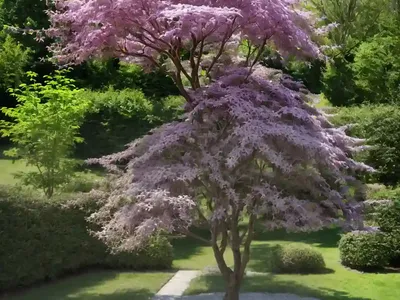
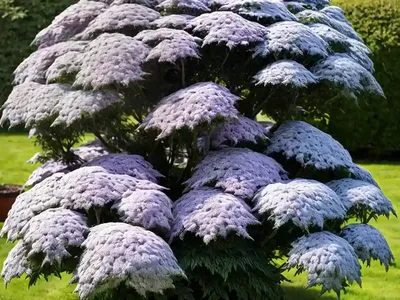
Viburnum lentago, commonly known as Nannyberry, is a deciduous shrub that belongs to the honeysuckle family, Caprifoliaceae. This native North American.
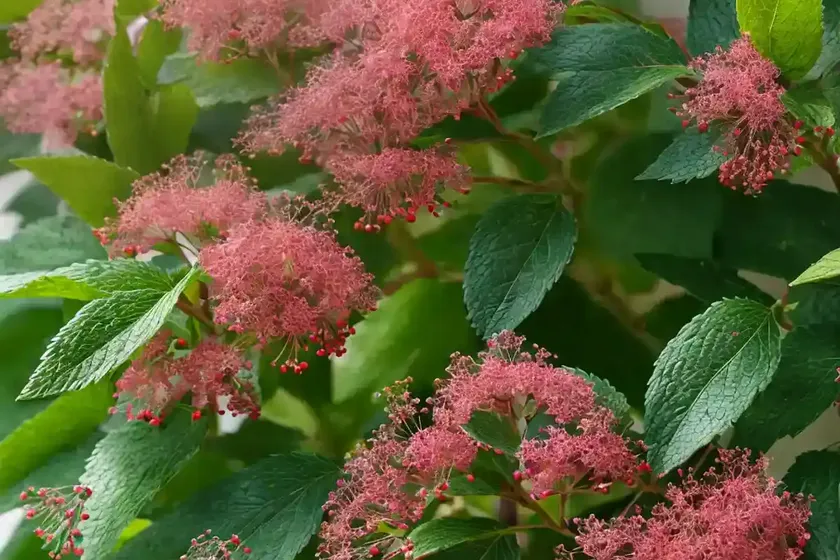
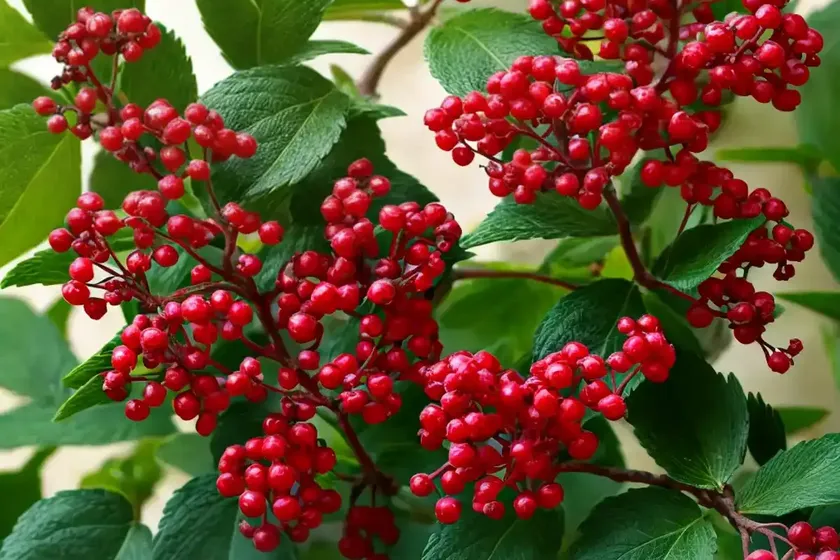
Viburnum lentago, commonly known as Nannyberry, is a deciduous shrub that belongs to the honeysuckle family, Caprifoliaceae. This native North American plant is well-known for its ornamental features, wildlife value, and a variety of uses ranging from landscaping to medicinal properties. In this comprehensive guide, we will delve into the characteristics, care tips, uses, and propagation techniques of Viburnum lentago, providing valuable insights for plant enthusiasts, landscapers, and gardeners.
Viburnum lentago Characteristics
Viburnum lentago, or Nannyberry, possesses several noteworthy characteristics that make it a popular choice among gardeners and plant enthusiasts:
- Height: This shrub typically grows to a height of 10-20 feet, with a spread of 6-12 feet, making it an ideal choice for hedging and naturalization.
- Foliage: The foliage of Nannyberry consists of simple, opposite leaves that are dark green in color and turn shades of red and purple in the fall, adding to its ornamental appeal.
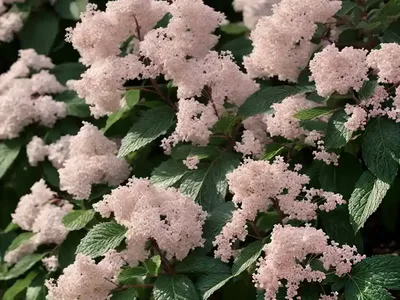
- Flowers: In late spring, creamy white, flat-topped clusters of flowers emerge, attracting pollinators such as bees and butterflies.
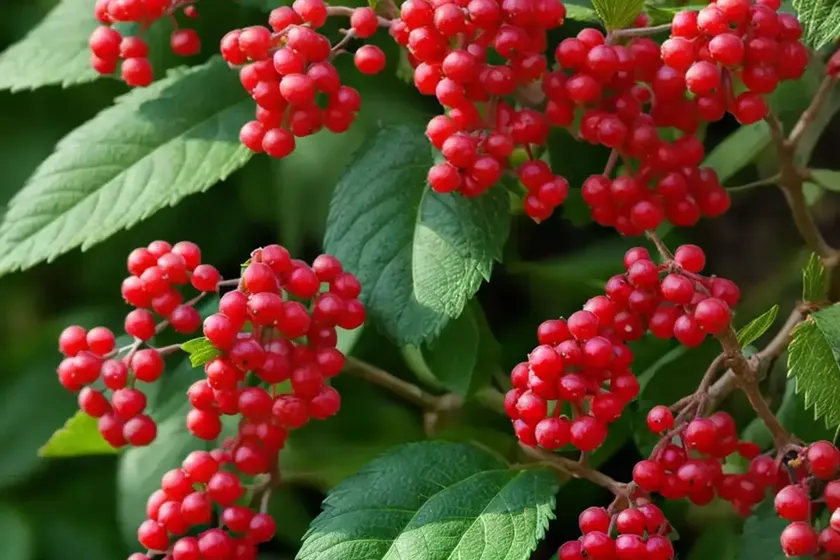
- Fruit: The plant produces small, oval, bluish-black berries in late summer. These berries are enjoyed by birds, making Nannyberry a valuable wildlife-friendly plant.
- Habitat: Viburnum lentago thrives in a wide range of habitats, including moist woods, stream banks, and woodland edges.
Nannyberry Plant Profile
Description
Viburnum lentago, or Nannyberry, is a versatile shrub with multiple stems and a rounded, spreading habit. Its appealing foliage, attractive flowers, and abundant berries make it a desirable addition to gardens and landscapes.
Facts
Nannyberry:
- Is native to North America
- Tolerates a variety of soil types
- Has medicinal properties
- Attracts wildlife
Care Tips
When cultivating Viburnum lentago, it is essential to consider the following care tips:
- Water: Provide the plant with regular moisture, especially during its establishment phase. Once established, it exhibits good drought tolerance.
- Sunlight: Nannyberry thrives in full sun to partial shade, making it adaptable to various light conditions.
- Soil: Well-drained, fertile soil is ideal for the growth of Viburnum lentago. It can tolerate a range of soil types, including clay and loam.
- Fertilizer: While Nannyberry can thrive without fertilization, an annual application of balanced fertilizer can promote healthier growth and enhanced flowering.
- Pruning: Prune the shrub in late winter to early spring to maintain its shape and remove any dead or damaged branches.
Uses
The uses of Viburnum lentago are diverse, encompassing both practical and ornamental aspects:
- Landscaping: Nannyberry is valued for its ornamental foliage, flowers, and berries, making it an excellent choice for hedges, screens, and naturalized areas.
- Wildlife Habitat: The berries of Nannyberry attract birds, contributing to the biodiversity of the landscape. It serves as a valuable food source for various bird species.
- Medicinal Properties: Traditionally, the bark and roots of Viburnum lentago have been used in herbal medicine for various purposes.
- Ornamental Value: The attractive flowers, foliage, and berries make Nannyberry a visually appealing addition to gardens and natural areas.
Propagation
Propagation of Viburnum lentago can be achieved through various methods, including:
- Seed Propagation: Collect ripe berries and extract the seeds for sowing in a suitable propagation medium.
- Cuttings: Semi-hardwood cuttings can be taken in late summer and rooted under controlled conditions to establish new plants.
The Significance of Nannyberry in Landscapes
Viburnum lentago, commonly known as Nannyberry, holds tremendous significance in landscaping and naturalized areas due to its diverse attributes and ecological benefits. It serves as a prime example of a native plant that offers ornamental value, wildlife support, and low-maintenance care requirements. Gardeners, landscapers, and conservationists alike recognize the importance of integrating Nannyberry into various settings to promote biodiversity and enhance the visual appeal of landscapes.
Landscape Uses
The versatile nature of Viburnum lentago makes it suitable for a wide range of landscape applications, including:
- Hedging: Nannyberry can be utilized as a hedge due to its dense growth habit and attractive foliage.
- Naturalization: In woodland settings and naturalized landscapes, Nannyberry blends seamlessly with the existing flora, offering seasonal interest and wildlife value.
- Wildlife Gardens: Incorporating Nannyberry into wildlife gardens helps support local bird populations and enhances the ecological balance of the environment.
- Mixed Borders: Its ornamental attributes make it an ideal candidate for mixed borders and group plantings, adding visual interest to the landscape.
- Screening: Nannyberry can be used to create natural screens, providing privacy and an aesthetic barrier within the landscape.
Wildlife Interactions
Viburnum lentago has a symbiotic relationship with wildlife, particularly birds, due to the following interactions:
- Bird Attraction: The berries of Nannyberry are eagerly consumed by a variety of bird species, making it a valuable food source, especially in late summer and early fall.
- Pollinator Support: The flowers of Nannyberry attract pollinators such as bees and butterflies, contributing to the overall biodiversity of the landscape.
Common Diseases and Pests
Despite its resilience, Viburnum lentago may face certain diseases and pest issues that require careful monitoring and management to ensure its overall health and vigor.
Disease Diagnosis
Some common diseases that may affect Nannyberry include:
- Powdery Mildew: A fungal disease that presents as white powdery spots on the foliage, affecting the plant’s aesthetics.
- Leaf Spot: This fungal disease causes dark spots to appear on the leaves, potentially leading to premature leaf drop and reduced vigor.
Common Pests
Nannyberry may be susceptible to pests such as:
- Aphids: These tiny insects may infest the foliage, causing distortion and damage to the plant.
- Scale Insects: Scale insects can affect the overall health of the shrub by feeding on the sap, leading to weakened growth and potential decline if left untreated.
Disease and Pest Management
To manage diseases and pests effectively, consider the following strategies:
- Cultural Practices: Providing optimal growing conditions, proper spacing, and adequate air circulation can minimize the risk of disease development.
- Pruning: Regular pruning to remove affected plant parts and improve air circulation can help prevent disease spread.
- Natural Predators: Encouraging natural predators of pests, such as ladybugs and lacewings, can help control aphid and scale populations.
- Insecticidal Soap: For severe pest infestations, the application of insecticidal soap can help reduce pest numbers while minimizing harm to beneficial insects.
Botanist’s Tips for Nannyberry Cultivation
Botanists offer valuable insights and tips for the successful cultivation of Viburnum lentago, ensuring its long-term health and vitality.
Pruning Techniques
Proper pruning is essential for maintaining the shape and vigor of Nannyberry. Consider the following techniques:
- Selective Pruning: Remove any dead, diseased, or damaged branches to promote overall plant health and aesthetics.
- Thinning Out: Thinning the canopy by selectively removing some branches can improve air circulation and light penetration, enhancing the plant’s growth.
Soil Requirements
Understanding the soil preferences of Viburnum lentago is crucial for its successful cultivation. Consider the following soil requirements:
- Well-Drained Soil: Nannyberry prefers well-drained, fertile soil to support healthy root development and overall growth.
- pH Level: The ideal soil pH for Viburnum lentago ranges from slightly acidic to neutral, typically between 6.0 and 7.5.
Watering Needs
Proper watering is essential for the establishment and ongoing care of Nannyberry. Consider the following watering guidelines:
- Initial Watering: Provide consistent moisture during the plant’s establishment phase to support root development and acclimation to the growing site.
- Drought Tolerance: Once established, Nannyberry exhibits good drought tolerance, requiring minimal supplemental watering under normal conditions.
Sun Exposure
Understanding the sunlight requirements of Viburnum lentago is essential for its optimal growth and performance. Consider the following sun exposure guidelines:
- Full Sun to Partial Shade: Nannyberry thrives in a range of light conditions, from full sun to partial shade, making it adaptable to diverse landscapes.
Fun Facts about Nannyberry
Exploring the fascinating aspects of Viburnum lentago reveals intriguing fun facts that add to its allure and appeal in garden settings.
- Native Range: Viburnum lentago is native to North America, specifically the eastern and central regions of the United States and parts of Canada.
- Bird-Friendly Plant: Nannyberry is a bird-friendly plant, attracting various bird species due to its abundant berries, contributing to the local ecosystem’s biodiversity.
- Ornamental Value: The aesthetic appeal of Nannyberry is enhanced by its attractive foliage, showy flowers, and colorful berries, making it a valuable addition to gardens and landscapes.
- Medicinal Properties: Traditionally, various parts of Viburnum lentago have been used in herbal medicine for their potential medicinal properties, reflecting its cultural and historical significance.
- Wildlife Habitat: In addition to supporting bird populations, Nannyberry serves as a valuable wildlife habitat, enriching the natural environment with its ecological contributions.
Links to External Resources
For further information and resources on Viburnum lentago (Nannyberry), consider the following links:
By exploring these external resources, you can gain additional insights into cultivating, managing, and appreciating the ecological benefits of Nannyberry in various settings.