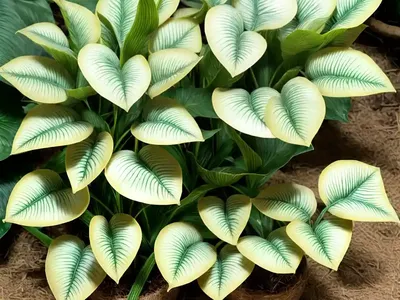
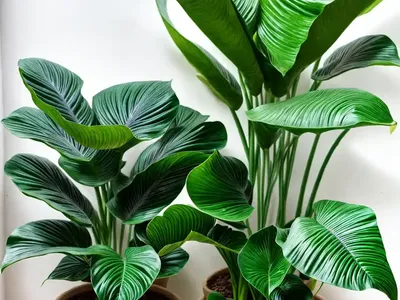
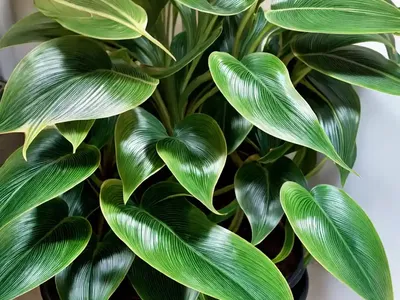
Calla Lily (Zantedeschia ‘Flame’)
In the world of ornamental plants, few are as captivating and elegant as the calla lily. The Zantedeschia ‘Flame’, a hybrid variety, is a stunning choice.
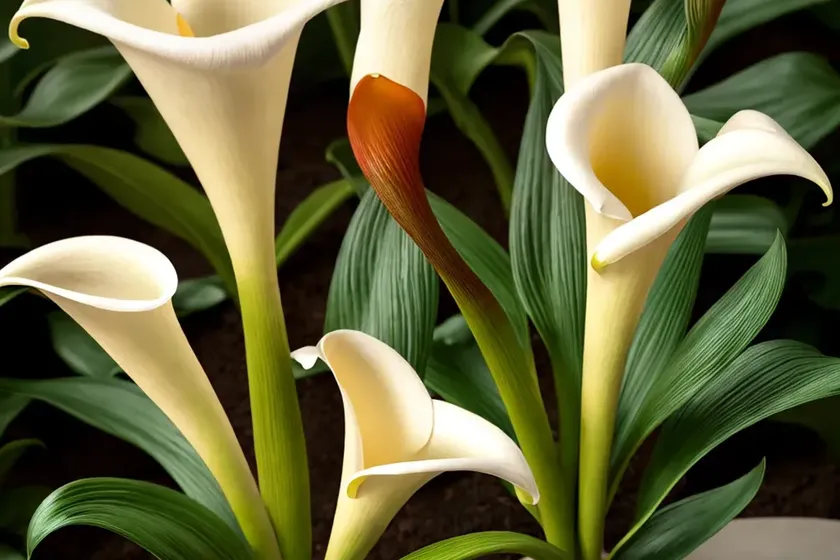
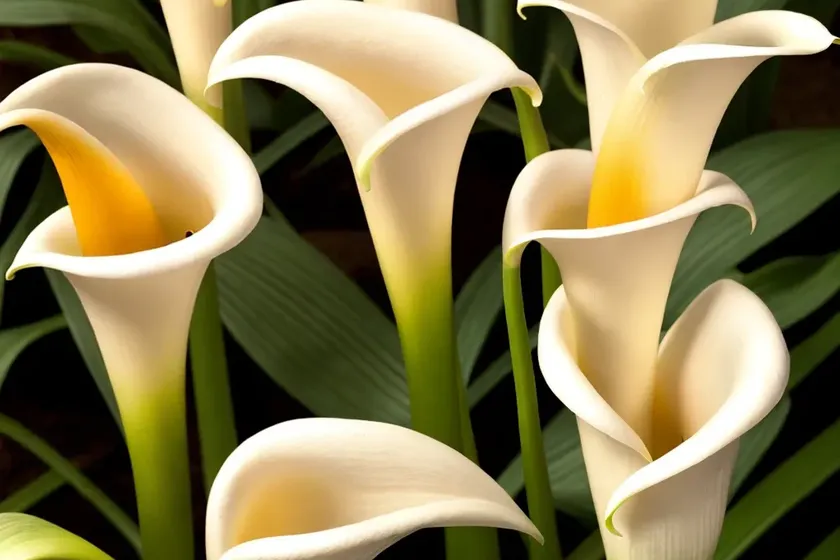
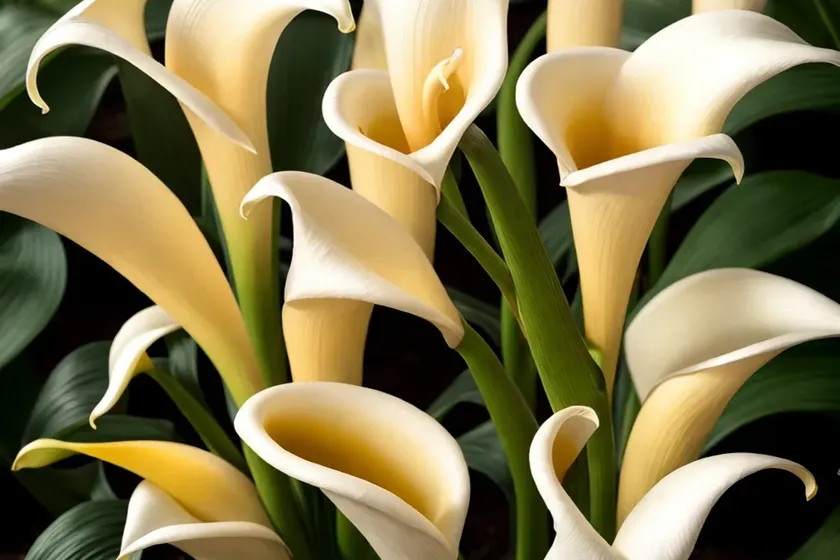
In the world of ornamental plants, few are as captivating and elegant as the calla lily. The Zantedeschia ‘Flame’, a hybrid variety, is a stunning choice for both indoor and outdoor settings, with its unique flame-colored blooms capturing the attention of anyone who crosses its path. As a plant scientist with a passion for understanding and cultivating various plant species, I find the calla lily to be an especially intriguing subject for exploration. In this comprehensive guide, we will delve into the world of Zantedeschia ‘Flame’, exploring its culture, uses, care requirements, and much more.
What is a Calla Lily (Zantedeschia ‘Flame’)?
The calla lily, scientifically known as Zantedeschia, belongs to the Araceae family and is native to Southern Africa. Renowned for its exquisite, trumpet-shaped flowers, this plant has found its way into gardens, floral arrangements, and indoor spaces around the world. The Zantedeschia ‘Flame’ is a notable hybrid variety recognized for its vivid flame-colored blooms and impressive ornamental value.
Key Takeaways – Calla Lily (Zantedeschia ‘Flame’)
Before we embark on our exploration of the Zantedeschia ‘Flame’, let’s take a look at the key takeaways that will guide our discussion:
- The Zantedeschia ‘Flame’ is a hybrid calla lily known for its captivating flame-colored blooms.
- This variety is a popular choice for both indoor and outdoor settings.
- Understanding the cultural requirements, uses, and care guidelines is essential for successfully cultivating and enjoying the Zantedeschia ‘Flame’.
Now, let’s dive deeper into the world of this fascinating plant.
Culture of Calla Lily (Zantedeschia ‘Flame’)
Understanding the cultural requirements of the Zantedeschia ‘Flame’ is crucial for creating an environment where this plant can thrive. From water and sunlight to soil and fertilization, each aspect plays a pivotal role in shaping the growth and development of this captivating specimen.
Uses
The Zantedeschia ‘Flame’ is prized for its ornamental value and can be incorporated into various settings and uses:
- Gardens: The striking blooms of the Zantedeschia ‘Flame’ make it a delightful addition to garden beds, borders, and mixed perennial plantings.
- Indoor Decor: Due to its elegant appearance and long vase life, the Zantedeschia ‘Flame’ is frequently used in indoor floral arrangements and décor.
Water
Proper watering is essential for the health and vitality of the Zantedeschia ‘Flame’. Here are some guidelines for watering this plant:
- Moisture Requirements: Calla lilies prefer consistently moist soil, especially during the growing season. However, they do not tolerate waterlogged conditions, so well-draining soil is crucial for their health.
Sunlight
Sunlight plays a crucial role in the growth and flowering of calla lilies. Here’s what you need to know about providing the right amount of sunlight for the Zantedeschia ‘Flame’:
- Light Requirements: Zantedeschia ‘Flame’ thrives in partial shade to full sun. In hot climates, providing afternoon shade can help prevent stress and sunburn on the foliage.
Fertilizer
Proper fertilization can enhance the growth and blooming of the Zantedeschia ‘Flame’. Consider the following guidelines for fertilizing this hybrid calla lily:
- Fertilizer Application: Apply a balanced, water-soluble fertilizer monthly during the growing season to support healthy foliage and blooming.
Soil
The soil composition and quality directly impact the overall health and performance of calla lilies. Understanding the soil requirements is essential for cultivating the Zantedeschia ‘Flame’:
- Soil Type: Calla lilies thrive in rich, well-draining soil with a slightly acidic to neutral pH.
Pruning
Pruning is an essential aspect of calla lily care, contributing to the overall health and appearance of the plant. Follow these guidelines for proper pruning of the Zantedeschia ‘Flame’:
- Blooms and Foliage: Remove spent blooms and damaged foliage regularly to promote continuous blooming and maintain a tidy appearance.
Propagation
Exploring propagation methods allows for the expansion and perpetuation of the Zantedeschia ‘Flame’. Here are some common methods for propagating this hybrid calla lily:
- Division: Divide the rhizomes of mature calla lilies in the spring to create new plants.
Container Popularity
The Zantedeschia ‘Flame’ is a popular choice for container gardening, offering versatility and elegance when grown in containers. Consider the following factors when cultivating this plant in a container:
- Size: Select a container that provides ample space for the root system and allows for proper drainage.
- Drainage: Ensure that the container has drainage holes to prevent waterlogging.
Common Diseases
Like any plant, the Zantedeschia ‘Flame’ is susceptible to certain diseases that can impact its growth and vitality. Familiarize yourself with some of the common diseases that may affect this hybrid calla lily:
- Root Rot: Overly wet conditions can lead to root rot, impacting the overall health of the plant.
- Leaf Spot: Fungal diseases can cause unsightly leaf spots, affecting the aesthetic appeal of the plant.
Disease Diagnosis
Identifying and diagnosing diseases is crucial for implementing effective treatment and management strategies. Here are some common symptoms associated with the aforementioned diseases:
- Root Rot: Wilting, yellowing, and mushy or foul-smelling roots are indicative of root rot.
- Leaf Spot: Circular, discolored spots on the leaves may indicate the presence of leaf spot diseases.
Common Pests
Pests can pose a threat to the health and vigor of the Zantedeschia ‘Flame’. Understanding the common pests and implementing appropriate pest control measures is essential for maintaining the well-being of this plant:
- Aphids: These small, soft-bodied insects may cluster on the undersides of leaves, sucking sap and potentially transmitting diseases.
- Spider Mites: Infestations of spider mites can cause stippling and webbing on the foliage, leading to decreased photosynthetic activity.
Botanist’s Tips
As a plant scientist, I have gathered invaluable tips and insights into the care and cultivation of the Zantedeschia ‘Flame’. Here are some recommendations for effectively growing and enjoying this captivating plant:
- Regular Monitoring: Keep a watchful eye on moisture levels, pest activity, and overall plant health to address potential issues promptly.
- Mulching: Apply a layer of organic mulch around the base of the plant to conserve moisture and suppress weed growth.
Fun Facts
Delving into the world of the Zantedeschia ‘Flame’ reveals several intriguing and fascinating facts:
- The calla lily is not a true lily. It belongs to the Araceae family and is more closely related to jack-in-the-pulpit and philodendron.
- The name “calla” is derived from the Greek word for beauty.
Links to External Resources
For further exploration and learning, I recommend the following external resources on calla lilies and Zantedeschia ‘Flame’:
- The American Society for the Prevention of Cruelty to (ASP) Plants
- Royal Horticultural Society (RHS) – Calla Lily Care
In conclusion, the Zantedeschia ‘Flame’ stands as a captivating and enchanting choice for plant enthusiasts and horticulturists alike. By understanding its culture, care requirements, and uses, individuals can cultivate and appreciate the unique beauty and elegance of this hybrid calla lily.
Remember, the journey of exploration and cultivation is as enriching as the final bloom of the Zantedeschia ‘Flame’. Embrace every moment as you delve into the world of this extraordinary plant.