Zabelia (Zabelia tyaihyonii): A Comprehensive Guide
Introduction to Zabelia (Zabelia tyaihyonii)
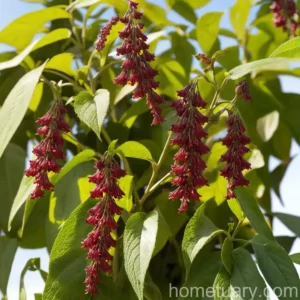
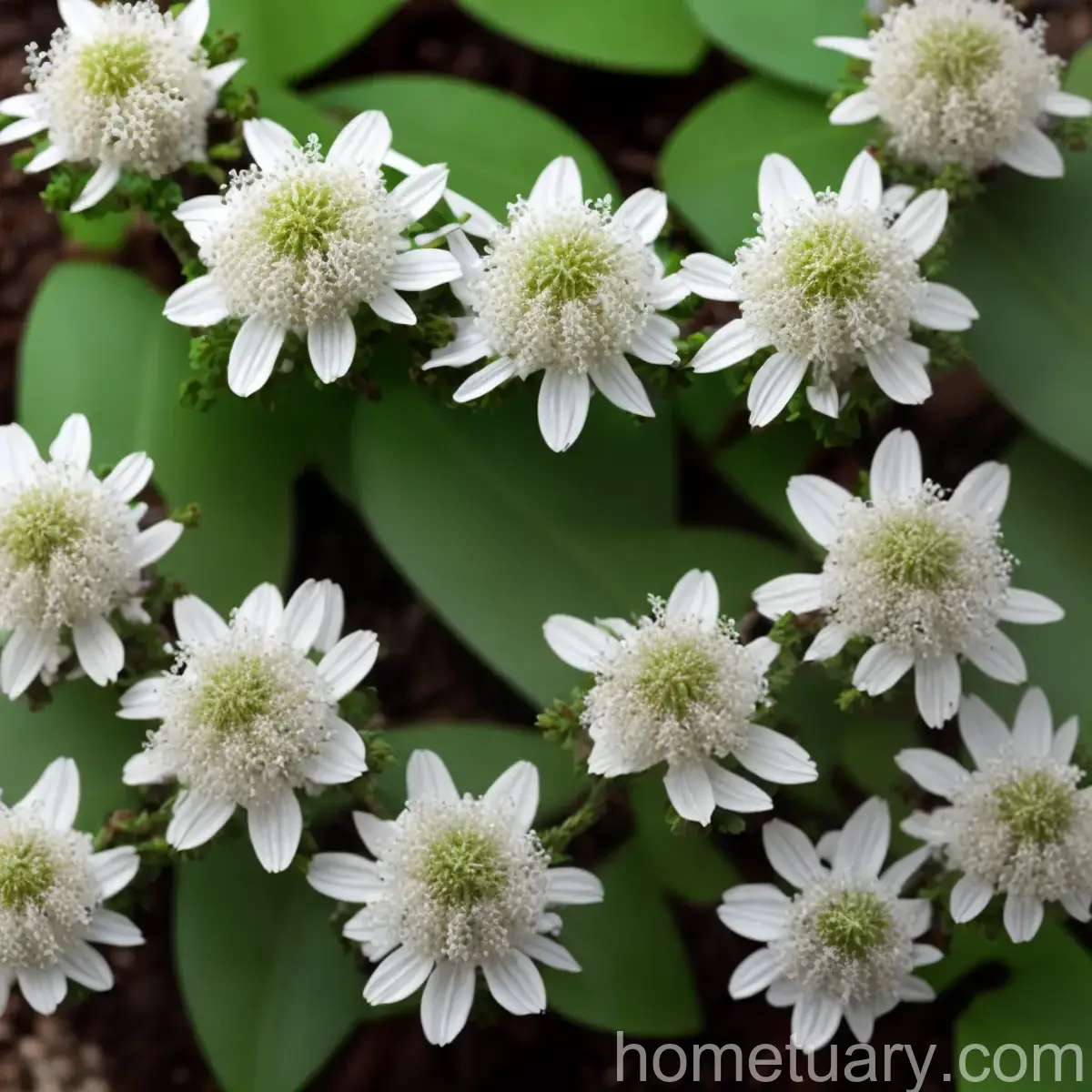
Zabelia, scientifically known as Zabelia tyaihyonii, is a remarkable flowering shrub that belongs to the family Linnaeaceae. This ornamental plant is native to regions of East Asia, particularly China and Japan. Zabelia displays delicate, fragrant flowers and is valued for its ornamental appeal in garden landscapes. This comprehensive guide aims to provide insights into the culture, uses, propagation, and maintenance of Zabelia tyaihyonii, while also delving into its habitat, seasonal care, and landscaping potential.
Key Takeaways – Zabelia (Zabelia tyaihyonii)
Before diving into the intricate details of Zabelia care, propagation, and maintenance practices, let’s highlight some key takeaways about this exquisite shrub:
- Scientific Name: Zabelia tyaihyonii
- Common Name: Zabelia
- Family: Linnaeaceae
- Native Habitat: East Asia, particularly China and Japan
- Significant Features: Fragrant flowers, ornamental appeal, and low maintenance requirements
With these key takeaways in mind, let’s delve into the various aspects of Zabelia tyaihyonii, including its culture, uses, and maintenance requirements.
Culture
Water
Zabelia tyaihyonii thrives in moist, well-drained soil. Typically, regular watering during the growing season is essential to maintain adequate moisture levels. However, it’s important to avoid overwatering, as waterlogged conditions can lead to root rot and other detrimental issues. During periods of prolonged drought, supplemental watering is recommended to ensure the plant’s vitality.
Sunlight
This shrub displays a preference for partial shade to full sun exposure. While it can tolerate partial shade, providing ample sunlight encourages abundant flowering and overall plant vigor. When locating a planting site for Zabelia, consider an area that receives at least 4-6 hours of direct sunlight daily for optimal growth and bloom production.
Fertilizer
Applying a balanced, slow-release fertilizer in early spring can support the growth and blooming potential of Zabelia tyaihyonii. Select a fertilizer with a balanced NPK ratio, such as 10-10-10, and follow the recommended application rates based on the size and age of the plant. Over-fertilization can lead to excessive vegetative growth at the expense of flowering, so it’s crucial to adhere to the specified guidelines.
Soil
Zabelia thrives in well-drained, loamy soil that is rich in organic matter. Amending the soil with compost or organic mulch can enhance its fertility and structure, promoting robust growth and flowering. Additionally, maintaining a slightly acidic to neutral pH level (between 6.0 and 7.0) in the soil is conducive to the plant’s health and vitality.
Pruning
Pruning is an essential aspect of Zabelia tyaihyonii maintenance, contributing to its overall health, shape, and flowering potential. Here are some key considerations when pruning Zabelia:
- Timing: Prune Zabelia in late winter or early spring before the onset of new growth to remove dead or damaged branches and shape the plant.
- Tools: Use clean, sharp pruning shears to make precise cuts without causing unnecessary damage to the plant.
- Technique: Remove spent flowers and prune to maintain the desired shape, promoting an open, airy growth habit while removing any crossing or congested branches.
Propagation
Zabelia can be propagated through various methods, including:
- Softwood Cuttings: Propagate Zabelia from softwood cuttings taken in early summer. Prepare a rooting medium of perlite and peat moss, and ensure the cuttings receive adequate moisture and warmth for successful root development.
- Division: Divide established Zabelia plants in early spring to create new, thriving specimens. Carefully separate the root mass and replant the divided sections in suitable growing conditions.
Container Popularity
Zabelia tyaihyonii is well-suited for container cultivation, making it an appealing choice for patio gardens, balconies, and small outdoor spaces. When growing Zabelia in containers, ensure the following:
- Select a spacious container with adequate drainage holes to prevent waterlogging.
- Use a well-draining potting mix rich in organic matter.
- Provide regular watering and fertilization to support the plant’s growth and blooming potential.
Common Diseases and Disease Diagnosis
While Zabelia tyaihyonii is relatively resistant to most common diseases, it can occasionally face issues such as powdery mildew and leaf spot. Proper cultural care, including adequate air circulation, sufficient sunlight, and appropriate watering practices, can mitigate the risk of disease occurrence. If signs of disease or stress emerge, prompt diagnosis and treatment are crucial to safeguard the plant’s health and longevity.
Common Pests and Pest Control
Zabelia is susceptible to infestations by certain pests, including aphids, scale insects, and spider mites. Regular monitoring of the plant for signs of pest activity is imperative for early detection and intervention. Consider employing natural predators, such as ladybugs, or applying horticultural oils to control pest populations effectively while minimizing the impact on beneficial insects and the surrounding ecosystem.
Botanist’s Tips
To optimize the growth, flowering, and overall health of Zabelia tyaihyonii, consider implementing the following botanist’s tips:
- Mulching: Apply a layer of organic mulch, such as shredded bark or compost, around the base of the plant to conserve moisture, regulate soil temperature, and suppress weed growth.
- Supplemental Watering: During hot, dry periods, provide supplemental watering to ensure the plant’s moisture needs are met, particularly for newly planted specimens and those in containers.
- Regular Inspection: Routinely inspect Zabelia for signs of disease, pest activity, or nutrient deficiencies, taking proactive measures to address any issues that arise.
Fun Facts about Zabelia
As we explore the enchanting world of Zabelia tyaihyonii, here are some intriguing fun facts about this captivating shrub:
- The fragrant, bell-shaped flowers of Zabelia emit a delightful aroma, attracting pollinators such as bees and butterflies to the garden.
- Zabelia is named after the German botanist, Johann Gottfried Zabel, in recognition of his contributions to the field of botany and horticulture.
- In traditional medicine, certain parts of Zabelia plants are utilized for their potential therapeutic properties, reflecting their historical significance beyond ornamental use.
Links to External Resources
For further information on Zabelia tyaihyonii, you may find the following resources to be valuable:
- Royal Horticultural Society – Zabelia tyaihyonii
- Missouri Botanical Garden – Zabelia tyaihyonii
- American Horticultural Society – Zabelia tyaihyonii Cultivation Guide
In the subsequent sections, we will explore additional facets of Zabelia tyaihyonii, including landscape design, wildlife attraction, pollinators, and its native habitat.
Conclusion
Zabelia tyaihyonii, with its fragrant blooms and ornamental allure, holds immense potential for enhancing garden landscapes and outdoor spaces. By understanding the optimal culture, propagation, and maintenance practices for this remarkable shrub, plant enthusiasts can cultivate thriving, flourishing specimens that enrich their green spaces with natural beauty and charm. Whether incorporated into a traditional garden bed, utilized as a container specimen, or integrated into a harmonious landscape design, Zabelia stands as a versatile and captivating addition to horticultural settings.
Through this comprehensive guide, we have delved into the various facets of Zabelia tyaihyonii, from its preferred growing conditions to its proficiency in container cultivation and its interactions with pollinators and wildlife. Armed with this knowledge, both novice and seasoned gardeners are equipped to embark on a journey of Zabelia cultivation, savoring the rewards of nurturing and admiring this exceptional botanical gem.
As we reflect on the myriad possibilities for Zabelia tyaihyonii in garden landscapes and outdoor settings, we are reminded of the perpetual allure of nature’s wonders, inviting us to immerse ourselves in the splendor and diversity of the plant kingdom.
In this comprehensive guide, we have covered various aspects of Zabelia tyaihyonii, addressing its culture, uses, maintenance, and propagation methods. The aim is to provide valuable insights and practical guidance for plant enthusiasts and gardeners seeking to cultivate and appreciate the beauty of this exquisite flowering shrub. Whether incorporated into garden landscapes, utilized in container gardening, or employed for its ornamental appeal, Zabelia holds tremendous potential as a captivating addition to diverse horticultural settings.