Plant Scientist’s Guide to Heucherella ‘Stoplight’ (Foamy Bells)
As a plant scientist, I am thrilled to share insights and expertise on Heucherella ‘Stoplight’, also known as Foamy Bells. This stunning perennial plant is a hybrid between Heuchera and Tiarella, inheriting the best characteristics of both parents. In this comprehensive guide, we will explore the key features, cultivation techniques, and the numerous benefits of incorporating Heucherella ‘Stoplight’ into gardens and landscapes.
What is Heucherella ‘Stoplight’ (Foamy Bells)?
Heucherella ‘Stoplight’, commonly referred to as Foamy Bells, is a captivating perennial plant cherished for its vibrant foliage and delicate blooms. This hybrid plant is a result of crossing Heuchera and Tiarella, resulting in a specimen that showcases the best traits of both parents.
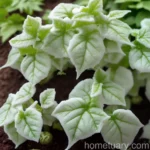
The ‘Stoplight’ variety is particularly notable for its stunning foliage that emerges as bright red in spring, transitions to gold in summer, and ultimately develops red veins in the fall. This remarkable color-changing foliage adds a dynamic element to garden landscapes and is a notable standout in mixed plantings and containers.
Key Takeaways – Heucherella ‘Stoplight’ (Foamy Bells)
Let’s delve into the key takeaways encompassing the culture, uses, maintenance, and characteristics of Heucherella ‘Stoplight’ to gain a comprehensive understanding of this remarkable plant.
Culture
Heucherella ‘Stoplight’ exhibits versatile cultural preferences, making it suitable for various settings, including gardens, container plantings, and mixed landscapes.
-
Water: Moderately moist, well-drained soil is ideal for Heucherella ‘Stoplight’. Regular watering is essential, especially during periods of prolonged drought.
-
Sunlight: Partial shade to full shade conditions are optimal for ‘Stoplight’. While it can tolerate some sun, it thrives in shadier environments, especially in regions with hot summers.
-
Fertilizer: A balanced, slow-release fertilizer applied in early spring can help promote healthy growth and vibrant foliage. However, it’s essential to avoid excessive fertilization, which can lead to decreased color intensity in the foliage.
-
Soil: Heucherella ‘Stoplight’ thrives in humus-rich, well-draining soil with a slightly acidic to neutral pH. Amending the soil with organic matter can further enhance its growth and vigor.
Uses
The versatile nature of Heucherella ‘Stoplight’ allows for numerous applications in garden settings and beyond.
-
Landscape: ‘Stoplight’ serves as an exquisite addition to woodland gardens, shade borders, and mixed perennial plantings. Its colorful foliage provides a striking contrast and adds visual interest to the landscape.
-
Container Planting: The compact growth habit of ‘Stoplight’ makes it an ideal candidate for container plantings, including patio pots, hanging baskets, and mixed container arrangements. Its vibrant foliage brings a burst of color to outdoor living spaces.
-
Ground Cover: In shaded areas with well-drained soil, Heucherella ‘Stoplight’ can function effectively as a ground cover, creating a lush carpet of colorful foliage. Its spreading habit enables it to fill in spaces and suppress weed growth.
Water
Regulating water requirements is crucial for maintaining the health and vitality of Heucherella ‘Stoplight’.
-
Needs: ‘Stoplight’ prefers consistently moist soil. Regular watering, especially during dry spells, is essential to mitigate stress and prevent wilting. However, it’s vital to avoid waterlogged conditions, as excessive moisture can lead to root rot.
-
Drought Tolerance: While maintaining adequate moisture is crucial, Heucherella ‘Stoplight’ exhibits a degree of drought tolerance once established. During extended dry periods, supplemental watering becomes essential to sustain its well-being.
Sunlight
Understanding the sunlight preferences of Heucherella ‘Stoplight’ is paramount for ensuring optimal growth and appearance.
-
Preference: ‘Stoplight’ thrives in partial shade to full shade conditions. In regions with intense summer heat, providing protection from direct sun exposure is beneficial for preserving the color and vitality of its foliage.
-
Tolerance: While ‘Stoplight’ can tolerate some sun, particularly in cooler climates, prolonged exposure to intense sunlight can lead to leaf scorch. Therefore, providing dappled shade or filtered light is recommended for cultivating this plant successfully.
Fertilizer
Applying the right fertilizer at the appropriate times is instrumental in nurturing the growth and vibrancy of Heucherella ‘Stoplight’.
-
Type: A balanced, slow-release fertilizer formulated for flowering perennials is well-suited for ‘Stoplight’. Opt for a fertilizer with an NPK ratio close to 10-10-10 to provide essential nutrients without promoting excessive leaf growth at the expense of vibrant foliage.
-
Application: Apply the fertilizer in early spring, following the manufacturer’s instructions regarding the dosage and application method. Over-fertilization should be avoided, as it can diminish the intensity of the foliage color.
Soil
The soil composition and quality significantly influence the health and performance of Heucherella ‘Stoplight’.
-
Preferred Soil: ‘Stoplight’ thrives in humus-rich, well-draining soil with a slightly acidic to neutral pH. Amending the soil with organic matter, such as compost or peat moss, can enhance its texture, moisture retention, and nutrient content.
-
Drainage: Ensuring proper drainage is critical to prevent waterlogged conditions, which can compromise the plant’s root health. Incorporating organic amendments and observing the site’s drainage patterns can help create an optimal growing environment for ‘Stoplight’.
Pruning
Implementing appropriate pruning practices is essential for maintaining the appearance and vigor of Heucherella ‘Stoplight’.
-
Timing: Pruning can be performed in early spring to remove any damaged or discolored foliage, rejuvenating the plant for the growing season. Additionally, deadheading spent blooms can encourage continuous flowering and prevent self-seeding.
-
Technique: Utilize clean, sharp pruners to make precise cuts, ensuring minimal damage to the plant. Avoid excessively pruning the crown or foliage, as ‘Stoplight’ generally maintains a tidy growth habit with minimal intervention.
Propagation
Multiplying Heucherella ‘Stoplight’ through propagation allows for the expansion of its presence in the garden or landscape.
-
Division: Propagation via division is a common method for increasing the population of ‘Stoplight’. Dividing established clumps in early spring or fall enables the creation of new, vigorous plants while rejuvenating the parent specimens.
-
Seeding: While ‘Stoplight’ can produce seeds, propagation via seed may result in genetic variations and is often a lengthier and less predictable method compared to division. However, collecting and sowing seeds can lead to the development of novel varieties with unique traits.
Container Popularity
The compact growth habit and captivating foliage make Heucherella ‘Stoplight’ a popular choice for container plantings.
-
Appeal: ‘Stoplight’ imparts a vibrant burst of color to various container arrangements, serving as a focal point or complementing other foliage and flowering plants. Its adaptability to different pot sizes and styles enhances its appeal for container gardening enthusiasts.
-
Versatility: Whether showcased individually in a decorative pot or incorporated into mixed containers, ‘Stoplight’ adds a dynamic and visually engaging element to outdoor spaces, including patios, balconies, and entryways.
Container Common Diseases
While grown in containers, Heucherella ‘Stoplight’ may encounter specific diseases that necessitate attention and management.
-
Root Rot: Overly moist or poorly draining soil within containers can predispose ‘Stoplight’ to root rot, resulting in stunted growth, wilting, and foliage discoloration. Ensuring proper drainage and adequate aeration can mitigate this issue.
-
Fungal Diseases: Certain fungal pathogens, such as powdery mildew and leaf spot, can affect ‘Stoplight’, particularly in humid conditions. Choosing disease-resistant cultivars and implementing proper spacing and airflow around containers can reduce the risk of fungal infections.
Disease Diagnosis
Understanding and identifying common diseases affecting Heucherella ‘Stoplight’ is essential for implementing timely interventions.
-
Symptoms: Common disease symptoms in ‘Stoplight’ include leaf spots, wilting, discoloration, and stunted growth. Close observation of the foliage, stems, and overall plant vigor can provide valuable cues for diagnosing potential diseases.
-
Preventive Measures: Maintaining optimal cultural practices, such as proper watering, adequate spacing, and maintaining cleanliness, can help prevent the onset and spread of diseases. Early detection and prompt action are crucial in managing any potential disease issues.
Common Pests
Various pests may pose a threat to the health and appearance of Heucherella ‘Stoplight’, necessitating vigilant monitoring and intervention.
-
Spider Mites: These tiny arachnids can infest ‘Stoplight’, causing stippling, webbing, and overall decline in plant health. Regularly inspecting the foliage and utilizing natural predators or horticultural oils can help manage spider mite populations.
-
Snails and Slugs: These voracious herbivores can inflict damage to ‘Stoplight’ by consuming its foliage. Implementing physical barriers, such as copper tape, and deploying slug and snail baits can aid in mitigating their impact.
Botanist’s Tips
Drawing from botanical expertise, valuable tips can enhance the cultivation and enjoyment of Heucherella ‘Stoplight’.
-
Mulching: Applying a layer of organic mulch around ‘Stoplight’ can help conserve soil moisture, suppress weed growth, and insulate the root zone. However, it’s essential to avoid direct contact between the mulch and the plant’s crown to prevent potential issues.
-
Companion Plantings: Pairing ‘Stoplight’ with complimentary shade-loving species, such as hostas, ferns, and astilbes, can create captivating and harmonious plant combinations. Consider the foliage textures, colors, and growth habits of companion plants for an aesthetically pleasing ensemble.
Fun Facts
Uncovering intriguing and captivating aspects of Heucherella ‘Stoplight’ adds an element of discovery and fascination to its presence in landscapes.
-
Pollinator Attraction: While the blooms of ‘Stoplight’ are relatively subtle, they can attract pollinators such as bees and butterflies, contributing to the ecological diversity and vibrancy of the garden.
-
Seasonal Transitions: The dramatic color changes exhibited by ‘Stoplight’, transitioning from red to gold and eventually developing red veins, mirror the shifting hues of the changing seasons, creating a captivating visual display.
Links to External Resources
To further expand your knowledge and appreciation of Heucherella ‘Stoplight’, explore the following links to external resources:
- Royal Horticultural Society – Heucherella
- University of Florida IFAS Extension – Foamy Bells, Heucherella
- Missouri Botanical Garden – Heucherella ‘Stoplight’
- North Carolina State University – Foamy Bells and Coral Bells for the Landscape
- American Horticultural Society – Growing Heucherellas
I hope this comprehensive scientific guide provides valuable insights into the captivating world of Heucherella ‘Stoplight’, empowering you to cultivate and appreciate this remarkable plant with confidence and expertise.
Remember, the journey of plant science is an ongoing exploration, and embracing the wonders of nature’s diversity enhances our connection to the botanical realm.
Happy gardening!
Disclaimer: The information provided in this guide is based on scientific knowledge and botanical expertise. Specific growing conditions and practices may vary depending on regional climates and individual gardening environments. Always consult local horticultural resources and professionals for tailored guidance.