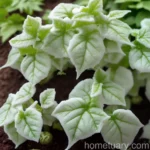
The Fascinating Heucherella ‘Plum Cascade’ (Foamy Bells): A Comprehensive Guide
Heucherella ‘Plum Cascade’, also known as Foamy Bells, is a stunning perennial native to North America that has gained popularity among gardeners and horticulturists alike. Its unique foliage, delicate flowers, and versatility make it a cherished addition to gardens, landscapes, and containers. In this comprehensive guide, we will delve into the details of ‘Plum Cascade’, exploring its culture, uses, care requirements, propagation methods, and much more.
What is Heucherella ‘Plum Cascade’ (Foamy Bells)?
Heucherella ‘Plum Cascade’ is a hybrid plant resulting from the cross between Heuchera and Tiarella, two genera within the family Saxifragaceae. This fascinating cross-pollination has given rise to a plant that encapsulates the best of both parents, exhibiting the characteristic traits of Heuchera and Tiarella. The resulting hybrid typically features semi-evergreen, lobed foliage reminiscent of Heuchera, along with the delicate, foam-like flower spikes of Tiarella.
‘Plum Cascade’ is valued for its eye-catching foliage, which adds unique texture, color, and vibrancy to any garden setting. The plant’s compact growth habit and cascading nature make it an excellent choice for borders, rock gardens, containers, and woodland landscapes, where it can gracefully drape over edges and spill down slopes.
Key Takeaways – Heucherella ‘Plum Cascade’ (Foamy Bells)
Before we delve deeper into the specifics of ‘Plum Cascade’, here are some key takeaways to provide an overview of the essential aspects of this remarkable plant:
- Plant Name: Heucherella ‘Plum Cascade’ (Foamy Bells)
- Botanical Family: Saxifragaceae
- Common Names: Foamy Bells
- Cultivar: ‘Plum Cascade’
- Type: Perennial
- Foliage: Semi-evergreen, lobed leaves
- Flowers: Delicate, foam-like spikes
- Growth Habit: Compact, cascading
- Uses: Borders, rock gardens, containers, woodland landscapes
- Attributes: Texture, color, vibrancy
- Special Feature: Cascading nature
- Hardiness Zones: 4-9
- Mature Height: 8-12 inches
- Mature Spread: 18-24 inches
- Bloom Time: Spring to summer
By understanding these key points, we can then explore the nuances of ‘Plum Cascade’, including its culture, care requirements, propagation, and more.
Culture
Understanding the cultural requirements of Heucherella ‘Plum Cascade’ is vital for ensuring its optimal growth and performance in various settings. From sunlight and water needs to soil preferences and companion planting, let’s delve into the cultural aspects of this captivating plant.
Water
Proper watering is crucial for the health and vitality of Heucherella ‘Plum Cascade’. This plant generally prefers consistently moist but well-drained soil, especially during its establishment phase. Once established, it exhibits good tolerance to both drought and occasional waterlogging, making it adaptable to a range of moisture conditions. However, for best results, it’s essential to monitor the soil moisture and water the plant when the soil starts to dry out slightly.
Sunlight
Heucherella ‘Plum Cascade’ thrives in partial shade to full shade conditions, making it an excellent choice for woodland gardens and shaded landscapes. While it can tolerate some morning sun, it generally prefers dappled light or filtered shade throughout the day. In hotter climates, providing afternoon shade can help prevent stress and maintain the plant’s vigor and coloration.
Soil
The soil quality and composition play a significant role in the health and growth of ‘Plum Cascade’. This plant thrives in well-drained, humus-rich soils with a slightly acidic to neutral pH. Amending the soil with organic matter, such as compost or leaf mold, can improve its structure and fertility, creating an ideal growing environment for Heucherella ‘Plum Cascade’.
Fertilizer
When it comes to fertilizing ‘Plum Cascade’, a balanced, slow-release fertilizer applied in spring can provide the necessary nutrients for healthy growth and prolific flowering. Opt for a fertilizer specifically formulated for perennial plants, and follow the application instructions provided by the manufacturer. It’s important not to over-fertilize, as excessive nutrients can lead to lush foliage at the expense of flower production.
Pruning
Pruning Heucherella ‘Plum Cascade’ is relatively low-maintenance, thanks to its compact growth habit and tidy appearance. Deadheading the spent flower spikes can encourage continuous blooming and prevent the plant from expending energy on seed production. Additionally, removing any damaged or discolored foliage can enhance the plant’s overall aesthetic and promote better air circulation.
Propagation
‘Plum Cascade’ can be propagated through various methods, including division, softwood cuttings, and seed. Division is a common and reliable method for increasing plant numbers, and it’s best carried out in spring or fall. Softwood cuttings, taken in early summer, can also yield new plants with identical traits. While ‘Plum Cascade’ sets some seed, propagation from seed is less common due to potential variation in offspring traits.
Container Popularity
The compact and cascading nature of Heucherella ‘Plum Cascade’ makes it a sought-after choice for container gardening. Its vibrant foliage and delicate flowers can be showcased in mixed planters, hanging baskets, and decorative containers, adding texture and color to patios, balconies, and outdoor living spaces.
Uses
Heucherella ‘Plum Cascade’ is a versatile plant known for its myriad uses in garden and landscape settings. From ground cover and border edging to container gardening and woodland landscapes, this captivating perennial offers a range of applications that cater to diverse gardening preferences and design concepts.
Garden and Landscape
In garden and landscape design, ‘Plum Cascade’ excels as a ground cover plant, providing an attractive carpet of foliage and flowers that enhances the visual appeal of borders, slopes, and naturalized areas. Its cascading growth habit allows it to spill over edges and soften hardscapes, bringing a naturalistic and graceful touch to the surroundings.
Container Gardening
With its compact size and cascading form, Heucherella ‘Plum Cascade’ is well-suited for container gardening. Whether showcased in solitary splendor or combined with other shade-loving companions, such as ferns, hostas, and bleeding hearts, ‘Plum Cascade’ adds a captivating dimension to containers and planters, infusing them with texture, color, and visual interest.
Woodland Landscapes
In woodland and shade gardens, ‘Plum Cascade’ contributes to the intricate tapestry of foliage and flowers, complementing native woodland plants and thriving under the dappled light and moderate moisture levels typical of such environments. Its elegant presence and adaptability make it an integral component of woodland landscapes, where it integrates seamlessly with other shade-tolerant species.
Common Diseases and Pests
Like any plant, Heucherella ‘Plum Cascade’ is susceptible to certain diseases and pests that can impact its health and appearance. Understanding these potential challenges is essential for implementing timely preventive measures and effective management strategies to safeguard the plant’s well-being.
Common Diseases
Some common diseases that can affect ‘Plum Cascade’ include:
-
Powdery Mildew: This fungal disease manifests as a powdery white coating on the leaves, often leading to distorted growth and reduced vigor. Adequate air circulation, proper spacing, and avoiding overhead watering can help prevent powdery mildew.
-
Crown Rot: Excessive moisture and poorly drained soils can create favorable conditions for crown rot, a destructive condition that causes the plant’s crown and roots to decay. Ensuring well-drained soil and avoiding overwatering are critical in preventing crown rot.
-
Leaf Spot: Leaf spot diseases, caused by various fungi and bacteria, can result in dark lesions on the foliage, leading to premature leaf drop and reduced photosynthetic capacity. Removing and destroying infected plant material can help contain the spread of leaf spot.
Pest Management
While ‘Plum Cascade’ is relatively resistant to most pests, it can occasionally encounter the following insect challenges:
-
Spider Mites: These tiny pests can infest the foliage, causing stippling, discoloration, and webbing. Regular monitoring and early intervention with insecticidal soap or horticultural oil can help manage spider mite populations.
-
Slugs and Snails: These mollusks are known for feeding on the tender foliage of ‘Plum Cascade’, leaving behind irregular holes and damage. Using organic slug and snail baits or creating physical barriers can help protect the plant from these voracious herbivores.
Botanist’s Tips
As a plant scientist with a passion for Heucherella ‘Plum Cascade’, I’ve gathered some insightful tips and recommendations to help you maximize the potential of this exceptional perennial in your garden or landscape. By incorporating these botanist’s tips into your approach, you can foster the health, beauty, and resilience of ‘Plum Cascade’, ensuring its success in various growing conditions.
Tip 1: Mulch for Moisture Retention
Applying a layer of organic mulch, such as shredded bark or compost, around the base of ‘Plum Cascade’ can help conserve soil moisture, suppress weeds, and promote a more favorable microclimate for the plant’s roots. Mulching also contributes to the gradual enrichment of the soil as the organic materials decompose over time.
Tip 2: Companion Planting
Pairing Heucherella ‘Plum Cascade’ with complementary companion plants can elevate the aesthetic and ecological appeal of the garden. Consider integrating shade-loving companions, such as Brunnera, Pulmonaria, and Tiarella, to create harmonious plantings that thrive in the shared environment while offering visual contrast and seasonal interest.
Tip 3: Seasonal Maintenance
Engage in regular seasonal maintenance practices, such as spring cleanups and fall grooming, to keep ‘Plum Cascade’ in top form throughout the year. Removing spent foliage, dividing overcrowded clumps, and assessing overall plant health are essential components of proactive maintenance that contribute to the plant’s longevity and vigor.
Tip 4: Wildlife Attraction
By incorporating Heucherella ‘Plum Cascade’ into your garden, you can actively support local wildlife, such as pollinators and beneficial insects. The delicate flowers of ‘Plum Cascade’ act as nectar sources for bees, butterflies, and hummingbirds, contributing to the overall biodiversity and ecological balance of the garden ecosystem.
Fun Facts
Delve into some captivating and lesser-known facts about Heucherella ‘Plum Cascade’ that shed light on the plant’s unique characteristics, historical significance, and ecological relevance. These fun facts offer a delightful glimpse into the world of ‘Plum Cascade’, enriching your appreciation for this extraordinary hybrid.
-
Native Origins: ‘Plum Cascade’ traces its lineage to North American native species, with Heuchera and Tiarella being predominantly distributed across woodland habitats and forested regions of the continent. The hybridization of these native plants has led to the creation of ‘Plum Cascade’, a testament to the diversity and adaptability of North American flora.
-
Foliage Composition: The intricate lobed leaves of ‘Plum Cascade’ exhibit striking variations in color, ranging from deep plum to rich green, often adorned with prominent veining and mottling. This foliage diversity contributes to the plant’s visual allure, especially when illuminated by dappled light in shaded settings.
-
Pollinator Magnet: The delicate, foam-like flowers of ‘Plum Cascade’ serve as a magnet for pollinators, inviting a steady procession of bees, butterflies, and other nectar-seeking insects to partake in the floral bounty. Observing these pollinators visiting the blossoms offers an enriching and educational experience for garden enthusiasts.
-
Cascading Beauty: The cascading growth habit of ‘Plum Cascade’ enables it to gracefully spill over edges, edges, and other garden features, weaving a tapestry of foliage and blooms that imbues the surrounding landscape with elegance and softness. Its trailing nature lends itself to creative landscaping and container designs, adding depth and movement to the compositions.
Links to External Resources
To further expand your knowledge and understanding of Heucherella ‘Plum Cascade’ (Foamy Bells), consider exploring the following external resources that delve into its cultivation, care, and horticultural significance:
- Planting and Care Guide for Foamy Bells (Heucherella)
- How to Design a Woodland Garden with Heucherella ‘Plum Cascade’
- Pest and Disease Management for Heucherella Plants
- Container Gardening Tips for Shade-Loving Perennials
- Native Plant Conservation and Hybridization in Heuchera and Tiarella
By delving into these resources, you can gain valuable insights, practical tips, and expert perspectives that enrich your experience with Heucherella ‘Plum Cascade’. As you explore the intricacies of this remarkable plant, you embark on a fascinating journey through the realms of horticulture, ecology, and botanical discovery.
In conclusion, Heucherella ‘Plum Cascade’ (Foamy Bells) stands as a testament to the artistry of plant hybridization, culminating in a captivating perennial with boundless potential in garden, landscape, and container settings. By embracing its cultural requirements, maximizing its uses, and appreciating its unique traits, garden enthusiasts and horticulturists can unlock the full splendor of ‘Plum Cascade’, enhancing their outdoor spaces with its enduring beauty and charm.
The blog post provides comprehensive insights into the cultivation, uses, care, and ecological context of Heucherella ‘Plum Cascade’, catering to both seasoned gardeners and enthusiasts seeking to delve into the world of this exceptional perennial. By incorporating key takeaways, cultural guidelines, and expert tips, the post serves as a valuable resource for individuals passionate about horticulture and plant science. The inclusion of fun facts and external resource links further enriches the reader’s understanding and appreciation of this remarkable hybrid.