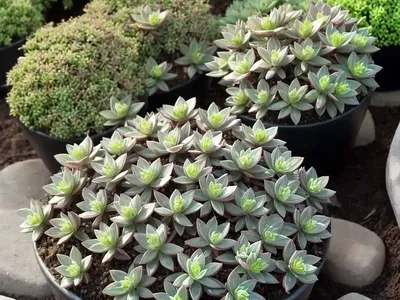
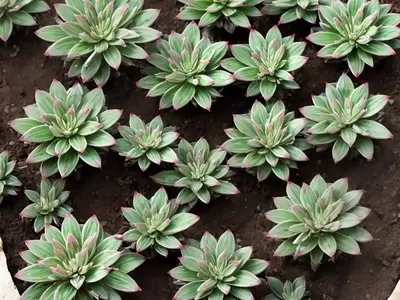
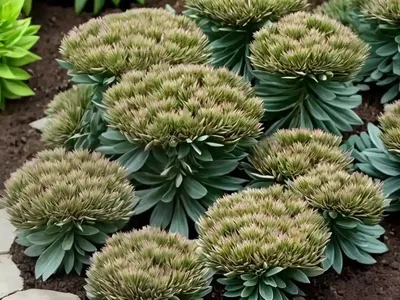
Woodland Stonecrop (Sedum Ternatum)
Welcome to our comprehensive guide to the Woodland Stonecrop, a delightful and versatile plant also known by its scientific name, Sedum ternatum. This.
Introduction
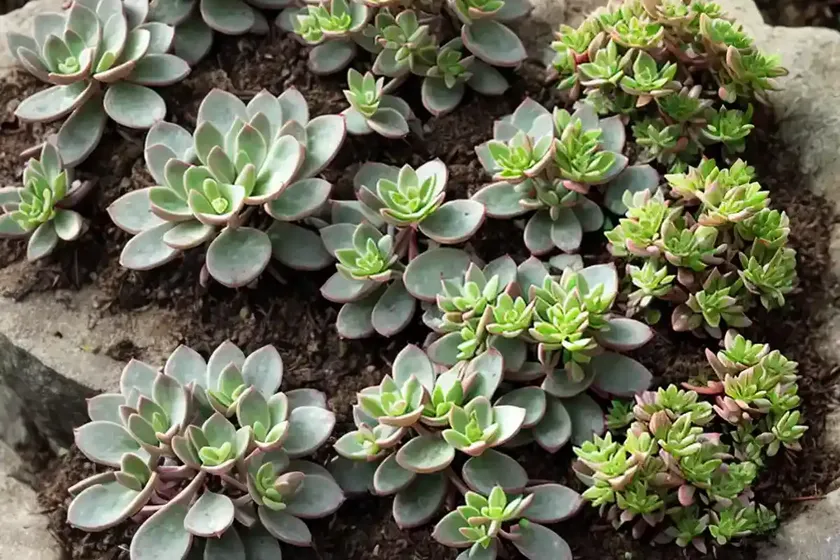
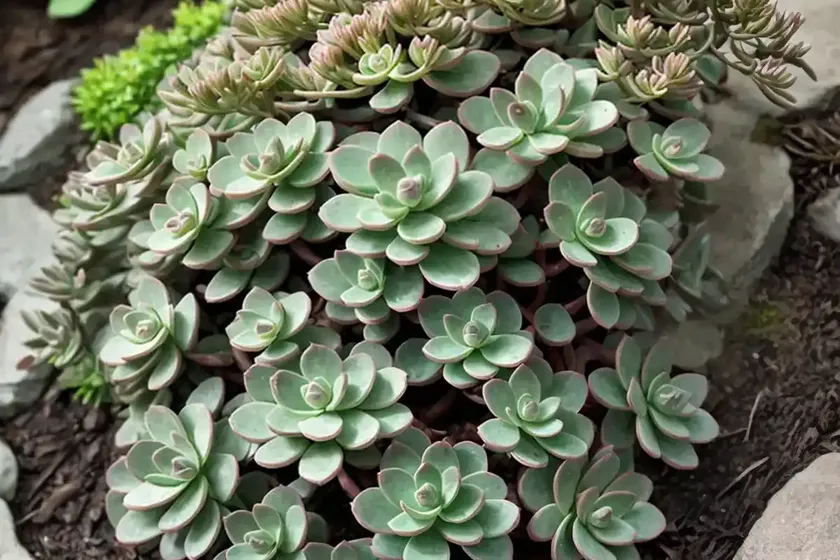
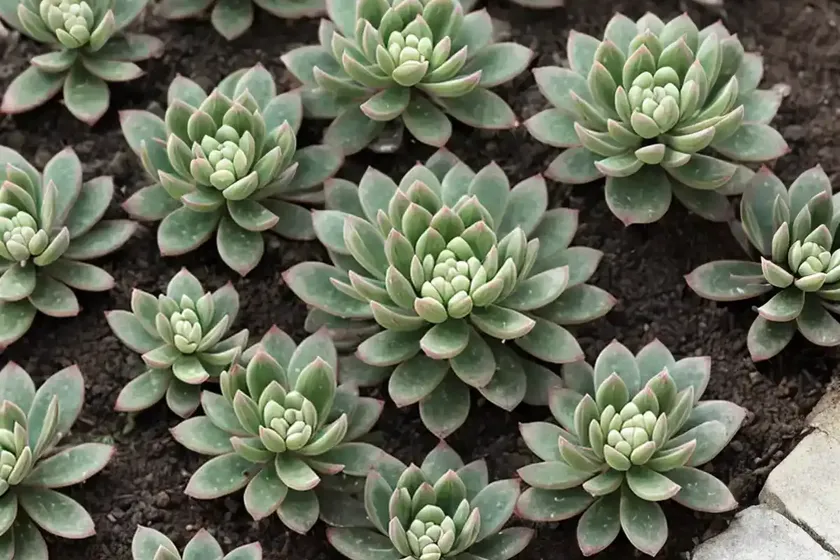
Welcome to our comprehensive guide to the Woodland Stonecrop, a delightful and versatile plant also known by its scientific name, Sedum ternatum. This guide will cover all aspects of the Woodland Stonecrop, including its characteristics, care requirements, uses, propagation, and much more.
What is Woodland Stonecrop (Sedum ternatum)?
Woodland Stonecrop, or Sedum ternatum, is a charming perennial plant that belongs to the Crassulaceae family. It is native to eastern North America and is commonly found in woodlands, rocky slopes, and shaded areas. This low-growing succulent is known for its attractive, star-shaped white flowers and its ability to thrive in various environmental conditions.
Key Takeaways
1. Culture
Woodland Stonecrop is a versatile plant that can thrive in a variety of conditions. Its adaptability makes it an excellent choice for both experienced gardeners and beginners.
2. Uses
This plant has multiple uses, including as ground cover, in rock gardens, and as an attractive addition to woodland gardens. Its low maintenance and natural beauty make it a popular choice among gardeners.
3. Water
Woodland Stonecrop prefers consistently moist soil but can also tolerate periods of drought. It is important to strike a balance to prevent overwatering.
4. Sunlight
While it prefers partial shade to full shade, it can also tolerate some sunlight, especially in the cooler morning hours.
5. Fertilizer
These plants do not require high levels of fertilization and can thrive in relatively nutrient-poor soil. A light application of organic fertilizer in the spring can help encourage healthy growth.
6. Soil
Well-draining, slightly acidic soil is ideal for Woodland Stonecrop. It can adapt to various soil types, making it a resilient choice for gardeners.
7. Pruning
Regular pruning can help maintain the appearance of Woodland Stonecrop and promote healthy growth. Trimming back overgrown or leggy stems can also encourage a fuller, bushier form.
8. Propagation
This plant can be easily propagated through division or stem cuttings, making it a great option for expanding your garden or sharing with fellow plant enthusiasts.
Now that we have a snapshot of the key takeaways, let’s delve deeper into each aspect of caring for Woodland Stonecrop.
Water
Woodland Stonecrop has moderate water needs and prefers consistently moist soil. However, it is important to avoid overwatering, which can lead to root rot. To maintain proper moisture levels, consider the following watering guidelines:
- Water young plants more frequently until they are established, then gradually reduce the frequency.
- During dry spells or periods of high heat, provide supplemental watering to prevent the soil from drying out completely.
- Mulching around the base of the plant can help retain soil moisture and regulate temperature.
Sunlight
In its natural habitat, Woodland Stonecrop thrives in partial to full shade. It prefers cooler, shaded conditions and can even tolerate deep shade. However, it can also adapt to some sunlight, especially in the cooler morning hours. When choosing a planting location, consider the following sunlight requirements:
- Partial to full shade is ideal for Woodland Stonecrop.
- In hot climates, providing protection from the intense afternoon sun can help prevent the plant from becoming stressed.
Fertilizer
Woodland Stonecrop is not a heavy feeder and can thrive in relatively nutrient-poor soil. Excessive fertilization can lead to lush growth that is more susceptible to damage from environmental stress. To maintain healthy growth, consider the following fertilizer guidelines:
- A light application of balanced, organic fertilizer in early spring can help provide the plant with the nutrients it needs for the growing season.
- Avoid overfertilizing, as this can lead to overly vigorous growth and diminish the plant’s resilience.
Soil
The right soil conditions are crucial for the overall health and vigor of Woodland Stonecrop. While this plant is adaptable and can withstand various soil types, providing well-draining, slightly acidic soil will promote optimal growth. Here are some soil considerations for Woodland Stonecrop:
- Well-draining soil is essential to prevent waterlogged conditions that can lead to root rot.
- A slightly acidic pH level, in the range of 6.0 to 6.5, is ideal for this plant.
- Incorporating organic matter, such as compost or peat moss, can help improve soil structure and fertility.
Pruning
Regular pruning is an important aspect of maintaining the appearance and health of Woodland Stonecrop. Pruning back overgrown or leggy stems can encourage a fuller, bushier form and promote new growth. Here are some key considerations for pruning Woodland Stonecrop:
- Prune the plant in late winter or early spring to remove any dead or damaged stems and encourage new growth.
- Trim back overgrown areas to maintain a tidy appearance and prevent the plant from becoming too sparse in the center.
Propagation
One of the appealing traits of Woodland Stonecrop is its ease of propagation. Whether through division or stem cuttings, this plant can be multiplied with relative ease. Here are some propagation guidelines for Woodland Stonecrop:
- Division: In early spring, carefully divide mature plants to create new specimens. Each division should have healthy roots and several stems.
- Stem Cuttings: Take 3 to 4-inch stem cuttings in spring or summer and plant them in well-draining soil. Keep the soil consistently moist until new growth emerges.
By following these care guidelines, you can ensure that your Woodland Stonecrop thrives and continues to beautify your garden.
Container Popularity
Woodland Stonecrop is also well-suited for container gardening, offering a versatile option for those with limited garden space or those looking to add a touch of greenery to patios and balconies. In containers, this plant can be showcased in various arrangements. Some key points to consider for container gardening with Woodland Stonecrop include:
- Selecting a container with adequate drainage holes to prevent waterlogging.
- Using a well-draining potting mix that replicates the ideal soil conditions for outdoor planting.
- Providing consistent moisture and shade, particularly in warm or sunny locations.
Common Diseases
While Woodland Stonecrop is generally resilient, it can be affected by a few common diseases if proper care is not taken. Recognizing the symptoms and understanding the preventive measures is crucial. Here are some common diseases that may affect Woodland Stonecrop, along with tips for disease management:
Disease Diagnosis
-
Powdery Mildew: This fungal disease appears as a white, powdery coating on the foliage, typically in humid conditions. It can lead to stunted growth and foliage distortion.
-
Management: Provide proper air circulation and avoid overhead watering. Fungicidal sprays may be necessary in severe cases.
-
Root Rot: Overwatering can lead to root rot, causing the plant to wilt and the leaves to turn yellow or brown.
-
Management: Ensure proper drainage to prevent waterlogged conditions. Adjust watering practices to maintain consistent moisture without overwatering.
Common Pests
Woodland Stonecrop is relatively resistant to pest infestations, but it can occasionally be affected by a few common pests. Understanding the pests and implementing appropriate control measures is essential. Here are some common pests that may affect Woodland Stonecrop, along with tips for pest control:
Botanist’s Tips
-
Aphids: These tiny insects can cluster on new growth and feed on the plant’s sap, causing distorted growth and yellowing of leaves.
-
Control: Use a strong stream of water to dislodge aphids from the plant. In severe cases, insecticidal soap or neem oil can be effective.
-
Snails and Slugs: These pests are more likely to be a problem in moist, shaded areas and can cause damage by feeding on the foliage.
-
Control: Manual removal of snails and slugs is effective. Additionally, barriers and traps can help protect the plant from these pests.
Fun Facts
Woodland Stonecrop is a fascinating plant with a rich history and interesting characteristics. Here are some fun facts about this delightful succulent:
- The botanical name “Sedum” is derived from the Latin word “sedo,” which means “to sit,” referring to the plant’s low-growing, spreading habit.
- Woodland Stonecrop is an attractive choice for woodland and shade gardens, adding a touch of brightness and elegance to these tranquil environments.
- This plant is a valuable resource for pollinators, attracting bees and other beneficial insects with its nectar-rich flowers.
Links to External Resources
For further information on Woodland Stonecrop (Sedum ternatum), you may find the following resources useful:
- Sedum ternatum: A Native Plant for the Shade Garden
- Sedum ternatum – Woodland Stonecrop
- Woodland Stonecrop – Sedum ternatum
- Sedum ternatum – Plant Finder
- Sedum Ternatum – Growing Woodland Stonecrop
Conclusion
Woodland Stonecrop (Sedum ternatum) is a versatile and charming plant that offers both aesthetic beauty and ecosystem benefits. Its adaptability to various growing conditions, low maintenance requirements, and attractive appearance make it a sought-after choice for gardens, landscapes, and container arrangements. By understanding the care guidelines, propagation methods, and potential challenges associated with this plant, you can enhance its thriving presence in your outdoor spaces.
As you explore the world of Woodland Stonecrop, we hope this comprehensive guide serves as a valuable resource to support your journey in cultivating and enjoying this delightful plant.
Remember, the names Sedum ternatum care, Woodland Stonecrop plant, and Sedum ternatum characteristics are synonymous with the versatile and captivating world of Woodland Stonecrop, also known as Sedum ternatum. Whether you are an experienced gardener or a novice enthusiast, the allure of this charming plant invites you to create enriching and vibrant outdoor settings.
Happy gardening!