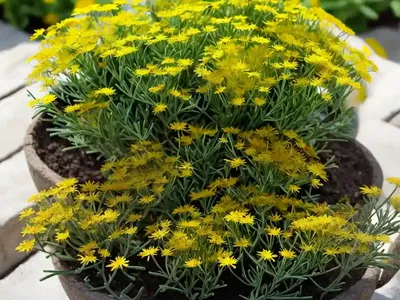
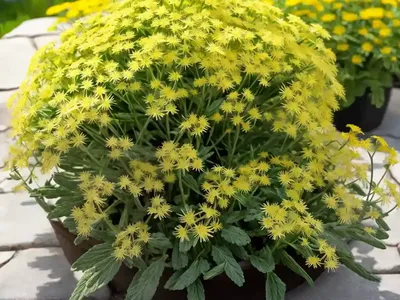
Woodland Ragwort (Senecio Sylvaticus)
Plants are not only the essence of life for all living beings but also an incredibly diverse and fascinating group of organisms. From towering trees to the.
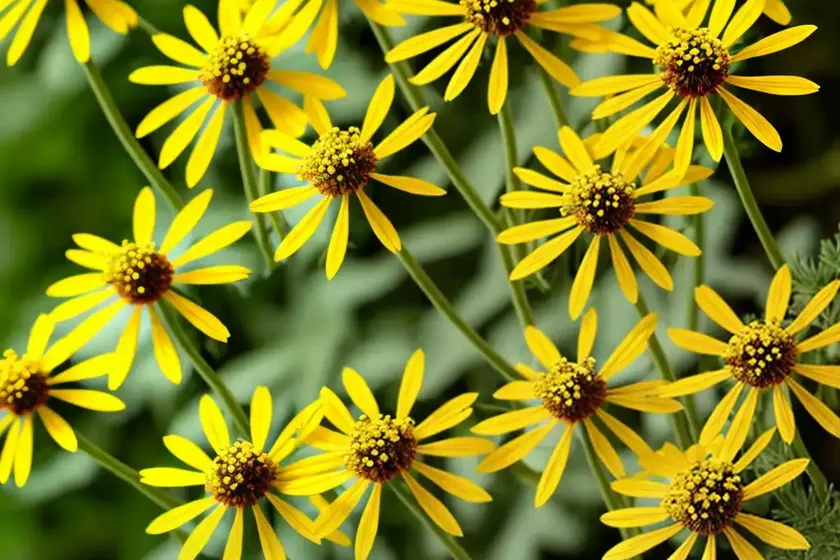
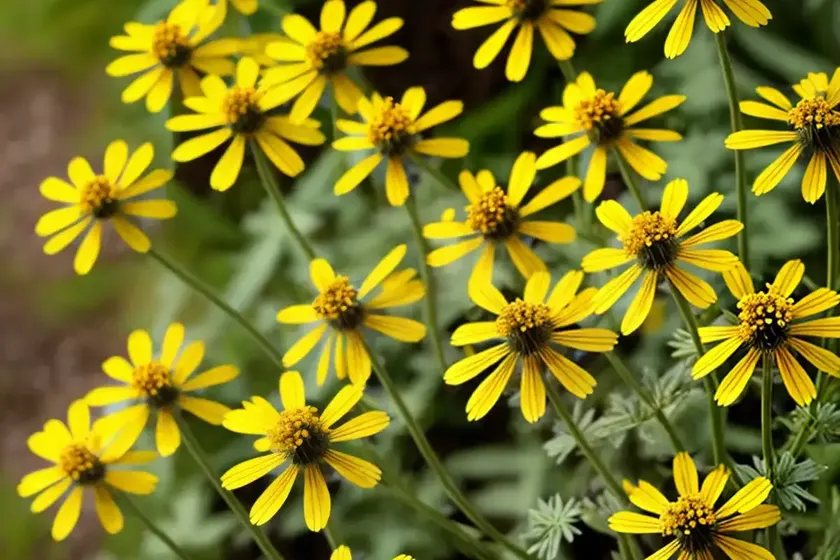
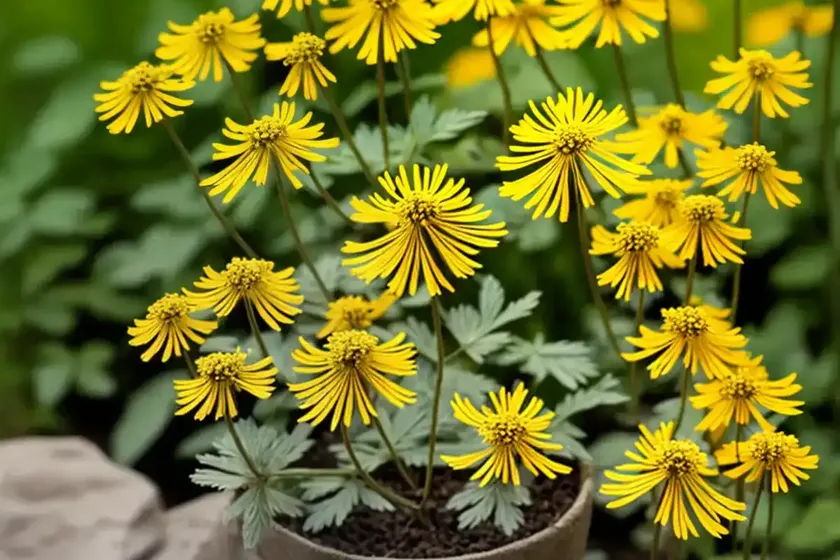
Plants are not only the essence of life for all living beings but also an incredibly diverse and fascinating group of organisms. From towering trees to the tiniest of wildflowers, each plant species has its own unique characteristics and plays a significant role in the ecosystems they inhabit. One such intriguing plant is the Woodland Ragwort, scientifically known as Senecio sylvaticus. In this comprehensive guide, we will delve into the captivating world of Woodland Ragwort, exploring its characteristics, habitat, growing conditions, uses, care tips, and much more.
What is Woodland Ragwort (Senecio sylvaticus)?
Woodland Ragwort, or Senecio sylvaticus, is a perennial flowering plant belonging to the Asteraceae family. This species is native to Europe and Western Asia and is known for its charming yellow flowers and its ecological significance in woodland and grassland habitats.
Woodland Ragwort Characteristics
- Scientific Name: Senecio sylvaticus
- Family: Asteraceae
- Native Habitat: Europe and Western Asia
- Lifecycle: Perennial
- Flowering Period: Late spring to early summer
- Foliage: Deeply lobed leaves
- Flowers: Bright yellow daisy-like flowers
- Ecological Role: Provides nectar and pollen for pollinators, contributes to ecosystem biodiversity
Key Takeaways – Woodland Ragwort (Senecio sylvaticus)
Before we dig deep into the world of Woodland Ragwort, let’s take a quick look at the key takeaways for this fascinating plant.
- Scientific Name: Senecio sylvaticus
- Habitat: Woodland and grassland habitats
- Growing Conditions: Thrives in well-drained soil, prefers full sunlight to partial shade
- Uses: Ecological contribution, ornamental garden plant
- Care Tips: Regular watering, minimal pruning, and propagation through seeds or division
- Medicinal Properties: Traditional medicinal uses, toxicity concerns
- Conservation Status: Not listed as an endangered species, plays a vital role in supporting biodiversity
Now, let’s delve into the various aspects of the Woodland Ragwort, exploring its cultural significance, growing conditions, uses, care tips, and much more.
Culture
Understanding the cultural significance and uses of the Woodland Ragwort provides insights into its ecological relevance and traditional applications.
Uses
- Ecological Significance: Woodland Ragwort plays a crucial role in supporting biodiversity by providing nectar and pollen for pollinators such as bees, butterflies, and hoverflies.
- Ornamental Plant: With its charming yellow flowers, Woodland Ragwort is also cultivated as an ornamental plant, adding a touch of brightness to garden landscapes.
Growing Conditions
Creating the ideal growing environment for Woodland Ragwort is essential for its health and vitality. Let’s explore the key growing conditions required for this species.
Water
- Water Requirements: Woodland Ragwort thrives in well-drained soil and prefers moderate levels of moisture. While it can tolerate short periods of drought, regular watering during dry spells is beneficial for optimal growth and flowering.
Sunlight
- Light Needs: Woodland Ragwort prefers full sunlight to partial shade. When cultivated in garden settings, providing adequate sunlight ensures robust growth and abundant flowering.
Soil
- Soil Preferences: Well-drained, loamy soil is ideal for Woodland Ragwort. It thrives in soil with good fertility and organic content, allowing for healthy root development and nutrient uptake.
Fertilizer
- Fertilization: While Woodland Ragwort can thrive in moderately fertile soil, a light application of balanced fertilizer in early spring can support vigorous growth and blooming.
Pruning
Pruning techniques for Woodland Ragwort are relatively minimal, given its natural growth habit and flowering patterns.
- Pruning Tips: Deadheading faded flowers can encourage additional blooming. Additionally, removing any damaged or diseased foliage promotes overall plant health.
Propagation
Reproducing Woodland Ragwort through propagation methods allows for the expansion of its presence in garden settings and restoration projects.
- Propagation Methods: Woodland Ragwort can be propagated from seeds, division of established clumps, or root cuttings. Each method requires specific timing and techniques for successful propagation.
Container Popularity
- Container Gardening: Cultivating Woodland Ragwort in containers is an appealing option for gardeners with limited outdoor space. Selecting a spacious container with adequate drainage is essential for container-grown specimens.
Common Diseases
Like any plant species, Woodland Ragwort is susceptible to certain diseases and disorders, which may impact its overall health and vigor.
Disease Diagnosis
- Common Diseases: Powdery mildew, rust, and leaf spot diseases are among the common issues that can affect Woodland Ragwort. Regular monitoring and prompt intervention can mitigate the impact of these diseases.
Common Pests
Various pests may pose a threat to the health of Woodland Ragwort, necessitating proactive pest control measures.
Botanist’s Tips
Insights from botanists provide valuable guidance for understanding the unique characteristics and ecological significance of Woodland Ragwort.
- Botanical Insights: Botanists can offer detailed information on the taxonomy, ecological role, and botanical features of Woodland Ragwort, enriching our understanding of this plant species.
Fun Facts
Discovering the intriguing and lesser-known facts about Woodland Ragwort adds an element of fascination to our exploration of this beautiful plant.
- Ecological Role: Woodland Ragwort contributes to the intricate web of interactions within woodland and grassland ecosystems, providing essential resources for pollinators and other wildlife.
Now that we have explored the cultural uses, growing conditions, care tips, and ecological significance of Woodland Ragwort, let’s venture into the realm of botany, discovering the technical aspects and natural history of this captivating plant.
Woodland Ragwort (Senecio sylvaticus): Botanical Insights
In this section, we will delve into the taxonomy, life cycle, habitat, and ecological significance of Woodland Ragwort, illuminating the botanical dimensions of this remarkable plant species.
Taxonomic Classification
- Kingdom: Plantae
- Phylum: Angiosperms
- Class: Eudicots
- Order: Asterales
- Family: Asteraceae
- Genus: Senecio
- Species: Sylvaticus
Lifecycle
The lifecycle of Woodland Ragwort encompasses the growth, flowering, and reproduction stages, each contributing to its ecological role and propagation.
- Life Span: Perennial
- Reproduction: Propagation through seeds and division of clumps
- Flowering Period: Late spring to early summer
Native Habitat
Understanding the native habitat of Woodland Ragwort provides insights into its natural distribution and ecological associations.
- Distribution: Native to Europe and Western Asia
- Habitat: Woodlands, grasslands, and open meadows
- Environmental Preferences: Well-drained soil, moderate levels of moisture, full sunlight to partial shade
Ecology and Wildlife Interactions
Woodland Ragwort plays a pivotal role in supporting biodiversity through its ecological contributions to various insect and wildlife populations.
- Pollinator Attraction: The bright yellow flowers of Woodland Ragwort attract a diverse range of pollinators, including bees, butterflies, and hoverflies, supporting their foraging and reproductive activities.
- Conservation Status: While not listed as an endangered species, preserving the habitats where Woodland Ragwort thrives is crucial for maintaining biodiversity.
Ethnobotanical Uses
The traditional medicinal and ethnobotanical uses of Woodland Ragwort offer insights into its historical significance and cultural connections.
- Medicinal Properties: Limited traditional medicinal uses, but caution is advised due to potential toxicity concerns associated with the plant.
Links to External Resources
Here are some valuable resources for further exploration of Woodland Ragwort and related botanical topics:
- Royal Horticultural Society – Senecio sylvaticus
- The Wildlife Trusts – Woodland Ragwort
- Botanical Society of Britain & Ireland – Senecio sylvaticus Information
With this comprehensive guide, you have gained insights into the captivating world of Woodland Ragwort (Senecio sylvaticus), from its cultural uses and growing conditions to its botanical dimensions and ecological significance. Whether you are a passionate gardener, a nature enthusiast, or a botany aficionado, Woodland Ragwort offers a rich tapestry of ecological connections and botanical allure for exploration and appreciation.