Wollemi Pine (Wollemia Nobilis)
The Wollemi pine, scientifically known as Wollemia nobilis, stands as one of the most extraordinary and intriguing plant species known to humankind. With.
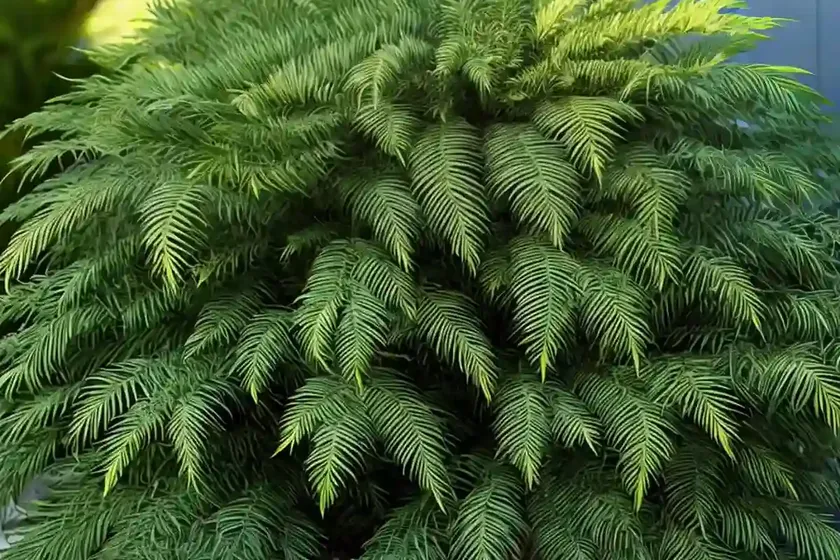
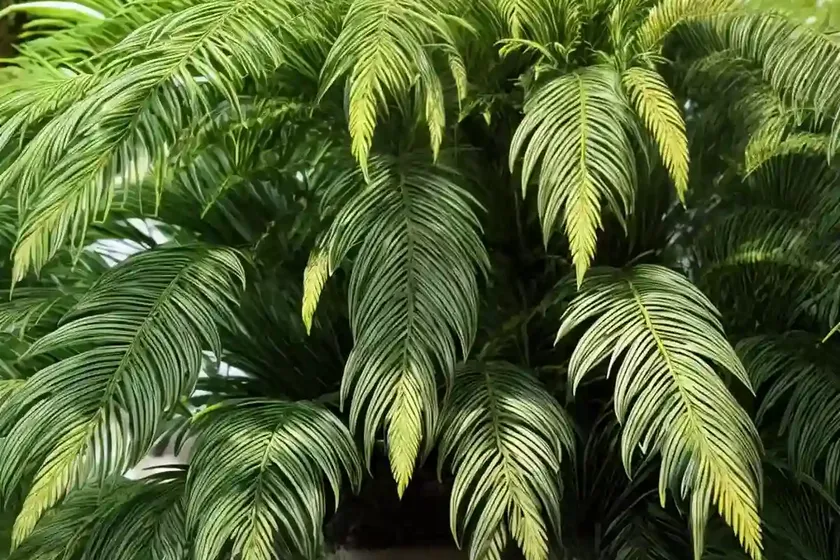
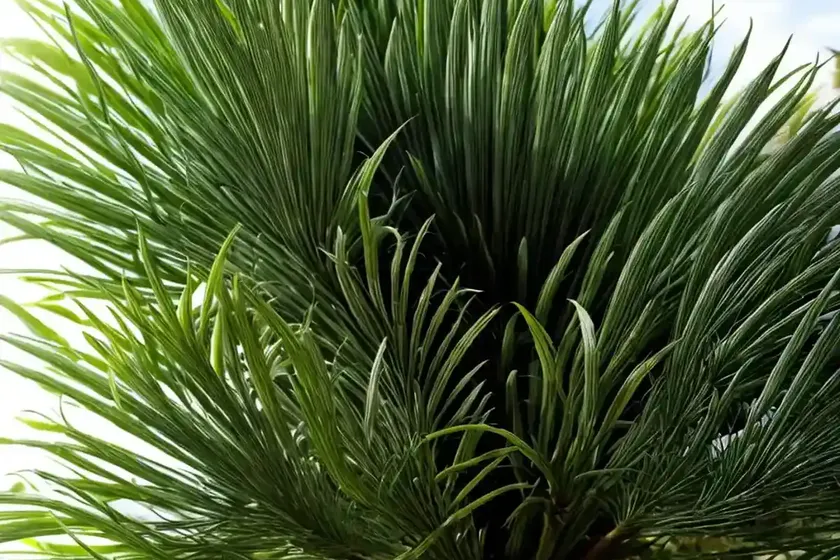
The Wollemi pine, scientifically known as Wollemia nobilis, stands as one of the most extraordinary and intriguing plant species known to humankind. With its fascinating history, unique characteristics and extraordinary survival story, the Wollemi pine has captivated plant enthusiasts, botanists, and conservationists around the world. In this comprehensive guide, we will delve into the captivating world of the Wollemi pine, exploring its origins, cultivation, care requirements, and significance in the botanical realm. This guide aims to shed light on this remarkable species, offering valuable insights for anyone interested in the world of plant science or gardening.
What is the Wollemi Pine (Wollemia nobilis)?
The Wollemi pine, a species belonging to the ancient Araucariaceae family, is often described as a “living fossil” due to its unique evolutionary history. This rare and enigmatic conifer was known only through fossil records and was thought to have been extinct for millions of years. The discovery of living Wollemi pine trees in a remote and secluded valley within Wollemi National Park in New South Wales, Australia, in 1994, sent shockwaves throughout the scientific community and the world.
Key Takeaways
- The Wollemi pine is a rare and ancient conifer species, often referred to as a “living fossil.”
- It was thought to be extinct until its rediscovery in 1994 in a remote valley in Australia.
- The discovery of the living Wollemi pine trees was a significant botanical event, sparking global interest and conservation efforts.
- The species has unique cultural, historical, and conservation significance, making it a valuable addition to botanical collections and gardens worldwide.
Culture
The cultivation of the Wollemi pine presents a unique opportunity for individuals, botanical gardens, and conservation organizations to connect with an extraordinary piece of botanical history. Before delving into the specific care requirements of the Wollemi pine, it is essential to understand its cultural, historical, and conservation significance.
Uses
The Wollemi pine serves as a symbol of hope, resilience, and conservation. Its discovery and subsequent propagation have contributed to raising awareness about the importance of plant conservation and the significance of preserving biodiversity. In addition to its cultural and historical value, the Wollemi pine is also cultivated for its aesthetic appeal and as a representation of ancient plant life.
Water
The water requirements of the Wollemi pine are crucial for its health and longevity. As a species that has survived for millions of years, it has adapted to diverse environmental conditions, including periods of drought. However, to ensure optimal growth and health, it is important to provide consistent and sufficient water, especially during the establishment phase and dry periods.
Sunlight
The Wollemi pine thrives in a position that receives dappled or partial sunlight. In its natural habitat, the species is often found growing in sheltered, lightly shaded areas, under the canopy of larger trees. When cultivating the Wollemi pine, it is essential to mimic these light conditions by providing protection from intense, direct sunlight and ensuring a balance between light and shade.
Fertilizer
As a slow-growing and ancient species, the Wollemi pine has minimal fertilizer requirements. Excessive fertilization may lead to adverse effects on its growth and overall health. When fertilization is necessary, it is advisable to use a balanced, slow-release fertilizer and to apply it sparingly during the growing season.
Soil
The Wollemi pine thrives in well-draining, slightly acidic soils enriched with organic matter. It is important to avoid waterlogged or compacted soil, as this can lead to root rot and other issues. A sandy loam or loamy soil with good drainage properties is well-suited for cultivating the Wollemi pine.
Pruning
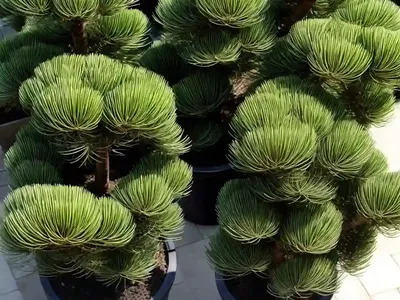
Pruning the Wollemi pine should be approached with care and minimal intervention. The species possesses a unique and visually appealing structure, with its distinctive “bubbly” bark and dark green foliage. Any pruning or shaping should aim to preserve the natural form and aesthetic appeal of the tree, while also ensuring good air circulation and removing any dead or damaged branches.
Propagation
The propagation of the Wollemi pine is a delicate and meticulous process due to its rarity and conservation status. While traditionally propagated through seeds, efforts to propagate the species have also involved tissue culture and cutting propagation techniques. Conservation organizations and botanical institutions have played a crucial role in propagating the Wollemi pine to ensure its long-term survival.
Container Popularity
The Wollemi pine has gained popularity as a container plant, particularly in urban and limited-space environments. Its unique appearance and historical significance make it a desirable addition to container gardens, patios, and indoor plant collections. When cultivating the Wollemi pine in containers, it is essential to provide ample space for its roots to grow and to ensure proper drainage and soil conditions.
Common Diseases and Pests
As an ancient and resilient species, the Wollemi pine exhibits good resistance to many common diseases and pests. However, it is still susceptible to certain issues that can impact its health and vigor.
Common Diseases
Diseases that may affect the Wollemi pine include fungal infections, root rot, and needle blight. Maintaining good cultural practices, including proper watering, air circulation, and soil conditions, is essential for preventing disease issues. Early detection and prompt treatment are crucial in managing and mitigating the impact of diseases on the Wollemi pine.
Common Pests
While relatively resilient to pests, the Wollemi pine may occasionally encounter pests such as scale insects, aphids, and spider mites. Regular monitoring of the tree’s foliage and bark, along with proactive pest management measures, can help prevent and address pest infestations effectively.
Botanist’s Tips
Cultivating and caring for the Wollemi pine presents a rewarding and educational experience for plant enthusiasts, gardeners, and botanists. Here are a few expert tips to maximize the success of growing and maintaining Wollemia nobilis:
Fun Facts
- The Wollemi pine is often referred to as a “living fossil” due to its ancient lineage and unique evolutionary history.
- Its discovery in 1994 was hailed as one of the most significant botanical findings of the 20th century.
- The species is named after the Wollemi National Park, where the living trees were initially found.
- The propagation and distribution of the Wollemi pine have contributed to its conservation and the preservation of its genetic diversity.
Links to External Resources
For additional information, care guides, and resources on the Wollemi pine, consider exploring the following links:
- The Wollemi Pine – Royal Botanic Garden Sydney
- Wollemi Pine – Kew Gardens
- Wollemi Pine Conservation Program – Botanic Gardens Conservation International
- Wollemi Pine Discovery – Australian Geographic
In conclusion, the Wollemi pine stands as a testament to the resilience, adaptability, and enduring beauty of plant life. Cultivating and caring for this ancient species provides a unique opportunity to connect with botanical history and contribute to its conservation and preservation. As we continue to unravel the mysteries of the Wollemi pine and safeguard its future, we are reminded of the interconnectedness of all living organisms and the importance of protecting our natural world.
By embracing the remarkable story of the Wollemi pine and understanding its care requirements, we can nurture a deeper appreciation for the diversity and wonders of the plant kingdom. Whether as a symbol of ancient heritage, a living artifact of Earth’s history, or simply a striking addition to our natural landscapes, the Wollemi pine continues to inspire and captivate all who encounter its enigmatic presence.
Remember, the journey of tending to the Wollemi pine is not merely a botanical endeavor but a profound and enriching experience that fosters a sense of stewardship and reverence for the natural world.
Let us continue to cherish and safeguard the extraordinary legacy of the Wollemi pine, ensuring that its enduring presence continues to inspire and evoke wonder for generations to come.
As a plant scientist, I thoroughly enjoyed delving into the captivating world of the Wollemi pine. The richness of its history, its unique characteristics, and its conservation significance make it a fascinating subject of study and admiration. If you have any further questions or need assistance with botanical insights, feel free to reach out.