Araucaria Columnaris (New Caledonian Pine)
Araucaria columnaris, commonly known as the New Caledonian Pine, is a magnificent evergreen tree that has captured the interest of plant enthusiasts and.
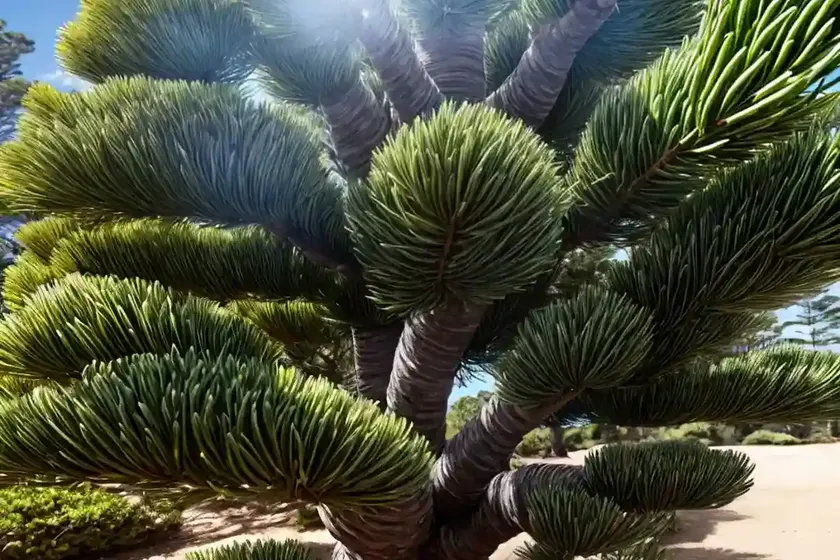
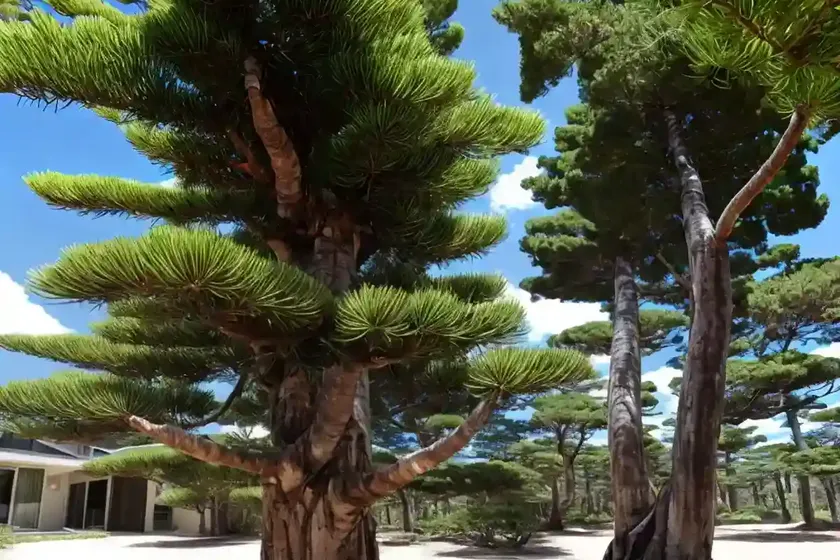
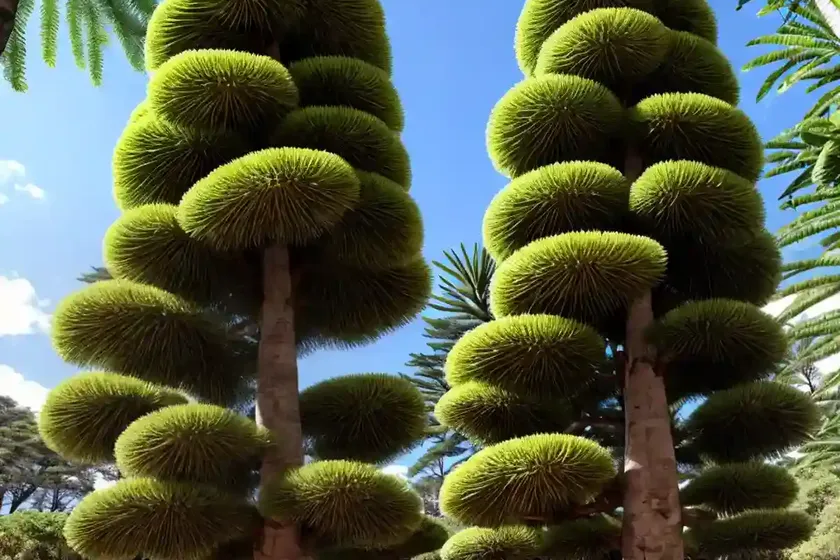
Araucaria columnaris, commonly known as the New Caledonian Pine, is a magnificent evergreen tree that has captured the interest of plant enthusiasts and botanists alike. With its striking appearance and unique growth characteristics, Araucaria columnaris is a species that stands out in any landscape. In this comprehensive guide, we will delve into the various aspects of this remarkable tree, including its cultural requirements, uses, propagation methods, common pests and diseases, and much more.
What is Araucaria Columnaris?
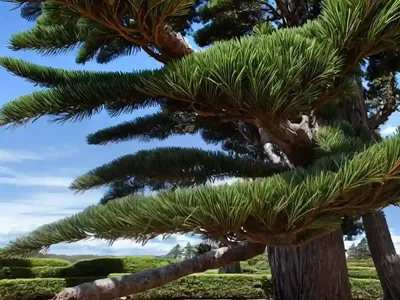
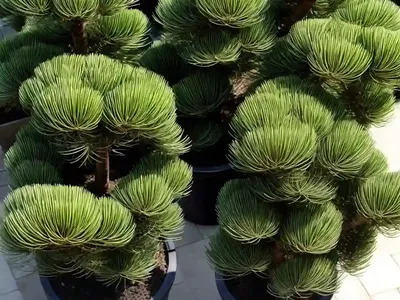
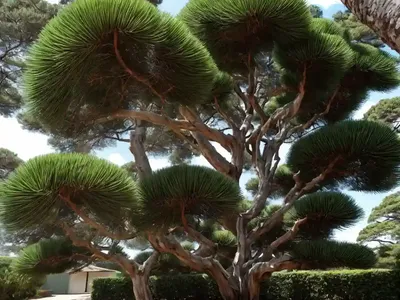
Araucaria columnaris, belonging to the Araucariaceae family, is a distinctive coniferous tree native to New Caledonia, a group of islands in the southwest Pacific Ocean. It is renowned for its symmetrical, narrow-pyramidal form and densely arranged branches that give it a striking architectural presence. The tree can grow to impressive heights, often reaching up to 60 meters in its natural habitat.
Growth Characteristics of Araucaria Columnaris
Araucaria columnaris exhibits several unique growth characteristics that set it apart from other coniferous trees. Some of these distinctive features include:
- Symmetrical and narrow-pyramidal growth habit
- Densely arranged, spirally-arranged branches
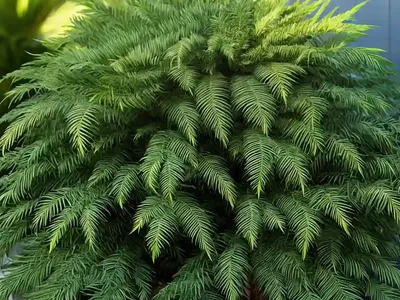
- Thick, scale-like foliage
- Large, cylindrical cones
The tree’s growth rate is moderate, and under optimal conditions, it can attain impressive heights within a relatively short period.
Key Takeaways – Araucaria columnaris (New Caledonian Pine)
Before delving into the specific cultural requirements and care tips for Araucaria columnaris, it is essential to highlight some key takeaways about this remarkable tree. These key points will provide a foundational understanding of the tree’s characteristics and uses.
New Caledonian Pine Facts
- Native to the islands of New Caledonia in the southwest Pacific Ocean
- Belongs to the Araucariaceae family
- Known for its narrow-pyramidal form and densely arranged branches
- Commonly referred to as the Columnar Araucaria or Cook Pine
Araucaria columnaris Care Tips
- Requires well-draining soil with good moisture retention
- Thrives in full sun but can tolerate partial shade
- Sensitive to waterlogged conditions
- Moderate feeding with balanced fertilizer during the growing season
Araucaria columnaris Size and Height
- Can reach towering heights of up to 60 meters in its natural habitat
- Typically slower-growing in cultivation, reaching smaller heights in home landscapes
Araucaria columnaris Cultivation
- Suited for tropical and subtropical regions
- Requires protection from frost and freezing temperatures
- Well-suited for coastal landscapes due to its tolerance to salt spray
Now, let’s delve into the specific cultural requirements for successfully growing and maintaining Araucaria columnaris.
Cultivation
Cultivating Araucaria columnaris requires a nuanced understanding of its environmental preferences, including water, sunlight, fertilizer, soil, and other essential factors. By meeting the tree’s specific requirements, gardeners and landscape enthusiasts can ensure the optimal growth and health of this iconic conifer.
Water
Proper watering is essential for the health and vigor of Araucaria columnaris. While the tree appreciates moist soil, it is crucial to avoid waterlogged conditions, as excessive moisture can lead to root rot and other issues.
- Watering Needs:
- Requires regular, deep watering, especially during dry periods
- Ensure adequate drainage to prevent water stagnation around the roots
- Water when the top inch of soil feels dry to the touch
Sunlight
Araucaria columnaris thrives in bright, full sunlight, but it can also tolerate partial shade. Adequate exposure to sunlight is essential for the tree’s overall growth and development.
- Sunlight Requirements:
- Thrives in full sun to partial shade
- Prefers at least 6-8 hours of direct sunlight daily
- Benefits from some protection in extremely hot climates
Fertilizer
Appropriate fertilization is essential for promoting healthy growth and foliage development in Araucaria columnaris. A balanced fertilizer applied at the right time can significantly enhance the tree’s overall vigor.
- Fertilization Guidelines:
- Apply a balanced, slow-release fertilizer in spring and early summer
- Avoid excessive nitrogen, as it can lead to rapid but weak growth
- Consider organic alternatives for long-term soil health
Soil
The type and quality of the soil play a crucial role in the growth and sustenance of Araucaria columnaris. Well-draining, nutrient-rich soil with good moisture retention is essential for the tree’s overall health.
- Soil Requirements:
- Thrives in well-draining, slightly acidic to neutral soil (pH 5.5-6.5)
- Benefits from soil with good moisture retention
- Consider amending heavy clay soils with organic matter for improved drainage
Pruning
Pruning is an essential aspect of Araucaria columnaris maintenance, primarily focused on shaping the tree and removing any dead or damaged branches. Careful pruning can enhance the tree’s overall structure and appearance.
- Pruning Guidelines:
- Conduct minimal pruning to maintain the tree’s natural form
- Remove dead or damaged branches promptly
- Avoid excessive or aggressive pruning, as it can impact the tree’s growth
Propagation
Araucaria columnaris can be propagated through various methods, including seeds and cuttings. Each propagation method has its unique requirements and challenges, and selecting the appropriate approach is crucial for successful propagation.
- Propagation Methods:
- Seed Propagation:
- Collect mature cones and extract the seeds
- Sow the seeds in a well-draining propagation mix
- Maintain consistent moisture and warmth for optimal germination
- Cutting Propagation:
- Take semi-hardwood cuttings during the growing season
- Dip cuttings in rooting hormone and plant in a well-draining medium
- Provide warmth and consistent moisture to encourage root development
Uses
Araucaria columnaris is valued for its ornamental and utilitarian uses, making it a versatile tree that lends itself to various applications in landscaping, timber production, and more.
Ornamental Uses
- Adorns landscapes with its striking form and foliage
- Suitable for parks, gardens, and large estates
- Adds a tropical or exotic element to the landscape
Timber Production
- Valued for its high-quality wood
- Utilized in construction, furniture making, and other woodworking applications
- Known for its strength, durability, and attractive grain
Landscape Design
- Adds vertical interest to landscape compositions
- Serves as a focal point in architectural and tropical-themed gardens
- Blends well with other tropical and subtropical plants
Araucaria columnaris is a versatile tree that offers both aesthetic and practical benefits, making it a sought-after species for various landscaping and commercial applications.
Common Diseases
While Araucaria columnaris is generally resistant to many pests and diseases, it can be susceptible to certain issues under specific environmental conditions. Understanding and identifying common diseases is essential for implementing timely and effective measures to protect the tree’s health.
Disease Diagnosis
- Root Rot:
- Caused by waterlogged soil and poor drainage
- Symptoms include wilting, yellowing foliage, and overall decline
-
Implement proper watering and drainage practices to prevent root rot
-
Needle Blight:
- Fungal disease affecting the foliage
- Presents as browning or blackening of needles
-
Prune affected branches and promote good air circulation to reduce the spread of the disease
-
Canker Diseases:
- Result in sunken lesions on branches and trunk
- Maintain tree vigor through proper cultural practices to minimize susceptibility
Vigilance, proper cultural practices, and prompt intervention are crucial for preventing and managing common diseases in Araucaria columnaris.
Common Pests
Araucaria columnaris is relatively resistant to pests, but it can occasionally face infestations from certain insects. Identifying and addressing pest issues in a timely manner is vital for preserving the tree’s health and vitality.
Common Pests
- Scale Insects:
- Sap-feeding insects that can weaken the tree
- Manage infestations through horticultural oil or insecticidal soap applications
-
Promote natural predators, such as ladybugs, for biological control
-
Conifer Mites:
- Tiny arachnids that feed on the foliage
- Prune and dispose of heavily infested branches
- Consider introducing predatory mites for biological control
Botanist’s Tips
As a botanist, I have had the privilege of studying and observing the fascinating Araucaria columnaris in its natural habitat and cultivated landscapes. Based on my experiences and observations, here are some valuable tips for enthusiasts and horticulturists looking to cultivate and appreciate this iconic tree:
- Environmental Adaptability:
-
Araucaria columnaris can thrive in a range of environmental conditions, but it excels in well-drained, slightly acidic to neutral soil with good moisture retention.
-
Moderate Pruning:
-
Limit pruning to essential maintenance tasks, such as removing dead or damaged branches, to preserve the tree’s natural form and vigor.
-
Consistent Watering:
-
Establish a regular watering schedule to ensure adequate moisture without creating waterlogged conditions, especially during the tree’s establishment phase.
-
Protect from Frost:
-
In regions prone to frost or freezing temperatures, provide adequate protection, such as shelter or frost cloth, to shield the tree from cold damage.
-
Propagate with Care:
- When propagating Araucaria columnaris, pay close attention to the unique requirements of each method, whether it’s seed propagation or cutting propagation.
Fun Facts
To appreciate the allure and distinct characteristics of Araucaria columnaris, consider these intriguing and delightful fun facts about this remarkable pine tree:
- Araucaria columnaris is often referred to as the “living Christmas tree” due to its striking resemblance to traditional holiday tree shapes.
- The tree’s impressive height and unique form make it a coveted addition to botanical gardens and arboretums around the world.
- Araucaria columnaris has been celebrated in indigenous cultures for its symbolic significance and practical uses, such as providing timber and edible seeds.
Links to External Resources
For further exploration and information on Araucaria columnaris, I recommend visiting the following resources:
-
Royal Botanic Gardens, Kew – Araucaria columnaris – A comprehensive resource offering botanical insights and conservation efforts related to Araucaria columnaris.
-
Araucaria columnaris – New Caledonian Pine – The IUCN Red List provides detailed information on the conservation status and habitat of Araucaria columnaris.
-
Gardening Australia – Araucaria columnaris – A practical guide to growing and caring for Araucaria columnaris in home landscapes.
-
UC Cooperative Extension – Plant Pest Diagnostics – A valuable resource for diagnosing and managing pests and diseases that may affect Araucaria columnaris.
In conclusion, Araucaria columnaris, the New Caledonian Pine, stands as a captivating and versatile tree with distinctive characteristics and valuable uses. Whether adorning landscapes or contributing to timber production, this iconic conifer holds a place of significance in the world of horticulture and conservation. By understanding its cultural requirements, embracing its ornamental beauty, and acknowledging its ecological importance, we can continue to celebrate and preserve the legacy of Araucaria columnaris for generations to come.
Keywords: New Caledonian Pine tree, Araucaria columnaris description, Growth characteristics of Araucaria columnaris, New Caledonian Pine facts, Araucaria columnaris care tips, Planting Araucaria columnaris, Araucaria columnaris size and height, Araucaria columnaris cultivation, New Caledonian Pine species, Araucaria columnaris habitat, Araucaria columnaris uses, Araucaria columnaris maintenance, New Caledonian Pine features, Araucaria columnaris ornamental tree, Araucaria columnaris native region, New Caledonian Pine benefits, How to identify Araucaria columnaris, Araucaria columnaris in landscaping, New Caledonian Pine seedlings, Araucaria columnaris diseases, Araucaria columnaris environmental requirements, New Caledonian Pine plantation, Araucaria columnaris growth rate, Propagation of Araucaria columnaris, Araucaria columnaris evergreen tree, New Caledonian Pine pruning, Araucaria columnaris bark texture, Araucaria columnaris wildlife habitat, New Caledonian Pine timber, Araucaria columnaris landscape design, Araucaria columnaris soil requirements, New Caledonian Pine climate preferences, Araucaria columnaris leaf characteristics, Araucaria columnaris water needs, New Caledonian Pine pest control, Araucaria columnaris wood properties, Araucaria columnaris seasonal changes, New Caledonian Pine shade tolerance, Araucaria columnaris winter care, Araucaria columnaris propagation methods, New Caledonian Pine endangered status, Araucaria columnaris leaf shedding, Araucaria columnaris sun exposure, New Caledonian Pine wind tolerance, Araucaria columnaris root system, Araucaria columnaris cone production, New Caledonian Pine soil pH requirements, Araucaria columnaris container gardening, Araucaria columnaris landscape uses, New Caledonian Pine grown as bonsai.