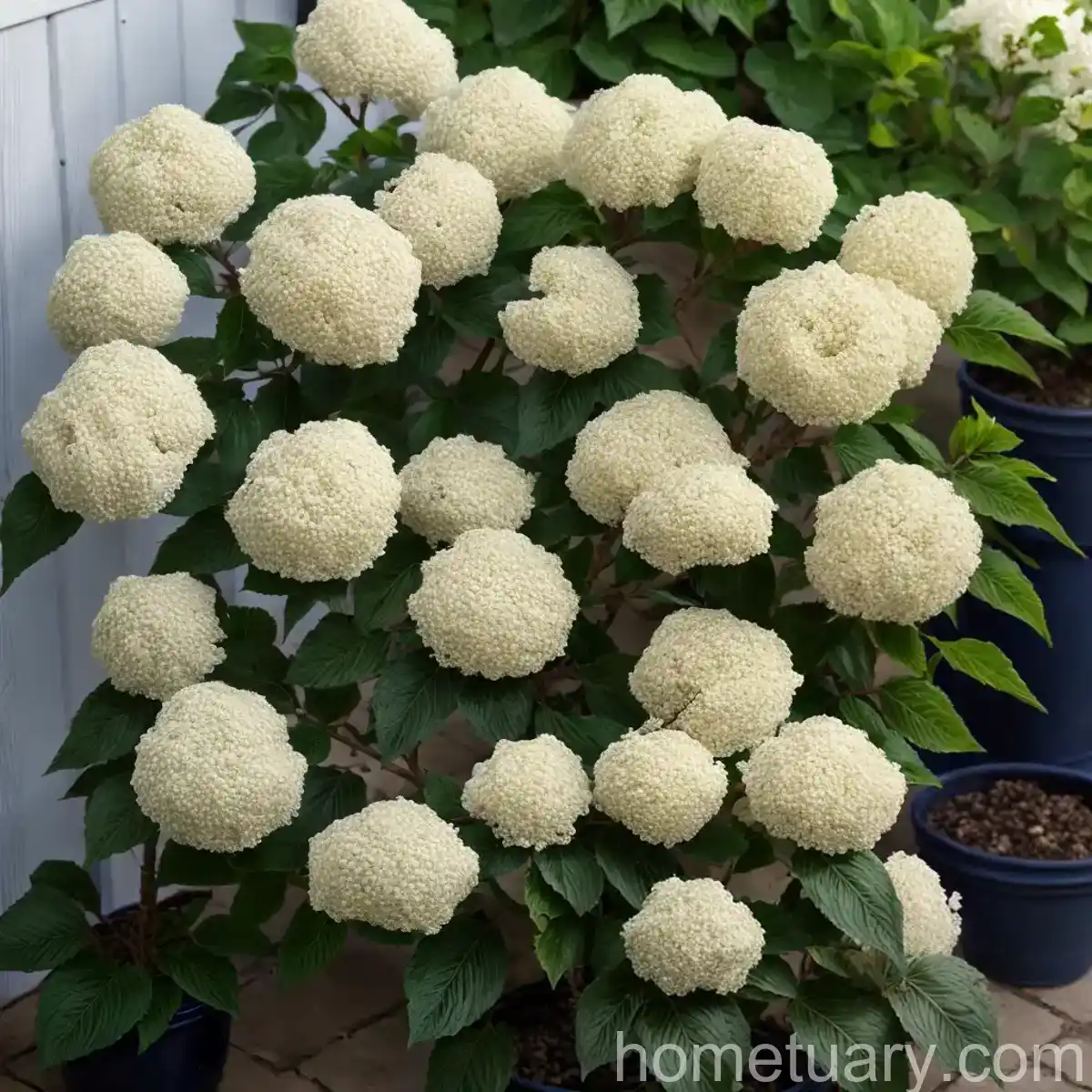
Witherod Viburnum (Viburnum cassinoides): A Comprehensive Guide
What is Witherod Viburnum (Viburnum cassinoides)?
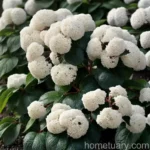
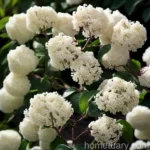
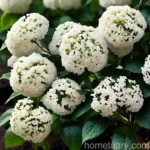
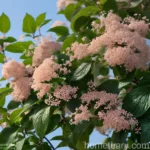
Witherod viburnum, scientifically known as Viburnum cassinoides, is a deciduous shrub native to North America. Also commonly referred to as the northern wild raisin, this plant belongs to the Adoxaceae family. The species name “cassinoides” refers to its resemblance to the Cassin’s grape. The name “witherod” is derived from the Old English word “wyther” meaning a flexible twig and “rod” meaning a shoot, collectively referring to the pliable young stems.
This beautiful and versatile shrub is valued for its ornamental features, wildlife benefits, and versatility in landscaping. It is a popular choice for gardens, naturalized landscapes, and native plantings due to its adaptability and low maintenance requirements.
In this comprehensive guide, we will delve into the various aspects of caring for and cultivating witherod viburnum. From its cultural needs to common diseases and pests, this article aims to provide plant enthusiasts and gardeners with all the essential information required to grow and appreciate this native shrub.
Key Takeaways – Witherod Viburnum (Viburnum cassinoides)
Before delving into the specifics of caring for witherod viburnum, let’s highlight some key takeaways:
- Botanical Name: Viburnum cassinoides
- Common Names: Witherod viburnum, northern wild raisin
- Type: Deciduous shrub
- Native Range: North America
- Family: Adoxaceae
- Notable Features: Ornamental foliage, flowers, and berries; wildlife value; low maintenance
- Cultural Uses: Landscaping, wildlife gardens, naturalized settings
- Ideal Growing Conditions: Well-draining soil, partial shade to full sun exposure, moderate moisture levels
Now that we have a brief overview of witherod viburnum, let’s dive deeper into its cultural requirements, uses, and maintenance needs.
Culture
Uses
Witherod viburnum, with its abundance of ornamental features and ecological value, serves various purposes in both natural and cultivated settings. Its primary uses include:
-
Landscaping: Witherod viburnum is extensively used in landscaping for its attractive appearance, seasonal interest, and adaptability to different soil and light conditions.
-
Wildlife Gardens: The shrub’s flowers and berries attract pollinators and birds, making it a valuable addition to wildlife-friendly gardens.
-
Naturalized Settings: Due to its ability to thrive in naturalized landscapes, witherod viburnum is often used in reforestation and ecological restoration projects.
Water
When it comes to watering witherod viburnum, it is essential to maintain moderate soil moisture, especially during its establishment phase. Once established, the shrub exhibits good drought tolerance, although regular watering during prolonged dry spells can promote healthier growth and flower and berry production.
Sunlight
Witherod viburnum is adaptable to various light conditions, including partial shade to full sun. While it can thrive in full sun, providing some shade during the hottest part of the day can help prevent stress and maintain the plant’s vitality.
Fertilizer
The fertilizer needs of witherod viburnum are relatively low, especially when grown in nutrient-rich soils. However, applying a balanced, slow-release fertilizer in early spring can support healthy growth and flower formation. It is important to avoid excessive fertilization, which can lead to vegetative overgrowth at the expense of flowering.
Soil
This species thrives in moist, well-draining soils. While it can tolerate a wide range of soil types, including loamy and sandy soils, providing adequate drainage is crucial to prevent waterlogged conditions, which can lead to root rot. Additionally, maintaining a slightly acidic to neutral soil pH (pH 5.5 to 7.5) is ideal for optimal growth.
Pruning
Pruning witherod viburnum is essential to maintain its shape, promote air circulation, and remove any damaged or diseased branches. Late winter or early spring, before the onset of new growth, is the best time for pruning. Light pruning can also be performed after the shrub has finished flowering to shape its growth and encourage dense foliage.
Propagation
Witherod viburnum can be propagated through various methods, including:
-
Softwood Cuttings: Softwood cuttings taken in early summer and rooted under controlled conditions can result in new plants.
-
Seeds: Collecting seeds from ripe berries and germinating them in a suitable growing medium can also yield new plants.
-
Layering: Air layering or simple soil layering techniques can be employed to encourage root formation on a stem while it is still attached to the parent plant.
Container Popularity
Due to its moderate size and adaptability, witherod viburnum is well-suited for container gardening. It can thrive in large containers with adequate drainage and can be an excellent choice for urban or small-space gardens.
Common Diseases
Disease Diagnosis
Witherod viburnum can be susceptible to certain diseases, including:
-
Powdery Mildew: This fungal disease manifests as a powdery white coating on the leaves, often affecting plant vigor and aesthetics.
-
Leaf Spot: Fungal leaf spot diseases can cause unsightly blemishes on the foliage, leading to leaf drop and reduced plant health.
-
Anthracnose: This fungal disease can result in leaf and stem lesions, potentially impacting the overall growth and vigor of the shrub.
Diagnosing these diseases involves careful observation of the symptoms and, in some cases, professional laboratory analysis to accurately identify the causal pathogens.
Common Pests
Botanist’s Tips
In addition to potential diseases, witherod viburnum can also encounter pest issues, such as:
-
Aphids: These small, sap-sucking insects can congregate on the tender new growth, leading to distorted leaves and reduced plant vigor.
-
Scale Insects: Scale insects can infest the branches and stems of witherod viburnum, causing yellowing of foliage and weakened growth.
-
Spider Mites: These arachnids can cause stippling and fine webbing on the leaves, impacting the shrub’s overall appearance and health.
Implementing integrated pest management strategies, including regular monitoring and the use of beneficial predators, can help address pest issues in a sustainable manner.
Fun Facts
-
The berries of witherod viburnum are an essential food source for wildlife, including birds and small mammals, making it a valuable plant for supporting local ecosystems.
-
Witherod viburnum can display vibrant fall foliage, showcasing shades of red, purple, and burgundy as the temperatures cool down.
-
Some cultivars of witherod viburnum exhibit compact growth habits, making them suitable for smaller gardens and landscape spaces.
Links to External Resources
To further expand your knowledge and understanding of witherod viburnum, consider exploring the following resources:
- Native Plant Database: Witherod Viburnum
- Growing Viburnums
- Wildlife Value of Native Plants
- Fungi and Diseases in Woody Plants
- Integrated Pest Management for Home Gardeners
In conclusion, witherod viburnum (Viburnum cassinoides) stands as a captivating and ecologically valuable shrub that holds great appeal for gardeners and nature enthusiasts alike. Its graceful appearance, low maintenance needs, and contributions to local ecosystems make it a plant of significant merit, deserving a place in a wide range of landscapes. By understanding and attending to its cultural requirements, identifying and addressing potential challenges, and appreciating its unique attributes, we can fully embrace the beauty and benefits of witherod viburnum in our gardens and outdoor spaces.
Remember to enjoy the journey of nurturing and observing this remarkable species, and share the wonder of witherod viburnum with others who appreciate the marvels of the natural world.
Happy gardening with witherod viburnum!