Rusty Blackhaw Viburnum (Viburnum rufidulum): A Complete Guide
Rusty Blackhaw Viburnum (Viburnum rufidulum) is an intriguing and versatile plant that offers not only visual appeal but also various environmental and cultural benefits. In this comprehensive guide, we will delve into the characteristics, culture, uses, and maintenance of this remarkable plant. From discussing its growth habits to exploring its habitat requirements and potential diseases and pests that may affect it, this guide aims to equip enthusiasts and horticulturists with the knowledge they need to cultivate and appreciate the Rusty Blackhaw Viburnum.
What is Rusty Blackhaw Viburnum (Viburnum rufidulum)?
Rusty Blackhaw Viburnum, scientifically known as Viburnum rufidulum, is a deciduous shrub or small tree belonging to the Adoxaceae family. Native to the southern and southeastern regions of the United States, including Texas, Oklahoma, and Florida, this plant is a prominent feature of woodlands, stream banks, and limestone slopes. It thrives in a variety of environmental conditions and can make a valuable addition to both natural and cultivated landscapes.
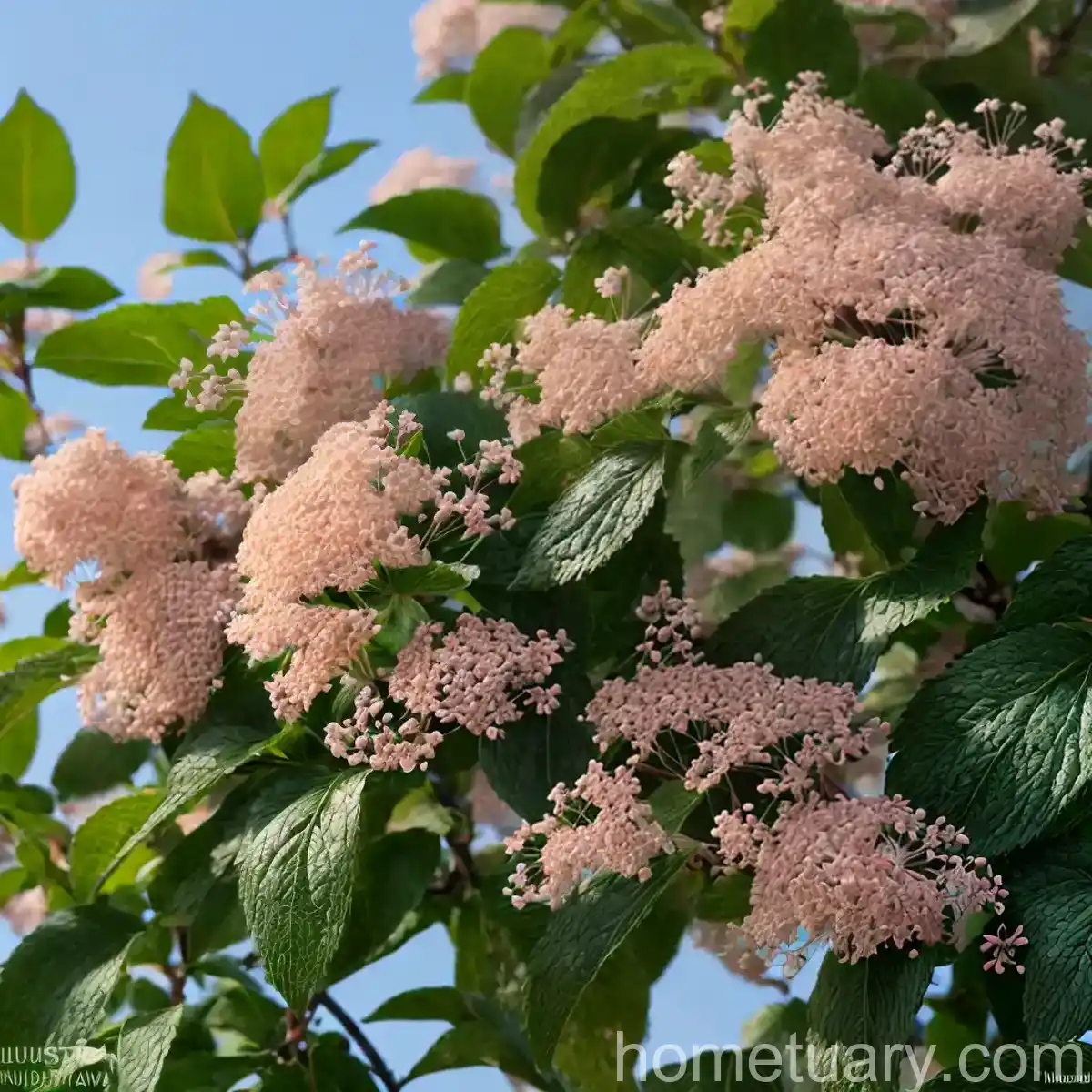
Rusty Blackhaw Viburnum is characterized by its attractive foliage, vibrant flowers, and abundant berries, making it a desirable choice for ornamental and ecological purposes. Its alluring visual appeal and diverse uses have garnered attention from horticulturists, conservationists, and gardeners alike.
Key Takeaways
Rusty Blackhaw Viburnum (Viburnum rufidulum)
- Scientific Name: Viburnum rufidulum
- Family: Adoxaceae
- Common Names: Rusty Blackhaw, Southern Blackhaw
- Type: Deciduous shrub or small tree
- Native Range: Southern and southeastern United States
- Habitat: Woodlands, stream banks, limestone slopes
- Characteristics: Attractive foliage, vibrant flowers, abundant berries
Culture
Cultivating Rusty Blackhaw Viburnum involves understanding its specific cultural requirements to ensure its optimal growth and development. Let’s explore the key cultural considerations for this plant.
Uses
Rusty Blackhaw Viburnum can serve a variety of purposes, ranging from ornamental landscaping to ecological conservation. Some of its common uses include:
- Ornamental Planting: The plant’s attractive foliage, fragrant flowers, and abundant berries make it a popular choice for landscaping and garden design.
- Wildlife Habitat: The fruits of Rusty Blackhaw Viburnum are an important food source for various wildlife species, including birds and small mammals.
- Erosion Control: Its extensive root system makes it effective in stabilizing soil and preventing erosion in natural settings.
- Medicinal Properties: Certain traditional medicinal practices utilize parts of the plant for their potential therapeutic properties.
Water
Providing adequate water is essential for the healthy growth and vigor of Rusty Blackhaw Viburnum. While the plant is moderately drought-tolerant once established, consistent moisture is beneficial, especially during periods of active growth and flowering. When cultivating the plant, consider the following watering guidelines:
- Establishment Phase: Newly planted Rusty Blackhaw Viburnum should receive regular watering to aid in establishment and root development.
- Mature Plants: Once established, the plant may require supplemental watering during prolonged dry spells or in periods of high heat.
Sunlight
Rusty Blackhaw Viburnum exhibits adaptability to a range of light conditions, making it suitable for various environmental settings. When considering its sunlight requirements:
- Full Sun: The plant thrives in full sun exposure, contributing to abundant flowering and fruiting.
- Partial Shade: It also tolerates partial shade, making it suitable for woodland and understory planting.
Fertilizer
Fertilization plays a crucial role in promoting the growth and overall health of Rusty Blackhaw Viburnum. The following fertilizer tips can guide you in providing the appropriate nourishment for the plant:
- Fertilizer Type: Use a balanced, slow-release fertilizer specifically formulated for shrubs and trees.
- Application Timing: Apply fertilizer during the plant’s active growing season, generally in early spring or late winter before new growth begins.
Soil
Understanding the soil preferences of Rusty Blackhaw Viburnum is essential for successful cultivation. The plant thrives in well-drained soils with the following characteristics:
- pH Level: Neutral to slightly acidic soil (pH 6.0-7.5) is ideal for optimal growth.
- Texture: Rich, loamy soils with good organic content support the plant’s development and performance.
Pruning
Pruning is a fundamental aspect of maintaining the shape, health, and vigor of Rusty Blackhaw Viburnum. Proper pruning practices include:
- Timing: Prune the plant during its dormant season, typically in late winter or early spring before new growth emerges.
- Techniques: Remove dead, damaged, or overgrown branches to promote airflow and overall plant health. Additionally, selectively shaping the plant can enhance its aesthetic appeal.
Propagation
The propagation of Rusty Blackhaw Viburnum allows for the expansion of its presence in both natural and cultivated environments. Propagation methods commonly utilized for the plant include:
- Seed Propagation: Collect and sow ripe berries to grow new plants from seed, allowing for genetic diversity.
- Cutting Propagation: Take softwood or hardwood cuttings to propagate genetically identical clones of the parent plant.
Container Popularity
While Rusty Blackhaw Viburnum is often planted directly in the ground, it can also thrive when cultivated in containers. This presents an opportunity for urban and space-limited gardeners to enjoy the plant’s beauty on patios, balconies, and small gardens. The container cultivation of Rusty Blackhaw Viburnum offers the following advantages:
- Space Efficiency: Ideal for gardens with limited space or urban settings where planting in the ground may be challenging.
- Mobility: Allows for easy repositioning and relocation of the plant to optimize light exposure and aesthetic arrangements.
- Aesthetics: Creates an attractive focal point or accent in outdoor living spaces, contributing to visual appeal and seasonal interest.
Common Diseases
While Rusty Blackhaw Viburnum is known for its resilience, it is not immune to certain diseases that may affect its growth and vitality. Understanding these potential ailments can aid in timely prevention and management.
Disease Diagnosis
Some of the common diseases that may affect Rusty Blackhaw Viburnum include:
- Powdery Mildew: Identified by the appearance of white, powdery patches on the leaves, this fungal disease can impact the plant’s aesthetic value and overall vigor. It is prevalent in humid and poorly ventilated conditions.
- Leaf Spot: Fungal leaf spot diseases can cause dark, irregular spots or lesions on the foliage, leading to diminished plant health and appearance.
Common Pests
Despite its natural resistance to pests, Rusty Blackhaw Viburnum may occasionally encounter certain insect nuisances. Being aware of these potential pests enables timely intervention and protection of the plant.
Botanist’s Tips
For enthusiasts and horticulturists looking to optimize the care and cultivation of Rusty Blackhaw Viburnum, the following tips can be valuable:
- Natural Mulching: Apply a layer of organic mulch around the base of the plant to conserve moisture, regulate soil temperature, and suppress weed growth.
- Seasonal Maintenance: Regularly inspect the plant for any signs of disease, pests, or mechanical damage, and address any issues promptly.
Fun Facts
To further appreciate the wonder of Rusty Blackhaw Viburnum, consider these intriguing facts about the plant:
- The berries of the Rusty Blackhaw Viburnum are a valuable food source for various bird species, contributing to the ecological importance of the plant.
- Some traditional uses of Rusty Blackhaw Viburnum in herbal medicine involve the utilization of its bark and roots for potential therapeutic benefits.
Links to External Resources
For additional information and insights on Rusty Blackhaw Viburnum, consider exploring the following resources:
- University of Florida IFAS Extension: Viburnum rufidulum
- Lady Bird Johnson Wildflower Center: Viburnum rufidulum
- Texas A&M AgriLife Extension: Rusty Blackhaw
- North Carolina State Extension: Viburnum rufidulum Plant Guide
In this extensive guide, we have delved into the captivating world of Rusty Blackhaw Viburnum, exploring its diverse cultural uses, environmental adaptations, and key maintenance considerations. Whether you are a seasoned horticulturist, a nature enthusiast, or an avid gardener, the unique qualities and benefits of this remarkable plant make it a valuable addition to any landscape. Remember to always refer to local and reliable sources for region-specific guidelines on the cultivation and care of Rusty Blackhaw Viburnum, and embrace the beauty and ecological significance of this fascinating plant.