Plant Profile: Witch Hazel (Hamamelis x intermedia ‘Sarah’)
Witch hazel (Hamamelis x intermedia ‘Sarah’) is a captivating shrub that belongs to the Hamamelidaceae family, known for its unique winter blooms and aromatic fragrance. This plant has a rich history of medicinal and skincare uses, making it a valuable addition to any garden. In this comprehensive guide, we will delve into the diverse aspects of witch hazel, including its cultural requirements, uses, and maintenance tips.
What is Witch Hazel?
Plant Description
Witch hazel (Hamamelis x intermedia ‘Sarah’) is a deciduous shrub renowned for its exquisite flowers, which adorn the bare branches from late fall to early spring. The botanical name “Hamamelis” is derived from the Greek words “hama” (at the same time) and “melon” (fruit), alluding to the plant’s unique ability to bear flowers and mature fruits simultaneously. The specific epithet “intermedia” denotes that this plant is a hybrid, resulting from a cross between two Hamamelis species.
Key Characteristics of Hamamelis x intermedia ‘Sarah’:
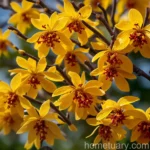
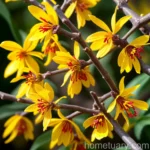
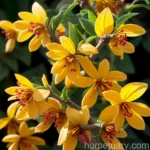
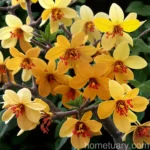
– Flowers: Witch hazel blooms feature delicate, ribbon-like petals in warm shades of yellow, orange, or red, adding a burst of color to the winter landscape.
– Leaves: The foliage of ‘Sarah’ is broad, oval-shaped, and alternately arranged along the stems. During the autumn season, the leaves transition to vibrant shades of yellow and orange before falling.
– Height: Typically reaching a mature height of 8 to 12 feet, this shrub forms an open, spreading habit, creating an elegant silhouette in the garden.
– Fragrance: The flowers emit a light, sweet fragrance, enhancing the sensory experience in the garden during the cooler months.
Key Takeaways – Witch Hazel (Hamamelis x intermedia ‘Sarah’)
Culture
Hardiness Zone: Witch hazel (Hamamelis x intermedia ‘Sarah’) thrives in USDA hardiness zones 5 to 8, indicating its preference for temperate to cool climates.
Growth Rate: This shrub grows at a moderate pace, adding approximately 6 to 12 inches in height per year under optimal conditions.
Lifespan: With proper care, witch hazel can live for several decades, enriching the garden with its graceful presence.
Uses
Medicinal: Witch hazel has a long-standing history of medicinal use, renowned for its astringent properties and various skincare applications.
Garden Ornament: The vibrant winter blooms and striking fall foliage make witch hazel an appealing choice for landscaping, particularly during the dormant season.
Aromatic Extracts: The plant’s flowers and bark are utilized in the production of distillates and essential oils, sought after for their captivating fragrance.
Water
Witch hazel exhibits a preference for moist, well-draining soils, necessitating regular watering, especially during periods of prolonged drought. However, it is crucial to avoid waterlogged conditions, as excessively wet soil can lead to root rot and other detrimental issues.
Watering Guidelines:
– Established Plants: Water deeply and infrequently, ensuring that the soil remains consistently moist but not waterlogged.
– Young Plants: Newly planted witch hazel shrubs require regular watering to support root establishment and mitigate transplant shock.
Hydration Tips:
– Mulching: Apply a 2 to 3-inch layer of organic mulch around the base of the shrub to conserve soil moisture and regulate temperature.
Sunlight
Witch hazel flourishes in partial to full sun exposure, thriving in locations that receive a minimum of 4 to 6 hours of direct sunlight daily. Adequate sun exposure is pivotal for promoting robust flowering and vibrant foliage coloration.
Light Requirements:
– Partial Sun: Witch hazel accommodates partial shade, particularly in regions with intense summer heat, where light dappled shade can shield the plant from excessive sun exposure during the hottest part of the day.
Optimal Placement:
– South-Facing Locations: Placing the shrub in a south-facing position capitalizes on the sun’s trajectory, maximizing exposure and enhancing blooming potential.
Fertilizer
While witch hazel is not considered a heavy feeder, periodic fertilization can bolster its overall vigor and flowering performance. A balanced, slow-release fertilizer formulated for woody plants can provide the necessary nutrients to sustain healthy growth.
Fertilization Guidelines:
– Timing: Apply fertilizer in early spring before new growth emerges, ensuring that the nutrients are readily available during the plant’s active growing season.
Application Method:
– Surface Application: Spread the fertilizer evenly around the drip line of the shrub, avoiding direct contact with the stem to prevent potential burning.
Soil
The ideal soil for witch hazel is loamy and rich in organic matter, conducive to moisture retention without compromising drainage. Additionally, a slightly acidic to neutral soil pH ranging from 5.5 to 6.5 is optimal for fostering the plant’s development.
Soil Composition:
– Organic Matter: Incorporating well-decomposed compost or leaf mold enhances soil structure and fertility, supporting the plant’s nutrient requirements.
Texture: A loamy soil texture strikes a balance between water retention and permeability, promoting robust root growth and overall plant health.
Pruning
Pruning plays a pivotal role in shaping the growth habit of witch hazel, ensuring an open, well-ventilated structure and promoting prolific flowering. Regular pruning also facilitates the removal of damaged or diseased branches, safeguarding the plant’s overall vitality.
Pruning Techniques:
– Timing: Conduct pruning activities immediately after the plant’s flowering period concludes, typically in late spring to early summer.
– Selective Trimming: Focus on removing crossing or congested branches to maintain a harmonious framework and encourage new growth.
Sanitization: Sterilize pruning tools with rubbing alcohol or a bleach solution before and after each use to prevent the transmission of diseases between plants.
Propagation
Witch hazel can be propagated through various methods, including seeds, cuttings, and layering. Each technique offers distinct advantages and is suitable for different skill levels and resources.
Propagation Methods:
– Seed Propagation: Sow fresh, viable seeds in a prepared seedbed in autumn, allowing them to undergo natural stratification during the winter months.
– Cutting Propagation: Take semi-hardwood cuttings in late spring, dip the cut ends in rooting hormone, and plant them in a well-draining medium to initiate root development.
– Layering: Encourage the formation of roots on the lower branches by securing them to the ground with a small incision and covering the wounded area with soil.
Container Popularity
Witch hazel exhibits excellent adaptability to container cultivation, making it a popular choice for gardeners with limited space or those seeking to showcase its ornamental attributes in prominent locations.
Benefits of Container Cultivation:
– Space Efficiency: Compact varieties of witch hazel thrive in containers, offering an opportunity to cultivate these beautiful shrubs in urban gardens, patios, and balconies.
– Aesthetic Flexibility: Containers allow for easy maneuverability, enabling gardeners to position the plants strategically and create captivating displays.
Container Selection: Opt for a spacious, well-draining container that accommodates the plant’s root system and provides ample room for growth.
Container Common Diseases
While container-grown witch hazel is generally less susceptible to soil-borne diseases, certain issues such as root rot and fungal infections can arise in unfavorable conditions.
Common Diseases in Container Cultivation:
– Root Rot: Overwatering or poor drainage can lead to root rot, characterized by wilting foliage and a foul odor emanating from the soil.
– Powdery Mildew: Humid environments and inadequate air circulation can foster the development of powdery mildew on the plant’s leaves, presenting as a powdery, white substance.
Preventive Measures:
– Well-Draining Soil: Utilize a high-quality potting mix specifically formulated for woody plants, promoting optimal drainage and aeration.
– Adequate Ventilation: Position the containers in locations with adequate airflow to discourage the onset of fungal diseases.
Disease Diagnosis
Detecting and diagnosing diseases in witch hazel is essential for implementing targeted management strategies and preserving the plant’s health and vitality. By recognizing common symptoms and signs, gardeners can address potential issues promptly.
Diagnostic Indicators:
– Foliage Discoloration: Yellowing, browning, or mottling of leaves may indicate nutrient deficiencies, water stress, or pathogenic infections.
– Abnormal Growth Patterns: Stunted growth, wilting, or distorted foliage can signal the presence of pests, physiological disorders, or environmental stressors.
Consultation: If uncertain about a plant’s health status, seek guidance from local extension services, horticulturists, or experienced gardeners for accurate diagnosis and treatment recommendations.
Common Pests
Witch hazel is relatively resistant to pest infestations, owing to its natural compounds and aromatic properties that deter many common insects. However, certain pests may occasionally pose a threat to the plant’s well-being.
Potential Pests:
– Aphids: These small, sap-sucking insects can cluster on the undersides of leaves and excrete honeydew, leading to sooty mold development.
– Spider Mites: These tiny arachnids thrive in hot, dry conditions, causing stippled discoloration on leaves and fine webbing on the foliage.
Natural Predators: Encourage the presence of beneficial insects such as ladybugs, lacewings, and predatory mites, which help regulate pest populations through biological control.
Botanist’s Tips
Maintenance Insights
- Regular Observation: Monitor the plant’s growth, flowering patterns, and foliage health to identify any deviations from the norm and address potential issues promptly.
- Seasonal Adjustments: Tailor your care regimen to accommodate the plant’s changing needs throughout the year, aligning with its growth cycles and environmental dynamics.
Aesthetic Enhancements
- Companion Planting: Pair witch hazel with spring-flowering bulbs, early-blooming perennials, and evergreen shrubs to create dynamic, multi-seasonal displays in the garden.
- Specimen Showcasing: Showcase the plant’s elegant form and seasonal highlights by positioning it in focal points within the landscape, accentuating its inherent beauty.
Fun Facts
- Cultural Significance: Witch hazel has deep-rooted cultural significance in Native American traditions, where it was revered for its medicinal properties and spiritual symbolism.
- Winter Resilience: The winter-blooming characteristic of witch hazel has earned it the endearing nickname “winterbloom,” reflecting its ability to thrive during the coldest months.
- Artistic Inspiration: The unique floral structure of witch hazel flowers has served as a muse for artists and botanical illustrators, inspiring intricate depictions in various art forms.
Links to External Resources
Explore the fascinating world of witch hazel through the following resources:
- American Horticultural Society: Witch Hazel Cultivation Guide
- Royal Horticultural Society: Witch Hazel – Hamamelis x intermedia ‘Sarah’
- University of Maryland Medical Center: Medicinal Uses of Witch Hazel
- National Gardening Association: Pruning Witch Hazel Shrubs
- American Society for the Prevention of Cruelty to Animals: Common Plants Poisonous to Pets
By harnessing the invaluable insights and precautions detailed in this comprehensive guide, you can embark on a rewarding journey of cultivating and cherishing the enchanting witch hazel (Hamamelis x intermedia ‘Sarah’) in your personal garden sanctuary. Whether you seek to harness the plant’s medicinal properties, amplify your landscape’s visual allure, or simply revel in its seasonal allure, the witch hazel stands ready to captivate and inspire, embodying nature’s perpetual splendor and resilience.