Witch Hazel (Hamamelis x intermedia ‘Harlow Carr’) – The Ultimate Guide
Witch hazel (Hamamelis x intermedia ‘Harlow Carr’) is a beautiful and versatile plant that has been cherished for centuries for its numerous cultural, medicinal, and horticultural uses. In this comprehensive guide, we will delve into the intricate world of witch hazel, exploring its cultural needs, uses, care guidelines, propagation methods, and much more. Whether you are a seasoned gardener or a novice plant enthusiast, this guide will equip you with the knowledge to cultivate and appreciate this remarkable plant to its fullest potential.
What is Witch Hazel (Hamamelis x intermedia ‘Harlow Carr’)?
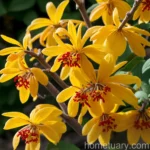
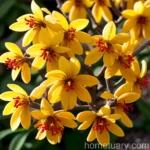
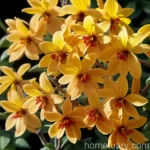
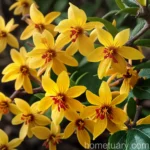
Witch hazel is a deciduous shrub that belongs to the Hamamelidaceae family. This unique plant is renowned for its resilience, captivating fragrance, and enchanting, spidery blooms that burst forth during the winter months, providing a welcome splash of color in the dreariest of seasons. The Hamamelis x intermedia ‘Harlow Carr’ cultivar, named after the renowned garden of the Royal Horticultural Society in the United Kingdom, is a particularly striking variety that boasts vibrant coppery-orange flowers and a compact habit, making it a prized addition to any garden.
The remarkable versatility of witch hazel extends beyond its ornamental appeal – its medicinal properties have been revered for generations, and its extract is widely utilized in skincare, herbal remedies, and aromatherapy. Moreover, witch hazel’s adaptability to a broad range of environmental conditions makes it a resilient and low-maintenance plant that can thrive in diverse landscapes.
Key Takeaways – Witch Hazel (Hamamelis x intermedia ‘Harlow Carr’)
Before we embark on an in-depth exploration of witch hazel, let’s highlight the key takeaways that encapsulate the essence of this extraordinary plant:
- Botanical Name: Hamamelis x intermedia ‘Harlow Carr’
- Common Name: Witch Hazel
- Family: Hamamelidaceae
- Uses: Ornamental, Medicinal, Aromatherapy, Skincare
- Cultural Needs: Moderate water, Partial shade, Well-draining soil
- Attributes: Deciduous, Fragrant flowers, Medicinal properties
- Hardiness Zone: 5-8
- Propagation: Cuttings, Layering, Grafting
- Height: 10-15 feet
- Spread: 10-15 feet
- Growth Rate: Slow to moderate
Now that we have an overview of this captivating plant, let’s delve into the specifics of its cultural requirements, uses, care methods, and propagation techniques to unlock the full potential of witch hazel in your garden.
Cultivation of Witch Hazel (Hamamelis x intermedia ‘Harlow Carr’)
Cultivating witch hazel involves understanding and catering to its specific cultural needs to ensure optimal growth and health. Here, we will explore the essential aspects of planting and maintaining this enchanting shrub to help you create an environment where it can flourish effortlessly.
Water
Witch hazel thrives in moist, well-drained soil. While it appreciates consistent moisture, it is crucial to avoid waterlogged conditions, which can lead to root rot and other detrimental effects on the plant. During the initial establishment phase, regular watering is essential to support healthy root development. However, once established, witch hazel exhibits remarkable drought tolerance, making it an ideal choice for gardens that experience fluctuating moisture levels.
Sunlight
The ideal growing conditions for witch hazel encompass dappled sunlight or partial shade. While it can tolerate full sun in cooler climates, providing some shelter from intense midday sun in hotter regions can prevent leaf scorch and enhance the longevity and vibrancy of its magnificent blooms.
Soil
Witch hazel thrives in humus-rich, acidic to neutral soil with good drainage. Amending the soil with organic matter such as compost, leaf mold, or well-rotted manure can enhance its moisture retention capacity and fertility. Additionally, maintaining a slightly acidic pH level within the range of 5.5 to 6.5 is conducive to the optimum growth of witch hazel.
Fertilizer
Applying a balanced, slow-release fertilizer specifically formulated for shrubs in early spring can provide the necessary nutrients to support the growth and blooming capacity of witch hazel. However, it is essential to refrain from over-fertilization, as excessive nutrients can disrupt the natural balance of the plant and compromise its overall vigor.
Pruning
Pruning is an essential aspect of managing the growth and aesthetic appeal of witch hazel. Regular pruning can help maintain a compact form, encourage prolific flowering, and remove any dead or damaged branches. Pruning is best carried out immediately after the flowering period to prevent the removal of potential flower buds and to allow sufficient time for new growth to develop before the onset of winter.
Propagation
Witch hazel can be propagated through various methods, including:
- Cuttings: Semi-ripe cuttings taken in mid to late summer and treated with rooting hormone can be propagated to yield new plants.
- Layering: Air layering or ground layering techniques can be employed to encourage the development of roots on the stems, which can then be separated and planted to establish new plants.
- Grafting: Budding or grafting witch hazel onto compatible rootstocks can be an effective method to propagate specific varieties and preserve desirable traits.
Container Popularity
The compact habit, enchanting blooms, and adaptability of witch hazel make it a popular choice for container gardening. Its attractive foliage and stunning winter blooms provide an exquisite focal point in patio containers, allowing individuals with limited garden space to enjoy the captivating beauty and fragrance of this remarkable plant.
Uses of Witch Hazel (Hamamelis x intermedia ‘Harlow Carr’)
Witch hazel offers a diverse range of uses that encompass horticultural, medicinal, and aromatic applications. Let’s delve into the myriad of ways in which this extraordinary plant can enrich and benefit our lives.
Horticultural Uses
- Ornamental Appeal: The vibrant and unique blooms of witch hazel adorn the winter landscape with a burst of color, adding visual interest and charm to gardens when most other plants lay dormant.
- Fragrance: The delicately scented flowers of witch hazel emit a captivating fragrance that infuses the winter air with a sweet, spicy aroma, making it an invaluable addition to fragrant gardens.
- Wildlife Attraction: The late winter blooms of witch hazel attract pollinators such as bees and butterflies, contributing to the ecological diversity and vitality of the garden.
Medicinal and Skincare Uses
- Astringent Properties: Witch hazel extract is renowned for its astringent properties, making it a popular ingredient in skincare products such as toners, cleansers, and topical solutions.
- Anti-inflammatory Effects: The anti-inflammatory properties of witch hazel render it effective in providing relief from skin irritation, insect bites, and minor inflammations.
- Aromatherapy: The subtle, earthy fragrance of witch hazel essential oil is utilized in aromatherapy to promote relaxation and enhance mental well-being.
- Traditional Remedies: Witch hazel has been used in traditional medicine for generations to address various skin conditions, including acne, eczema, and sunburn.
Common Diseases and Pests
Although witch hazel is relatively resistant to pests and diseases, it can occasionally succumb to certain ailments that warrant attention and appropriate management strategies.
Common Diseases
- Leaf Spot: Fungal diseases such as Phyllosticta hamamelidis can cause foliar lesions and affect the overall vigor of the plant. Fungicidal treatments and efficient water management can help prevent and control leaf spot infections.
- Powdery Mildew: The development of powdery mildew on the foliage of witch hazel can be mitigated through adequate air circulation, proper spacing, and the application of fungicidal sprays during periods of high humidity.
Disease Diagnosis
Diagnosing diseases affecting witch hazel involves closely observing the symptoms exhibited by the plant, such as leaf discoloration, wilting, or unusual growth patterns. Seeking professional guidance and conducting diagnostic tests can aid in accurately identifying the specific disease and implementing targeted treatment measures.
Common Pests
- Aphids: These tiny, sap-sucking insects can infest the tender shoots and foliage of witch hazel, leading to stunted growth and distorted leaves. Natural predators, insecticidal soaps, or neem oil can be employed to manage aphid populations effectively.
- Spider Mites: These minuscule pests can cause stippling and webbing on the foliage, weakening the plant and compromising its aesthetic appeal. Regular monitoring and the application of horticultural oils or insecticidal sprays can help control and deter spider mite infestations.
Botanist’s Tips for Witch Hazel Care
As a plant scientist and enthusiast of witch hazel, I am delighted to share some invaluable tips that can elevate your gardening experience and ensure the prosperity of your witch hazel plants:
- Prune with Precision: When pruning witch hazel, focus on removing dead or crossing branches to enhance the airflow and structural integrity of the plant while preserving its natural form and flowering potential.
- Monitor Moisture Levels: While witch hazel appreciates consistent moisture, it is vital to prevent waterlogging, particularly during periods of high rainfall, to safeguard the roots from suffocation and rot.
- Holistic Pest Management: Embrace integrated pest management practices by fostering natural predators, employing physical barriers, and utilizing targeted remedies to maintain a balanced ecosystem and deter damaging pests effectively.
- Mulch Mindfully: Apply a layer of organic mulch around the base of witch hazel to retain moisture, suppress weed growth, and insulate the soil, but ensure to maintain a gap between the mulch and the stem to prevent excessive moisture retention and potential stem rot.
Fun Facts about Witch Hazel (Hamamelis x intermedia ‘Harlow Carr’)
Delve into the enchanting world of witch hazel through these captivating and little-known facts that highlight its extraordinary characteristics and historical significance:
- While the name “witch hazel” conjures associations with magic and sorcery, it originates from the Middle English word “wiche,” meaning “pliant” or “bendable,” and “wych,” a flexible branch. This references the pliant nature of the branches used in traditional dowsing practices.
- The Native American tribes, including the Osage and the Mohegan, utilized the medicinal properties of witch hazel for various purposes, including the treatment of skin irritations, sore muscles, and gynecological conditions.
- Witch hazel extract is obtained through steam distillation of the twigs and bark of the plant, yielding a potent and versatile astringent that has been embraced in traditional medicine and modern skincare alike.
Conclusion
In conclusion, witch hazel (Hamamelis x intermedia ‘Harlow Carr’) stands as a testament to nature’s resilience, beauty, and boundless utility. From its alluring winter blossoms and soothing medicinal properties to its enduring symbolism and historical significance, this remarkable plant continues to captivate and inspire generations of enthusiasts, herbalists, and horticulturists.
As we journey through the nuances of witch hazel’s care, uses, and lore, we can truly appreciate the profound impact it holds in both our gardens and our lives. Embracing the timeless allure and versatility of witch hazel opens doors to a world of botanical wonders and a deeper connection to the healing and transformative powers of nature.
We hope that this comprehensive guide has equipped you with the insights and knowledge to cultivate, cherish, and explore the enchanting realm of witch hazel, allowing you to partake in its beauty and embrace its manifold contributions to horticulture, wellness, and botanical fascination.
References
- Royal Horticultural Society (n.d.). Witch Hazel. Link
- University of Maryland Medical Center (2019). Witch Hazel. Link
- Missouri Botanical Garden (n.d.). Hamamelis x intermedia. Link
Note: The content presented in this guide is based on extensive research, horticultural expertise, and practical insights into the cultivation and utilization of witch hazel. The information provided serves as a comprehensive resource for enthusiasts, gardeners, and individuals seeking to deepen their understanding of this exceptional plant.