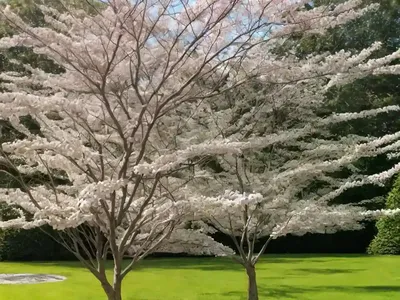
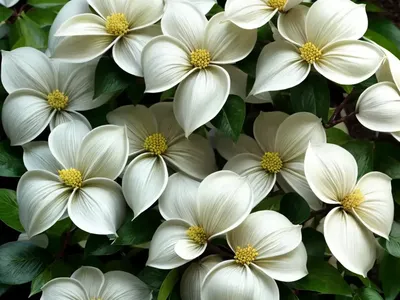
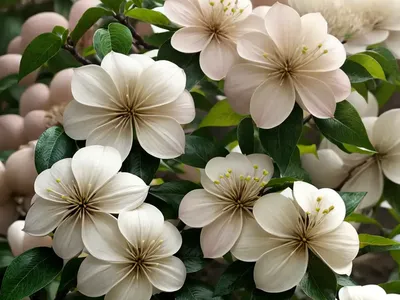
Wire-netting Bush (Corokia Cotoneaster)
The Wire-netting Bush, scientifically known as Corokia Cotoneaster, is a fascinating and versatile plant that has gained popularity among gardeners and.
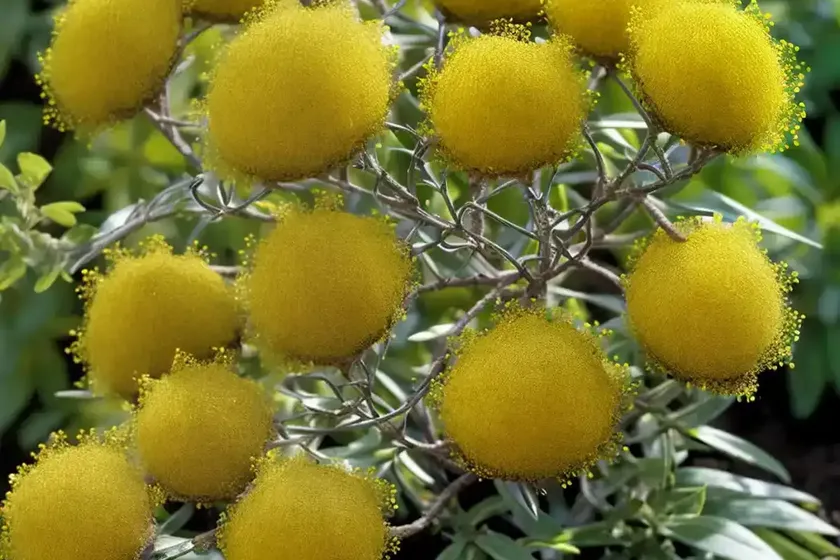
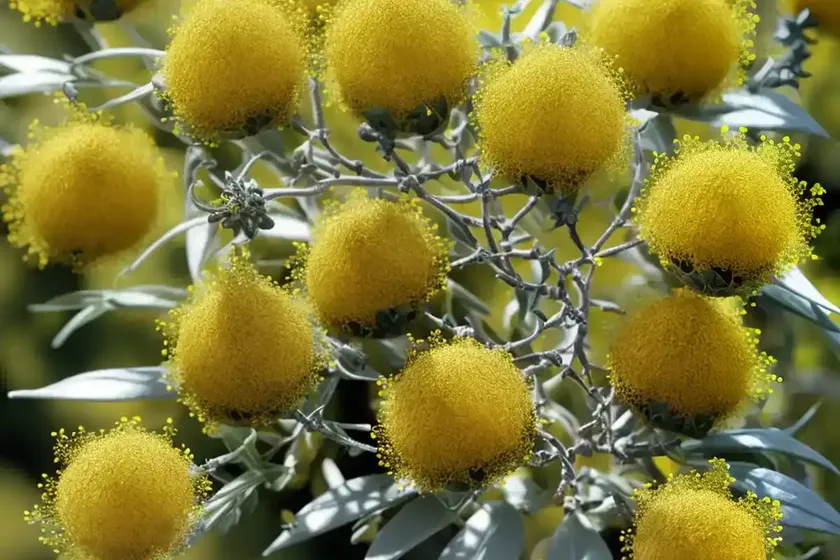
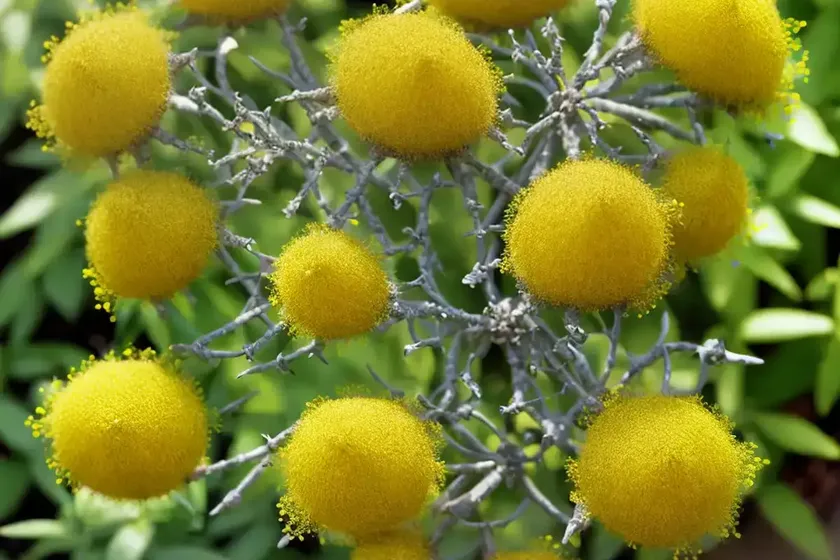
The Wire-netting Bush, scientifically known as Corokia Cotoneaster, is a fascinating and versatile plant that has gained popularity among gardeners and landscape architects. This blog post will provide an in-depth look at Corokia Cotoneaster, discussing its key attributes, care requirements, uses, and interesting facts.
What is Wire-netting Bush (Corokia Cotoneaster)?
Corokia Cotoneaster, commonly referred to as Wire-netting Bush, is a species of evergreen shrub native to New Zealand. It belongs to the family Argophyllaceae and is renowned for its intricate wiry branching pattern, which gives it a distinctive and visually appealing look. The shrub typically reaches a height of 6 to 10 feet, with a spread of 4 to 6 feet, making it well-suited for various landscaping applications.
The leaves of Corokia Cotoneaster are small and narrow with silvery undersides, creating an attractive contrast. Furthermore, the plant produces small, star-shaped yellow flowers in the spring, followed by red or black berries, adding ornamental value to the landscape. With its unique appearance and adaptability, Wire-netting Bush has become a sought-after plant for both ornamental and practical uses.
Key Takeaways – Wire-netting Bush (Corokia Cotoneaster)
Culture
Wire-netting Bush, or Corokia Cotoneaster, is a versatile and hardy plant that thrives in diverse environmental conditions. Understanding its cultural preferences is crucial for ensuring the optimal growth and health of the shrub.
Uses
Corokia Cotoneaster serves various practical and aesthetic purposes, making it a valuable addition to any garden or landscape setting. Its versatile uses include:
- Hedges: Wire-netting Bush is well-suited for creating attractive and functional hedges due to its dense foliage and distinctive branching pattern.
- Borders: The shrub can be utilized to define borders and boundaries within garden beds and landscaped areas.
- Containers: Corokia Cotoneaster adapts well to container gardening, adding interest and greenery to patios, decks, and outdoor living spaces.
- Rock Gardens: Its unique appearance and adaptability make Wire-netting Bush a compelling choice for rock gardens, contributing texture and visual interest.
- Coastal Gardens: The plant’s tolerance for coastal conditions, including wind and salt spray, makes it an ideal choice for coastal landscaping.
- Xeriscaping: Due to its drought tolerance, Corokia Cotoneaster is suitable for xeriscape gardens that prioritize water conservation.
- Wildlife Gardens: The shrub’s berries and foliage provide valuable food and habitat for wildlife, making it a welcome addition to wildlife-friendly gardens.
Water
Corokia Cotoneaster exhibits good drought tolerance once established, making it suitable for regions with limited water availability. When first planted, adequate watering is essential to encourage root establishment. Once established, the plant generally thrives with minimal supplemental irrigation, particularly in regions with regular rainfall.
Sunlight
The Wire-netting Bush prefers full sun to partial shade, thriving in locations with direct sunlight for a significant portion of the day. While it can tolerate some shade, optimal flowering and fruit production occur in sunny conditions. When planted in partial shade, it is important to ensure that the shrub still receives an adequate amount of sunlight to support its growth and ornamental features.
Fertilizer
Corokia Cotoneaster generally does not have intensive fertilizer requirements, particularly when grown in nutrient-rich soils. However, applying a balanced, slow-release fertilizer in the spring can support healthy growth and flowering. Using a fertilizer specifically formulated for woody plants and following the manufacturer’s recommendations for application rates can help ensure optimal results.
Soil
The shrub thrives in well-draining soils with a slightly acidic to slightly alkaline pH. Soil that retains excessive moisture can be detrimental to the plant’s health, potentially leading to root rot and other issues. Amending heavy or poorly draining soils with organic matter, such as compost, can improve drainage and create a more favorable growing environment for Corokia Cotoneaster.
Pruning
Pruning Wire-netting Bush is generally minimal, as the plant naturally maintains a tidy and compact form. However, occasional pruning to remove dead or damaged branches, shape the shrub, or control its size can be beneficial. Pruning is best performed in the late winter or early spring before the onset of new growth. Disinfecting pruning tools before and after use helps prevent the spread of diseases.
Propagation
Corokia Cotoneaster can be propagated through various methods, including softwood cuttings, hardwood cuttings, and seed propagation. Each method offers its own advantages and considerations, allowing growers to choose a propagation approach that aligns with their resources and preferences. Softwood cuttings are typically taken in the early summer, while hardwood cuttings are harvested in the late fall or winter.
Container Popularity
The adaptability of Corokia Cotoneaster to container cultivation has contributed to its popularity among gardeners and landscape enthusiasts. When grown in containers, the shrub can be displayed on patios, balconies, and other confined spaces, bringing its unique visual appeal to a broader range of settings. Utilizing well-draining potting mixes and adequately sized containers is essential for promoting healthy growth and reducing the need for frequent watering.
Container Common Diseases
When grown in containers, Wire-netting Bush may be susceptible to certain diseases, especially those related to overwatering and poor drainage. Common container diseases affecting Corokia Cotoneaster include:
- Root Rot: Excessive moisture in container soils can lead to root rot, causing the plant’s roots to decay and its overall health to decline. Proper watering practices and well-draining potting mixes are crucial for preventing this issue.
- Powdery Mildew: This fungal disease can affect the foliage of the plant, leading to the development of powdery white patches. Providing adequate air circulation and avoiding overhead watering can help reduce the risk of powdery mildew in container-grown Wire-netting Bush.
Disease Diagnosis
Recognizing and diagnosing diseases affecting Corokia Cotoneaster, whether in containers or in the ground, is imperative for implementing effective management strategies. Symptoms of common plant diseases, such as powdery mildew and root rot, should be promptly identified to prevent the spread of the disease and limit its impact on the plant’s health.
Common Pests
Wire-netting Bush may face potential pest pressures, including aphids, scale insects, and mites, among others. Monitoring the plant for signs of pest infestations, such as distorted foliage, stippling, or the presence of insects, allows for early intervention and effective pest management. Utilizing natural predators, such as ladybugs and lacewings, can help control pest populations without relying on chemical insecticides.
Botanist’s Tips
For optimal success with Corokia Cotoneaster, consider the following botanist’s tips:
- Selecting Varieties: Explore different varieties of Corokia Cotoneaster to discover unique leaf colors, growth habits, and ornamental features that can enhance your landscape or garden design.
- Companion Planting: Pair Wire-netting Bush with compatible companion plants that share similar cultural requirements and complement its visual characteristics, creating harmonious and well-balanced plant combinations.
- Seasonal Interest: When planning your landscape, consider the seasonal interest provided by Corokia Cotoneaster, including its bloom time, berry production, and foliage color changes, to create year-round appeal.
Fun Facts
- The berries of Corokia Cotoneaster are known to be edible and may be enjoyed by wildlife and, in some cases, humans. However, it is important to exercise caution and verify the edibility of the berries before consumption.
- In traditional uses, parts of the Wire-netting Bush may have been utilized for various purposes, such as in crafting or traditional medicine, reflecting its cultural significance and practical value.
- Corokia Cotoneaster’s unique branching pattern and silvery foliage make it an eye-catching choice for modern and contemporary garden designs, adding an element of visual interest and sophistication to outdoor spaces.
Links to External Resources
For further information about Wire-netting Bush (Corokia Cotoneaster), refer to the following external resources:
- Royal Horticultural Society (RHS) – Corokia cotoneaster
- New Zealand Plant Conservation Network – Corokia cotoneaster
In conclusion, the Wire-netting Bush (Corokia Cotoneaster) stands out as a captivating and multifaceted plant with a range of practical and ornamental uses. Its adaptability to various growing conditions, minimal maintenance requirements, and aesthetic appeal make it a compelling choice for both novice and experienced gardeners, as well as landscape professionals. By understanding its cultural preferences, potential uses, and unique attributes, individuals can effectively integrate Corokia Cotoneaster into their landscapes, enriching outdoor spaces with its distinct charm and character.
With its intriguing features, versatile uses, and cultural significance, Corokia Cotoneaster continues to captivate plant enthusiasts and contribute to diverse horticultural contexts, enriching natural and designed landscapes with its enduring appeal.