Winterberry (Ilex verticillata ‘Afterglow’): A Comprehensive Guide
The winterberry (Ilex verticillata ‘Afterglow’) is a stunning deciduous holly shrub that adds vibrant color to the winter landscape. With its bright red berries and attractive foliage, this plant is a valuable addition to gardens and natural landscapes. In this comprehensive guide, we will explore the key aspects of the winterberry plant, from its cultural requirements to its uses, maintenance, and propagation.
What is the Winterberry (Ilex verticillata ‘Afterglow’)?
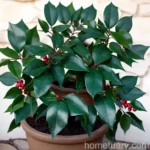
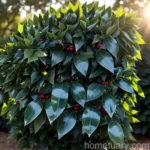
The winterberry, scientifically known as Ilex verticillata, is a species of holly native to eastern North America. It is a deciduous shrub that belongs to the Aquifoliaceae family. The ‘Afterglow’ variety of Ilex verticillata is prized for its abundant production of bright orange-red berries, which persist through the winter, providing food for birds and adding a splash of color to the winter landscape.
The botanical name “Ilex verticillata” refers to the whorled arrangement of its leaves around the stems. The word “verticillata” is derived from the Latin word “verticillus,” which means a whorl or vortex, alluding to the plant’s unique leaf arrangement. The ‘Afterglow’ cultivar is particularly sought after for its enhanced ornamental features, including larger and more abundant berries compared to the species.
Key Takeaways – Winterberry (Ilex verticillata ‘Afterglow’)
Before delving into the specific aspects of winterberry care and maintenance, let’s summarize the key takeaways about this fascinating plant:
- Winterberry (Ilex verticillata ‘Afterglow’) is a deciduous holly shrub known for its vibrant red berries and attractive foliage, making it a valuable addition to winter landscapes.
- The ‘Afterglow’ variety is particularly renowned for its abundant production of bright orange-red berries, enhancing its ornamental appeal.
- This species belongs to the Aquifoliaceae family and is native to eastern North America, where it thrives in wetland areas, including swamps, wet woods, and along the edges of ponds and streams.
Now, let’s explore the specific cultural requirements, uses, maintenance, and propagation of winterberry (Ilex verticillata ‘Afterglow’) in detail.
Culture
Understanding the cultural requirements of the winterberry plant is essential for ensuring its optimal growth and development. From water and sunlight needs to soil and fertilizer preferences, the following sections will provide a comprehensive overview of the cultural considerations for this stunning holly shrub.
Water
The water requirements of winterberry (Ilex verticillata ‘Afterglow’) are influenced by its natural habitat and seasonal variations. As a native plant of wetland areas, winterberry thrives in moist to wet soil conditions, making it an excellent choice for rain gardens, low-lying areas, and landscapes with consistently damp soil. When establishing winterberry in a garden or natural setting, it is crucial to mimic its native habitat by providing adequate moisture, especially during the initial establishment phase.
Watering Guidelines for Winterberry:
- Establishment Phase: During the first growing season, ensure consistent soil moisture to support root establishment and new growth. Water deeply when the top inch of soil feels dry, and adjust frequency based on local precipitation and soil drainage.
- Established Plants: Once established, winterberry plants are relatively low-maintenance in terms of watering. However, during periods of prolonged drought, provide supplemental watering to prevent excessive stress and maintain overall plant health.
Sunlight
Winterberry (Ilex verticillata ‘Afterglow’) thrives in full sun to partial shade, displaying its best berry production and overall vigor in adequately sunny locations. While it can tolerate partial shade, providing at least 6 hours of direct sunlight each day is ideal for promoting abundant flowering and fruiting. In regions with hot summers, partial shade during the hottest part of the day can help prevent stress and maintain healthy foliage.
Sunlight Requirements for Winterberry:
- Full Sun: Select planting locations that receive at least 6 hours of direct sunlight, particularly in the morning or early afternoon. Full sun exposure promotes robust growth and enhances the development of vivid berries.
- Partial Shade: In areas with intense midday sun or high temperatures, partial shade can offer protection and reduce the risk of leaf scorch. Morning sun combined with dappled or filtered afternoon shade is advantageous in such climates.
Fertilizer
Appropriate fertilization can support the growth and berry production of winterberry (Ilex verticillata ‘Afterglow’), especially in nutrient-deficient soils. While winterberry is adaptable to a range of soil types, applying a balanced and slow-release fertilizer can provide essential nutrients for healthy growth and abundant fruiting. It is essential to avoid excessive fertilization, especially with high-nitrogen formulas, as this can lead to lush foliage at the expense of berry production.
Fertilizer Guidelines for Winterberry:
- Timing: Apply a balanced fertilizer formulated for woody plants in early spring, just as new growth begins. Avoid fertilizing late in the season, as this can stimulate tender growth that is susceptible to cold damage.
- Application Method: Spread the fertilizer evenly over the root zone of the plant, extending beyond the drip line. Follow the manufacturer’s recommendations for application rates based on the plant’s size and age.
- Organic Options: Incorporating organic amendments, such as compost or well-rotted manure, into the soil around winterberry shrubs can provide a slow-release source of nutrients while improving soil structure.
Soil
Winterberry (Ilex verticillata ‘Afterglow’) is adaptable to a variety of soil types, including loamy, sandy, and clay soils, as long as they are consistently moist and well-draining. In its natural habitat, winterberry thrives in wetland areas, where it plays a crucial ecological role in providing food and habitat for wildlife. When cultivating winterberry in gardens or landscapes, selecting appropriate planting locations and ensuring suitable soil conditions are essential for long-term success.
Soil Requirements for Winterberry:
- Moisture Retention: Choose planting locations with soil that retains moisture without becoming waterlogged. Amending the soil with organic matter, such as compost or peat moss, can improve moisture retention while enhancing soil fertility.
- Drainage: Avoid planting winterberry in areas prone to standing water or poor drainage, as this can lead to root rot and other moisture-related issues. If the soil naturally retains water, consider raised beds or mounded planting areas to improve drainage.
Pruning
Proper pruning plays a critical role in maintaining the form, health, and berry production of winterberry (Ilex verticillata ‘Afterglow’). Pruning should be approached strategically, taking into account the plant’s growth habits, flowering patterns, and the desired aesthetic and functional outcomes. Understanding when and how to prune winterberry is essential for maximizing its ornamental value while promoting vigorous growth and abundant berry display.
Pruning Guidelines for Winterberry:
- Timing: Prune winterberry shrubs in late winter to early spring, before new growth emerges. This timing allows for the removal of dead, damaged, or overgrown branches while encouraging fresh growth and flowering.
- Selective Pruning: Focus on selective pruning to maintain a balanced and open growth habit. Remove any crossing or inward-growing branches to improve air circulation and light penetration throughout the canopy.
- Berry Display: To preserve the previous season’s berries for winter interest and wildlife forage, avoid heavy pruning of mature branches with existing fruit clusters. Selective thinning of branches can help maintain the visual appeal of the berries while promoting new growth.
Propagation
Propagation methods for winterberry (Ilex verticillata ‘Afterglow’) include both sexual and asexual propagation techniques, allowing for the expansion of plantings and the preservation of desirable traits. Understanding the different propagation methods and their associated requirements can enable gardeners, horticulturists, and botanical enthusiasts to propagate winterberry plants for personal enjoyment, conservation efforts, or commercial production.
Propagation Techniques for Winterberry:
- Seed Propagation: Winterberry plants can be propagated from seeds collected from ripe berries. The seeds require a period of cold stratification to break dormancy and germinate. Sow the seeds in moist, well-draining potting mix, and provide consistent moisture and light until germination occurs.
- Stem Cuttings: Asexual propagation of winterberry can be achieved through stem cuttings taken from mature, healthy plants. Select semi-hardwood cuttings in late summer to early fall, and treat them with rooting hormone before planting in a well-draining propagation medium. Maintain high humidity and warmth to encourage root development.
Container Popularity
The ‘Afterglow’ variety of winterberry (Ilex verticillata) is popular for container cultivation, allowing gardeners with limited space or specific design preferences to enjoy the beauty of this ornamental shrub. When selecting containers and planning for the cultivation of winterberry in pots, several considerations, including soil selection, watering practices, and winter protection, can contribute to the success of container-grown specimens.
Container Cultivation Tips for Winterberry:
- Container Selection: Choose large, sturdy containers with adequate drainage holes to accommodate the mature size of the winterberry plant. Consider using containers made from durable materials, such as fiberglass or thick-walled plastic, to withstand seasonal temperature fluctuations.
- Soil Preparation: Use a well-draining, acidic potting mix formulated for woody plants, incorporating organic matter to promote moisture retention while ensuring good drainage. Avoid compacted or dense soils that impede root growth and water movement.
- Winter Protection: Container-grown winterberry plants may require additional protection during winter, as the roots are more exposed to temperature fluctuations. Insulate the containers with mulch, burlap, or specialized wraps to mitigate potential cold damage.
Common Diseases
Like many plant species, winterberry (Ilex verticillata ‘Afterglow’) is susceptible to certain diseases that can affect its overall health and ornamental value. Understanding the common diseases and their associated symptoms can help gardeners and horticulturists identify and address potential issues in a timely manner, promoting the long-term vitality of winterberry shrubs.
Disease Diagnosis
The following are some common diseases that may affect winterberry (Ilex verticillata ‘Afterglow’) and their associated diagnostic signs:
- Leaf Spot Diseases: Various fungal pathogens can cause leaf spot diseases on winterberry, leading to the development of small to large spots on the foliage. Affected leaves may exhibit discoloration, yellowing, or browning, compromising the plant’s aesthetic appeal.
- Powdery Mildew: Powdery mildew can appear as a white, powdery growth on the surfaces of leaves and young stems. This fungal disease can affect overall plant vigor and weaken the plant’s defenses against other stressors.
- Winter Injury: In regions with harsh winters, winterberry plants may experience winter injury, resulting in damage to the bark, stems, or buds. Symptoms include browning or dieback of affected tissues, especially following extreme temperature fluctuations.
Disease Control and Management
Implementing proactive disease management practices can help prevent and mitigate common diseases affecting winterberry (Ilex verticillata ‘Afterglow’). Combining cultural, horticultural, and, if necessary, chemical control strategies can contribute to the overall health and resilience of winterberry plants.
Disease Management Strategies for Winterberry:
- Cultural Practices: Promote overall plant health through proper cultural practices, including adequate water management, appropriate spacing to ensure good air circulation, and regular removal of dead or diseased plant material.
- Horticultural Measures: Regularly monitor the plants for signs of disease, and promptly remove and destroy affected plant parts to prevent the spread of pathogens. Prune the shrubs to maintain an open habit and improve light penetration, reducing favorable conditions for disease development.
- Chemical Control: In severe cases of disease infestation, chemical control measures, such as fungicidal applications, may be warranted. Consult with local extension services or horticultural professionals to identify suitable products and application methods.
Common Pests
While winterberry (Ilex verticillata ‘Afterglow’) is relatively resistant to pest infestations, several common pests may occasionally affect its growth and overall health. Understanding the signs of pest damage and implementing appropriate control measures can help maintain the vigor and ornamental value of winterberry shrubs.
Common Pests Affecting Winterberry:
- Spider Mites: These tiny arachnids can cause stippling on the leaves, leading to a discolored and stippled appearance. Infestations may be more pronounced during hot, dry periods, particularly in cultivated landscapes.
- Scale Insects: Scale insects can appear as small, raised bumps on the stems and undersides of leaves, often accompanied by sticky honeydew secretions. Severe infestations can weaken the plant and hinder its overall growth and vigor.
- Deer and Wildlife Damage: In natural and suburban settings, deer and other wildlife may browse on the foliage and berries of winterberry, particularly during periods of food scarcity. Fencing or repellents may be necessary to deter browsing behavior.
Pest Control and Management
Integrated pest management (IPM) strategies can provide effective and environmentally conscious approaches to pest control, minimizing the impact on beneficial organisms and the surrounding ecosystem. When addressing pest infestations on winterberry (Ilex verticillata ‘Afterglow’), consider the following control measures:
Pest Management Strategies for Winterberry:
- Cultural Practices: Promote overall plant health through proper watering, fertilization, and pruning practices, reducing the plant’s susceptibility to pest-related stress.
- Biological Control: Encourage natural predators and biological control agents that prey on pest species, such as predatory mites that feed on spider mites.
- Physical Barriers: In areas prone to deer browsing or wildlife damage, consider installing physical barriers, such as fencing or netting, to protect winterberry plants from feeding pressure.
Botanist’s Tips
As a plant scientist and botanist, I offer the following tips for cultivating and maintaining winterberry (Ilex verticillata ‘Afterglow’):
- Selecting Planting Locations: Choose planting sites with adequate moisture and good drainage, reflecting the plant’s natural habitat preferences. Consider the visual impact of winterberry in the landscape, focusing on its vibrant berries and ornamental foliage.
- Promoting Wildlife Habitat: Embrace winterberry as a valuable resource for wildlife, providing food and habitat for birds and other creatures during the winter months. Include it in wildlife-friendly plantings and conservation efforts.
- Winter Interest: Appreciate the unique beauty of winterberry in the winter landscape, allowing the colorful berries to shine against the backdrop of snow and seasonal greenery. Take advantage of its ornamental value in winter garden designs.
Fun Facts
Discover some intriguing and little-known facts about winterberry (Ilex verticillata ‘Afterglow’):
- Bird Attraction: Winterberry is highly valued for its attractiveness to birds, providing a vital food source during the winter when many other options are scarce.
- Native American Uses: Indigenous peoples historically used the berries of winterberry for various medicinal and practical purposes, recognizing their value beyond ornamental appeal.
- Winter Symbolism: In addition to its ecological importance, winterberry holds cultural symbolism, representing resilience and natural beauty during the winter season.
Links to External Resources
For further information about winterberry (Ilex verticillata ‘Afterglow’) and related topics, explore the following resources:
- The American Holly Society: A comprehensive source of information on hollies, including Ilex verticillata varieties.
- USDA Plant Database: Access detailed botanical information, distribution maps, and native range data for winterberry species.
- The Native Plant Trust: Explore resources on native plant conservation, horticulture, and ecological gardening, including information about winterberry.
In conclusion, winterberry (Ilex verticillata ‘Afterglow’) stands out as a remarkable plant species that contributes vibrant color, ecological value, and ornamental appeal to the winter landscape. By understanding its cultural requirements, uses, maintenance practices, and wildlife benefits, we can fully appreciate and harness the unique qualities of this captivating holly shrub.
Remember to embrace its resilience, honor its ecological contributions, and celebrate its winter beauty in gardens, natural landscapes, and conservation initiatives.
Keywords: Winterberry plant, Ilex verticillata ‘Afterglow’, Afterglow winterberry, Winterberry shrub, Ilex verticillata variety, Winterberry plant care, Afterglow variety of winterberry, Growing winterberry, Winterberry plant information, Ilex verticillata ‘Afterglow’ care, Winterberry species, Afterglow winterberry shrub, Winterberry plant varieties, Winterberry plant facts, Ilex verticillata ‘Afterglow’ information, Winterberry landscape plant, Afterglow variety care tips, Different types of winterberry, Winterberry plant care guide, Ilex verticillata ‘Afterglow’ characteristics, Winterberry plant uses, Afterglow winterberry plant care, Winterberry plant benefits, Ilex verticillata ‘Afterglow’ cultivation, Winterberry plant landscape design, Afterglow variety of winterberry shrub, Winterberry plant for winter interest, Ilex verticillata ‘Afterglow’ pruning, Winterberry plant symbolism, Afterglow winterberry plant information, Winterberry plant maintenance, Ilex verticillata ‘Afterglow’ propagation, Winterberry plant habitat, Afterglow variety of winterberry care, Winterberry plant for wildlife, Ilex verticillata ‘Afterglow’ planting tips, Winterberry plant flower, Afterglow winterberry plant varieties, Winterberry plant disease control, Ilex verticillata ‘Afterglow’ landscape uses, Winterberry plant drought tolerance, Afterglow variety of winterberry landscape design, Winterberry plant soil requirements, Ilex verticillata ‘Afterglow’ insect pests, Winterberry plant container gardening, Afterglow winterberry plant benefits, Winterberry plant fall color, Ilex verticillata ‘Afterglow’ winter care, Winterberry plant companion plants, Afterglow variety of winterberry pruning