Windmill Palm (Trachycarpus wagnerianus)
What is a Windmill Palm?
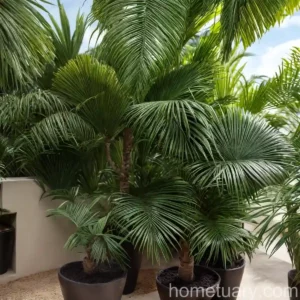
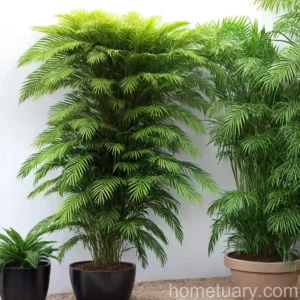
The windmill palm, scientifically known as Trachycarpus wagnerianus, is a hearty and versatile plant that belongs to the family Arecaceae. It is native to Japan and is commonly referred to as the Chusan Palm. This stunning plant is often favored for its compact size and elegant appearance, making it a popular choice for both indoor and outdoor landscaping. Its unique features and adaptability make it a sought-after addition to gardens and landscapes around the world.
Key Takeaways – Windmill Palm (Trachycarpus wagnerianus)
Before delving into the specifics of windmill palm care, let’s take a look at some key takeaways about this remarkable plant:
- Botanical Name: Trachycarpus wagnerianus
- Common Name: Windmill palm, Chusan palm
- Native to: Japan
- Growth Rate: Moderate to fast
- Height: Up to 9-10 meters
- Spread: About 2-3 meters
- Sunlight Requirement: Full sun to partial shade
- Watering Needs: Moderate
- Soil Type: Well-draining, fertile soil
- Hardiness Zones: 7-11
- Uses: Landscaping, ornamental plant, indoor plant
Now that we have an overview of the Windmill Palm, let’s explore its specific care requirements.
Culture
The windmill palm is a versatile plant that adapts well to various environments and care conditions. Understanding its cultural preferences is essential for ensuring optimal growth and health.
Uses
The windmill palm is primarily used for ornamental and landscaping purposes. Its elegant appearance and ability to thrive in pots make it an excellent choice for adorning patios, gardens, and indoor spaces. It’s also a popular option for creating tropical-themed landscapes and gardens.
Water
Proper watering is crucial for the well-being of the windmill palm. While it is relatively drought-tolerant once established, consistent moisture is essential, especially during its initial growth stages. Proper drainage is also necessary to prevent waterlogged soil, which can lead to root rot and other issues.
- Watering Frequency: Water the windmill palm regularly, allowing the soil to dry out slightly between waterings. During hot and dry periods, increase the frequency of watering.
- Signs of Overwatering: Yellowing or browning of the leaves, wilting, and waterlogged soil.
- Signs of Underwatering: Wilted or curling leaves, dry and brittle fronds.
Sunlight
The windmill palm thrives in bright, indirect light and can tolerate full sun to partial shade. When grown indoors, place the plant near a bright window that receives indirect sunlight. Outdoors, it can be planted in areas with dappled shade or partial sun.
- Indoor Lighting: Place near a south or west-facing window for optimal light exposure.
- Outdoor Placement: Choose a location that offers partial shade, especially during the hottest part of the day.
Fertilizer
Proper fertilization contributes to the healthy growth and vitality of the windmill palm. Using a balanced fertilizer formulated for palm plants will provide the necessary nutrients for robust growth.
While the windmill palm is relatively low-maintenance, it will benefit from occasional fertilization during the growing season.
- Fertilizer Type: Use a balanced, slow-release fertilizer specifically designed for palm plants.
- Fertilizing Schedule: Apply fertilizer in spring and summer, following the manufacturer’s recommendations for dosage and frequency.
- Avoid Over-Fertilization: Too much fertilizer can cause fertilizer burn and damage the plant. Always follow the recommended guidelines.
Soil
The soil quality is a crucial factor in the successful cultivation of windmill palms. Well-draining, fertile soil that retains some moisture without becoming waterlogged is ideal for ensuring the plant’s health and vigor.
- Soil Quality: Use well-draining, nutrient-rich soil with a slightly acidic to neutral pH.
- Amendment: Incorporate organic matter, such as compost, into the soil to improve its texture and fertility.
- Soil Moisture: While the soil should retain some moisture, it should never become waterlogged. Good drainage is essential.
Pruning
Regular pruning helps maintain the windmill palm’s attractive appearance and promotes healthy growth. Proper pruning techniques are essential for preventing damage and maintaining the plant’s structural integrity.
- Pruning Practices: Remove yellowing or brown fronds, dead or damaged leaves, and any flowers or fruit stems.
- Tools: Use sharp, clean pruning shears or loppers for cutting through the palm fronds and stems.
- Caution: Avoid cutting into the central growing point, as this can cause irreparable damage to the plant.
Propagation
Propagating windmill palms allows plant enthusiasts to expand their collection or share the beauty of these remarkable plants with others. Understanding the propagation methods and best practices is essential for successful reproduction.
Methods
Windmill palms can be propagated through both seeds and offshoots, with each method requiring specific techniques and considerations.
- Seeds: Collect mature seeds from the fruits of the windmill palm and sow them in a well-draining seed-starting mix. Keep the soil consistently moist and maintain a warm, humid environment to encourage germination.
- Offshoots: Carefully remove and transplant offshoots, also known as pups, from the base of established palm plants. Plant the offshoots in pots with well-draining soil, and provide them with the appropriate care and environmental conditions for healthy growth.
Container
Windmill palms are well-suited for container growth, allowing individuals to enjoy their beauty and benefits in various indoor and outdoor settings. Selecting the right container and providing proper care is essential for successful palm cultivation in pots.
- Container Size: Choose a spacious, sturdy container that accommodates the palm’s size and provides ample room for root development.
- Drainage: Ensure that the container has drainage holes to prevent waterlogging and root rot.
- Potting Mix: Use a well-draining, high-quality potting mix designed for palm plants.
Popularity
The windmill palm’s popularity stems from its adaptability, attractive appearance, and versatility. As a favored choice for landscaping and ornamental purposes, it has gained recognition and widespread admiration among plant enthusiasts and gardening professionals.
Common Diseases
While windmill palms are relatively resilient, they can encounter certain diseases and health issues that require attention and appropriate management.
Disease Diagnosis
Being able to recognize common palm diseases is crucial for implementing timely interventions and preventing the spread of infections. Understanding the signs and symptoms of potential diseases empowers plant owners to take proactive measures to protect their windmill palms.
- Fungal Diseases: Keep an eye out for symptoms such as leaf spots, yellowing or browning of fronds, and a decline in overall foliage health. Fungal diseases such as leaf spot and anthracnose can impact palm trees.
- Pest Infestations: Insect pests, such as scale insects and mites, can cause damage to the windmill palm’s foliage and overall health. Look for signs of pest activity, including stippling, discolored leaves, and the presence of small insects on the plant.
Common Pests
Windmill palms are susceptible to certain pests that can compromise their health and vitality. Identifying and addressing pest infestations promptly is essential for safeguarding the plant’s well-being.
- Scale Insects: Keep an eye out for scale infestations on the fronds and stems of the palm. Scale insects can cause yellowing, wilting, and leaf drop.
- Spider Mites: These tiny pests can negatively impact the palm’s foliage, causing stippling, discoloration, and overall decline in health. Check the undersides of the leaves for signs of spider mite activity.
- Mealybugs: Mealybugs can infest the windmill palm, leading to the development of a white, waxy substance on the foliage and stems. They can cause wilting, yellowing, and a decline in overall plant vigor.
Botanist’s Tips
To further enhance the success and enjoyment of cultivating windmill palms, here are some valuable tips from botanists and palm experts:
- Monitor Moisture Levels: Be mindful of the plant’s watering needs, ensuring that the soil is consistently moist but never waterlogged.
- Provide Adequate Sunlight: Aim to place the windmill palm in a location that receives bright, indirect light, whether indoors or outdoors.
- Routine Inspections: Regularly inspect the plant for signs of pests, disease, or nutrient deficiencies, addressing any issues promptly.
- Pruning Care: When pruning the windmill palm, use clean and sharp tools to prevent damage and promote quick healing.
- Environmental Considerations: Understand the specific hardiness and environmental preferences of the windmill palm, especially if it is grown in a region with fluctuating climatic conditions.
Fun Facts
Now, let’s explore some fascinating and intriguing facts about the windmill palm that add to its allure and appeal:
- Ancient Origins: The windmill palm has a rich history, with fossil records indicating its existence over 100 million years ago.
- Cold Tolerance: It is one of the most cold-tolerant palm species, with the ability to withstand temperatures as low as -15°C (5°F).
- Versatile Applications: In addition to its use as a decorative and ornamental plant, the windmill palm’s fibers are utilized for crafting ropes and woven materials.
- Symbolism: In Japanese culture, the windmill palm holds symbolism related to strength, resilience, and longevity, making it a significant and revered plant.
Links to External Resources
For further information on windmill palm care tips, cultivation, and related topics, consider exploring the following external resources:
- The American Horticultural Society: The official website of the American Horticultural Society provides valuable insights into palm care and cultivation practices.
- The Royal Horticultural Society: The Royal Horticultural Society offers a wealth of information on palm species, including care guidelines, disease management, and more.
- University Extension Services: University extension services often provide comprehensive guides and resources on plant care, including palm cultivation and maintenance.
In conclusion, the windmill palm (Trachycarpus wagnerianus) captivates enthusiasts and horticulturists with its graceful appearance, adaptability, and enduring symbol of natural beauty. By understanding and implementing the recommended care practices, individuals can nurture healthy and vibrant windmill palms that enrich both indoor and outdoor spaces with their timeless elegance.
Whether adorning a cozy corner of a living room or gracing the landscape of a botanical garden, the windmill palm stands as a testament to the captivating allure of nature’s botanical treasures.
Remember that each plant possesses its unique requirements and characteristics, requiring specific care tailored to its individual needs. By embracing the art of cultivation and the joy of nurturing living green companions, we can foster thriving, verdant environments that celebrate the wonder of the natural world.
Cultivating windmill palms offers a rewarding journey filled with learning, appreciation, and the timeless beauty of these remarkable plants.
As we continue to explore and cultivate the gifts of nature, may the elegance and resilience of the windmill palm inspire and enrich our botanical endeavors.
Sincerely,
[Your Name]