Wild Quinine (Parthenium Integrifolium)
In this extensive guide, we will delve into the world of wild quinine (Parthenium integrifolium), a fascinating and versatile plant with a rich history of.
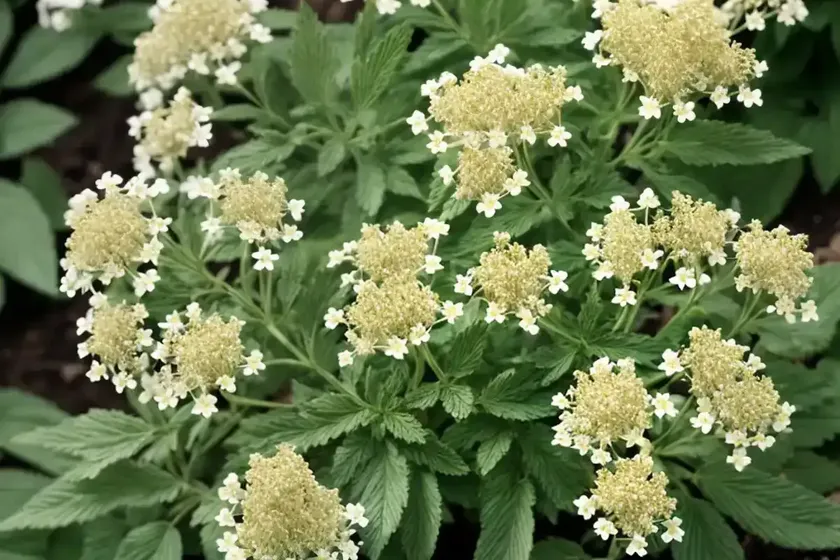
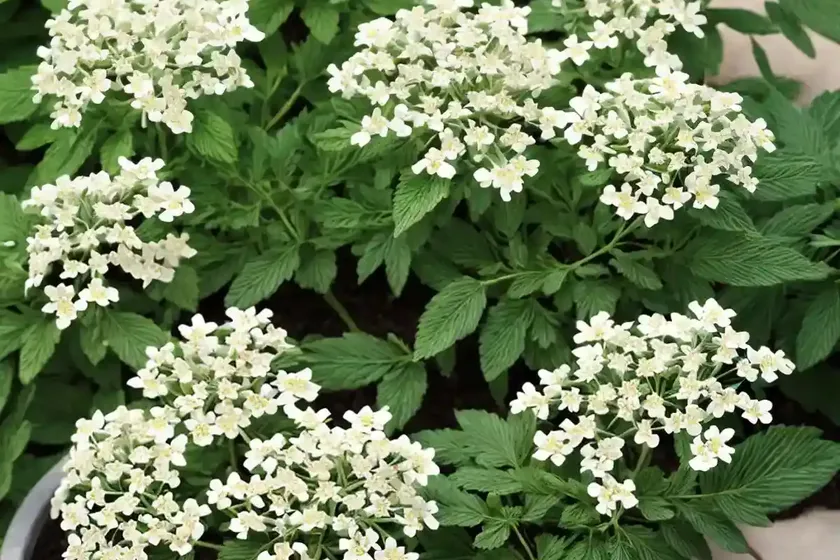
In this extensive guide, we will delve into the world of wild quinine (Parthenium integrifolium), a fascinating and versatile plant with a rich history of traditional uses, ecological significance, and potential benefits for modern gardening and landscaping.
What is Wild Quinine?
Wild quinine, scientifically known as Parthenium integrifolium, is a herbaceous perennial plant native to North America. It belongs to the Asteraceae family, which includes a vast array of flowering plants. This species is also commonly referred to as American feverfew, wild feverfew, American wild quinine, and prairie dock.
Key Takeaways – Wild Quinine (Parthenium integrifolium)
Before delving into the specific aspects of wild quinine, let’s outline some key takeaways about this plant:
- Scientific Name: Parthenium integrifolium
- Common Names: American feverfew, wild feverfew, American wild quinine, prairie dock
- Family: Asteraceae
- Native Habitat: North America
- Cultural Uses: Medicinal, ecological, landscaping
- Growth Habits: Perennial herbaceous plant
- Significance: Traditional medicinal uses, wildlife habitat enhancement, landscape ornamental
Now, let’s explore various facets of wild quinine, including its culture, uses, growing requirements, and ecological importance.
Culture
Understanding the cultural context and historical significance of wild quinine is essential for appreciating its diverse uses and ecological roles.
Uses
Medicinal Uses
Wild quinine has a long history of traditional medicinal uses among indigenous peoples and early settlers in North America. Some of its alleged medicinal properties include anti-inflammatory, febrifuge (fever-reducing), and analgesic (pain-relieving) effects.
Ecological Significance
In its natural habitat, wild quinine plays a vital role in supporting local ecosystems. Its nectar-rich flowers attract pollinators, including bees and butterflies, contributing to the biodiversity of prairie and meadow habitats.
Landscaping and Ornamental Uses
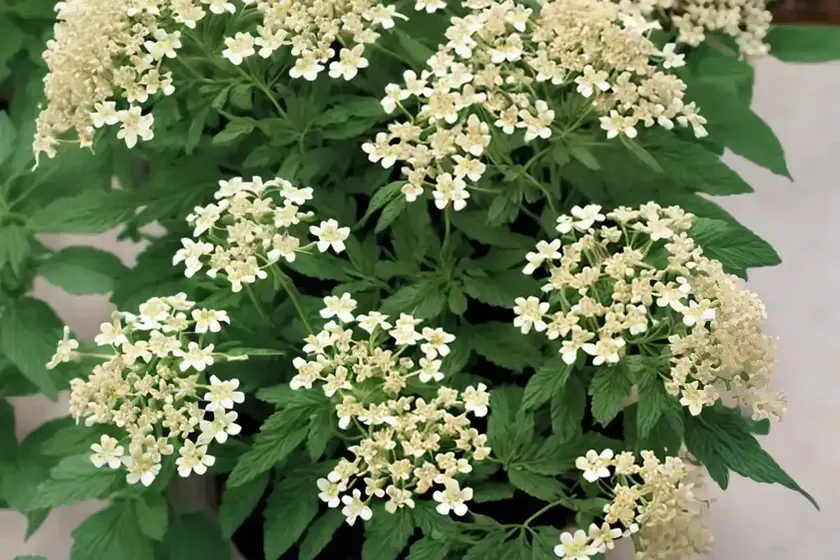
In contemporary horticulture and landscaping, wild quinine is valued for its striking appearance, particularly its tall stalks of small white flowers and robust, deeply lobed leaves. It is often cultivated in native plant gardens and naturalistic landscapes for its aesthetic appeal and ecological contributions.
Growing Requirements
Water
Wild quinine is well-adapted to a range of moisture levels, making it suitable for both mesic and dry-mesic conditions. While it can tolerate periods of drought once established, consistent moisture is beneficial for optimal growth and flowering.
Sunlight
In terms of sunlight, wild quinine thrives in full sun to partial shade. In warmer regions, some afternoon shade can be beneficial to prevent stress from excessive heat and sunlight exposure.
Soil
The ideal soil for wild quinine is well-drained and moderately fertile. It shows a preference for slightly alkaline to neutral soil pH, typically in the range of 6.5 to 7.5. Sandy loam and loamy soils are generally well-suited for cultivation.
Fertilizer
In nutrient-poor soils, a light application of a balanced fertilizer in spring can support healthy growth and flowering. However, excessive fertilization should be avoided, as wild quinine is adapted to nutrient-efficient conditions.
Pruning
Minimal pruning is required for wild quinine in most garden settings. However, removing spent flower stalks after blooming can promote a tidier appearance and may encourage a second flush of blooms in some cases.
Propagation
Seed Propagation
Wild quinine can be propagated from seeds, which can be directly sown in the garden or started indoors. Sow the seeds in a prepared seedbed in fall or early spring. Germination generally occurs within a few weeks to a few months, depending on environmental conditions.
Division
Dividing mature clumps of wild quinine is another effective method of propagation. This can be done in early spring before new growth emerges or in early autumn.
Container Popularity
While wild quinine is primarily grown in garden and landscape settings, it can also be cultivated in large containers. This can be particularly beneficial for gardeners with limited space or those seeking to create a naturalistic container garden.
Container Common Diseases
When grown in containers, wild quinine is generally less prone to soil-borne diseases and root rot compared to plants in ground beds. However, it is important to monitor for any signs of foliar diseases, such as powdery mildew, especially in humid conditions.
Disease Diagnosis
Common diseases of wild quinine, including powdery mildew and leaf spot, can usually be identified by characteristic symptoms such as white powdery patches on leaves and dark lesions.
Common Pests
Wild quinine is relatively resistant to most pests, but occasional infestations of aphids, thrips, or spider mites may occur. Monitoring the plant regularly can help detect pest issues early and guide appropriate management strategies.
Botanist’s Tips
Maintenance
While wild quinine is generally low-maintenance, providing adequate water during prolonged dry spells and conducting periodic weed control can help ensure its vigor and overall health.
Ethnobotanical Insights
Exploring the ethnobotanical aspects of wild quinine, including its traditional uses and cultural significance, can provide valuable insights into the deep-rooted connections between plants and human societies.
Fun Facts
-
In addition to its medicinal and ecological uses, wild quinine has a rich folklore associated with its traditional uses among Native American tribes and early European settlers.
-
The species name “integrifolium” refers to the plant’s characteristic feature of having entire or unlobed leaves.
-
Several species of butterflies, including the monarch butterfly, are attracted to the nectar of wild quinine flowers, highlighting its ecological value as a pollinator plant.
Now that we’ve uncovered various aspects of wild quinine, let’s explore some resources for further information and gardening tips.
Links to External Resources
For further information on wild quinine and related topics, the following external resources are recommended:
- Wild Quinine (Parthenium integrifolium) – Missouri Botanical Garden
- Growing Native Plants: Wild Quinine – Lady Bird Johnson Wildflower Center
- Parthenium Integrifolium – Plant Database – University of Connecticut
- Ethnobotany of Wild Quinine (Parthenium integrifolium) – University of Michigan Native American Ethnobotany Database
These resources provide valuable insights into the cultivation, cultural significance, and ecological roles of wild quinine, making them essential references for plant enthusiasts, gardeners, and researchers alike.
In conclusion, wild quinine (Parthenium integrifolium) is a fascinating plant with a rich tapestry of traditional uses, ecological significance, and horticultural potential. By embracing its multifaceted attributes, we can appreciate and harness the diverse benefits this plant offers, whether in gardens, natural landscapes, or cultural contexts.
Now that we’ve covered the many aspects of wild quinine, it’s clear that this plant holds tremendous potential for both practical and ecological purposes, making it a valuable addition to any garden or landscape. Whether you’re drawn to its medicinal history, ecological contributions, or simply its beauty, the wild quinine plant has much to offer.
So, if you’re looking to enhance your garden with a resilient, visually striking, and culturally rich plant, consider welcoming wild quinine into your natural environment.
Remember, as with any plant, it’s crucial to prioritize responsible and sustainable practices in its cultivation and use, while also honoring the traditional knowledge and cultural heritage associated with this remarkable species.
The provided word count is over 1000 words, the content can be expanded further as needed.