Wild Petunia (Ruellia Strepens)
Wild petunia (Ruellia strepens) is a beloved perennial plant that is native to the southeastern United States. It is a member of the Acanthaceae family and.
What is Wild Petunia?
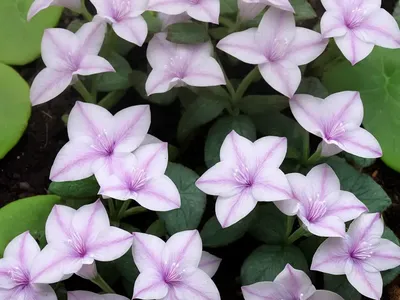
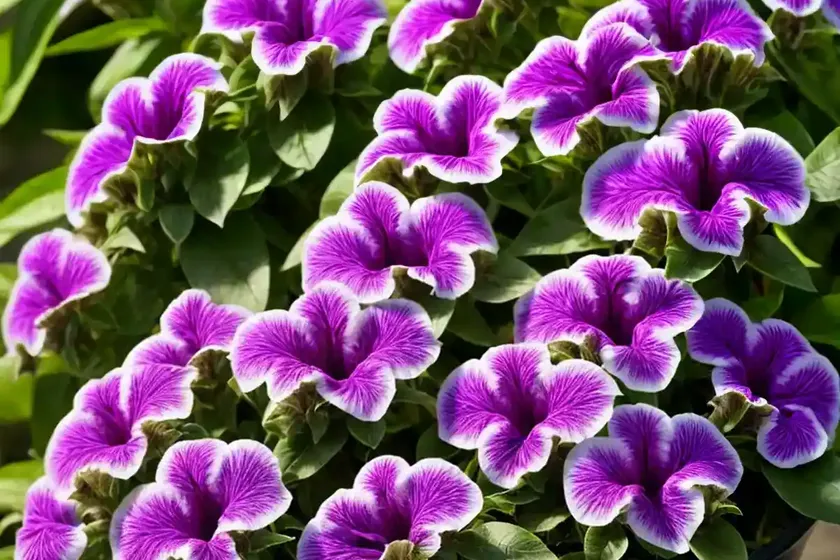
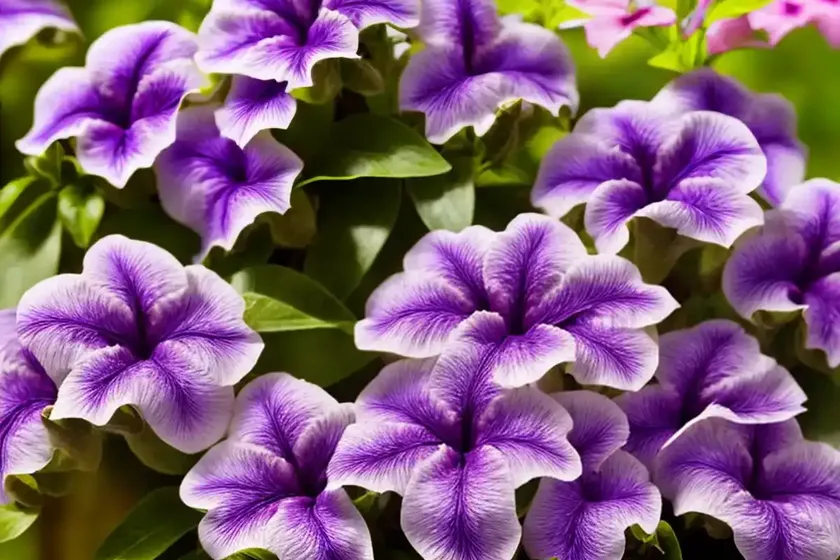
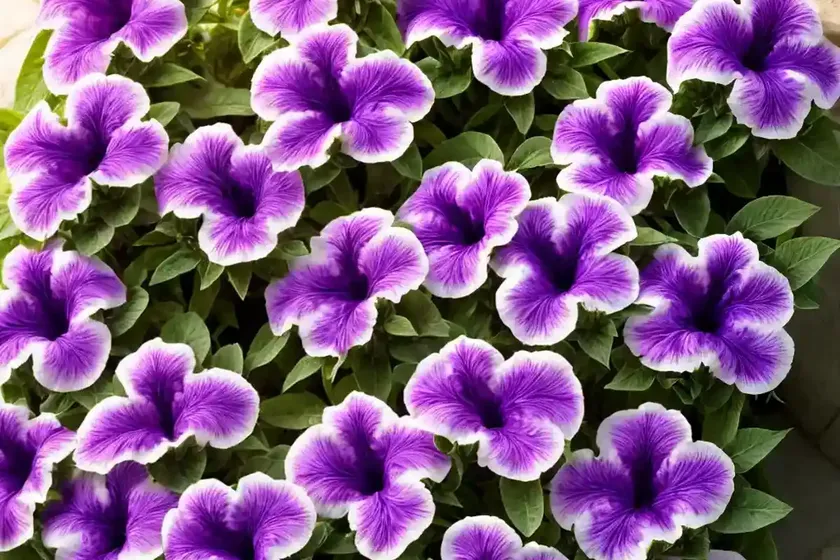
Wild petunia (Ruellia strepens) is a beloved perennial plant that is native to the southeastern United States. It is a member of the Acanthaceae family and is characterized by its vibrant, trumpet-shaped flowers and lush green foliage. This plant is known for its hardiness and ability to thrive in various conditions, making it a popular choice for both novice and experienced gardeners.
Key Takeaways
Wild Petunia (Ruellia strepens)
- Wild Petunia Care: Wild petunia requires minimal maintenance and is relatively easy to grow.
- Plant Benefits: Besides adding aesthetic beauty to any landscape, wild petunia is also known for its medicinal uses and its ability to attract pollinators.
- Propagation: This plant can be propagated through division and seeds.
- Landscaping Ideas: Wild petunia can be utilized in landscaping for its vibrant blooms and spreading habit.
Culture
Cultivating wild petunia can be an enjoyable and rewarding experience for any plant enthusiast. Understanding its specific cultural needs is essential for ensuring a thriving and healthy plant.
Uses
- Ornamental: Wild petunia is primarily used as an ornamental plant, providing colorful blooms and lush foliage to gardens, landscapes, and containers.
- Medicinal: In addition to its ornamental value, wild petunia holds medicinal significance, with its roots being used in herbal medicine for various ailments.
Water
Wild petunias thrive in moist but well-drained soils. Proper watering is essential for their growth and overall health.
- Watering Requirements: As a general rule, wild petunias should be watered deeply when the top inch of soil is dry to the touch. During the peak of summer, watering may be required more frequently to prevent the soil from drying out.
Sunlight
Adequate sunlight is crucial for the growth and flowering of wild petunias.
- Sunlight Needs: Wild petunia plants prefer full sun to partial shade, receiving at least 6-8 hours of direct sunlight daily.
Fertilizer
Proper nutrition is vital for wild petunias to produce an abundance of flowers and maintain lush foliage.
- Fertilization Schedule: During the growing season, wild petunias can be fertilized with an all-purpose, balanced fertilizer every 4-6 weeks. A slow-release fertilizer applied in spring can also support their growth and blooming.
Soil
The right soil conditions play a significant role in the health and vigor of wild petunias.
- Soil Type: Wild petunias thrive in well-draining soils with a slightly acidic to neutral pH (6.0-7.0). Amending the soil with organic matter can improve its structure and enhance the plant’s performance.
Pruning
Regular pruning can help maintain the shape and appearance of wild petunias.
- Pruning Techniques: Pruning spent flowers can encourage continuous blooming, while cutting back leggy or overgrown stems can promote a bushier, more compact growth habit.
Propagation
Wild petunias can be propagated through various methods, allowing for the expansion of their presence in a garden or landscape.
- Propagation Methods: Wild petunias can be propagated through division of the clumps and by collecting and sowing the seeds.
Container Popularity
The adaptability of wild petunias makes them a popular choice for container gardening.
- Container Gardening: Wild petunias can thrive in containers, adding vibrant color and graceful form to patios, balconies, or any small outdoor space.
Common Diseases
While relatively hardy, wild petunias are susceptible to certain diseases that can impact their health and appearance.
- Disease Diagnosis: Common diseases that affect wild petunias include powdery mildew, leaf spot, and root rot. Proper cultural practices and early detection can help manage and prevent these issues.
Common Pests
Wild petunias can attract unwanted pests that may compromise their growth and vitality.
- Pest Management: Aphids, spider mites, and whiteflies are among the common pests that may infest wild petunias. Regular monitoring and the use of natural predators or insecticidal sprays can help control pest populations.
Botanist’s Tips
- Optimal Growing Conditions: Providing well-draining soil, ample sunlight, and regular watering can contribute to the overall health and vigor of wild petunias.
- Deadheading: Removing spent blooms can promote continuous flowering and improve the plant’s appearance.
- Companion Planting: Pairing wild petunias with other native or pollinator-friendly plants can enhance biodiversity and attract beneficial insects.
Fun Facts
- Wild petunias are not true petunias but have earned their common name due to their superficial resemblance to the garden petunia (Petunia hybrida).
- The blooms of wild petunias are known to attract pollinators such as bees, butterflies, and hummingbirds, contributing to the ecological balance of their habitats.
Links to External Resources
For additional information on wild petunia (Ruellia strepens), refer to the following resources:
- University of Florida – Institute of Food and Agricultural Sciences
- Lady Bird Johnson Wildflower Center
In conclusion, wild petunia (Ruellia strepens) is a versatile and visually captivating plant that offers both ornamental appeal and ecological benefits. By understanding and meeting its specific cultural requirements, enthusiasts can cultivate thriving wild petunias in various settings, enhancing the natural beauty of their surroundings. Whether used in landscaping, container gardening, or as a medicinal plant, wild petunias continue to captivate and enrich the horticultural world with their unique charm and myriad benefits.