Wild Ginger (Asarum Minus)
Plants have always held a special place in human society, providing not only aesthetic beauty but also a myriad of practical uses. The Wild Ginger plant.
Plants have always held a special place in human society, providing not only aesthetic beauty but also a myriad of practical uses. The Wild Ginger plant, scientifically known as Asarum Minus, is a prime example of a plant that combines visual appeal with diverse functional properties. In this comprehensive guide, we will delve into the world of Wild Ginger, exploring its characteristics, growth requirements, uses, and much more.
What is Wild Ginger (Asarum Minus)?
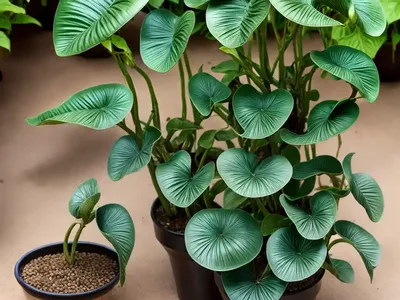
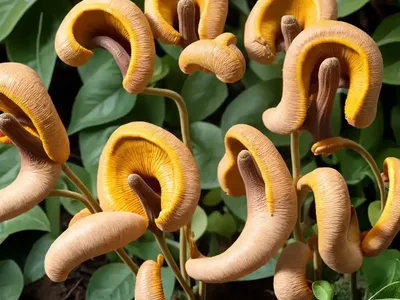
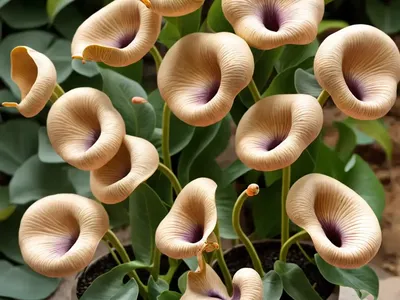
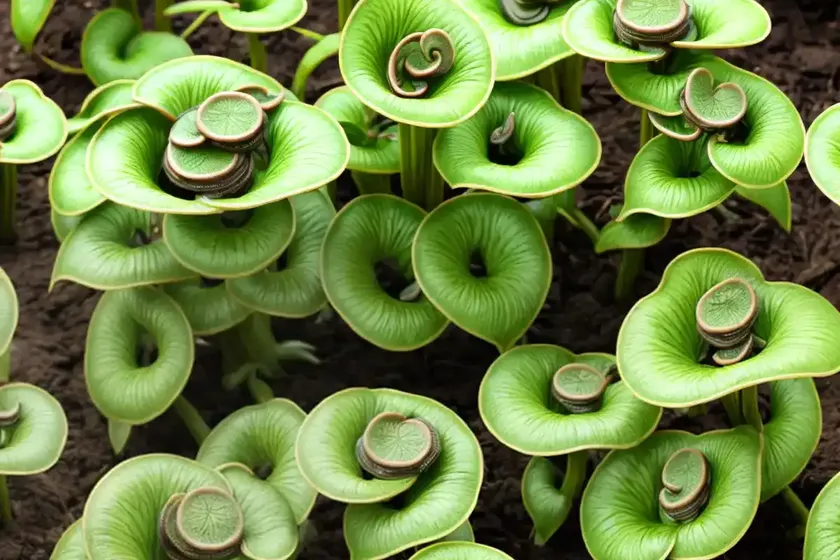
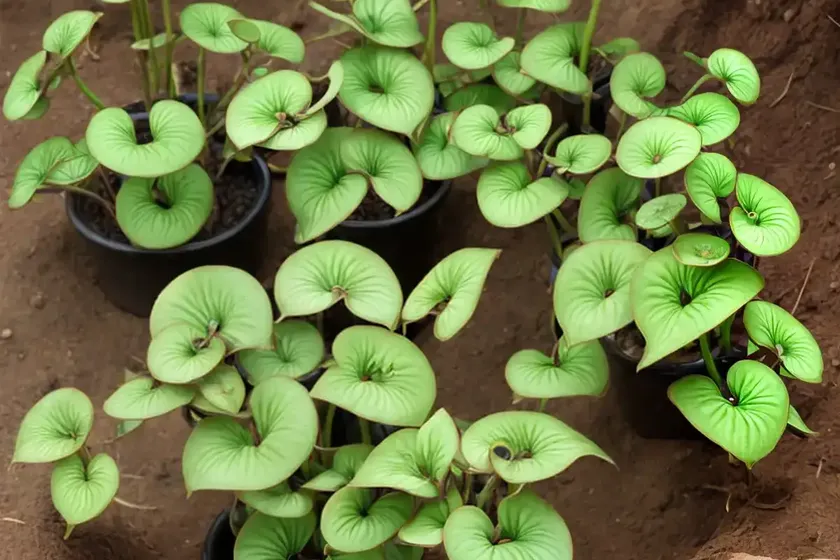
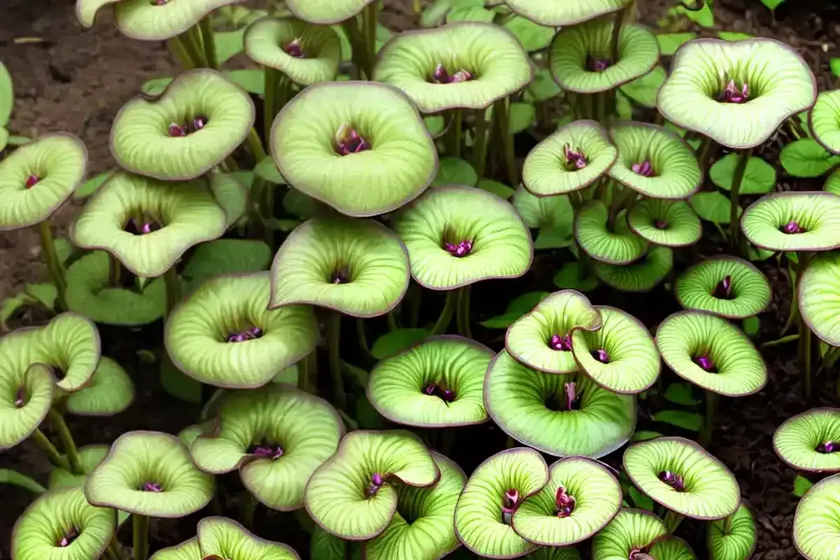
Wild Ginger, or Asarum Minus, is a low-growing perennial plant that belongs to the family Aristolochiaceae. Despite its name, Wild Ginger is not related to the culinary ginger plant (Zingiber officinale). Instead, it derives its name from the similar fragrance that its rhizomes emit when crushed. This plant is native to the woodlands and shady areas of Asia and Europe and is known for its heart-shaped leaves and curious, deep red to brown flowers that bloom close to the ground. Wild Ginger’s unique appearance and its adaptability to shade make it a popular choice for woodland and shade gardens.
Key Takeaways – Wild Ginger (Asarum Minus)
Before we dive deeper into the specifics of Wild Ginger, let’s take a quick look at some key takeaways that we will explore in this guide:
- Culture
- Uses
- Water
- Sunlight
- Fertilizer
- Soil
- Pruning
- Propagation
- Container Popularity
- Common Diseases
- Common Pests
- Botanist’s Tips
- Fun Facts
- Links to External Resources
Now, let’s explore these aspects of Wild Ginger in detail.
Culture of Wild Ginger (Asarum Minus)
Water
Wild Ginger thrives in evenly moist, well-draining soil. While it prefers consistent moisture, it is essential to avoid waterlogging the soil, as this can lead to root rot. During the growing season, regular watering is necessary, especially during hot, dry periods. However, it is equally crucial to allow the soil to dry out slightly between waterings to prevent overly damp conditions.
Sunlight
In its natural habitat, Wild Ginger is typically found in the shade of woodlands. As a result, it is well adapted to low-light conditions. When cultivating Wild Ginger, it is essential to provide dappled or partial shade to mimic its natural environment. Direct sunlight should be avoided, as it can scorch the delicate foliage of the plant.
Fertilizer
Being a woodland plant, Wild Ginger does not have high fertilizer requirements. A light application of a balanced, organic fertilizer in spring can provide the necessary nutrients for healthy growth. However, it is crucial to avoid over-fertilizing, as this can lead to excessive foliage growth at the expense of flowering.
Soil
Wild Ginger thrives in rich, humusy soil with a slightly acidic to neutral pH. It prefers soil that is well-draining and moisture-retentive, mimicking the conditions of its native woodland habitats. Incorporating organic matter such as compost or leaf mold into the soil can improve its texture and fertility, providing an ideal growing medium for Wild Ginger.
Pruning
Pruning requirements for Wild Ginger are minimal. Removal of any old or damaged foliage can be done in early spring before new growth emerges. Additionally, spent flowers can be deadheaded to promote a tidy appearance. Other than these routine maintenance tasks, Wild Ginger generally requires little pruning.
Uses of Wild Ginger (Asarum Minus)
Wild Ginger has a range of uses and benefits, making it a valuable addition to both gardens and landscapes. Some of its common uses include:
- Ornamental Planting: The attractive foliage and unique flowers of Wild Ginger make it a popular choice for ornamental planting in shade gardens, woodland gardens, and naturalized landscapes.
- Groundcover: Its low-growing habit and spreading nature allow Wild Ginger to function effectively as a groundcover, providing erosion control and suppressing weeds in shaded areas.
- Medicinal Purposes: In traditional medicine, certain species of Asarum, including Asarum Minus, are used for their medicinal properties. The rhizomes of Wild Ginger have been utilized in herbal remedies for various ailments in some cultures. However, it is important to note that the medicinal use of Wild Ginger should be approached with caution and under the guidance of a qualified healthcare professional, as certain species contain toxic compounds.
- Wildlife Attraction: The shelter provided by Wild Ginger’s dense foliage and the nectar produced by its flowers can attract and support a range of wildlife, including pollinators and small mammals.
Propagation of Wild Ginger (Asarum Minus)
Wild Ginger can be propagated through several methods, including division, seed sowing, and rhizome cuttings. Each of these techniques has its advantages and considerations:
Division
Division is one of the most common methods of propagating Wild Ginger. This involves digging up an established plant and dividing its rhizomes into sections, each containing at least one growing point or bud. These divisions can then be replanted in suitable locations. Division is generally best carried out in spring or fall when the plant is not in active growth.
Seed Sowing
While Wild Ginger does produce seeds, this method of propagation can be challenging due to the plant’s specific germination requirements and slow growth rate. It is important to note that Wild Ginger seeds may take several months to germinate, and successful seedlings may not appear for a considerable period. Therefore, patience is required when using this propagation method.
Rhizome Cuttings
Taking cuttings from the rhizomes of Wild Ginger can also be an effective way to propagate the plant. Carefully cutting sections of the rhizome and planting them in a suitable growing medium can encourage the development of new plants. However, it is crucial to ensure that each cutting has at least one viable bud or growing point to support new growth.
Container Popularity of Wild Ginger (Asarum Minus)
The adaptability of Wild Ginger to low-light conditions and its spreading, ground-hugging growth habit make it well-suited for container planting. When selecting a container for Wild Ginger, it is important to choose a size that allows for sufficient root development and moisture retention. Additionally, using a high-quality, well-draining potting mix can provide an ideal growing medium for the plant. Container-grown Wild Ginger can be used to add interest and texture to shaded patios, balconies, and indoor spaces, offering a touch of greenery even in areas with limited sunlight.
Common Diseases of Wild Ginger (Asarum Minus)
While Wild Ginger is generally resistant to many common plant diseases, it may be susceptible to certain issues under unfavorable conditions. The following are some of the potential diseases that can affect Wild Ginger:
Leaf Spot
Leaf spot diseases caused by various fungal pathogens can manifest as small, dark lesions on the foliage of Wild Ginger. To prevent leaf spot, it is essential to ensure good air circulation around the plant and avoid overhead watering, which can create conditions conducive to fungal growth.
Root Rot
Overly wet or waterlogged soil can lead to root rot in Wild Ginger. This can cause the plant to wilt, decline, and exhibit poor growth. To prevent root rot, it is crucial to maintain well-draining soil conditions and avoid excessive watering.
Powdery Mildew
Under certain conditions of high humidity and poor air circulation, Wild Ginger may be susceptible to powdery mildew, which presents as a powdery, white fungal growth on the foliage. Ensuring proper spacing between plants and maintaining good air movement can help mitigate the risk of powdery mildew.
Disease Diagnosis and Treatment
Recognizing the symptoms of diseases affecting Wild Ginger is essential for implementing appropriate treatment measures. Here are some general guidelines for diagnosing and managing common diseases:
- Regular Inspection: Monitor the foliage and overall health of Wild Ginger regularly to detect any signs of disease early on.
- Cultural Practices: Implement cultural practices that promote optimal growing conditions, including proper watering, soil drainage, and air circulation.
- Quarantine Infected Plants: If a plant is diagnosed with a disease, consider isolating it from healthy plants to prevent the spread of the infection.
- Fungicidal Treatments: In severe cases of fungal diseases, applying targeted fungicidal treatments approved for use on ornamental plants may be necessary. It is important to follow the manufacturer’s instructions and safety guidelines when using any chemical treatments.
Common Pests Affecting Wild Ginger (Asarum Minus)
While Wild Ginger is relatively resistant to pest infestations, it may occasionally encounter certain common garden pests. Here are a few pests that may affect Wild Ginger and some tips for managing these issues:
Slugs and Snails
Slugs and snails may feed on the foliage of Wild Ginger, resulting in ragged, chewed leaves. To control these pests, various methods can be employed, including handpicking, barriers, and the use of organic or chemical slug and snail control products.
Aphids
Aphids are small, soft-bodied insects that can cluster on the undersides of Wild Ginger leaves and feed on plant sap. Natural predators such as ladybugs and lacewings can help keep aphid populations in check. Additionally, spraying the affected foliage with a strong stream of water or using insecticidal soap can assist in managing aphid infestations.
Spider Mites
Under dry and dusty conditions, spider mites may infest Wild Ginger, causing stippling and discoloration of the foliage. Increasing humidity through regular misting and employing predatory mites or insecticidal treatments can aid in controlling spider mite populations.
Botanist’s Tips for Growing Wild Ginger (Asarum Minus)
As a plant scientist with a keen interest in horticulture, I am pleased to share some valuable tips for successfully growing and caring for Wild Ginger:
- Selective Planting: When choosing a site for Wild Ginger, select areas with well-draining, humus-rich soil and dappled or partial shade. Avoid areas with compacted or poorly draining soil, as this can lead to moisture-related issues.
- Mulching: Applying a layer of organic mulch around Wild Ginger can help conserve soil moisture and suppress weed growth. However, it is important to avoid piling mulch against the plant’s stems to prevent potential rot issues.
- Companion Planting: Pairing Wild Ginger with shade-loving companion plants such as ferns, hostas, and bleeding hearts can create visually appealing and ecologically beneficial woodland garden settings.
- Regular Monitoring: Keep a close eye on the moisture levels of the soil, especially during hot and dry periods. Adjust watering practices as needed to maintain consistent but not waterlogged conditions for the plant.
- Winter Protection: In regions with harsh winters, providing a protective layer of mulch can help insulate the rhizomes of Wild Ginger and shield them from extreme temperatures.
Fun Facts about Wild Ginger (Asarum Minus)
As we continue our exploration of Wild Ginger, it’s intriguing to uncover some fascinating and lesser-known facts about this exceptional plant:
- Ethnobotanical Uses: In certain cultures, Wild Ginger has been used in traditional medicine for its alleged medicinal properties, including as a remedy for digestive issues and colds. However, it is important to approach the use of Wild Ginger for any medicinal purpose with caution and under the guidance of knowledgeable professionals.
- Symbolism: In some traditions, Wild Ginger is associated with symbolism related to protection, resilience, and hidden treasures. Its presence in woodland settings is believed to offer a sense of sanctuary and security.
- Wildlife Support: The low, dense foliage of Wild Ginger provides a haven for small wildlife such as salamanders and insects, contributing to the biodiversity of woodland ecosystems.
- Folklore and Legends: Wild Ginger has been the subject of various folklore and legends in different cultures, often tied to its unique appearance and aroma. Stories of its mystical properties and hidden virtues have persisted through generations.
Links to External Resources
To further expand your knowledge and appreciation of Wild Ginger, I recommend exploring the following external resources:
- The American Horticultural Society’s Guide to Wild Ginger
- Botanical Society of Britain & Ireland – Asarum Minus
- Royal Horticultural Society – Growing Wild Ginger
- University of California Agriculture & Natural Resources – Integrated Pest Management for Wild Ginger
In conclusion, Wild Ginger, or Asarum Minus, is a captivating and versatile plant that offers a range of possibilities for ornamental, practical, and ecological use. From its suitability for shade gardens and woodland landscapes to its potential medicinal and wildlife-supporting qualities, Wild Ginger embodies a remarkable convergence of beauty and functionality. As plant enthusiasts and horticulturalists, embracing the uniqueness of Wild Ginger enriches our understanding of the natural world and the diverse roles that plants play in our lives.
Thank you for joining me on this journey through the captivating realm of Wild Ginger. May this guide inspire you to explore, appreciate, and cultivate the remarkable qualities of Asarum Minus in your own gardening endeavors.
Please note that while the information provided in this guide is based on sound horticultural knowledge and botanical literature, it is always advisable to consult local experts and resources for region-specific advice and recommendations.