California Snakeroot (Aristolochia Californica)
California snakeroot, scientifically known as Aristolochia californica, is a native perennial plant to California that boasts a unique and fascinating set.
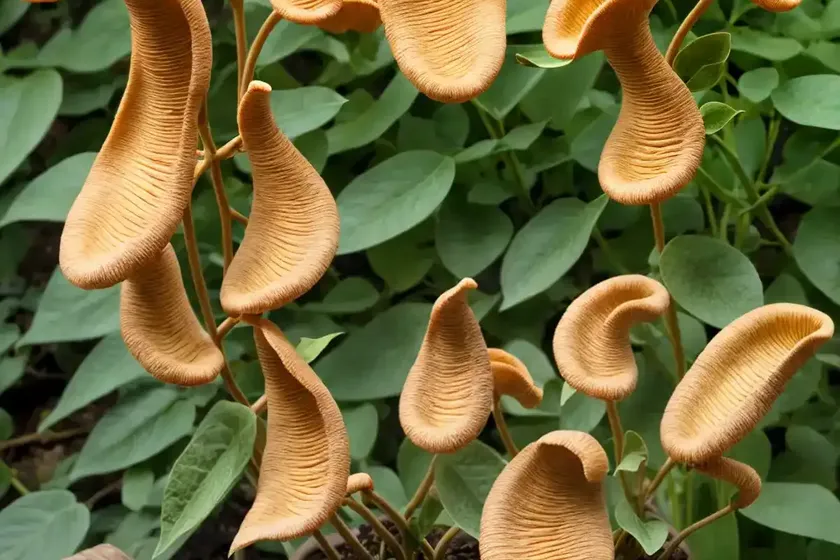
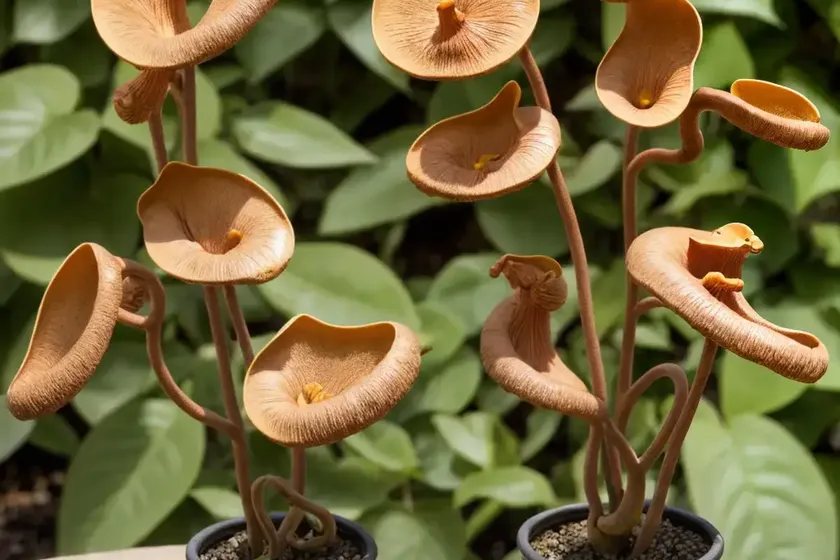
California snakeroot, scientifically known as Aristolochia californica, is a native perennial plant to California that boasts a unique and fascinating set of characteristics. It is a member of the Aristolochiaceae family and is often cultivated for its medicinal properties, ecological significance, and ornamental value. Throughout this comprehensive guide, we will delve into the various aspects of California snakeroot, including its cultural needs, uses, ecological importance, and more. So let’s explore everything you need to know about this captivating plant.
What is California Snakeroot (Aristolochia Californica)?
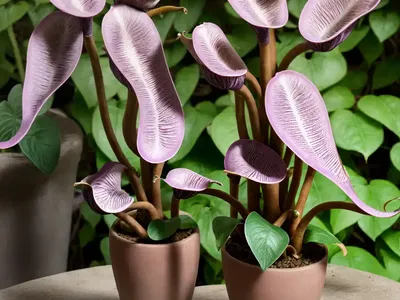
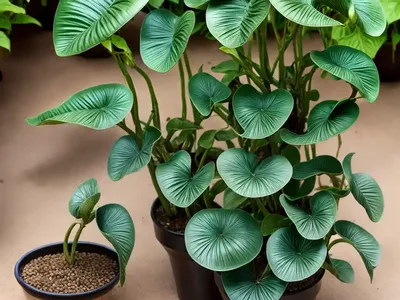
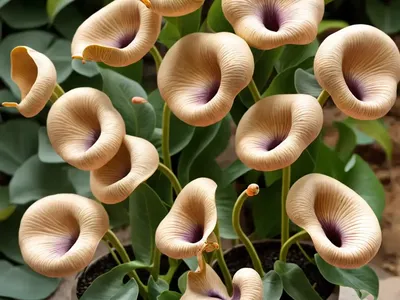
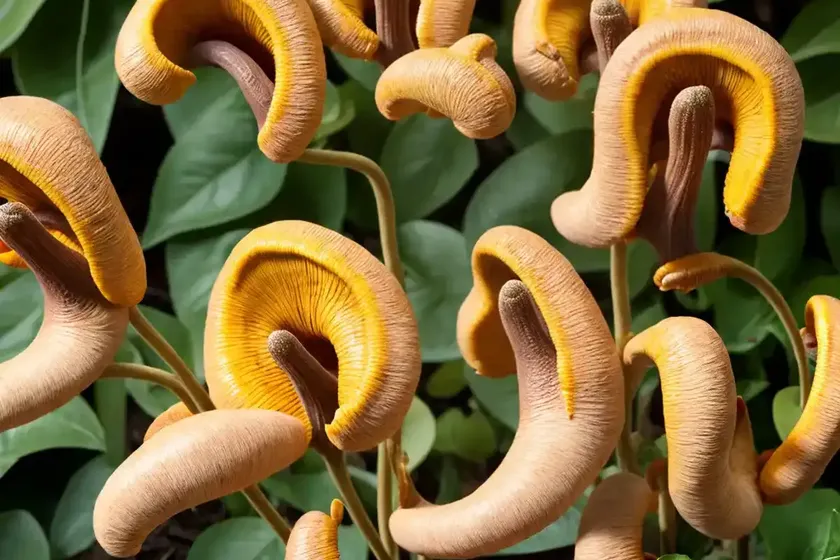
California snakeroot, or Aristolochia californica, is a perennial herbaceous plant native to California. This plant is known for its distinct heart-shaped leaves and unusual, intricate flowers that make it a unique addition to any garden. It belongs to the birthwort family, Aristolochiaceae, which comprises over 500 species distributed around the world. The species name “californica” denotes its native habitat – California.
Key Takeaways – California Snakeroot (Aristolochia Californica)
Before we dive deeper into the specifics of growing and caring for California snakeroot, let’s start by summarizing some of the essential points about this fascinating plant.
- Scientific Name: Aristolochia Californica
- Common Name: California Snakeroot
- Family: Aristolochiaceae
- Plant Type: Perennial Herbaceous Vine
- Native Habitat: California, USA
- USDA Hardiness Zones: 7-10
- Uses: Medicinal, Ecological, Ornamental
- Endangered Status: Endangered in Certain Regions
- Growth Habit: Climbing Vine
- Unique Feature: Unusual, Intricate Flowers
- Color: Green, Purple
Now, let’s explore the various aspects of caring for and cultivating California snakeroot, from its cultural requirements to its uses, and ecological importance.
Cultivation of California Snakeroot
Cultivating California snakeroot is a rewarding endeavor, whether for its ecological significance, medicinal properties, or ornamental appeal. Understanding its specific requirements and cultural practices is essential for successfully growing and nurturing this unique plant.
Uses
California snakeroot boasts a diverse range of uses, making it a valuable plant in various contexts. Its uses include medicinal applications, ecological significance, and ornamental purposes.
Medicinal Uses
The leaves and roots of California snakeroot have been traditionally used by indigenous tribes for their medicinal properties. They were often used to treat various ailments, including snakebites and skin conditions. However, it’s crucial to note that while some Aristolochia species have been historically used in herbal medicine, they contain aristolochic acid, which can be toxic and carcinogenic if ingested. Therefore, it is essential to use caution and seek guidance from qualified herbalists or healthcare professionals before using California snakeroot for medicinal purposes.
Ecological Significance
In its natural habitat, California snakeroot plays a vital role in supporting local ecosystems. It serves as a host plant for certain species of butterflies, contributing to biodiversity and ecological balance. Additionally, its presence in the garden can attract beneficial pollinators, such as bees and hummingbirds, further enhancing the surrounding environment.
Ornamental Purposes
From an ornamental standpoint, California snakeroot adds a unique and captivating touch to gardens and landscapes. Its distinctive foliage and intricate flowers make it an eye-catching feature in a variety of settings, ranging from native plant gardens to woodland landscapes.
Water
When it comes to watering California snakeroot, it’s crucial to strike a balance that mimics its natural habitat. As a native plant of California, it is adapted to the Mediterranean climate of the region, characterized by wet winters and dry summers. Therefore, it thrives in well-drained soil and generally requires moderate watering during the growing season. It’s important to avoid overwatering, as excessive moisture can lead to root rot and other issues.
Sunlight
In terms of sunlight requirements, California snakeroot flourishes in partial to full shade. In its natural habitat, it often grows under the canopy of oak woodlands or alongside other trees and shrubs. When cultivating it in gardens, providing dappled shade or filtered sunlight akin to its native environment can promote healthy growth and flowering.
Fertilizer
California snakeroot typically does not have high fertilizer requirements, especially when grown in its native soil conditions. In a garden setting, incorporating organic matter into the soil during planting can provide sufficient nutrients for the plant’s initial growth. As the plant establishes itself, occasional top dressing with compost or a balanced organic fertilizer can support its continued vigor.
Soil
The soil preferences of California snakeroot align with its native environment, favoring well-drained, slightly acidic to neutral soils. Soil that is rich in organic matter and harbors good drainage qualities is ideal for promoting healthy root development and overall plant vitality. Additionally, incorporating a layer of mulch around the base of the plant can help maintain soil moisture and provide a favorable microclimate.
Pruning
Pruning California snakeroot is generally minimal, primarily focused on maintenance and shaping rather than extensive pruning. Removing any dead or damaged growth, along with light pruning to manage its spread, can help maintain a tidy and well-structured appearance. However, it’s important to exercise caution when pruning, as some Aristolochia species contain toxic compounds, and contact with sap should be avoided.
Propagation
California snakeroot can be propagated through various methods, such as seeds, division, and cuttings. Seed propagation is one viable approach, although it may require stratification to promote germination. Division of mature plants can also be successful, allowing for the creation of new individuals from established clumps. Additionally, rooting stem cuttings in a suitable growing medium offers another means of propagation. Careful attention to timing and environmental conditions can enhance the success rate of propagation efforts.
Container Popularity
While California snakeroot is often grown in garden settings, it can also thrive in containers, making it a versatile option for container gardening enthusiasts. Its ability to adapt to container culture opens up possibilities for incorporating this unique plant in various outdoor and indoor spaces, from patios and balconies to interior rooms with ample natural light.
Common Diseases and Pests
Understanding the potential diseases and pests that can affect California snakeroot is pivotal for maintaining its health and vigor. By identifying common issues and implementing appropriate measures, gardeners can mitigate the impact of these challenges.
Common Diseases
One of the potential diseases that can affect California snakeroot is powdery mildew, a fungal infection characterized by the presence of white powdery patches on the leaves. Adequate air circulation, proper spacing, and avoiding overhead watering can help minimize the risk of powdery mildew. Additionally, maintaining overall plant health through proper cultural practices can enhance its resilience to diseases.
Disease Diagnosis
When diagnosing diseases in California snakeroot, careful observation of the plant’s foliage, stems, and overall appearance is crucial. Early signs of discoloration, wilting, or abnormal growth should prompt proactive investigation to identify the specific issue and initiate appropriate management strategies. Seeking guidance from local extension services or plant pathology experts can aid in accurate disease diagnosis and targeted treatment.
Common Pests
In terms of pests, aphids and spider mites are among the potential culprits that can infest California snakeroot. These tiny pests can cause damage by feeding on the plant’s sap and creating stress for the host. Regular monitoring of the plant for signs of pest activity, such as distorted growth or stippled leaves, can help detect infestations early. Implementing natural control methods, such as introducing beneficial insects or using insecticidal soaps, can aid in managing pest populations.
Botanist’s Tips
To ensure the successful cultivation of California snakeroot, it’s valuable to heed the advice and insights of experienced botanists and horticulturists. Their tips can shed light on the nuances of caring for this unique plant, offering practical guidance for fostering its growth and maximizing its potential in various settings.
-
Ample Shade: Providing the plant with the right amount of shade, whether in a garden or container, is key to its overall health and longevity. Mimicking the dappled shade of its native habitat can promote thriving growth.
-
Moderate Watering: Balancing the plant’s water needs is essential, particularly during the summer months. While it requires moisture, overwatering should be avoided to prevent potential root issues.
-
Support for Climbing Growth: As a climbing vine, California snakeroot benefits from a supporting structure to climb upon. Using a trellis, arbor, or other support can help showcase its elegant growth habit.
-
Native Plant Landscaping: Incorporating California snakeroot in native plant landscaping schemes can contribute to the preservation of indigenous flora and provide ecological benefits for local fauna.
-
Regular Monitoring: Keeping a close eye on the plant for any signs of stress, disease, or pests enables proactive intervention, ensuring its continued well-being.
Fun Facts About California Snakeroot
Before we delve into more practical aspects of caring for California snakeroot, let’s explore some intriguing and lesser-known facts about this captivating plant:
-
Historical Uses: California snakeroot has a rich history of traditional uses in Native American medicine, where it was utilized for its potential medicinal properties.
-
Ecological Importance: In addition to its ornamental appeal, California snakeroot holds ecological significance as a host plant for certain butterfly species, contributing to local biodiversity.
-
Endangered Status: In certain regions, California snakeroot is classified as an endangered plant species, highlighting the importance of conservation efforts.
-
Culinary Uses: While caution is advised due to potential toxicity, some historical accounts mention the culinary uses of this plant by indigenous communities.
-
Natural Dyes: Certain parts of California snakeroot have been utilized to produce natural dyes with various colors, showcasing its versatility beyond ornamental and medicinal realms.
Links to External Resources
For further exploration and in-depth information on California snakeroot, the following external resources provide valuable insights and guidance:
These resources offer a wealth of knowledge on native plants, including California snakeroot, and serve as valuable references for plant enthusiasts, researchers, and conservationists.
In conclusion, California snakeroot, or Aristolochia californica, represents a remarkable plant with a blend of ecological, ornamental, and potential medicinal attributes. By understanding its cultural requirements, ecological significance, and historical uses, we can appreciate its multifaceted nature and contribute to the conservation of this captivating native species.
As we continue to embrace the value of native plants in our landscapes and gardens, California snakeroot stands out as a compelling choice, inspiring us with its unique characteristics and enriching the natural tapestry of our surroundings. Whether admired for its intricate blooms, utilized for its potential ecological contributions, or explored for its historical relevance, California snakeroot invites us to delve into the diverse dimensions of native plant life and the stories they hold within their roots and leaves.