Wild Garlic (Tulbaghia Violacea ‘Silver Lace’)
As a plant scientist, I have always been fascinated by the vast array of flora that graces our planet. Among this diverse world of plants, one species that.
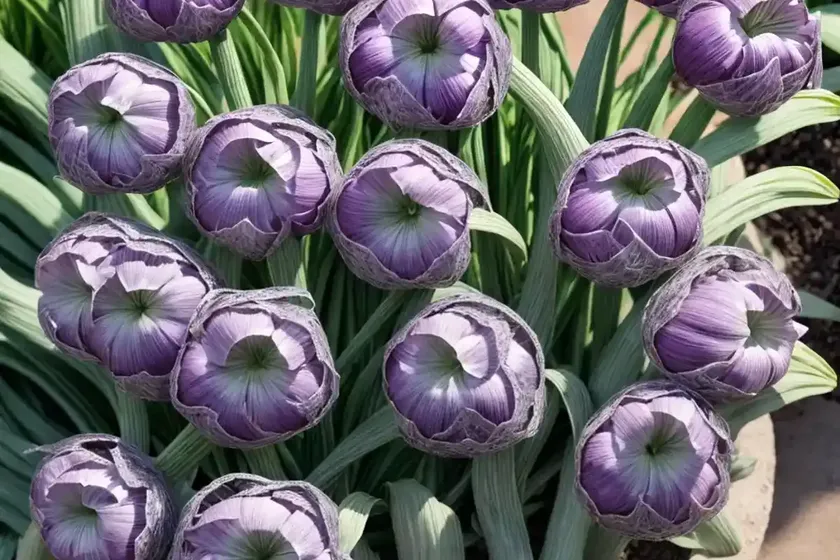
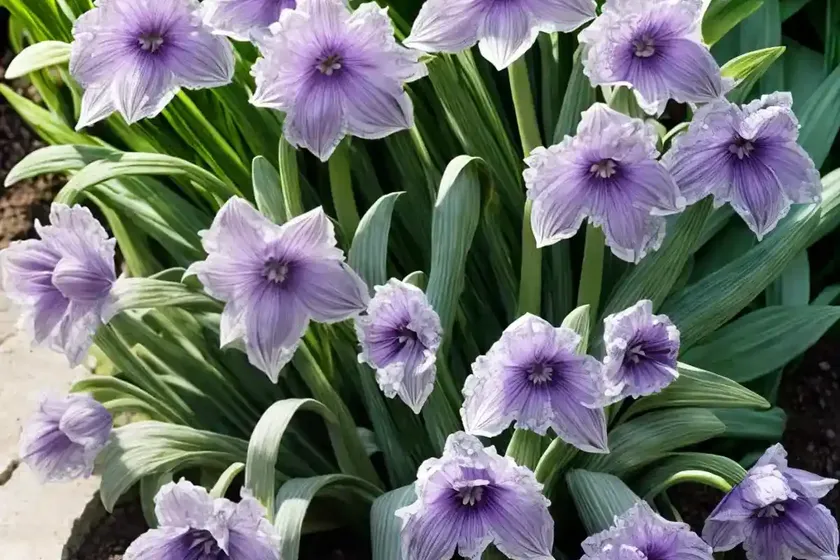
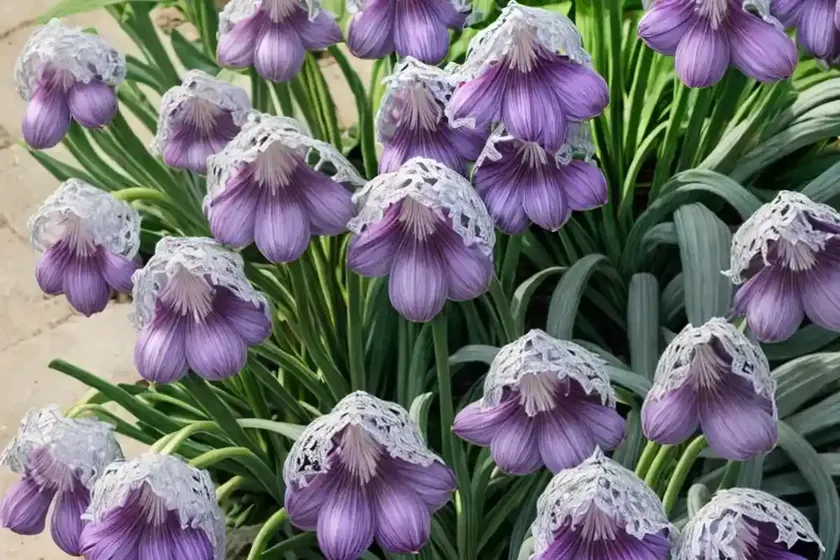
As a plant scientist, I have always been fascinated by the vast array of flora that graces our planet. Among this diverse world of plants, one species that has particularly captured my attention is the wild garlic, scientifically known as Tulbaghia violacea ‘Silver Lace’. This marvelous herbaceous plant has garnered a significant following for its ornamental and culinary uses, as well as for its ecological benefits. In this comprehensive guide, we will delve into the intricate world of wild garlic, exploring its culture, uses, maintenance, and much more.
What is Wild Garlic (Tulbaghia violacea ‘Silver Lace’)?
Wild garlic, or Tulbaghia violacea ‘Silver Lace’, is a stunning perennial plant that belongs to the Alliaceae family. This species is native to southern Africa, where it thrives in a variety of habitats, from grasslands to rocky outcrops. Characterized by its slender, arching leaves and delicate, trumpet-shaped flowers, this plant stands out for its beauty and versatility. The foliage of Tulbaghia violacea ‘Silver Lace’ exudes a distinct garlic scent, which adds to its allure and sets it apart from other ornamental plants.
Key Takeaways – Wild Garlic (Tulbaghia violacea ‘Silver Lace’)
Before we dive into the finer details of this extraordinary plant, let’s take a quick look at the key takeaways that we will be exploring in this guide:
- Culture
- The ideal conditions for cultivating wild garlic and maximizing its growth potential.
- Uses
- Both conventional and unconventional applications of Tulbaghia violacea ‘Silver Lace’ in landscaping, cooking, and health.
- Water
- Guidelines on watering frequency and quantity to maintain optimal soil moisture.
- Sunlight
- Understanding the light requirements of wild garlic and its adaptability to various light conditions.
- Fertilizer
- The role of fertilization in promoting healthy growth and flowering in Tulbaghia violacea ‘Silver Lace’.
- Soil
- The preferred soil type, pH level, and drainage characteristics for this plant.
- Pruning
- Essential pruning practices to shape and rejuvenate wild garlic plants.
- Propagation
- Techniques for propagating Tulbaghia violacea ‘Silver Lace’ to expand its presence in your garden.
- Container Popularity
- Insights into the growing popularity of cultivating wild garlic in containers.
- Common Diseases
- Identification and management of prevalent diseases that may affect this plant.
- Disease Diagnosis
- Understanding the symptoms and causes of diseases to effectively diagnose and treat them.
- Common Pests
- Recognizing and addressing common pest issues that plague Tulbaghia violacea ‘Silver Lace’.
- Botanist’s Tips
- Expert advice and handy tips for nurturing thriving wild garlic plants.
- Fun Facts
- Interesting and lesser-known facts about this fascinating plant.
Now that we have a roadmap for our exploration, let’s begin our journey into the world of Tulbaghia violacea ‘Silver Lace’.
Culture
Water
Adequate water supply is crucial for the healthy growth and development of wild garlic plants. Aim to maintain consistently moist, well-draining soil to ensure optimal conditions for Tulbaghia violacea ‘Silver Lace’. However, it’s important to prevent waterlogging, as excessively wet soil can lead to root rot and other detrimental conditions. During periods of active growth, typically spring and summer, regular watering is essential. In contrast, the plant can tolerate drier conditions during the dormant winter season. When watering, aim to keep the soil evenly moist, without allowing it to become waterlogged.
Sunlight
Tulbaghia violacea ‘Silver Lace’ thrives in full sun to partial shade, exhibiting adaptability to different light conditions. Ideally, the plant should receive at least 4-6 hours of direct sunlight per day to support robust growth and profuse flowering. In regions with intense summer heat, providing partial shade during the hottest part of the day can prevent scorching and maintain the plant’s overall vigor. Understanding the light requirements of wild garlic is pivotal in ensuring its productivity and ornamental appeal.
Fertilizer
To promote healthy foliage and abundant flowering, wild garlic benefits from periodic fertilization. A balanced, slow-release fertilizer with a higher phosphorus content can support robust blooming and overall plant vitality. Apply the fertilizer in early spring as new growth emerges, following the recommended dosage specified on the product label. Avoid excessive nitrogen, as it can result in lush foliage at the expense of flowering. Additionally, incorporating organic matter into the soil during planting or as a top-dressing can enhance the soil’s fertility and beneficial microbial activity, further benefiting Tulbaghia violacea ‘Silver Lace’.
Soil
The preferred soil for wild garlic is well-draining, moderately fertile, and slightly acidic to neutral. A loamy or sandy loam soil type is well-suited for cultivating Tulbaghia violacea ‘Silver Lace’, facilitating adequate drainage while retaining sufficient moisture for the plant’s requirements. Ensuring good soil structure and fertility is essential in supporting this plant’s long-term health and performance. Incorporating organic matter such as compost or leaf mold into the soil can help improve its quality, promoting beneficial microbial activity and enhancing nutrient availability to the plant.
Pruning
Pruning serves as a fundamental aspect of wild garlic maintenance, helping to shape the plant, remove spent flowers, and rejuvenate its growth. Scheduled pruning can also prevent the plant from becoming overcrowded and enhance air circulation within the foliage, reducing the risk of disease. Deadheading, the removal of faded blooms, encourages the production of additional flowers and maintains the plant’s ornamental appeal. In late winter or early spring, prune back the previous season’s growth to rejuvenate the plant and stimulate vigorous new growth. This practice helps to maintain the plant’s overall vigor while preventing the accumulation of old, woody growth.
Propagation
Propagating Tulbaghia violacea ‘Silver Lace’ can be achieved through various methods, including division, seed sowing, and offsets. Division offers a straightforward means of multiplying the plant, particularly during the early spring when new growth emerges. Gently dig up the plant and divide the rhizomes, ensuring that each division possesses sufficient roots and foliage for successful establishment. Replant the divisions at the same depth they were previously growing, taking care to provide adequate watering and monitoring their progress.
Container Popularity
The rising trend of cultivating wild garlic in containers stems from the plant’s adaptability to confined spaces and its ornamental appeal. Container gardening offers the flexibility of growing Tulbaghia violacea ‘Silver Lace’ in various settings, including balconies, patios, and small urban gardens. The portability of containers allows for easy relocation of the plant to optimize its exposure to sunlight and enhance its visual impact within the garden landscape. When growing wild garlic in containers, ensure that the pots feature sufficient drainage holes and use a well-draining potting mix suited for perennial plants.
Now that we’ve covered the fundamental aspects of the culture and maintenance of wild garlic, let’s turn our focus to its diverse uses and applications.
Uses
Ornamental Value
Tulbaghia violacea ‘Silver Lace’ holds significant appeal as an ornamental plant, gracing gardens with its delicate, star-like flowers and slender, aromatic foliage. As a versatile landscaping plant, it serves as an excellent choice for borders, rock gardens, and container arrangements. The plant’s showy flowers, which vary in color from pale lilac to deep purple, add a captivating visual element to the garden and attract beneficial pollinators such as bees and butterflies. Its neat, clumping growth habit and low maintenance requirements further contribute to its popularity in ornamental horticulture.
Culinary Applications
While Tulbaghia violacea ‘Silver Lace’ shares a resemblance with true garlic in terms of its aroma and flavor, it belongs to a different genus and species. The plant’s leaves possess a mild garlic-like flavor, making them suitable for culinary use. They can be incorporated into a wide range of dishes, including salads, soups, stir-fries, and savory pastries, imparting a subtle garlic nuance to the culinary creations. The delicate, edible flowers of Tulbaghia violacea ‘Silver Lace’ offer an attractive garnish, further enhancing its culinary appeal.
Medicinal Properties
In traditional medicine, certain parts of wild garlic, including its leaves and flowers, have been utilized for their purported medicinal properties. The plant is believed to possess antibacterial and antifungal properties, offering potential benefits for various health applications. Extracts derived from Tulbaghia violacea ‘Silver Lace’ have been investigated for their pharmacological properties, with research indicating promising avenues for further exploration in the realms of natural medicine and wellness.
Companion Planting
In gardening, wild garlic serves as an excellent companion plant, particularly for its potential to repel pests and deter harmful insects. Placing Tulbaghia violacea ‘Silver Lace’ near susceptible crops can help protect them from certain pests, benefiting the overall health and productivity of the garden. Additionally, its aromatic qualities may contribute to a more diverse and biologically active garden ecosystem, supporting the presence of beneficial insects and enhancing pollination.
Common Diseases
Disease Diagnosis
Wild garlic, like many plants, is susceptible to certain diseases that can affect its overall health and appearance. Understanding the symptoms and causes of these diseases is pivotal in effective diagnosis and treatment. Some common diseases that may affect Tulbaghia violacea ‘Silver Lace’ include:
-
Fungal Diseases: Botrytis blight, powdery mildew, and leaf spot diseases are among the potential fungal ailments that can afflict wild garlic. These diseases often manifest as discolored or spotted foliage, wilting, or the presence of powdery growth on the plant. Managing these conditions typically involves the application of fungicidal treatments, improving air circulation, and maintaining appropriate watering practices to reduce excess humidity.
-
Viral Infections: Viral diseases can cause various symptoms in wild garlic, such as mottling and distortion of leaves, stunted growth, and a general decline in plant vigor. Once a plant is infected with a virus, there are limited treatment options available, making prevention and control of viral vectors crucial in safeguarding the plant’s health.
-
Bacterial Diseases: Bacterial blights and rots can affect wild garlic, leading to symptoms such as water-soaked lesions, leaf necrosis, and general tissue decay. Proper sanitation, such as the removal and destruction of infected plant material, and the application of copper-based bactericides, can aid in managing bacterial diseases.
Common Pests
Wild garlic is relatively resistant to most pests, owing to its aromatic foliage and natural defensive compounds. However, there are certain pests that may occasionally trouble Tulbaghia violacea ‘Silver Lace’:
-
Thrips: These small, elongated insects can cause stippling and silvering of the foliage, impacting the plant’s aesthetic appeal. Neem oil and insecticidal soap applications are effective in managing thrips infestations, minimizing their impact on the plant.
-
Aphids: Aphids may occasionally feed on the tender growth of wild garlic, resulting in distorted foliage and stunted plant growth. Spraying the affected plants with a strong jet of water or applying insecticidal soap can help control aphid populations and prevent widespread damage.
-
Snails and Slugs: These mollusks can feed on the tender leaves and flowers of Tulbaghia violacea ‘Silver Lace’, causing unsightly damage. Employing physical barriers, such as copper tape, and using pet-safe slug and snail baits can mitigate their impact on the plant.
Botanist’s Tips
-
Enhancing Flowering: To encourage prolific blooming, consider occasionally deadheading the spent flowers and applying a balanced fertilizer formulated for flowering plants during the growing season. This practice can promote continuous flowering and maintain the plant’s ornamental appeal.
-
Seasonal Maintenance: Regularly inspect and groom wild garlic plants, removing any dried or discolored foliage, spent flowers, and overall debris. This practice not only enhances the plant’s visual appeal but also reduces the risk of disease and pest infestations.
-
Aromatic Harvest: When harvesting wild garlic leaves for culinary use, opt for young, tender foliage that possesses the optimal flavor and aroma. Use a sharp pair of scissors or pruning shears to selectively harvest leaves, allowing the plant to regenerate and continue producing new growth.
-
Overwintering Precautions: In regions with harsh winter conditions, consider providing a layer of mulch around the base of Tulbaghia violacea ‘Silver Lace’ to insulate the roots and protect the plant from frost damage. Mulching also helps retain soil moisture and prevent temperature fluctuations that can stress the plant.
-
Propagation Practices: When propagating wild garlic through division or offsets, ensure that the newly established plants receive ample water and protection from excessive heat or direct sunlight until they become established. This aids in their successful acclimatization to their new growing environment.
Fun Facts
- The specific epithet violacea in the scientific name Tulbaghia violacea refers to the plant’s characteristic violet-colored flowers, which contribute to its visual appeal and ornamental value.
- In addition to its culinary uses, the aromatic foliage of Tulbaghia violacea ‘Silver Lace’ has historical significance, as it was utilized to repel pests and protect stored grain in traditional settings.
- This plant’s distinct garlic-like scent and flavor have contributed to its colloquial names, including ornamental garlic, wild garlic, and garlic chives, reflecting its characteristic aroma and taste profile.
With its diverse uses, adaptability, and visual allure, Tulbaghia violacea ‘Silver Lace’ continues to captivate gardening enthusiasts and plant lovers around the world. Whether utilized as an ornamental feature, a culinary ingredient, or a natural deterrent against pests, this remarkable plant enriches gardens and landscapes with its intrinsic beauty and practical benefits.
Links to External Resources
For further exploration and in-depth information on wild garlic (Tulbaghia violacea ‘Silver Lace’), I recommend the following reputable resources:
- Royal Horticultural Society (RHS) – Tulbaghia violacea ‘Silver Lace’
- Missouri Botanical Garden – Tulbaghia violacea
- University of California, Davis – Wild Garlic Control
- Oregon State University Extension Service – Tulbaghia violacea – Society Garlic
- Gardening Know How – Growing Society Garlic Plants: Information For Growing Wild Garlic In Gardens
- Colorado State University Extension – Tulbaghia violacea – Wild Garlic
These resources offer a wealth of knowledge and insights into the cultivation, applications, and ecological contributions of Tulbaghia violacea ‘Silver Lace’, providing valuable guidance for gardening enthusiasts and horticultural enthusiasts alike.
In conclusion, wild garlic (Tulbaghia violacea ‘Silver Lace’) stands as a testament to the remarkable diversity of plants and their myriad uses. From its ornamental allure to its culinary versatility and ecological significance, this extraordinary plant continues to leave an indelible mark on the world of horticulture and botany. As we continue to appreciate and explore the wonders of Tulbaghia violacea ‘Silver Lace’, let us also strive to preserve and celebrate the rich tapestry of nature that surrounds us, embracing the beauty and significance of each plant in our botanical journey.